Faithful but Positive: When Gonorrhea Shows Up Anyway
Quick Answer: You may not have any symptoms of gonorrhea for months. A positive test doesn't always mean someone cheated; timing, testing gaps, and dormant infections can all be factors.
Quick Answer:You may not have any symptoms of gonorrhea for months. A positive test doesn't always mean someone cheated; timing, testing gaps, and dormant infections can all be factors.
Who This Guide Is For (And Why It Matters)
If you're reading this with your heart in your throat and a test result in your hand, you're not alone. Maybe you tested positive during a routine IUD appointment. Maybe your partner brought home a result you didn’t expect. Or maybe you just have questions that no one around you seems ready to answer. This guide is for you, the person who’s wondering how gonorrhea entered a monogamous relationship without an invitation.
Whether you're off-grid, uninsured, or just terrified to walk into a clinic, you deserve answers that don’t assume guilt. Regular testing is about care, not confession. It’s about protecting your health and your partners, not proving innocence. In the sections ahead, we’ll unpack what counts as a test, how timing affects results, why symptoms (or lack of them) can mislead, and what steps to take if your results come back positive, even when your story doesn’t fit the typical narrative.
What Actually Counts as an STD Test?
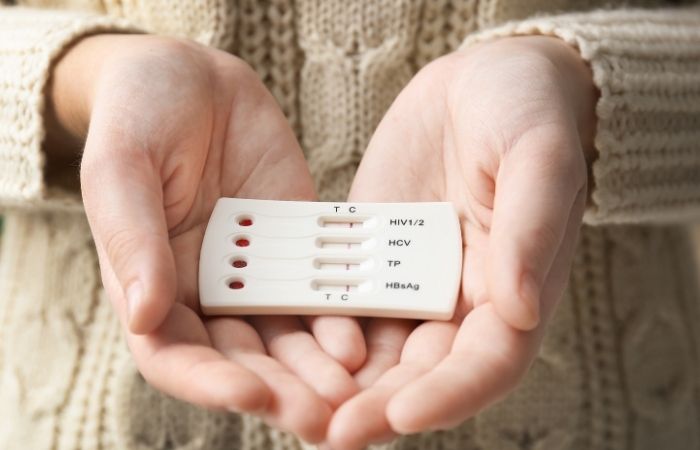
Let’s start with what’s probably never been explained clearly: not all STD tests are the same. For gonorrhea, the most reliable method is a NAAT (Nucleic Acid Amplification Test), which looks for genetic material from the bacteria. It can be run on urine or swabs from the genitals, rectum, or throat. These tests are highly sensitive, but only if the right body site is tested at the right time.
Other options include culture tests, which try to grow the bacteria from a swab, and at-home rapid tests, which offer privacy but may miss infections if used too early. According to the CDC's guidance on gonorrhea testing, anatomical site matters. A throat swab won’t catch a urethral infection, and a urine sample won’t detect bacteria quietly sitting in the rectum. That’s why many people test negative, only to test positive later when a more accurate or site-specific method is used.
At-home options like the Gonorrhea Test Kit offer discreet testing from home. They're best used at least 14 days after a potential exposure and can detect silent infections, but users must follow instructions closely for accuracy.
Why Gonorrhea Doesn’t Always Show Right Away
A lot of the time, this is where the confusion starts: "I've been tested before." Why didn't it show up then? The answer is in two ideas that people often get wrong: incubation and window period. The incubation period is the time it takes for symptoms to show up, if they do at all. The window period is the time it takes for a test to find the infection. You can get gonorrhea and spread it to others long before either of these things happen.
Here’s a breakdown of test accuracy based on timing and method:
| Test Type | Sample Collected | Accuracy Window | Risk of False Result |
|---|---|---|---|
| NAAT (Lab-based) | Urine, vaginal, rectal, or throat swab | 7 to 14 days after exposure | Low if correct site is tested |
| Culture Test | Swab from infection site | 3 to 7 days post-exposure | Moderate; may miss throat/rectal cases |
| At-Home Rapid Test | Urine or user-collected swab | Best used 14+ days after exposure | Varies with timing and technique |
Figure 1. Test type vs accuracy window. False negatives often result from early testing or site mismatch.
So yes, it’s possible for your partner to test positive while you test negative, or vice versa. It doesn’t mean someone’s lying. It might mean someone tested too early, or missed the right body site, or had a false negative due to timing. Biology isn't a courtroom. It's messy, nuanced, and often misunderstood.
When Gonorrhea Shakes a “Monogamous” Relationship
When a positive gonorrhea result lands in a relationship that’s supposed to be monogamous, the emotional math rarely adds up. Someone is positive. Someone is faithful. Someone else is confused, hurt, and spiraling. But the presence of an STD doesn’t automatically equal betrayal. It might just mean someone brought an untested infection into the relationship long before the first “I love you.”
Take Nina, 29, for example. She tested positive during a routine screening for an IUD. “I hadn’t slept with anyone but my girlfriend in eight months,” she said. Her girlfriend tested negative, twice. The result cracked open a wave of distrust, but the answer was simpler and more scientific than either expected: Nina had likely contracted gonorrhea during a brief situationship nearly a year prior. It had stayed asymptomatic and undetected until now. Her partner, for whatever reason, site exposure, biology, luck, never got infected. That was reality. Not a scandal, just biology playing chess behind the scenes.
This kind of mismatch isn’t rare. The infection can live undetected in the throat or rectum for months. Transmission isn’t guaranteed from every encounter, and some people are more susceptible than others. You can be positive and have no symptoms. You can be exposed and not test positive. You can love someone deeply and still find yourself navigating an infection you didn’t know existed.
Silent Infections and Dormant Myths
Let’s clear something up: gonorrhea doesn’t “go dormant” like herpes. It doesn’t flare and fade. But it can absolutely exist in your body without symptoms for a long time, especially in less visible places like the rectum or throat. The term for this is asymptomatic carriage, and it’s way more common than most people think.
According to the World Health Organization, many people with gonorrhea, especially women and people engaging in receptive anal or oral sex, experience no symptoms. No burning. No discharge. No red flags. Just a quiet, lingering presence until a routine screening or an unrelated check-up uncovers it.
This “invisible” form of gonorrhea is often discovered months after the initial exposure. For example, a test done today may reflect an infection acquired before your current relationship began. And if your current partner tests negative, it doesn’t mean they haven’t been exposed, it could simply be timing, immunity, or an anatomical dodge.
| Diagnosis Outcome | Possible Explanation |
|---|---|
| Partner A positive, Partner B negative | Different timing, natural immunity, or site-specific false negative |
| Both positive, only one symptomatic | Silent infections are common; symptoms aren't universal |
| Symptoms appear weeks after new relationship starts | Undetected infection from a previous partner |
| Retests give different results | Test window gaps, lab variation, or site mismatch |
Figure 2. Common diagnostic gaps in couples and why STD results may not align.
So You Tested Positive, Now What?
The first step? Breathe. Testing positive for gonorrhea doesn't mean you've been irresponsible or dishonest. It means your body has information. What you do next matters more than how you feel in the moment. And yes, it’s okay to cry, rage, go silent, or spiral, but don’t stay there. Start moving toward clarity.
If you tested at home or through a clinic, your provider will likely confirm the result, especially if the test was taken before the 7–14 day accuracy window. If only one anatomical site was tested, like urine but not throat, a second test may be necessary. Especially if you're asymptomatic but positive, or if your partner tested negative despite known exposure.
Treatment is usually straightforward, a one-time injection of ceftriaxone, sometimes paired with oral antibiotics. But here’s the caveat: don’t have sex for at least 7 days after treatment, and only resume when all partners have completed their treatment, too. Reinfection is real, and it’s common. Without partner treatment, it becomes a bacterial ping-pong game where no one wins.
This is the emotional wall many people hit. Treatment is fast. But the conversation? That’s harder. That’s where truth-telling, compassion, and fact-based framing matter most.
What to Say When a Positive Test Rocks Your Relationship
Emily, 38, tested positive after years of what she believed was monogamy. “You probably think I cheated,” she told her husband. He froze. Then said, “Did I?” That moment cracked something wide open, not just between them, but in their entire understanding of trust, testing, and timelines. They had tested when they got together. Five years ago. Not since.
Positive results aren’t proof of betrayal, they’re proof of biology’s unpredictability. Gonorrhea doesn’t need drama to exist. It doesn’t care if you’re in love, married, celibate, or polyamorous. It only cares that it had access once, even months or years ago. That’s why the CDC recommends routine screening for sexually active people under 25, and for anyone with new or multiple partners, regardless of orientation or relationship label.
Need help starting that conversation? Use medical language to de-escalate. Try: “This test shows I have gonorrhea. That doesn’t mean I got it recently. Can we talk to a provider before jumping to conclusions?” Or: “I want us both to test again, just to be sure.” Some at-home kits and public health departments even offer anonymous partner notification tools, texts or emails that explain exposure without revealing who sent them. Use every resource available to protect not just your partner’s body, but their trust.

Why Retesting Matters (Even After Treatment)
One dose, done deal? Not always. Just because you've taken antibiotics for gonorrhea doesn't mean you're automatically cleared for good. Reinfection is alarmingly common, especially if a partner hasn’t been treated, if treatment wasn’t taken correctly, or if other STDs are hiding beneath the surface. Even worse, many people don’t realize they need to test again unless someone spells it out for them.
Here's the general rule: If your infection involved the throat or rectum, or if you're immunocompromised, the CDC recommends a “test of cure” to ensure the bacteria is fully gone. And even if you don’t fall into one of those categories, many providers suggest retesting 3 months after treatment anyway. This isn’t about mistrust. It’s about biology, public health, and the risk of re-exposure.
Imagine this: You test positive, get treated, wait seven days, and have sex again, only to find out your partner never tested. Two weeks later, they pop positive. That means you’ve both been exposed again, and the cycle starts over. This isn’t a scare tactic. It’s a real-world story we hear over and over again.
If you’ve finished antibiotics and want to confirm you're clear, an at-home Gonorrhea Test Kit can offer peace of mind. Just make sure it’s been at least 14 days since treatment, or you risk picking up residual DNA that can lead to a false positive.
Could the Test Have Been Wrong?
Short answer: yes, but it’s rare. False positives for gonorrhea can happen due to contamination, lab error, or, more rarely, cross-reactions with non-gonorrhea bacteria. But the real culprit in most diagnostic confusion? False negatives.
If the sample was collected too early (less than 7 days post-exposure), or if it came from the wrong site (urine instead of rectal, for example), the test may miss an active infection. That’s why it’s crucial to know your anatomy and your risks. Oral sex? Get a throat swab. Receptive anal sex? Rectal swab. Vaginal sex? You’ll likely need a vaginal or urine sample. One site isn’t enough if exposure happened in multiple ways.
And if your test results are bouncing around, one home test says negative, a clinic test says positive, it’s okay to pause and ask questions. A confirmatory NAAT test, done at least 7–14 days after exposure, is the gold standard. Context is king. A line on a test strip is only one piece of the story. The rest? That’s where communication, re-testing, and medical support come in.
Still unsure? Say this to your provider: “Could this be a false result?” or “Should I retest using a different sample site?” You’re not being difficult. You’re being informed. And in the world of sexual health, that makes all the difference.
How to Protect Yourself (and Your Partner) Moving Forward
This isn’t the end of the story. It’s the part where clarity takes over. Whether you stay in the relationship, take space, or move forward with someone new, this experience can be a turning point, not a stopping point. Regular testing is like brushing your teeth. You don’t wait for a cavity to start flossing. And you don’t need a symptom to justify checking in on your sexual health.
That means: get tested after every new partner, or every 3–6 months if you’re sexually active with multiple partners. Use condoms, especially with new or casual partners. Consider asking for throat and rectal swabs, even if they aren’t offered by default. Normalize these conversations. They’re awkward for 30 seconds and empowering for a lifetime.
And most importantly? Remove the shame. Gonorrhea is a bacterial infection, not a moral failure. It doesn’t care who you are, how much you love your partner, or how “careful” you thought you were. But you can take back the narrative with information, treatment, and tools that respect your privacy and your power.
If you're ready to test (or retest) on your own terms, STD Test Kits offers discreet, at-home options you can trust. No clinic, no judgment. Just answers.
FAQs
- 1. Can you really get gonorrhea without cheating?
- Yes, and it happens more often than you'd think. Gonorrhea can hang out quietly in the body for weeks or months without showing a single symptom. You or your partner could’ve had it long before your relationship started. It’s not about betrayal. It’s about biology having no interest in your relationship status.
- 2. Why did I test positive and my partner didn’t?
- This is one of the most gut-twisting scenarios, and it’s actually super common. Maybe they were tested too early. Maybe their body site wasn’t swabbed correctly. Maybe your immune system responded differently. It’s not necessarily about who did what, it’s about how tricky gonorrhea can be to catch, even when you're looking for it.
- 3. Does everyone with gonorrhea get symptoms?
- Nope. Not even close. Gonorrhea is a master of staying quiet, especially in the throat or rectum. You can carry it without knowing, pass it without realizing, and feel completely fine the whole time. That’s why testing regularly, not just when something feels off, is so important.
- 4. Could my test be wrong?
- It’s rare, but yes, it’s possible. Maybe your test was taken too soon after exposure, or maybe it didn’t include all the right anatomical sites. False positives can happen from lab mix-ups, but false negatives are more likely, especially with early testing or user-collected samples. If your result doesn’t line up with your risk or story, it’s totally okay to retest. That’s not being paranoid. That’s being smart.
- 5. We’re monogamous. Do we really need to keep testing?
- Yes. Monogamy isn’t a magical STD shield. People carry old infections without knowing. They assume they were tested thoroughly when maybe only one site was swabbed. Regular testing is like relationship maintenance. Like oil changes, but for your health, and your peace of mind.
- 6. What do I do if I test positive?
- First: breathe. Then, follow up with treatment, usually one injection and sometimes a backup oral antibiotic. Don’t have sex for at least 7 days, and make sure your partner is treated too. The awkward part is the conversation. The easy part? Clearing the infection once you know what you’re dealing with.
- 7. Can I get gonorrhea from oral sex?
- 100% yes. In fact, the throat is one of gonorrhea’s favorite hiding spots. It can live there symptom-free and still get passed to a partner during oral sex. If your testing history doesn’t include a throat swab and you’ve had oral sex, you might be missing part of the picture.
- 8. Can I test at home?
- Absolutely. At-home kits like the Gonorrhea Test Kit are discreet, fast, and accurate when used correctly. They're especially useful after treatment to confirm you’re in the clear, or if you just want answers without facing a waiting room and clipboard.
- 9. What’s up with reinfection?
- It happens more than anyone wants to admit. If only one person gets treated, or if you have sex too soon after antibiotics, you could pass gonorrhea back and forth like a game of ping-pong. Make sure you both get treated, and hit pause on sex until you’re both cleared. It’s annoying, but it saves you from an endless loop of “I thought we fixed this.”
- 10. When is it safe to have sex again?
- Most doctors say wait at least seven days after finishing treatment. That gives the antibiotics time to do their thing. But here’s the key: your partner has to be treated too. Otherwise, you’re stepping back into the same problem with new timing. Sync up your care, and your calendars, before getting back into bed.
You Deserve Answers, Not Assumptions
This moment doesn’t define you. A gonorrhea diagnosis in a committed relationship doesn’t have to end anything, but it should start a conversation. About testing. About timing. About what it means to care for yourself and your partner without letting shame lead the way. You can love someone and still get surprised by biology. That doesn’t make you dirty. It makes you human.
If your head is spinning or your heart feels cracked, remember this: you deserve clarity, not chaos. You deserve to test on your terms, talk with people who treat you with respect, and get real answers without stigma. This discreet at-home gonorrhea test offers you privacy, accuracy, and the power to take back control.
How We Sourced This Article: We combined current guidance from leading medical organizations with peer-reviewed research and lived-experience reporting to make this guide practical, compassionate, and accurate. In total, around fifteen references informed the writing; below, we’ve highlighted some of the most relevant and reader-friendly sources.