Herpes, HPV, HIV, and Hepatitis B: Why Some STDs Stay in the Body
Quick Answer: The four incurable STDs are herpes, HPV, HIV, and hepatitis B. These STDs are caused by viruses that have the ability to stay inside the cells of the body. Viral infections act in a different way.
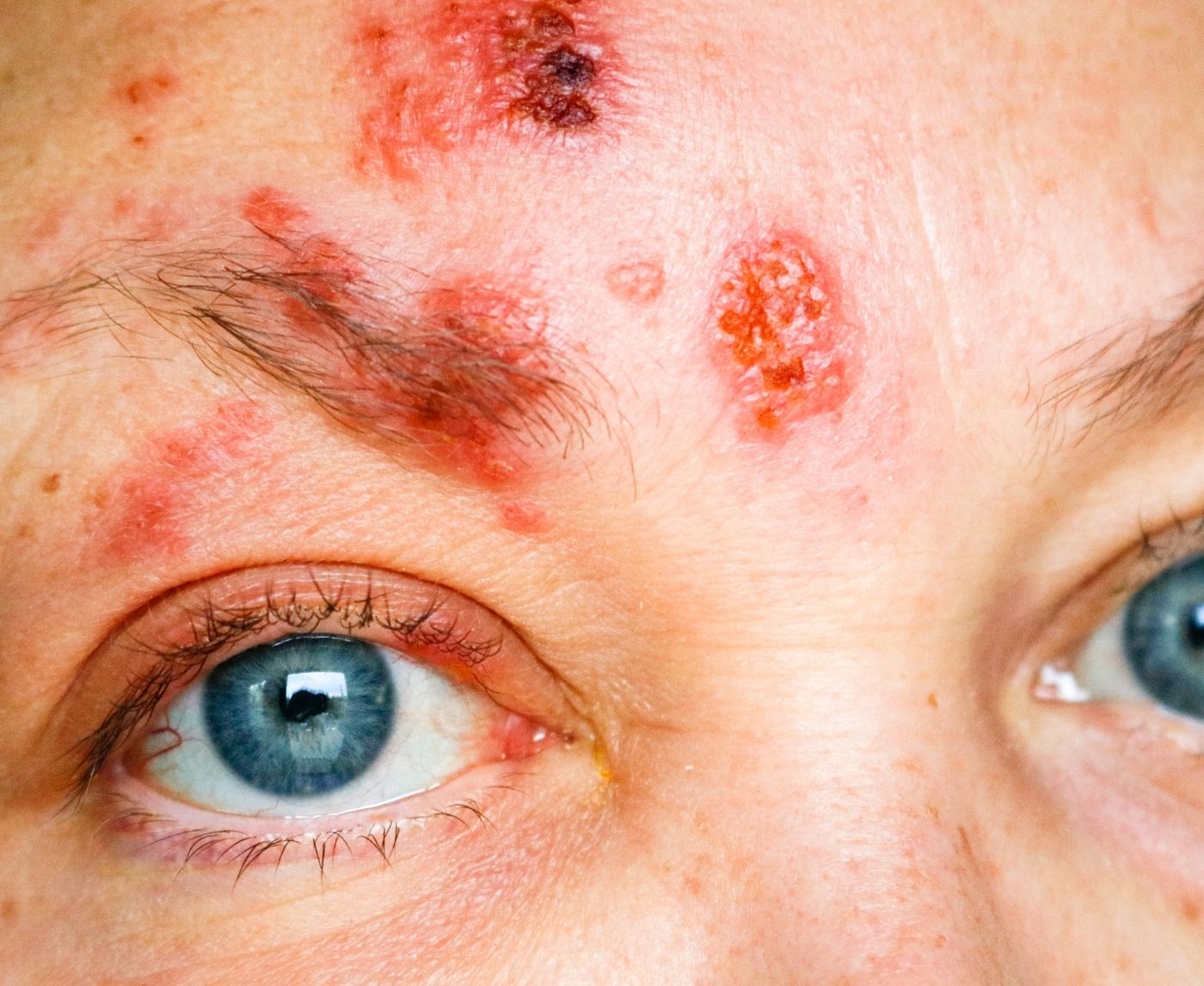
Quick Answer: The four incurable STDs are herpes, HPV, HIV, and hepatitis B. These STDs are caused by viruses that have the ability to stay inside the cells of the body. These incurable STDs cannot completely be treated, but their symptoms can be managed through treatment to help the patient lead a healthy life.
Why Some STDs Stay in the Body
Biology is what makes sexually transmitted infections that can be cured different from those that can't be cured. Antibiotics can kill bacterial infections like chlamydia or gonorrhea because they live outside of human cells. Viral infections act in a different way. Viruses get inside human cells and use the body's own machinery to make copies of themselves. This makes it much harder to get rid of them completely once you get sick.
Picture someone in bed at two in the morning, going over a hookup from the weekend and wondering if they might have gotten something. That moment of worry is normal. But knowing how viruses act makes them less mysterious. Instead of just floating around in the blood, many viruses set up shop in certain types of cells where the immune system can't get rid of them very well.
This is why people often call infections like herpes, HPV, HIV, and hepatitis B "lifelong infections." Even when symptoms go away, the virus can still be there. The most important thing, which the internet doesn't talk about much, is that modern medicine can treat these infections very well.
| STD Type | Examples | Typical Treatment Outcome |
|---|---|---|
| Bacterial STDs | Chlamydia, Gonorrhea, Syphilis | Usually cured with antibiotics |
| Parasitic STDs | Trichomoniasis | Typically cured with medication |
| Viral STDs | Herpes, HPV, HIV, Hepatitis B | Managed but not fully eliminated |
The Four Viral STDs That Can Persist Long-Term
When we speak of “incurable STDs,” we are generally talking about the four viruses, which have a different pattern of behavior compared to their bacterial counterparts. These viruses have managed to find ways to stay in the body even when the immune system has successfully fought back.
It is essential to understand that the term “incurable” does not mean the STD cannot be treated. It only implies that the virus has the ability to stay in the body cells even after the individual has acquired the infection.
| STD | Virus Type | Main Health Effects |
|---|---|---|
| Herpes (HSV-1 / HSV-2) | Herpes simplex virus | Periodic sores or blisters |
| HPV | Human papillomavirus | Genital warts or cancer risk |
| HIV | Human immunodeficiency virus | Weakens immune system |
| Hepatitis B | Hepatitis B virus | Liver infection |
Herpes: The Virus That Hides in Nerve Cells
Herpes is also one of the most misunderstood STDs. Most people believe that herpes is a rare or catastrophic disease. The reality is that herpes is extremely common. Millions of adults are infected with herpes simplex viruses, although they are unaware of it. This is because herpes simplex often has no or few symptoms.
The reason herpes persists inside an infected person is because of its location. The virus travels down nerve fibers to nerve cells near the spinal cord. The herpes virus then takes residence inside these cells. The virus is then able to live in a latent state. This is why herpes outbreaks stop occurring. At no point is the virus actively making more viruses during latency. The herpes virus can become reactivated. This is when herpes outbreaks occur. This is also when the herpes sores or blisters are noticeable. Antiviral medications can greatly decrease herpes outbreaks and the chance of transmission.
If a person is experiencing unusual symptoms or sores after a sexual encounter, testing can provide answers to a person's questions. Most readers prefer a discreet testing method, which is why many prefer to use the at-home STD testing kits.

HPV: A Virus the Immune System Often Clears
In fact, human papillomavirus (HPV) is the most common sexually transmitted infection in the world. This means that if you are an active sex partner, there is a high chance that you are going to encounter HPV at some point in your life. This fact often shocks many people who consider HPV to be a rare disease and are not even aware of its association with serious diseases.
The biggest problem with HPV is that it acts differently in different people. In most cases, the body gradually fights off the infection and makes the virus undetectable. This is the main reason why medical science claims that the body “clears” HPV, even when there are remnants of the virus inside the body’s cells.
Imagine that you are leaving a normal doctor’s visit after a pap test and are told that you are HPV positive. The first reaction to this news is panic. However, in most cases, HPV goes away on its own without any symptoms or consequences. The main reason HPV is included in the list of incurable diseases is that there is no medicine available to cure it with the same ease with which we cure a common cold with antibiotics.
Since HPV does not display any symptoms, many people are not even aware that they are infected with the virus until they are tested and screened for it. This is the main reason why many sex experts recommend regular testing after new partners and possible exposure to the virus.
HIV: A Virus That Integrates Into Human DNA
HIV, or human immunodeficiency virus, is another infection that is often thought to be an incurable STD. HIV is different from other viruses because it can put its genetic material directly into the DNA of immune system cells. When this integration happens, the virus is very hard to get rid of completely from the body.
Picture someone sitting in a doctor's office waiting for test results after being exposed to something. There was a lot of uncertainty about an HIV diagnosis decades ago. The truth is very different now. People with HIV can now take antiretroviral drugs that work so well that the virus can't be found in blood tests.
When HIV levels drop to a point where they can't be found, the virus can't be passed on through sex. People often say "U=U," which means that if something can't be found, it can't be passed on. This means that people with HIV who get the right treatment can keep their immune systems healthy and live long, normal lives.
HIV is still thought to be incurable because small reservoirs of the virus stay hidden in some immune cells even when treatment stops active replication. Scientists are still looking for ways to get rid of these reservoirs completely, but the treatments we have now focus on keeping them under control for a long time.
Testing is still the first step toward that control. Many people choose private testing options before getting medical care because they can find out their status quickly and without drawing attention to themselves.
Hepatitis B: A Persistent Liver Virus
Hepatitis B is not commonly referred to when discussing sexually transmitted diseases because it is also transmitted through blood. The liver is the main target of the hepatitis B virus.
There are some adults who are infected with the hepatitis B virus and recover from the disease within a few months as their immune system responds to the disease. There are also adults who are infected with the disease and develop chronic hepatitis B, a condition where the disease is present in the liver for a long time. This is the condition that puts hepatitis B on the list of incurable diseases.
A person is only diagnosed with the disease when blood tests are run as a precaution during a physical examination. A person is not aware that he/she is infected with the disease because it does not show any symptoms when it is present in the body. After a long time, when the disease is not treated and becomes chronic, it causes inflammation in the liver.
Fortunately, antiviral drugs are available to treat the disease and prevent complications from arising. The disease is also preventable through a vaccine, and as a result, it is now given to children as a precaution.
When a person is not sure of his/her status regarding the disease, he/she can be tested to know his/her status and what to do to prevent complications from arising in the future.
Why Viral Infections Behave Differently From Bacterial STDs
One of the main reasons people freak out when they hear the term "incurable STD" is that they picture an infection that keeps hurting the body. That's not how viral infections usually work. The main difference between viral and bacterial sexually transmitted infections is how the virus or bacteria affects human cells.
Bacteria are living things that don't need other living things to live. They live and reproduce outside of your cells, which is why antibiotics can kill them directly. Viruses have a different way of working. They get into human cells and put their own genetic instructions into those cells, which makes them like tiny factories for viruses. After that, it becomes much harder to get rid of all the infected cells without hurting healthy tissue.
Imagine someone standing in a pharmacy aisle, unsure if they should buy a test kit after a weekend hookup. Most of the anxiety at that time comes from not knowing if something was passed on or how infections really work. Knowing the difference between bacterial and viral infections can help you get rid of that uncertainty and get real information.
| Feature | Bacterial STDs | Viral STDs |
|---|---|---|
| Organism type | Living bacteria | Virus that enters human cells |
| Treatment approach | Antibiotics kill bacteria | Antiviral drugs control replication |
| Presence in body | Usually eliminated after treatment | May remain inside certain cells |
| Examples | Chlamydia, Gonorrhea, Syphilis | Herpes, HPV, HIV, Hepatitis B |
What Life Actually Looks Like With an Incurable STD
The internet often portrays lifelong infections as a disaster, but the truth is far more relaxed. There are millions of people living with herpes, HPV, HIV, or hepatitis B, all with active relationships, jobs, and a healthy lifestyle. However, the worst part of all of these is the stigma associated with the infection.
To understand this better, consider a person who has just received a positive diagnosis. They immediately believe their dating life is over. However, the truth is far more liberating. For instance, in the case of HIV, the treatment is such that the virus becomes undetectable in the body and cannot be transmitted through sex.
In the case of herpes, the frequency of the infection becomes fewer over time. In the case of HPV, the body naturally fights off the infection. In the case of hepatitis B, the liver is protected through antiviral therapy. The common factor in all of the aforementioned infections is the power of knowledge. Once a person understands what is going on in their body, the fear gives way to the reality of the situation.
Testing: The Fastest Way to Replace Anxiety With Answers
For most people, the initial motivation for looking into incurable STDs comes from a moment of doubt, a new partner, a broken condom, a strange occurrence, or a conversation from a concerned party about a possible exposure to an incurable disease. Guessing is not going to do you any good in such situations. The only surefire way to know for sure is to test.
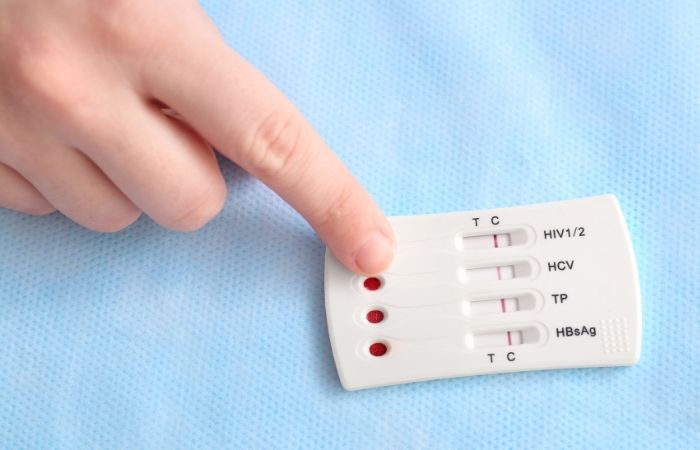
Testing technology has advanced significantly in the last ten years. There are now many tests available to quickly and effectively identify a number of different infections using advanced technology. While clinics are a good option for some people, they are not the only choice. At-home tests have also been gaining popularity as a convenient and private option for individuals concerned about their health.
If you are having trouble stopping your mind from racing into worst-case scenarios, you might consider a test to clear your mind and move forward in life. Options such as those offered through STD Test Kits are a convenient and discrete choice for individuals to test for common STDs before seeking further treatment.
The purpose of a test is not to induce fear and worry into an individual’s life but to provide them with the knowledge to protect their health and their partners’ health as well. This is what eliminates far more stress than it creates.
Prevention Still Matters, Even With Lifelong Viruses
Knowing why some STDs stay in the body also shows how important it is to avoid them. Vaccines, safer sex, and regular testing all lower the chances of passing on the disease and having long-term problems.
For instance, the HPV vaccine protects against many strains that cause most cervical cancers and genital warts. Getting a hepatitis B vaccine also protects you very well against the virus. Using condoms and other barrier methods lowers the risk of getting a lot of sexually transmitted infections, even those caused by viruses.
Testing on a regular basis is also very important for prevention. People can start treatment right away if they find out about an infection early. This often lowers the chance of passing it on to someone else. For HIV, treatment that keeps the virus from spreading can stop sexual transmission completely.
In other words, even though these infections can stay in the body, modern medicine has strong ways to control them. When people first hear the words "incurable STD," they usually think of something very different than what really happens when they learn, test, get vaccinated, and get treatment.
FAQs
- 1. What are the four incurable STDs?
- The four incurable STDs include herpes, HPV, HIV, and hepatitis B. These STDs are caused by viruses, which have the ability to stay inside the cells of the body. As such, it is not possible to completely eliminate the viruses from the body, although it is possible to control the symptoms through various forms of treatment.
- 2. Why can’t viral STDs be cured like bacterial STDs?
- Viral STDs cannot be cured like bacterial STDs because the viruses have the ability to hide inside the cells of the body. As such, it is not possible to completely eliminate the viruses from the body. However, the viruses can be controlled through the use of antiviral drugs.
- 3. Does having an incurable STD mean symptoms will never go away?
- No, it does not necessarily mean the symptoms will never go away. For instance, the symptoms of herpes may only appear occasionally. In addition, the symptoms of HPV may completely disappear from the body because the body has the ability to suppress the virus.
- 4. Can HPV ever disappear from the body?
- Yes, the symptoms of HPV may completely disappear from the body because the body has the ability to suppress the virus. In such instances, the body has completely cleared the virus, although the virus is not completely eliminated from the body. As such, it is not possible to completely eliminate the virus from the body, although it is possible to completely eliminate it through the use of medicine.
- 5. Can people with HIV live normal lives?
- Yes. Antiretroviral therapy enables those living with HIV to have healthy immune systems. If the virus is reduced to an undetectable level, it cannot be transmitted.
- 6. Is herpes always contagious?
- Yes, herpes is contagious. Herpes can be transmitted even if no signs of the virus are visible. Antiviral drugs can help prevent the transmission of the virus to your partner.
- 7. How common are these incurable STDs?
- These STDs are more common than you think. For instance, the Human Papillomavirus is recognized as the most common STD. In addition, millions of adults worldwide carry the herpes virus, yet they may never exhibit any signs of the virus.
- 8. Can hepatitis B be prevented?
- Yes. There is an effective vaccine for the prevention of the hepatitis B virus. The vaccine is highly recommended. In fact, the vaccine has been included in the routine immunization of children around the globe.
- 9. How do you know if you have one of these infections?
- The only way to know is to get tested. Most of the viruses associated with STDs may never show any signs of the virus. In fact, you may never even know you have the virus. The only way to find out is to get tested regularly after engaging with new partners.
- 10. Are at-home STD tests reliable?
- Yes. With the availability of medical-grade technology, at-home STD tests are effective. Discreet STD tests like the ones offered by STD Test Kits can be of immense help to you.