


How Soon After Sex Can You Test for HSV-1 or HSV-2?
Quick Answer: HIV can take 8–10 years or longer to progress into AIDS if left untreated, but with early diagnosis and treatment, most people with HIV will never develop AIDS at all.
This Confusion Isn’t Harmless, It’s Dangerous
When someone thinks “HIV equals AIDS,” they often picture frailty, death, or the fear-soaked PSAs of the 1980s. That’s outdated, and in some cases, deadly. This kind of confusion keeps people from getting tested because they assume it’s “too late,” or they feel shame for even asking. The stigma is so baked in that people avoid clinics, skip dating disclosures, or panic when they hear the word “positive.”
But here’s what most people don’t realize: HIV doesn’t turn into AIDS overnight. In fact, with proper treatment, HIV may never progress at all. The real risk isn’t the virus itself, it’s the delay. The delay in knowing. In treating. In facing it head-on. According to the CDC, people who start treatment early can live just as long as someone without HIV. That’s a massive shift from what older generations were taught.
So why does this confusion still exist? Part of it is media. Part of it is outdated sex ed. But mostly, it’s fear, and that’s exactly what we’re here to break through.

People are also reading: Think It’s Just a Skin Thing? Syphilis Rashes Are Trickier Than You Think
HIV and AIDS: The Core Difference (And Why It Matters)
Let’s say this flat out: HIV is the virus, the Human Immunodeficiency Virus. It weakens the immune system over time by attacking specific white blood cells called CD4 cells (or T-cells). The lower your CD4 count, the harder it is for your body to fight off infections.
AIDS stands for Acquired Immunodeficiency Syndrome. It isn’t a separate virus. It’s a late stage of HIV infection, defined by either a CD4 count below 200 cells per cubic millimeter or the presence of certain opportunistic infections (like pneumonia, certain cancers, or rare fungal infections).
So no, you don’t “catch AIDS.” You acquire HIV, and if left untreated for years, it can eventually progress to AIDS. But in 2025? With treatment access? That’s avoidable for most people. As NIH researchers confirm, antiretroviral therapy (ART) can keep viral loads undetectable, meaning you’re healthy, untransmittable, and living your damn life.
The HIV Timeline: From Exposure to AIDS (If Untreated)
So, how long does it actually take for HIV to become AIDS if you never get tested or treated? Let’s break it down.
Table 1: Progression of untreated HIV infection into AIDS over time.
“I Thought I Had AIDS, Turns Out I Had No Idea What HIV Even Was”
Tyrese, 29, had just ended a situationship when he started losing weight and waking up drenched in sweat. A Google spiral led him to believe he had full-blown AIDS. He hadn’t been tested in years. “I was so sure it was over,” he said. “I didn’t even want to go to the doctor because I thought they’d tell me I was dying.”
“I skipped the first two appointments I made. Couldn’t bring myself to go. I just kept thinking, ‘If it’s AIDS, it’s already too late.’”
When he finally got tested, he was HIV-positive, but not in late-stage infection. His CD4 count was above 500. No opportunistic infections. “I was shocked. I thought I was going to die. But the doctor just said, ‘You’ll start meds. You’ll be okay.’”
That’s the reality for a lot of people. The symptoms Tyrese had were real, but they weren’t AIDS. And because he thought the worst, he delayed testing that could’ve given him peace of mind sooner. Now, on ART, he’s undetectable and thriving.
What “Undetectable” Really Means, And Why It Changes Everything
There’s a phrase that’s saved lives, prevented transmission, and smashed stigma: U=U. It stands for Undetectable = Untransmittable. When someone with HIV is on treatment and their viral load is so low it can’t be detected by a test, they cannot transmit the virus through sex. Full stop. Zero risk.
This isn’t opinion, it’s science. Multiple large studies, including the PARTNER studies cited by the CDC, have shown no cases of sexual transmission when the HIV-positive partner had an undetectable viral load.
And here’s where the confusion between HIV and AIDS does even more damage: someone might believe that a positive result means they’re doomed. But the truth is, someone with HIV can live a full, healthy, non-infectious life, if they know early and treat consistently. That only happens if people feel safe enough to get tested, without judgment or misinformation clouding the facts.
Myth-Busting: 5 Dangerous Misconceptions That Keep People in the Dark
Let’s rip off the Band-Aid. These are the myths that cause people to delay testing, freak out unnecessarily, or stay silent when they shouldn’t.
Table 2: Common myths about HIV and AIDS, and the truths that save lives.
Still Spinning? You Deserve Clarity, Not Confusion
If you’re asking these questions, you’re already doing the hard part: facing the unknown. That takes guts. Whether you’re worried about a recent hookup, an old risk you’ve buried, or you’re just trying to learn, knowing is better than guessing. And testing is the only way to know.
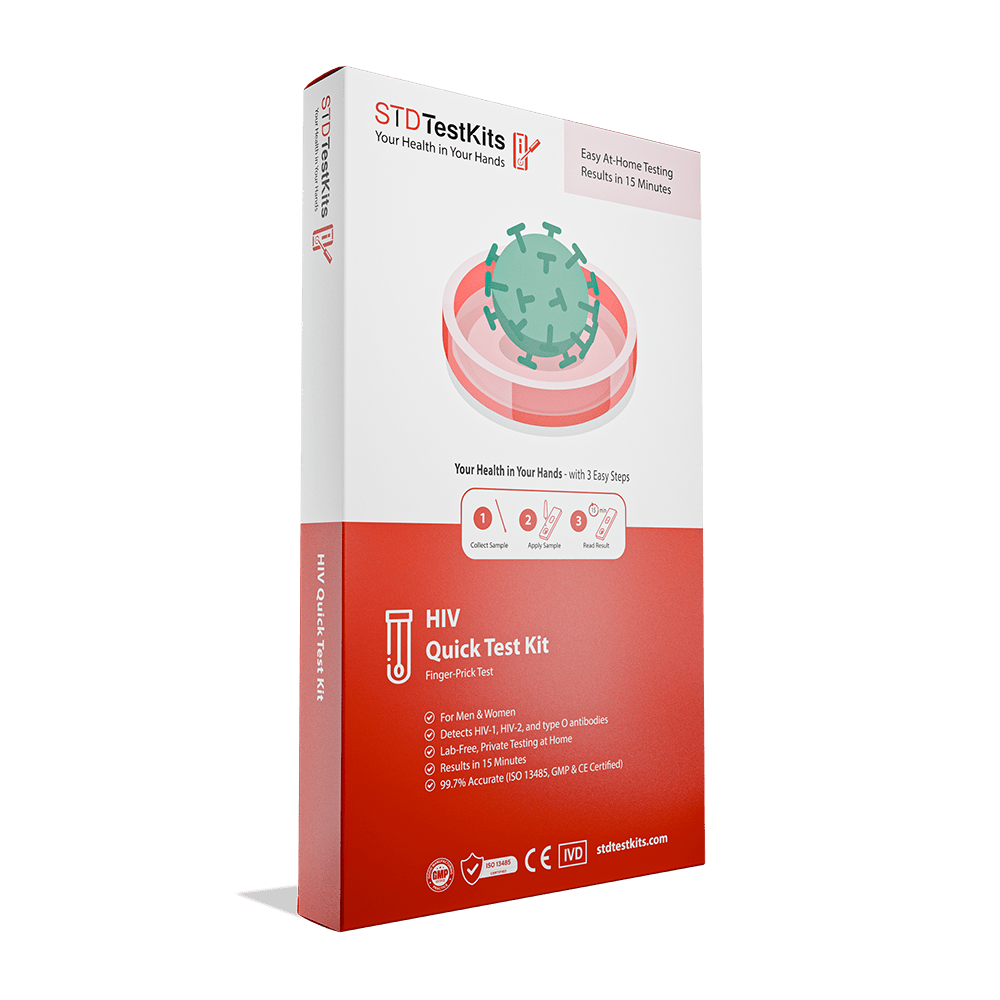
8‑in‑1 Complete At-Home STD Test Kit includes an HIV rapid test you can do at home, discreetly. It’s the same kind used in clinics, with clear results in minutes. No shame. No waiting room. Just answers.
Because whether it’s HIV or just anxiety, you deserve peace of mind. And you shouldn’t have to fight through fear to get it.
How Do You Know What Stage You’re In?
If you've tested positive, or you're sitting in the limbo of “what if?”, you might wonder where you stand. Am I in early HIV? Late HIV? Do I have AIDS and just don’t know it?
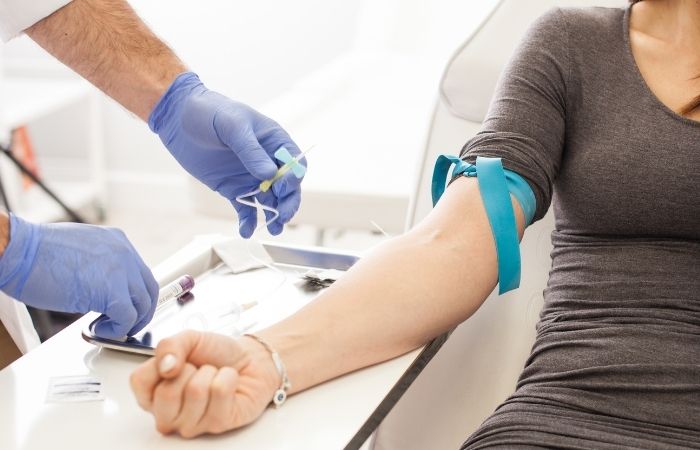
Here’s the truth: only bloodwork can tell you your stage. Specifically, your CD4 count (a measure of your immune system strength) and your viral load (how much HIV is in your blood).
A CD4 count over 500? That’s generally considered normal. Between 200–500? Your immune system’s taking a hit. Under 200? That’s when the AIDS diagnosis criteria come into play. But don’t panic, CD4s can bounce back with meds. What matters most is starting treatment, not guessing based on symptoms.
That’s why even if you feel fine, you still need to test if you’ve been exposed. HIV can simmer for years without obvious signs, and by the time symptoms appear, your immune system may already be depleted.
People are also reading: What Syphilis Looks Like in Newborns (And Why It’s Often Missed)
Should You Retest for HIV? Here’s When It Makes Sense
Maybe you tested right after a risky encounter and got a negative. Maybe it’s been years and you’ve had a scare. Or maybe you’ve had multiple partners and just want certainty. Retesting isn’t overkill, it’s smart care.
Here’s when a retest is usually recommended:
- After recent exposure: HIV tests have a “window period” You might test too early and get a false negative. You should test again in 28 to 45 days to be sure.
- If you have sex with new or multiple partners, the CDC says you should get tested at least once a year, or more often if you're at higher risk.
- Before starting PrEP, you need to get a test that shows you are not infected.
- If you've had any symptoms, even if you tested a while ago, a sudden bout of fatigue, swollen glands, or weight loss could mean you need to see a doctor again.
What it all comes down to? If something is bothering you, try again. No judgment. No bad things. Just being clear.
Prevention Isn’t Just Condoms Anymore: Here’s What Works in 2025
We have come a long way since the "just say no" days. Now, prevention is smarter, more adaptable, and really works with the sex lives of real people. This is what modern prevention looks like:
- PrEP (Pre-Exposure Prophylaxis): A daily pill (or long-acting injectable) that prevents HIV before exposure. Works 99% of the time when taken correctly.
- PEP (Post-Exposure Prophylaxis) is medicine that you take in an emergency within 72 hours of possible exposure. Not a Plan A, but a Plan B that could save your life.
- Condoms and other barriers are still strong. Especially when used correctly and consistently for oral, anal, or vaginal sex.
- U=U: People with HIV who are getting treatment and have undetectable levels of the virus CAN'T pass it on through sex. Not stigma, but science.
These aren't just tools. They're free. They give you choices, safety, and the chance to take charge, not just for you but also for your partners.
FAQs
1. Can HIV really turn into AIDS without you knowing?
Yep, and that’s the scary part. HIV can hang out in your body for years without obvious symptoms, slowly weakening your immune system behind the scenes. By the time some people feel "sick," their CD4 count is already dangerously low. That’s why regular testing is the move, even if you feel fine.
2. How long does it usually take for HIV to become AIDS?
If untreated? Around 8 to 10 years is the average. But "average" doesn’t mean guaranteed. Some folks progress faster, especially if their immune system is already compromised. Others may go even longer. The point is, early diagnosis changes everything. You can stop the clock before it even starts.
3. Can I still have sex if I’m HIV positive?
Absolutely. Sex doesn’t end with an HIV diagnosis. With treatment, you can reach an undetectable viral load, which means you *can’t* pass it on through sex. That’s what U=U means: Undetectable = Untransmittable. Safe, empowered sex is 100% still on the table.
4. How do I know if my HIV has progressed to AIDS?
You’ll need lab work. Specifically, a CD4 count and viral load test. If your CD4 dips below 200, or you’re diagnosed with an AIDS-defining illness (like certain cancers or pneumonias), that’s when doctors say it’s AIDS. But don't self-diagnose based on Dr. Google. Get the labs.
5. Is kissing someone with HIV risky?
Nope. Not even close. HIV doesn’t live in saliva the way it does in blood or sexual fluids. Hugging, kissing, sharing drinks, toilet seats, none of that spreads HIV. If it did, the CDC would be yelling about it from every rooftop. But they’re not. Because it doesn’t.
6. Wait, so is there a cure or not?
Not yet. But treatment? It works. ART (antiretroviral therapy) can keep the virus so suppressed that it becomes undetectable, and untransmittable. Some researchers are chasing cures (shout out to the Berlin and London patients), but for now, treatment = lifelong management, not a one-and-done fix.
7. I tested negative after a hookup. Should I test again?
Depends on when you tested. If it was within the first two weeks post-exposure, it might’ve been too soon. HIV tests have window periods. The gold standard is retesting around day 28 to 45. Think of it like getting a follow-up photo, just to make sure the first one wasn’t blurry.
8. Do people still die from AIDS in 2025?
Yes, but usually when HIV goes undiagnosed or untreated. That’s what makes early testing and access to meds so crucial. People don’t die from HIV itself, they die because their immune system is too weak to fight off other infections. But with meds? You can live a long, full life. Period.
9. Should I get tested even if I feel totally fine?
1000% yes. Feeling fine doesn’t equal being in the clear. HIV doesn’t always throw red flags early on. In fact, the early signs often look like the flu, fever, sore throat, fatigue. And then? Silence. The only way to know is to test.
10. Are those at-home HIV tests legit?
They are, if you get them from a reputable source. Rapid tests like the ones we offer detect antibodies accurately, especially after the window period. If you’re super early post-exposure, you might still want a follow-up lab test. But for most folks? An at-home test is a powerful first step.
You Don’t Have to Wait for Symptoms, You Can Test Now
If you’re in the swirl of “what ifs,” don’t wait until things get worse. HIV isn’t something that always shows up right away, and by the time symptoms hit, you could already be years into infection. That’s the risk. That’s the cost of confusion.
Testing early means more than catching it in time. It means never reaching the point of AIDS. It means taking one moment of action to avoid years of doubt. And you don’t need to book a clinic or explain yourself to anyone.
You can order a discreet HIV test here, the same kind doctors use, shipped to your door in plain packaging, with clear instructions and fast results. No one needs to know. Except you.
How We Sourced This Article: We combined current guidance from leading medical organizations with peer-reviewed research and lived-experience reporting to make this guide practical, compassionate, and accurate. In total, around fifteen references informed the writing; below, we’ve highlighted some of the most relevant and reader-friendly sources.
Sources
1. NIH – HIV Treatment Overview
2. The Stages of HIV Infection | NIH
3. HIV vs. AIDS: Differences and Progression | WebMD
4. When Does HIV Become AIDS? | News-Medical
5. HIV and AIDS – Timeline without treatment | NHS
About the Author
Dr. F. David, MD is a board-certified infectious disease specialist focused on STI prevention, diagnosis, and treatment. He blends clinical precision with a no-nonsense, sex-positive approach and is committed to expanding access for readers in both urban and off-grid settings.
Reviewed by: M. Singh, NP-C, MPH | Last medically reviewed: November 2025
This article is for informational purposes and does not replace medical advice.