How Long Does It Take for Herpes to Show Up in a Man?
Quick Answer: Herpes symptoms in men usually appear between 2 and 12 days after exposure. Most first outbreaks begin around day 4 to 7, though some men develop symptoms later or never notice them at all.

Quick Answer: Herpes symptoms in men usually appear between 2 and 12 days after exposure. Most first outbreaks begin around day 4 to 7, though some men develop symptoms later or never notice them at all.
The Timeline Most Men Experience After Herpes Exposure
Herpes infections follow a pattern doctors call an incubation period. This is the time between exposure to the virus and the moment symptoms appear. During this stage, the virus enters the body through tiny breaks in the skin and begins replicating inside nerve cells.
Even though the virus is already present, the body hasn’t reacted strongly enough yet to create noticeable symptoms. That’s why someone can feel completely normal for several days after exposure.
The timeline below shows the most common sequence doctors observe when herpes appears for the first time.
| Stage | What Happens in the Body | Typical Timing |
|---|---|---|
| Exposure | Skin-to-skin contact with an infected partner allows the virus to enter the skin. | Day 0 |
| Incubation Period | The virus multiplies quietly in nerve cells without visible symptoms. | 2–12 days |
| Early Warning Signs | Tingling, itching, or burning sensations begin before sores appear. | Often days 3–6 |
| First Outbreak | Small blisters or sores develop on the penis, scrotum, groin, or surrounding skin. | Usually days 4–7 |
| Healing Phase | Blisters break, crust, and heal as the immune system suppresses the virus. | 1–3 weeks |
This timeline is pretty normal, but herpes infections are known for being hard to predict. Some men have symptoms earlier, while others may not notice an outbreak for weeks or even months.
Why the Herpes Incubation Period Varies Between Men
One of the reasons herpes causes so much confusion is that two people exposed on the same day can develop symptoms at completely different times. That variation happens because several biological factors influence how quickly the virus becomes noticeable.
The first thing to think about is what kind of virus it is. HSV-1 and HSV-2 are the two main types of herpes. Both can cause infections in the genitals, but HSV-2 usually causes stronger outbreaks at first. That means that men who have HSV-2 often notice symptoms sooner.
The second factor is the immune system. Someone with a strong immune response may suppress the virus long enough that the first outbreak appears later or remains extremely mild.
The amount of virus transmitted during exposure can also influence timing. If more viral particles enter the skin, the infection may progress faster and symptoms may appear earlier.

The First Things Many Men Notice Before Herpes Sores
One of the most misunderstood parts of herpes infection is the phase that happens before blisters appear. Doctors call this the prodrome stage, and it can begin hours or days before visible sores develop.
For some men, these early signals are subtle enough to ignore. For others, they feel unusual enough to immediately raise concern.
Common early sensations include:
- Tingling in the penis, groin, or inner thigh
- Itching that doesn’t resemble a typical rash
- Mild burning during urination
- Sensitivity or soreness in the genital skin
A 28-year-old man described it this way during a clinical interview:
“It didn’t look like anything at first. It just felt like a weird electrical itch under the skin. Two days later I saw the blisters.”
Those sensations often happen because the herpes virus travels through nearby nerves before the outbreak begins.
What the First Herpes Outbreak Usually Looks Like
When symptoms finally appear, they usually start as small red bumps that resemble pimples or ingrown hairs. Within a short period of time, those bumps often transform into fluid-filled blisters.
The blisters can appear in several locations around the genital area. In men, the most common places include the shaft of the penis, the head of the penis, the scrotum, or the surrounding groin area.
During the first outbreak, several symptoms can appear at once.
| Symptom | What It Feels or Looks Like | How Common It Is |
|---|---|---|
| Blisters or sores | Small fluid-filled bumps that break open and form ulcers | Very common |
| Pain or burning | Soreness around the lesions or during urination | Common |
| Itching | Persistent irritation around affected skin | Common |
| Flu-like symptoms | Fever, fatigue, swollen lymph nodes | Less common |
| Tender groin glands | Swelling in lymph nodes near the pelvis | Occasional |
For many men, the first outbreak is also the most intense one they will ever experience. Later outbreaks tend to be shorter and milder because the immune system already recognizes the virus.
Can Herpes Show Up the Next Day?
This is one of the most common questions that doctors are asked by worried patients. The answer is that herpes rarely shows up the day after sex. This is because the virus takes time to reproduce in the nerve cell before the symptoms appear.
This process takes a couple of days. A sore that appears the next day after sex is likely caused by friction, irritation, folliculitis, or an ingrown hair. However, the worry about the symptoms may start the next day after sex. When people are already worried about the symptoms of herpes, they are likely to look at their bodies more carefully than they normally would.
For instance, minor changes on the skin may cause them to worry. However, knowing the actual time taken by the virus to reproduce may help a person avoid worrying unnecessarily.
Why Some Men Don’t Notice Herpes for Months
One of the most surprising facts about herpes is how often it causes extremely mild symptoms, or none at all. Research suggests that many people carrying the virus never realize they have it.
That doesn’t mean the infection isn’t present. Instead, the immune system keeps viral activity low enough that outbreaks remain subtle.
A man might experience something as small as a single sore that heals quickly and assume it was a pimple or skin irritation. Months later, a blood test reveals antibodies showing the virus has been in the body for some time.
This is one of the reasons herpes spreads so easily. Transmission often happens between partners who don’t know the virus is present.
When Testing Actually Works After Possible Exposure
The testing for herpes depends on the phase that the infection is in. The results of the test and the accuracy of the results vary depending on whether the patient is showing any symptoms.
In case the patient is showing symptoms, such as sores, a swab test is performed, where the fluid from the sore is analyzed. This is the most accurate method of testing for herpes and is best performed during an active outbreak.
Blood tests, as compared to the swab test, are performed by analyzing the antibodies produced by the body as a result of the infection. These tests are usually accurate a few weeks after the patient is exposed.
In addition, for those who wish for privacy and convenience, many are opting for services such as STD Test Kits, where a person can test themselves.
While there are many testing options for herpes, it is important to understand that the timing of the testing is crucial, as it may result in false results if performed too early.
How Long the First Herpes Outbreak Usually Lasts
Once the herpes symptoms develop, the pattern of the first herpes outbreak is fairly predictable. For most men, the entire episode will take between two and three weeks. That may seem like a long time, but the worst of it is really quite short.
The herpes symptoms will begin as tingling or itching. Shortly after that, small blisters will develop. Finally, the blisters will break and become shallow sores that scab over as they heal. During the entire time of the herpes symptoms, the body is learning how to fight the virus more effectively.
The timeline below shows the pattern of the first herpes outbreak.
| Stage | What Happens | Approximate Timing |
|---|---|---|
| Prodrome Stage | Tingling, itching, or burning sensations begin before visible sores appear. | 1–2 days |
| Blister Formation | Clusters of small fluid-filled blisters appear on the skin. | Days 1–3 of outbreak |
| Ulcer Stage | Blisters break open and become shallow sores. | Days 3–7 |
| Crusting and Healing | Sores dry out, form scabs, and gradually heal. | Days 7–21 |
After the first outbreak resolves, the virus doesn’t disappear. Instead, it remains dormant in nearby nerve cells. Future outbreaks can occur when the virus reactivates, although they are usually shorter and less severe.
Why the First Outbreak Is Often the Most Intense
Doctors frequently observe that the first herpes outbreak produces stronger symptoms than later ones. This happens because the immune system is encountering the virus for the first time.
During that first infection, the body hasn’t yet developed targeted antibodies against the virus. As a result, viral replication can occur more freely until the immune system catches up.
Later outbreaks are typically milder because the immune system has already learned how to control the virus more effectively. Some men eventually experience outbreaks that last only a few days, while others rarely have noticeable recurrences at all.
A patient in his early thirties once explained it this way:
“The first time was rough. I felt like I had the flu and the sores lasted almost two weeks. The next time it happened, it was basically just a small spot that healed in a few days.”
Experiences vary widely, but that pattern is common.
Common Situations Where Men Mistake Something Else for Herpes
One of the biggest sources of anxiety around herpes is that many common skin conditions look similar at first glance. A single bump or irritated patch of skin doesn’t automatically mean herpes is present.
In fact, doctors see many patients who worry about herpes when the cause is something much less serious.
| Condition | Typical Appearance | Key Difference |
|---|---|---|
| Ingrown hair | Single red bump around a hair follicle | Usually contains a visible hair |
| Razor burn | Multiple small irritated bumps | Often appears after shaving |
| Folliculitis | Pimple-like spots with mild inflammation | Usually not painful blisters |
| Friction irritation | Red patches or mild swelling | Often appears after sex or exercise |
Herpes sores usually show up as groups of blisters filled with fluid that eventually pop. They might also come with strange tingling or burning feelings before the sores show up.
But just looking at something can be misleading. Testing is the only sure way to know if a sore is suspicious or painful.
How Herpes Spreads Even When Symptoms Aren’t Visible
Another reason herpes is puzzling to people is the fact that it is possible for the virus to be spread when there are no signs and symptoms. This is referred to as asymptomatic shedding, and it occurs when the virus is briefly active on the surface of the skin, but there are no signs and symptoms.
When the virus is shedding, it is possible for it to be spread from person to person by skin-to-skin contact. This means that having herpes does not always mean that a person has an outbreak.
It is often surprising for people to find out that they have herpes when a person they are with begins showing signs and symptoms, and a test is performed on both people, showing them both have the virus.
It does not mean that a person has deliberately infected another person. It simply means they did not know they had the virus.
Why Some Men Don’t Develop Symptoms Right Away
One of the most confusing things about herpes is that not everyone experiences symptoms quickly. While many first outbreaks appear within 2 to 12 days, others remain so mild that they go unnoticed for months or even years.
This happens because herpes is a nerve-based virus. After entering the body through microscopic breaks in the skin, it travels along nearby nerve pathways and settles into nerve cells. From there, the virus can stay inactive for long periods.
During this dormant stage, the immune system keeps the virus suppressed. Some men never notice their first outbreak because symptoms are so subtle that they resemble ordinary skin irritation.
For example, someone might notice a single sore that heals within a few days and assume it was a pimple, ingrown hair, or friction irritation from sex.
The Difference Between HSV-1 and HSV-2 in Men
The type of herpes virus that an individual is infected with is also an important factor that contributes to the speed of the manifestation of the symptoms. There are two types of herpes-causing viruses. They are HSV-1 and HSV-2.
Both of these types of herpes viruses can cause infections in the mouth and the genitals. However, they cause slightly different effects once they establish their presence in the body.
| Virus Type | Common Location | Typical Symptom Pattern | Recurrence Frequency |
|---|---|---|---|
| HSV-1 | Often oral (cold sores), but can infect genitals | First outbreak may occur after oral sex exposure | Usually fewer recurrences |
| HSV-2 | Primarily genital infections | More likely to cause noticeable genital outbreaks | More frequent recurrences |
Because HSV-2 tends to reproduce more quickly in genital tissue, it is often the cause of more obvious first outbreaks in men. But both kinds can cause the same symptoms during the first infection.
Triggers That Can Reactivate the Herpes Virus
However, there are some conditions under which the herpes virus may reactivate. When the virus is reactivated, it will travel back down the nerve pathway and cause a new outbreak in the skin.
Some common conditions that may cause herpes to reactivate and cause a new outbreak may be:
- Physical stress on the body, such as a fever or illness
- Emotional stress, which weakens the body’s immunity
- Irritation on the skin, such as from friction and shaving
- Fatigue and sleep deprivation
- Other infections, which weaken the body’s immunity and may cause herpes to reactivate
The second and subsequent outbreaks may be shorter and less painful than the first.
What to Do If You Think You Were Exposed
If you suspect that you might have been infected with herpes, the first thing to remember is not to panic. Many skin conditions have innocent explanations, and herpes itself is an easily treated medical condition.
Despite all this, there are some things that can be done that might clear up any confusion.
- Watch your symptoms. Be on the lookout for blisters, sores, or unusual feelings.
- Avoid sex if sores appear until testing and evaluation can be done.
- Get tested if symptoms appear or if there was high exposure.
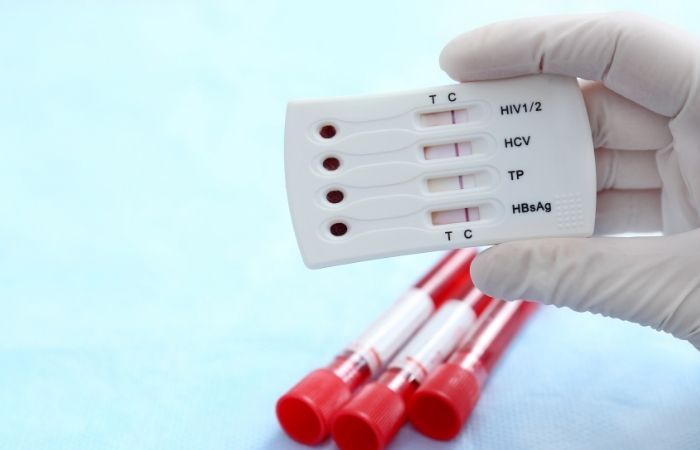
Some people prefer not to go into a clinic and get tested at home instead. There are products like the 6-in-1 At-Home STD Test Kit that can be purchased and can give results.
Knowing your status can clear up any confusion and give you an opportunity to take control.
Why Many People Choose Private At-Home Testing
For those who are not aware, in the past, to get tested for sexually transmitted diseases, one had to make appointments and sometimes discuss certain matters with a person at a front desk.
However, nowadays, many people are looking for discreet services. With discreet testing services, one can take samples from home and get tested discreetly.
Companies such as STD Test Kits are providing tests to help people get tested without any delays or embarrassments.
For those who are recently showing signs or are worried about being infected after possible exposure to such diseases, these services can make things much easier to handle.
FAQs
- 1. How long after having sex will I notice herpes symptoms if I’m a man?
- If you’re a man, it usually takes 2-12 days after having sex for your herpes symptoms to show up. Most first-time herpes sufferers notice symptoms 4-7 days after having sex. However, some people may not notice anything at all.
- 2. Can I notice herpes symptoms the very next day?
- Not usually. The virus has to replicate itself within your nerve cells before you notice symptoms, which takes a few days, not a few hours.
- 3. What are some of the earliest signs of herpes if I’m a man?
- You may notice a tingling or itching feeling in your genital area before blisters show up. These are some of the earliest signs of herpes if you’re a man. They may show up a day or two before blisters form.
- 4. Will I notice blisters if I’m infected by herpes?
- Not necessarily. Some guys have very mild symptoms or don’t notice anything at all. They only discover that they’re infected after a test is conducted.
- 5. How long will a herpes outbreak last?
- If it’s your first time getting herpes, it will last around two to three weeks. However, if you’re a repeat offender, it will last a lot less time and be less severe.
- 6. Can I have herpes for years without ever realizing it?
- Yes. Most people are carriers of herpes without ever realizing it. The virus is simply dormant inside your body and may show up again someday.
- 7. How long after getting herpes should I wait before getting a test?
- If you notice a sore forming, you can get a test right away. However, if you don’t notice a sore forming, you should wait 3-12 weeks after getting herpes before getting a test.
- 8. Can I transmit herpes without ever realizing it?
- Yes. Herpes can transmit from your skin even if you don’t notice a sore forming. So, it can transmit at a time when you least expect it.
- 9. Can I treat herpes?
- While there is no actual cure for herpes, antiviral medication can help reduce your symptoms, shorten your outbreak time, and prevent transmission to your partner.
- 10. Can I use at-home STD test kits to check if I’m infected by herpes?
- Yes. These test kits allow you to check if you’re infected by taking a blood test. They’re a convenient way of finding out your status without having to visit a doctor.
You Deserve Clear Answers, Not Guesswork
The most important thing to remember if you're wondering how long it takes for herpes to show up in a man is that symptoms usually show up within two weeks of exposure, but this can vary a lot from person to person.
Getting the right information and testing when necessary are the most important things. There are private testing options available if you're not sure about a symptom or want to be sure after being exposed.
How We Sourced This Information: This article has been produced in accordance with recommendations from major public health organizations, reference to infectious diseases literature, and peer-reviewed medical literature on herpes incubation periods and modes of transmission. The resources used include the CDC, WHO, Mayo Clinic, and various medical literature on herpes.