How Soon Can Chlamydia Show Up on a Test?
Quick Answer: A test for chlamydia can show positive results as soon as 7 days after exposure, but the best results come at least 14 days later. Why This Timing Confuses So Many People Let’s be real: it’s hard to wait.

Quick Answer: A test for chlamydia can show positive results as soon as 7 days after exposure, but the best results come at least 14 days later. It is often suggested to retest because testing too soon can give false negatives.
Why This Timing Confuses So Many People
Let’s be real: it’s hard to wait. You want answers fast, especially if you're dealing with a hookup regret, a cheating scare, or symptoms that might just be in your head. But chlamydia doesn’t operate on your timeline. It has an incubation period (how long it takes to start replicating in your body) and a window period (how soon a test can detect it). And unfortunately, those don’t always line up.
Many people test too early, get a negative result, and falsely assume they’re in the clear, only to learn weeks later that they’ve had it the whole time. That’s why knowing when accuracy peaks is more important than just testing fast. Testing right is better than testing early.
Understanding Chlamydia’s Incubation and Detection Timeline
Here’s the science, simplified. After exposure, chlamydia bacteria (Chlamydia trachomatis) start replicating in mucous membranes, typically the cervix, urethra, or rectum. This doesn’t happen instantly. It takes time for the infection to reach detectable levels in your system.
The test most commonly used to detect it is called a NAAT (nucleic acid amplification test). It’s highly accurate, but only once enough bacteria are present. Testing too early might miss the infection, even if you’re already contagious.
| Phase | Time Frame | What's Happening? | Can You Test Yet? |
|---|---|---|---|
| Incubation Period | 1–7 days | Chlamydia begins multiplying in your body | No , infection may not be detectable yet |
| Early Detection Window | 7–13 days | Some tests may start detecting infection | Possibly , but retest is advised |
| Optimal Testing Window | 14+ days | Peak accuracy for most NAATs | Yes , highly reliable result |
Figure 1. How chlamydia progresses after exposure and when testing is most effective.
Why Testing Too Soon Can Backfire
Ana, 24, took a chlamydia test three days after a condom broke. It came back negative. Relieved, she moved on, until a month later, when pelvic pain landed her in urgent care. That new test? Positive. And her untreated infection had developed into PID (pelvic inflammatory disease).
Her story’s not rare. The CDC confirms that false negatives are possible if testing occurs before the infection is detectable. That means early testing offers emotional relief, but not clinical certainty. If you're still in the 0–7 day range, it's smarter to plan a follow-up test after day 14.
Bottom line? One test may not be enough, especially if you’re asymptomatic. Chlamydia can take its time to show up, but untreated, it can do real damage.
What About At-Home Chlamydia Tests?
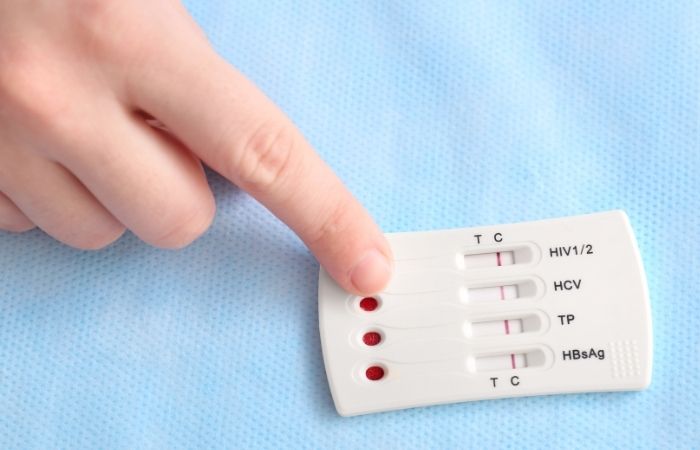
Good news: many at-home chlamydia test kits use the same lab-grade NAAT technology clinics do. The trick is using them at the right time and following instructions carefully. With STD Test Kits, you can test from home in total privacy, but to avoid false reassurance, we recommend testing at least 14 days after your exposure for best accuracy.
If you're anxious now and it's only been a few days, go ahead and test, but make a calendar note to retest if the result is negative. You can order a discreet kit directly here: Order a chlamydia rapid test kit.
Different Exposure Scenarios, Different Testing Logic
Not all exposures are the same. When and how you were exposed matters, and so does whether you have symptoms. Here's how the “when to test” timeline plays out based on different real-world situations.
If you had unprotected sex 1–3 days ago
It’s likely too soon to detect chlamydia. Testing now may not reflect an active infection, even if one is developing. If symptoms start early (burning when peeing, unusual discharge, spotting), seek clinical care, but plan to retest in 10–14 days regardless of that first result.
If it’s been 5–7 days
This is a gray zone. Some tests may catch the infection, but accuracy improves with time. If testing now brings emotional relief, do it, but consider a retest after day 14 to be safe.
If it’s been 14+ days
This is the ideal window. Most infections will be detectable, and your result is highly reliable. Whether you're symptomatic or not, this is when testing makes the most sense.
Decision Tree: When Should You Test for Chlamydia?
Forget medical jargon, here’s your decision tree in human terms.
You had sex and you’re worried.
Start by asking: did anything feel off? Condom break? New partner? Unusual symptoms? Trust your gut. If the exposure was within the past week, testing now is okay, but plan to retest at the two-week mark if your result is negative.
Still no symptoms after 14 days?
That’s a perfect time to test. Chlamydia doesn’t always announce itself with symptoms, especially in women. A lot of cases go completely unnoticed until they cause complications. Testing at this point helps catch it before it causes pelvic pain or fertility problems down the line.
Already tested negative but still anxious?
Then it’s time to consider retesting. A negative result before the 14-day window isn’t the final word. Schedule a follow-up test using an at-home kit or clinic NAAT for full peace of mind.
One Negative Test Doesn’t Mean You’re Clear
Carla, 31, had unprotected sex with a new partner while traveling. She took an at-home test five days later, negative. But she couldn’t shake the discomfort: her discharge changed texture, and she started spotting after sex. By the time she retested at day 16, the infection had set in.
“I thought I was just overthinking. That first test said I was fine. But when the symptoms didn’t go away, I knew something was off.”
Carla’s story highlights a painful truth: you can’t always trust a single early negative. Whether you have symptoms or not, timing matters. And in the case of chlamydia, retesting could be the difference between peace of mind and untreated complications.

Should You Retest After Treatment?
Yes, and here's why. If you've tested positive and completed treatment, current CDC guidelines recommend retesting in about three months. Why? Because chlamydia reinfection is common, especially if your partner wasn’t treated or if you're sexually active again.
But what if you're not sure the treatment worked? If symptoms linger or return, test again at 3–4 weeks post-treatment. Just don’t test too soon. NAAT tests can pick up non-infectious bacterial remnants, leading to false positives. Trust your body, but also trust timing.
Should You Retest After Treatment?
Yes, and here's why. If you've tested positive and completed treatment, current CDC guidelines recommend retesting in about three months. Why? Because chlamydia reinfection is common, especially if your partner wasn’t treated or if you're sexually active again.
But what if you're not sure the treatment worked? If symptoms linger or return, test again at 3–4 weeks post-treatment. Just don’t test too soon. NAAT tests can pick up non-infectious bacterial remnants, leading to false positives. Trust your body, but also trust timing.
This is where a lot of people get tripped up. You finish antibiotics, symptoms fade (or maybe they don’t), and suddenly you’re stuck wondering: “Is this still the infection, or just my anxiety?” Retesting works best when it’s intentional. The goal isn’t to test constantly, but to test at moments when results actually mean something. The table below breaks down the most common post-treatment scenarios and the timing that makes the most clinical sense.
| Situation After Treatment | When to Retest | Why This Timing Matters |
|---|---|---|
| No symptoms, completed antibiotics as prescribed | About 3 months later | This checks for reinfection, which is common even when treatment works the first time. |
| Symptoms never fully went away | 3–4 weeks after treatment | Testing earlier may detect leftover bacterial DNA, not an active infection. |
| Symptoms returned after initially improving | At least 4 weeks after treatment | Helps distinguish reinfection from lingering irritation or inflammation. |
| Partner was not treated or treatment status is unclear | 4 weeks after last sexual contact | Reduces the risk of missing a reinfection caused by ongoing exposure. |
| New sexual partner after treatment | 14 days after new exposure | Applies the standard window period to the new risk, not the original infection. |
Table. Recommended retesting timelines after chlamydia treatment, based on symptoms, partner treatment status, and reinfection risk.
Your Next Steps: Calm, Clear, and Confidential
If you're still thinking about "what ifs," remember that testing is not a confession. It's a way to take care of yourself. It doesn't matter if your symptoms are real or just caused by anxiety; your peace of mind is important. And it's easier than ever to understand.
Get a discreet, FDA-approved kit from STD Test Kits. You will get everything you need to test at home, with clear instructions, quick shipping, and no judgment.
Don't wait and wonder; get the answers you need. You can get quick, private results with this chlamydia test kit that you use at home.
Privacy, Shipping, and Support That Doesn’t Judge
Let’s be honest, testing for an STD is emotionally loaded. Fear of judgment keeps too many people from getting the answers they need. That’s why discreet at-home testing matters. With STD Test Kits, your order arrives in plain packaging, with no visible labels. No one has to know what’s inside except you.
Most kits ship out within 24 hours, and many arrive in 2–3 business days depending on your location. If you live in a rural area or don’t want to use your regular mailbox, you can send it to a PO box or parcel locker. Instructions are straightforward, and you don’t need any special tools or apps, just privacy and 20 minutes of your time.
If you’re navigating a difficult situation, post-assault, abusive partner, or extreme anxiety, these kits give you control without requiring you to explain yourself to anyone. It’s your body, your result, your power.
What If You Test Positive for Chlamydia?
Breathe. A positive result doesn’t mean you’re dirty, reckless, or doomed. It means your test worked, and now you can get treated. Chlamydia is one of the most easily treated STDs with oral antibiotics like azithromycin or doxycycline. You can get treatment through a local clinic or a telehealth provider, often without needing an in-person visit.
Next, think about partners. If you had sex in the last 60 days, they need to know. That’s not just about doing the right thing, it’s about preventing reinfection. You can tell them directly, or use anonymous partner notification tools offered by many health departments and services like TellYourPartner.org.
If you’re panicking in the car after reading your result, we get it. That moment feels like a movie freeze frame. But it passes. Most people move through treatment and are fully cleared in under two weeks. Your life isn’t over. It’s just time to take a step, and you already did the hardest part by testing.
FAQs
- 1. Can chlamydia show up on a test after just 3 days?
- Technically, yes, but don’t bet your peace of mind on it. If you test within 72 hours of exposure, there might not be enough bacteria for even the best test to catch. Some early results are accurate, especially if symptoms have kicked in. But if you get a negative that early, you’ll need a retest around day 14 to be sure. Think of that first test as a snapshot, not the full story.
- 2. What’s the soonest you can really trust a chlamydia test?
- The sweet spot is around 14 days post-exposure. That’s when most lab-grade tests like NAATs are firing on all cylinders. If you’re sitting in that awkward limbo phase, days 5 to 13, a test might detect it, but don’t hang your hat on a negative. Better to double-check later than risk letting an infection simmer silently.
- 3. Can I spread chlamydia before it shows up on a test?
- Unfortunately, yes. Chlamydia can be contagious even when you feel totally fine and test negative. That’s why we always say: timing matters, but protection matters more. If you’ve recently had unprotected sex, it’s smart to pause new encounters until you've cleared your window and your test says you're good.
- 4. Do I need symptoms to get tested?
- Nope. In fact, most people who have chlamydia, especially women, don’t feel a thing. No burning, no discharge, no obvious red flags. That’s what makes it so sneaky. If you're wondering whether to test, that’s reason enough. You don’t need a symptom checklist to care about your health.
- 5. Does chlamydia always cause symptoms in women?
- Not even close. In women, chlamydia is notorious for staying quiet. When symptoms do show up, they’re often subtle: a little spotting after sex, some pelvic discomfort, maybe a weird discharge. But many cases don’t show anything at all, until complications like PID pop up months later. That’s why regular testing is way more reliable than waiting for your body to “tell you.”
- 6. Can I test for chlamydia during my period?
- Absolutely. It might feel awkward, but it won’t mess with most tests, especially urine-based ones. If you're using a vaginal swab and your flow is heavy, it might be worth waiting a day or two. But don’t let your cycle delay your care. Timing is everything, and sometimes testing mid-period is better than waiting weeks.
- 7. Can I get a false positive for chlamydia?
- It’s rare, but not impossible. The tests used today, especially NAATs, are highly accurate. That said, errors can happen in any system. If your result surprises you (say, you haven’t had sex in months), you can always confirm with a second test. But in most cases, a positive means you’ve got it, and it’s time to treat.
- 8. How often should I test if I’m sexually active?
- Great question. If you’re with one monogamous partner and you’ve both been tested, you might only need a check-up once a year. But if you’ve got new partners, no condoms, or just want peace of mind, every 3–6 months is a solid rhythm. Trust isn’t a testing strategy, information is.
- 9. Do I need to fast before a chlamydia test?
- Nope. This isn’t a cholesterol panel. You can eat, drink, and live your life. Just make sure to follow the instructions on your test, some urine tests work best if you haven’t peed for at least an hour beforehand.
- 10. Will I need a pelvic exam to get tested?
- Only if you want one. Most chlamydia tests these days use a simple vaginal swab or a urine sample. No stirrups, no speculums. At-home tests let you collect your sample privately, and many clinics do the same. Pelvic exams are still useful in some cases, but they’re not required just to screen for chlamydia.
You Deserve Answers, Not Assumptions
Here’s the truth: testing for chlamydia isn’t about judgment, it’s about protecting your health and your future. Whether you had a scare, a slip, or just want to be sure, you’re doing the right thing. The wait to test might feel long, but the peace of mind is worth it.
You don’t need to explain yourself to anyone. You don’t need permission to take care of your body. If you’re wondering whether now is the right time to test, go ahead, just know that retesting later might still be part of the plan.