Lenacapavir: The New HIV Prevention Shot That Only Needs Two Doses a Year
Quick Answer: The CDC added lenacapavir, an injectable drug that you take twice a year, to its official list of PrEP drugs in 2025. at 2AM, this article is for you.
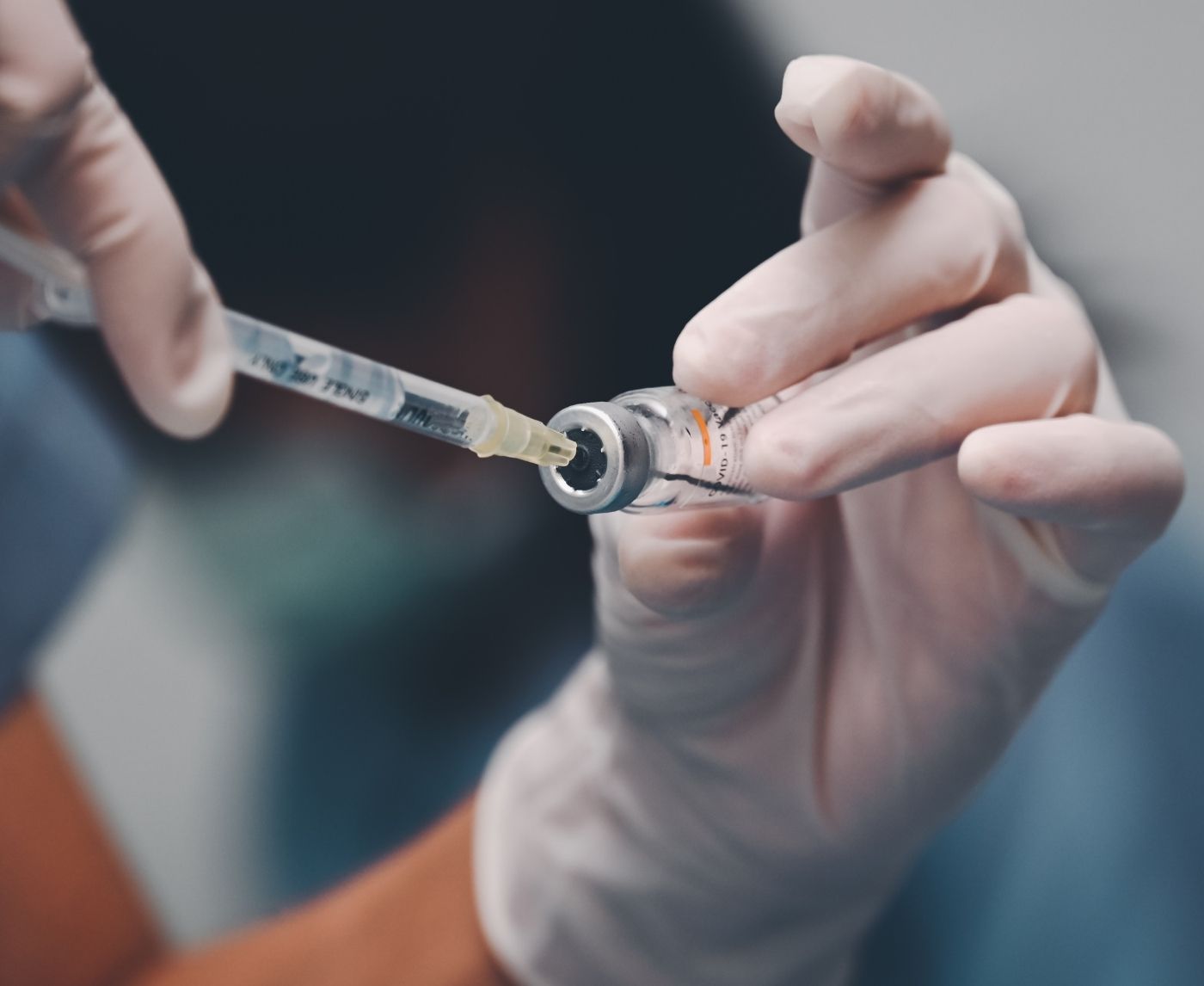
Quick Answer: The CDC added lenacapavir, an injectable drug that you take twice a year, to its official list of PrEP drugs in 2025. This low-maintenance option could change the game for people who have trouble taking pills every day or getting injections every other month. It has to be prescribed and given in a clinical setting, but it works best when you also get tested for HIV regularly, including with at-home kits, to make sure you're negative before starting and staying protected between doses.
Who This Guide Is For (And Why It Matters)
Whether you’re already on PrEP, thinking about it for the first time, or just Googling “HIV symptoms or anxiety?” at 2AM, this article is for you. It’s especially for people who don’t see themselves in sterile clinic brochures, people navigating hookups, relationships, long-distance love, or simply trying to take care of themselves without judgment. Maybe you’re queer, poly, recently off birth control, or you’ve just come back from a music festival where everything felt fuzzy. You’re not alone. The new injectable PrEP expands choices, but HIV prevention still starts with clarity, and that often means testing.
In the pages ahead, we’ll break down what counts as a test, how long you should wait after exposure, which types of testing exist (including at-home options), and how these decisions intersect with things like privacy, shipping, retesting, and partner care. If you’re weighing options or worried about stigma, know this: prevention is protection, not confession. And with the addition of lenacapavir, the toolbox just got bigger.

What Actually Counts as an STD or HIV Test?
When people think “STD test,” they often imagine peeing in a cup or getting blood drawn at a clinic. But in 2025, testing comes in many forms, some fast, some discreet, some nearly instant. For HIV, there are three main approaches: antigen/antibody blood tests (lab or rapid), nucleic acid tests (NAAT), and at-home self-tests that offer results within minutes.
The gold standard in HIV detection remains the lab-based fourth-generation antigen/antibody test, often performed in clinics or mail-in services. But FDA-approved at-home options now include fingerstick rapid tests and collection kits you mail back for lab processing. Each option varies in sensitivity and speed. And new prevention methods, like the injectable PrEP options lenacapavir and cabotegravir, require confirmation that you’re HIV-negative before the first dose. That makes access to testing more crucial than ever.
Window Periods: When to Test for Each STD (Including HIV)
It’s one thing to get tested, it’s another to get tested at the right time. The window period is the time between when you were exposed to an infection and when it can reliably show up on a test. Testing too early may result in a false negative, especially for HIV. According to the CDC, most antigen/antibody HIV tests detect infection by 18 to 45 days post-exposure, while NAAT tests can do so even sooner, around 10 to 33 days. But rapid tests taken too soon may miss early infections.
That’s why even with the availability of long-acting injectable PrEP like lenacapavir, regular testing remains a key safety net. Here’s how window periods compare across the most common STDs, including the latest data from CDC guidance and public health reviews.
| STD | Common Test Type | Sample | Window Period | Optimal Testing Time |
|---|---|---|---|---|
| HIV | Ag/Ab Combo or NAAT | Blood or Oral Fluid | 10–45 days | 3–6 weeks |
| Chlamydia | NAAT | Urine or Swab | 7–14 days | 2 weeks |
| Gonorrhea | NAAT | Urine or Swab | 7–14 days | 2 weeks |
| Syphilis | Antibody (RPR, treponemal) | Blood | 3–6 weeks | 6–12 weeks |
| Trichomoniasis | NAAT or Antigen | Swab or Urine | 5–28 days | 2–4 weeks |
Figure 1. Typical window periods and ideal retest timing for major STDs, including HIV. Source: CDC and NIH guideline data, 2024–2025 updates.
Need more information on testing windows? Check out this comprehensive article.
Rapid Test vs Lab Test: Privacy, Accuracy, and Peace of Mind
Let’s say you had a condom break on a trip. You’re still traveling, you’re anxious, and you don’t want to wait weeks for answers. A clinic isn’t an option. Do you grab a rapid test? Mail in a sample? Wait until you're home? These are real-world decisions that go beyond science, they’re about control, privacy, and mental space.
FDA-approved OraQuick and other at-home rapid HIV tests can give you results in about 20 minutes with a fingerstick or oral swab. They are easy to use, private, and legal, but they may not be as accurate right after exposure. Mail-in lab kits, on the other hand, take your sample (blood or oral fluid) and send it to a certified lab, where it is processed using the same methods that clinics use. This makes them very sensitive, especially for recent exposures.
Here’s how these options stack up when you're navigating your own timeline, symptoms, or just trying to breathe easier after a risky encounter:
| Method | Privacy | Speed | Accuracy | Best For |
|---|---|---|---|---|
| At-Home Rapid Test | Very High | 20 minutes | Moderate–High (lower in early window) | Immediate peace of mind |
| Mail-In Lab Kit | High | 2–4 business days | High (NAAT or 4th-gen Ag/Ab) | Recent or uncertain exposures |
| Clinic Test | Moderate | Same day to 1 week | Very High | Persistent symptoms or confirmatory testing |
Figure 2. Comparing common HIV and STD testing methods for privacy, speed, and sensitivity. Timing matters, especially before starting PrEP injections like lenacapavir.
When Should You Test After Exposure?
Say you had sex last night and something felt off. No condom. Or maybe a sore showed up three days later. The anxiety is real, and so is the temptation to test right away. But HIV and other STDs don’t show up instantly on tests, even when symptoms appear early. That’s where understanding timing can prevent false reassurance.
If it’s been less than five days, most tests won’t detect an infection yet. Early symptoms (fever, fatigue, body aches) could be from anything, including anxiety. If you’re panicking, an at-home rapid HIV test might help you breathe, but it won’t be conclusive. For HIV NAAT testing, wait at least 10 days. For Ag/Ab testing, aim for 3–4 weeks. And even then, consider a follow-up test later.
Here’s how it plays out: someone gets exposed, panics, takes a test on day 4, negative. Two weeks later, they're still fatigued and finally take a lab test. This one comes back positive. That’s not user error. That’s the window period in action. And it’s why regular, well-timed testing is a cornerstone of any prevention plan, whether or not you’re using PrEP.
If you’re unsure when or how to test, check out our STD Risk Checker Quiz. It helps you assess next steps based on exposure type, timing, and symptoms.
Retesting After a Negative Result (Or Starting PrEP)
Here’s where things get tricky: a negative result doesn’t always mean you’re in the clear. If you’re exposed during the window period, or still at risk due to ongoing exposure or symptoms, you may need to retest. This is especially critical if you’re planning to start injectable PrEP like lenacapavir or cabotegravir, since those medications are only safe to initiate if you’re confirmed HIV-negative.
Most providers recommend a follow-up HIV test 30–45 days after potential exposure if your first test was negative but early. That’s when accuracy peaks. Some people retest at 12 weeks for full confidence, especially if they’re immunocompromised or pregnant. Others retest before switching PrEP methods, like moving from daily oral pills to lenacapavir, which only requires two visits a year but depends on certainty about your HIV status.
If your exposure was ongoing or repeated (think: new partner, shared toys, group sex, or recent STI), testing at regular intervals, every three to six months, is wise. Pairing this with PrEP, condoms, or both, gives you the strongest defense.
Privacy, Shipping, and Support, Without the Awkward Clinic Visit
One of the biggest shifts in sexual health today isn’t just new medications like lenacapavir, it’s how we access care. For many, the idea of walking into a clinic, answering questions from behind a plexiglass divider, or waiting days for a callback is enough to delay testing altogether. That’s where discreet, home-based options can make all the difference.
Home tests for both HIV and STD infections come in unmarked packaging with nothing on the outside to indicate what's inside. This includes straightforward instructions, convenient sample types (urine, swab, finger stick), and prepaid postage back for mailing the results, if required by the lab conducting the tests. Follow-up care with a live consultation may be available with some kits, especially those for HIV and Syphilis infections.
Shipping timelines matter too, especially when anxiety is high. Most kits from STD Test Kits arrive within 2–3 business days, and many can be ordered with express shipping. Whether you’re traveling, living in a conservative area, or just don’t want the hassle of paperwork, private testing puts control back in your hands.
What If You Test Positive?
Let’s pause the panic: testing positive doesn’t mean you’re dirty, doomed, or untouchable. It means you have information, and information is power. The reality is, most STDs are curable, and HIV is highly treatable with daily medication. If your test comes back positive for HIV, your first step is to get confirmatory testing through a clinic or provider who can run a lab-grade test like NAAT or a follow-up antigen/antibody test.
If confirmed, you’ll begin antiretroviral therapy (ART), which can reduce your viral load to undetectable levels. That means you can live a full life, have sex without passing HIV, and even consider PrEP for your partners. If you test positive for something else, like chlamydia or gonorrhea, you’ll likely be given a one-time antibiotic or short course of treatment.
Here’s a real-world example: after a weekend hookup, Alex (24, nonbinary) took a combo test at home. When the syphilis result came back positive, they froze. “I didn’t know what to do. I hadn’t told my partner I even tested.” They messaged a community clinic, got treatment the same week, and texted their partner using a free anonymous notification tool. “It sucked, but now I know. And I’d do it again.”
Starting PrEP after an STI is common, but only once you’re cleared of active infection. Lenacapavir and other injectables require a confirmed negative HIV test before each dose. That means testing isn't a one-time deal. It’s part of staying in control, even when things go sideways.
FAQs
- 1. Do I still need to get tested if I’m starting lenacapavir?
- Yes, and here’s why it matters. Lenacapavir only works if you’re HIV-negative when you start it. It doesn’t treat HIV; it prevents it. That means you’ll need a confirmed negative test right before your first injection. Many people use at-home kits as a first step, then follow up with a clinic test to be safe. Think of it like double-checking your parachute before the jump.
- 2. What happens if I miss a dose of lenacapavir?
- Life happens, missed appointments, forgotten reminders, sudden moves. If you miss your six-month shot, you might lose protection. Reach out to your provider ASAP, and in the meantime, consider layering other options like condoms or oral PrEP to stay covered. You’re not starting from scratch, but timing does matter.
- 3. Can I switch from daily PrEP pills to this shot?
- Totally. A lot of people are making that move, especially if remembering a daily pill feels like a chore. You’ll need to test negative first, then work with your provider on when and how to transition. Some folks stay on pills until their first injection kicks in. You’ve got options.
- 4. How soon after exposure can I test for HIV?
- If you’re freaking out after a hookup, you're not alone. The earliest reliable HIV tests (like NAAT) detect infection around 10 days post-exposure, but most people get clearer results after 3–4 weeks. If you test too soon, retest later. False negatives early on are a thing, and it’s not your fault.
- 5. Does lenacapavir protect against other STDs?
- Nope, just HIV. It’s amazing at what it does, but it doesn’t block infections like chlamydia, gonorrhea, or syphilis. That’s why testing regularly and using condoms when possible still matters. PrEP is a tool, not a full-body shield.
- 6. Is this something teenagers can use?
- Yes, in many cases. Lenacapavir is approved for anyone over 35 kg (about 77 pounds), including teens. If you're sexually active or thinking about PrEP, talk to a provider who won’t judge. You deserve care that fits your life, not your birthdate.
- 7. What if I’m pregnant or trying to get pregnant?
- There’s limited data on lenacapavir during pregnancy, but talk to your provider. Many people stay on daily PrEP pills safely while pregnant. What matters is that you’re thinking ahead and protecting yourself, and that’s powerful.
- 8. Will insurance cover it?
- Probably so, although some may already be covered by your insurance plan, and some may only be available with assistance programs if your insurance plan is unable to cover your costs due to lack of adequate financing support offered by the insurance organization in order for your treatment to be fully covered.
- 9. Can I test myself at home before each injection?
- You can absolutely use an at-home HIV test as a first check. But to get your next shot, you’ll still need a provider to confirm your status. At-home kits are great for peace of mind between doses or if you’ve had new partners.
- 10. What if I’m scared to ask my doctor about PrEP?
- Take a deep breath, you’re definitely not alone here, and lots of people can be really GN about bringing it up, especially in a small town setting or conservative circles. But PrEP is healthcare, it’s not a confessional booth, and you deserve better than doctors who don’t understand this difference.
You Deserve Answers, Not Assumptions
Here’s the truth: there’s no one-size-fits-all way to prevent HIV or take care of your sexual health. But the addition of lenacapavir to the CDC’s PrEP guidance means we now have one more powerful tool. If you’ve ever struggled with pill fatigue, missed refills, or clinic burnout, this twice-yearly shot might be the quiet revolution you’ve been waiting for.
Whether you’re preparing to start PrEP, just had a risky encounter, or want to be sure before a new relationship, at-home combo testing puts the power in your hands. Confidential. Fast. Real answers, on your terms.
How We Sourced This Article: We combined current guidance from leading medical organizations with peer-reviewed research and lived-experience reporting to make this guide practical, compassionate, and accurate. In total, around fifteen references informed the writing; below, we’ve highlighted six of the most relevant and reader-friendly sources. Every external link in this article was checked to ensure it leads to a reputable destination and opens in a new tab, so you can verify claims without losing your place.
- WHO recommends injectable lenacapavir for HIV prevention
- Breakthrough Lenacapavir Trial Builds on Decades of NIH Investment
- Yeztugo® (Lenacapavir) Is Now the First and Only FDA‑Approved HIV Prevention Option Offering 6 Months of Protection
- Twice‑Yearly Lenacapavir for HIV Prevention in Men and Gender‑Diverse Individuals
- Clinical Recommendation for the Use of Injectable Lenacapavir for HIV Pre‑Exposure Prophylaxis