Shower Sex, Hot Tubs, and STD Risk: What No One Warns You About
Quick Answer: Yes, you can get an STD from having sex in water, such as a hot tub, pool, ocean, or shower. Skin-to-skin contact can spread herpes and HPV, even if you don't have any symptoms. questionable.
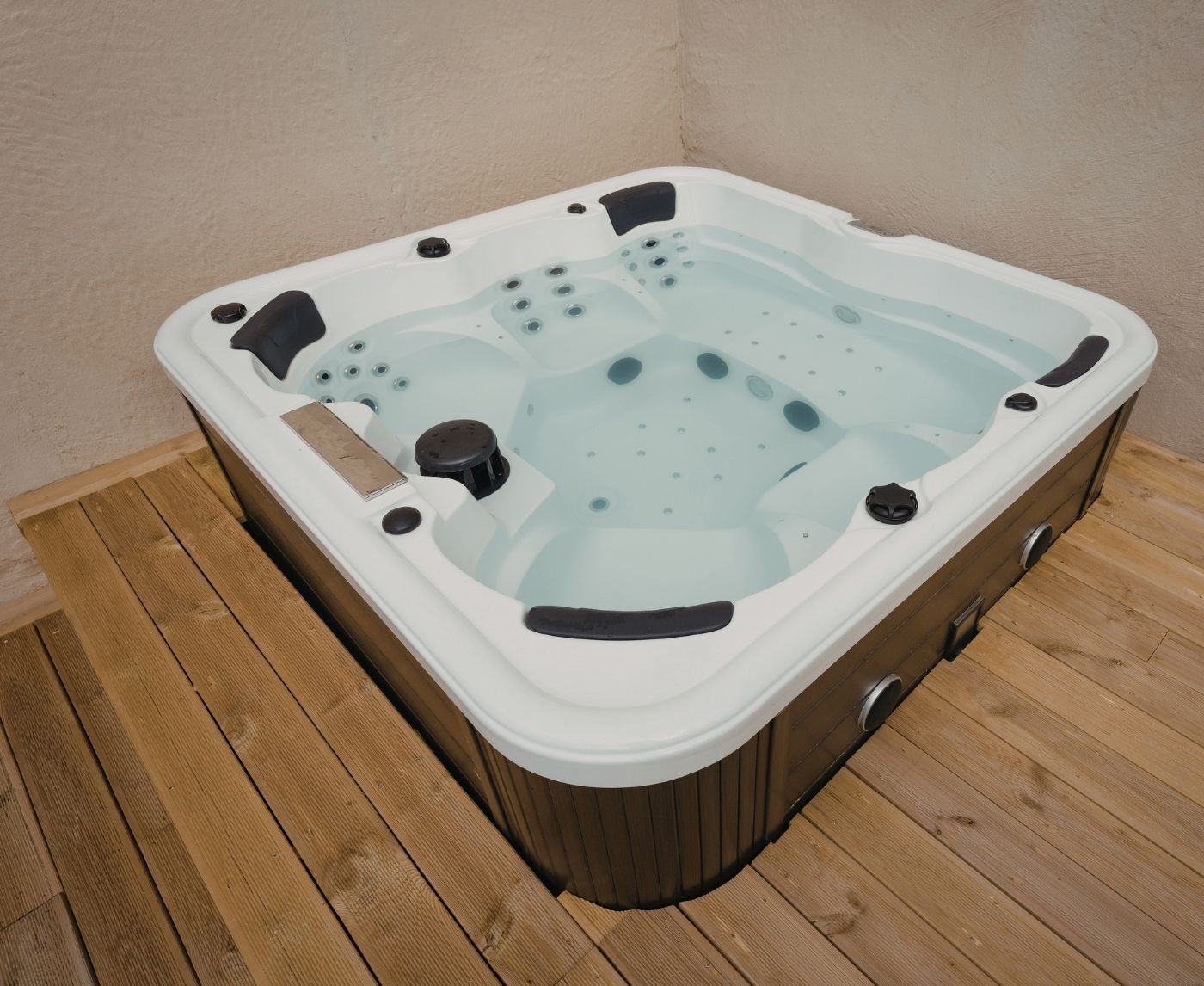
Quick Answer: Yes, you can get an STD from having sex in water, such as a hot tub, pool, ocean, or shower. Skin-to-skin contact can spread herpes and HPV, even if you don't have any symptoms. Unprotected genital contact can spread these diseases too.
This Article Is for You If You’re Still Asking “But Was It Real Sex?”
Maybe you’re spiraling at 3AM with a vague rash and no clue if it’s chlorine burn or something worse. Maybe you’re a queer person who was told “only straight sex spreads STDs.” Or maybe you had condomless oral in the pool and now you can’t stop Googling “can you get chlamydia from shower sex.”
This guide is for anyone who’s anxious after a steamy, slippery encounter that felt low-risk but now feels...questionable. It’s for the ones who thought “just rubbing” or “just oral” didn’t count. For folks who felt safe because they didn’t finish inside. And for everyone who’s ever assumed that water somehow cancels out STI risk.
We’re going to walk through what really happens during water sex, biologically, emotionally, and risk-wise. You’ll get the facts on what infections can spread, what symptoms might show up, and how to test discreetly if you're not ready to go to a clinic. This isn’t a scare piece. It’s a truth piece, because you deserve clarity, not shame.

Let’s Get One Thing Straight: Water Doesn’t Kill STDs
There’s a persistent myth that water, especially in hot tubs or chlorinated pools, somehow “cleans” sex as it’s happening. This is false. In fact, sex in water can make STI transmission easier in certain ways:
| Myth | Reality |
|---|---|
| Chlorine kills all bacteria and viruses instantly | Chlorine doesn’t act fast enough to neutralize STDs during sexual contact |
| Water washes away bodily fluids | Fluids can still exchange; even without ejaculation, STDs like gonorrhea or chlamydia can spread |
| There’s no “real” penetration, so it’s safe | Skin-to-skin infections like herpes or HPV don’t need penetration, just contact |
| Ocean or salt water kills everything | Saltwater doesn’t neutralize viruses or bacteria fast enough to matter during sex |
In other words: The water isn’t a barrier. It’s a background. The real transmission routes, skin contact, mucous membrane exposure, microtears, and fluids, still apply.
“It Was Just Shower Sex. Then I Got Herpes.”
Maya, 25, hooked up with a coworker during a destination wedding weekend. “We didn’t use a condom,” she said, “but I didn’t think we needed to. It wasn’t even real sex. He didn’t go all the way in, it was mostly just rubbing in the shower. I thought I was being safe.”
Three weeks later, she noticed painful sores near her vulva. A week after that, she got her diagnosis: herpes simplex virus type 2 (HSV-2). “I cried in the clinic parking lot,” she said. “I kept thinking: how did I get this if we didn’t even have ‘real sex’?”
“No one warned me that herpes could be spread through skin. I thought I was safe because I didn’t feel anything weird at the time.”
Maya’s story is painfully common. Herpes is especially deceptive, it spreads even without visible outbreaks, and it doesn’t need deep penetration to jump from one person to another. Add water to the mix, and people often drop their guard.
Condoms + Water = A Slippery Situation
If you’ve ever tried using a condom in the shower or hot tub, you probably noticed something: it’s slippery, but not in a good way. Water, especially hot water, can weaken latex. Oils (from bath products, massage oils, etc.) can destroy condoms altogether. And friction from water sex can cause slippage, breakage, or microtears that go unnoticed until it’s too late.
That means even if you used a condom during water sex, your protection might not have been as solid as you thought. It’s not your fault, it’s a common setup for condom failure, especially in high-heat or high-friction environments.
That’s why if a condom slipped off, broke, or you skipped it entirely because “it’s just shower sex,” testing is still the smart move.
Which STDs Spread Easily During Water Sex?
Here’s the harsh truth: nearly all common STDs can be transmitted during sex in water. The risk isn’t in the water, it’s in the contact. If genitals, mouths, or skin are touching, there’s risk. And for infections like herpes, HPV, or syphilis, skin contact is all it takes.
Some STDs require fluid exchange. Others don’t. Some leave visible symptoms. Others don’t. And some, like gonorrhea or chlamydia, can infect the throat, rectum, or genitals without you feeling a thing.
| STD | Transmission Risk in Water Sex | Why It Happens |
|---|---|---|
| Herpes (HSV-1/HSV-2) | Very High | Spreads via skin contact, even without symptoms |
| HPV (Human Papillomavirus) | High | Transmits through skin-to-skin contact; often invisible |
| Syphilis | Moderate–High | Skin contact with sores or mucous membranes transmits it |
| Chlamydia | Moderate | Spread through fluid contact, even pre-ejaculate |
| Gonorrhea | Moderate | Transmits via mucous membranes, vaginal, anal, oral |
| HIV | Low | Only through blood, semen, vaginal fluid, not skin contact |
| Trichomoniasis | Moderate | Passed through genital contact, can survive in moist areas |
Still think it was “low-risk” because it was in a pool? Hot tubs are especially tricky, warmth + friction + shared surfaces = a microbial party. Add in the fact that most people don’t use protection in water, and the risk becomes much less theoretical.
When Water Feels Good, But Leads to Symptoms Later
You might feel fine immediately after. But here’s the kicker: many STDs have an incubation period, the time between exposure and symptoms. Some take days. Some take weeks. And some, like HPV or herpes, may show up months later, or not at all.
That means you could be carrying something without knowing. Or blaming symptoms on something else, like a UTI, razor burn, or irritation from bath products.
Here’s what people often mistake for “nothing serious” after water sex:
- Itchy vulva or anus: Often chalked up to chlorine irritation
- Small bumps or cuts: Confused with shaving mishaps
- Burning during urination: Assumed to be dehydration or soap
- Redness or discharge: Brushed off as yeast infection
We get it, these symptoms can be subtle or seem explainable. But if you’re not sure, the safest move is testing. STD Test Kits lets you test discreetly, at home, without judgment.
"I Thought It Was a Yeast Infection. It Was Trich."
Jayden, 22, had poolside sex with his long-distance crush while on vacation. “It was spontaneous,” he said. “We didn’t use protection. It felt safe because we were in the water.”
Three days later, he noticed an odd smell and discharge. “I thought it was a yeast infection,” he said. “I Googled it and bought over-the-counter meds. Nothing changed.”
Weeks later, he finally tested and got his result: trichomoniasis.
“I didn’t even know guys could get trich. I had no idea it could come from something that quick.”
Jayden’s story is common. Trich can be passed even without ejaculation. And water doesn’t dilute the risk. It’s not about how “serious” the encounter felt, it’s about what actually happened at the cellular level.
Testing Timelines After Shower or Pool Sex
If your encounter happened recently, timing your test correctly matters. Too early, and results may come back negative even if you’re infected. Too late, and you may have unknowingly exposed someone else.
Here’s a quick reference:
| Infection | Earliest Testing Time | Best Time for Accuracy |
|---|---|---|
| Chlamydia | 5–7 days | 14 days+ |
| Gonorrhea | 5–7 days | 14 days+ |
| Trichomoniasis | 5 days | 7–14 days |
| Herpes (HSV-2) | 10–12 days (if sores appear) | 12+ weeks (blood test) |
| Syphilis | 3–6 weeks | 6–12 weeks |
| HPV | N/A (no reliable early test for all types) | See a provider if warts appear or for routine screening |
If it’s been under a week since your encounter, it might be too soon to test, but planning one now for 14 days out gives you clarity and peace of mind.
Need to talk to a partner before then? Our upcoming section will help with that.
So You Had Water Sex. Now You Have to Tell Someone?
This is the part no one talks about. Maybe it was casual. Maybe it was someone you care about. Maybe it’s someone you haven’t spoken to since. But if you’re thinking, “Do I need to tell them I might have something?”, that question alone means you deserve support, not shame.
You don’t have to do it perfectly. You just have to be honest. You can say:
“Hey, I just wanted to give you a heads up. I’m getting tested because I had some symptoms after we hooked up. It could be nothing, but I think it’s right to let you know.”
Or even simpler:
“I’m getting tested this week after our shower hookup, just to be safe. I’ll let you know what comes back.”
This isn’t about blame. It’s about respect, for your body, for theirs, for your peace of mind. If it feels too scary to say out loud, there are anonymous partner notification tools offered through some public health departments and digital services. The CDC has a great list of partner notification options you can explore discreetly.
Protecting someone else doesn’t erase your own fear. But it gives your fear a direction. And that changes everything.

What If You Test Positive?
Take a deep breath. Testing positive for an STD isn’t the end of your story. It’s just the start of a new chapter, one with more knowledge, more control, and yes, more resilience than you probably feel right now.
Most STDs are treatable. Even the ones that aren’t curable, like herpes or some strains of HPV, can be managed with support, medication, and smarter prevention in the future.
Let’s play this out. You take an at-home test. You get a positive result for chlamydia. Here’s what comes next:
- You confirm it with a follow-up if needed (clinic or telehealth)
- You get treatment, usually a simple antibiotic course
- You notify past partners if advised
- You avoid sexual contact for a short time while healing
- You retest after treatment to ensure it’s cleared
If the result is for herpes or HPV, the next steps might include lab-based confirmation and discussions with a provider about symptom management and disclosure moving forward.
Remember: one result doesn’t define your worth, your cleanliness, or your future. It just gives you information. And with that, you get power.
“I Got the Text That Said ‘I Tested Positive’”
Rey, 30, had sex with a vacation hookup in a hot tub. Two weeks later, he got a text from the guy: “I just tested positive for gonorrhea. I’m telling you because I wish someone had told me.”
“My stomach dropped,” Rey said. “But I appreciated the honesty. And honestly, it helped me get out of denial. I’d been feeling off, but I kept telling myself it was just irritation from chlorine.”
Rey got tested that day, tested positive, got treated, and was back to normal within a week. But the emotional impact stayed with him longer. “It wasn’t about the infection,” he said. “It was that I had ignored what my body was trying to tell me.”
“Now I keep a combo test at home. If something happens, even a little thing, I check in with myself. I don’t wait anymore.”
You don’t have to wait either. Whether it’s a rash, a weird tingle, or just a gut feeling, get tested. This discreet combo kit can give you results in minutes, no clinic required.
FAQs
- 1. Can you really get an STD from shower sex?
- Yep. Water doesn’t block transmission. If skin touches skin, especially moist, warm, friction-heavy skin, STDs like herpes, HPV, and even syphilis can spread, no penetration needed. Think of it like this: water might rinse off sweat, but it doesn’t rinse off risk.
- 2. But we didn’t even go all the way, does that still count?
- It does. A lot of STDs don’t require “full” sex to spread. Just rubbing genitals together, oral in the shower, or even shared toys can do the trick. Herpes and HPV in particular are notorious for slipping in under the “we didn’t really have sex” radar.
- 3. Does pool chlorine kill STDs?
- We wish. While chlorine can kill some bacteria over time, it doesn’t act fast enough during a hookup. Plus, the kind of contact that spreads STDs is skin-to-skin or fluid-to-membrane, chlorine doesn’t block that. You’re not having sex with the water, you’re having sex with a person.
- 4. What if the condom broke, or slipped off, and I didn’t notice until later?
- Water sex is notorious for this. Between heat, friction, and the false sense of security, condoms break or slide off all the time in showers and hot tubs. If that happened, testing around day 7–14 is smart. You can retest later if needed. No judgment, just clarity.
- 5. I got a rash a few days later. Could that be an STD?
- Possibly. Or it could be chlorine irritation, razor burn, or even a yeast imbalance. But if it’s new, weird, or not going away, it’s worth checking out. Herpes, syphilis, and trich can all start with symptoms people dismiss as “probably nothing.”
- 6. My partner swears they’re clean, should I still worry?
- We want to believe our partners. But the reality is: most people with STDs don’t know they have them. Many are asymptomatic. Testing is less about trust and more about truth. You can love someone and still double-check. That’s not shady, it’s smart.
- 7. Do I need to tell them I’m getting tested?
- That’s up to you. If it was a one-time thing and you’re not sure how to reach them, test for yourself. If it’s someone you care about or still talk to, honesty helps. A simple “Hey, I’m testing just to be safe after last weekend” goes a long way. You’re not accusing them, you’re protecting both of you.
- 8. How long should I wait before testing?
- Depends on the infection. Chlamydia, gonorrhea, and trich usually show up in tests by day 7–14. Herpes or syphilis might take longer, especially in blood tests. If you test early and it’s negative but you’re still unsure, plan a retest around the 4–6 week mark.
- 9. What’s the most common mistake after water sex?
- Assuming it “didn’t count” because there wasn’t deep penetration or ejaculation. But infections don’t care about your definition of sex. If there was skin contact or mouth contact, it counts. Also, waiting too long to test out of fear or embarrassment can make things worse. Testing = power.
- 10. How do I test without going to a clinic?
- You can order a discreet at-home kit online, it ships in plain packaging and lets you test on your terms. Something like a Combo STD Home Test gives you answers for the most common STDs without needing an appointment, lab coat, or awkward small talk.
You Deserve Answers, Not Assumptions
Shower sex. Pool sex. Hot tub hookups. They all seem spontaneous, exciting, and safer than they actually are. But now you know the truth: water doesn’t protect you from STDs. Skin-to-skin contact still matters. Fluids still transmit. And a lack of symptoms doesn’t mean a lack of infection.
Testing isn’t a confession, it’s an act of care. For yourself, for your partner, for your future. Whether you’re worried about herpes, trich, HPV, or a condom slip during water sex, you have options that don’t involve awkward clinics or shame-based conversations.
How We Sourced This Article: We combined current guidance from leading medical organizations with peer-reviewed research and lived-experience reporting to make this guide practical, compassionate, and accurate. In total, around fifteen references informed the writing; below, we’ve highlighted six of the most relevant and reader-friendly sources. Every external link in this article was checked to ensure it leads to a reputable destination and opens in a new tab, so you can verify claims without losing your place.