STD Rash or Just Dry Skin How to Tell the Difference
Quick Answer: STD rashes often mimic dry skin, eczema, or irritation, especially herpes, syphilis, and HPV. If the rash persists, spreads, or follows sex, testing is the only way to know for sure. A red patch.
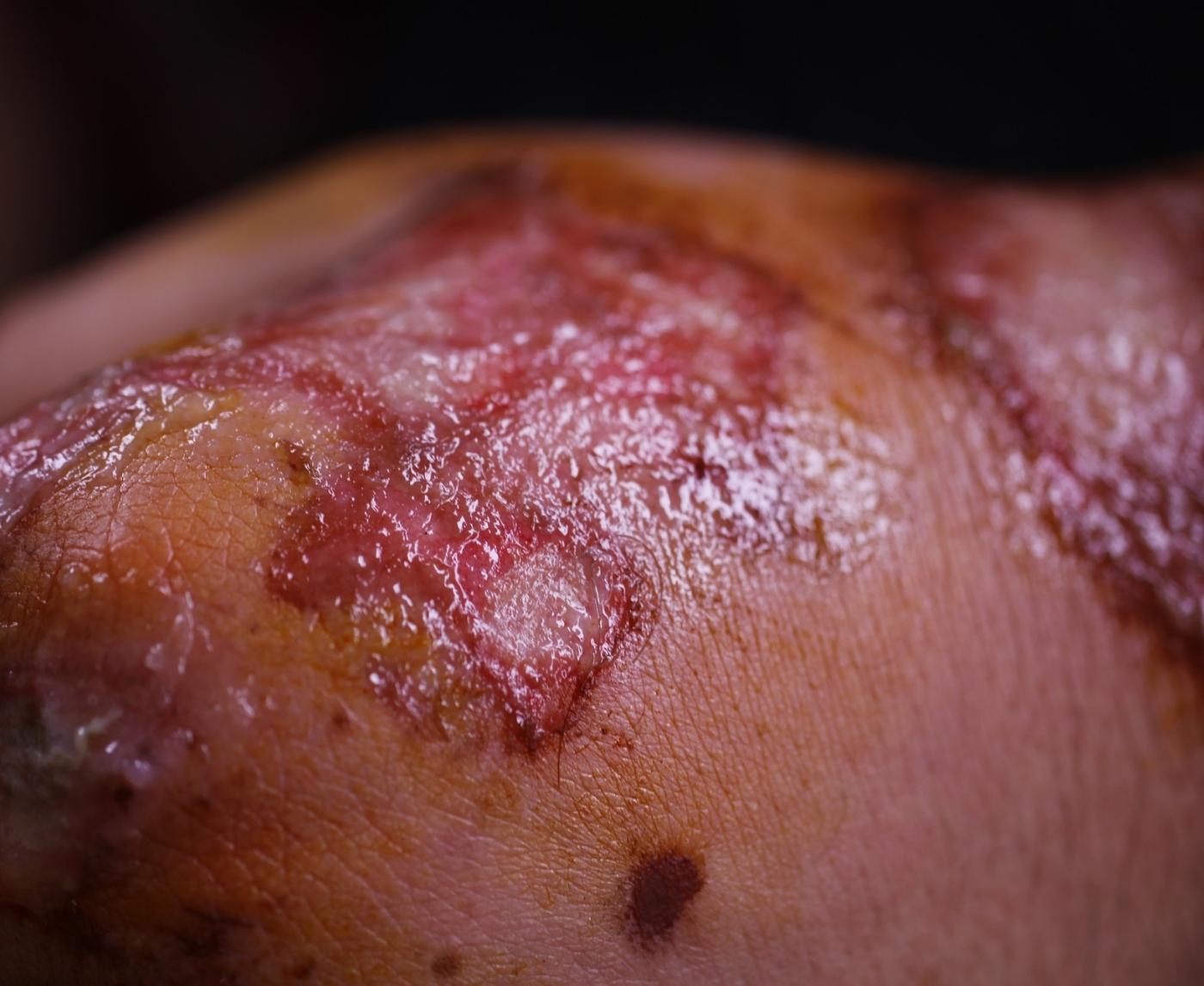
Quick Answer: STD rashes often mimic dry skin, eczema, or irritation, especially herpes, syphilis, and HPV. If the rash persists, spreads, or follows sex, testing is the only way to know for sure.
Why STD Rashes Are So Easy to Miss
Here’s the tricky part: not all STDs cause discharge, pain, or obvious symptoms. In fact, many start subtly, with symptoms that look like everyday skin issues. A red patch. A dry scaly bump. A small blister that could be an ingrown hair. These signs are easy to ignore, especially when they don’t hurt or seem minor.
Herpes is notorious for this. Its first outbreak might look like razor burn, clusters of tiny red bumps, a bit of sensitivity, maybe a tingle. Then it fades. Some people don’t see another outbreak for months or even years, making it easy to assume it was a skin reaction or stress-related issue.
Syphilis, too, often begins as a painless sore or a red rash that shows up on the hands, feet, or genital area. That rash may be flat, rough, or faintly scaly, almost identical to eczema. According to the CDC, syphilis is often misdiagnosed or goes unnoticed for months due to these ambiguous signs.
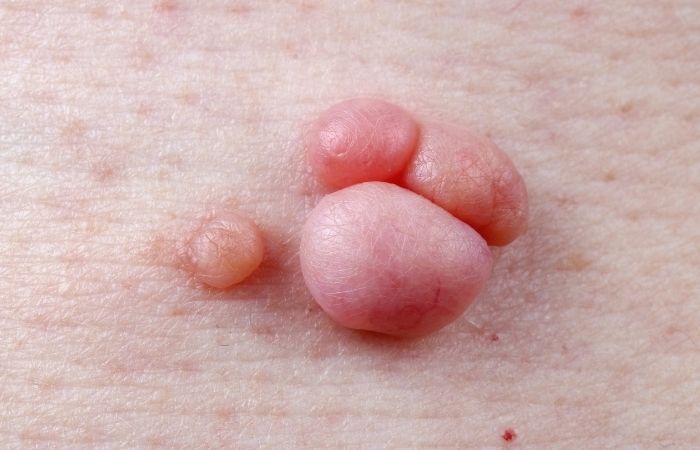
And then there’s HPV. Some strains cause warts that resemble skin tags or raised bumps with dry or rough surfaces. If you’re someone who already has sensitive skin, or battles irritation from sweating or tight clothing, it’s easy to mistake this for a harmless flare-up.
When to Suspect It’s Not Just Dry Skin
If you’ve had sex recently, oral, anal, or vaginal, and notice skin changes near your mouth, groin, anus, or inner thighs, pause before brushing it off. The timing of a rash matters, especially if:
| Symptom | Could Be... | Why It Matters |
|---|---|---|
| Red, itchy patch that doesn’t improve with lotion | Herpes, Syphilis | Dry skin usually softens with moisturizers; STD rashes persist or worsen |
| Blisters that crust over or return in the same area | Herpes | Recurring pattern suggests a viral infection, not allergies |
| Flat or wart-like growths | HPV | Often mistaken for skin tags but are contagious and may spread |
| Painless sores or dry rashes on palms or soles | Syphilis | Classical sign of secondary syphilis; easily confused with eczema |
| Rash that appears days after sex | Any STD, friction burn, or allergic reaction | Testing helps clarify if it’s transmission-related or not |
Table 1: How STD symptoms can resemble common skin issues, but with important differences.
The Real Skin Conditions That Can Look Like STDs
Don't forget that the opposite is also true. You might think you have an STD, but it's really something else. Here are some skin problems that people often mistake for infections:
- Contact dermatitis can be caused by soaps, laundry detergent, latex condoms, or lubes. It comes on suddenly, itches a lot, and usually gets better quickly after the trigger is removed.
- Eczema is when you get dry, scaly patches that get worse when you're stressed or dry. Common in the folds of skin, the groin, and the elbows. Not able to be spread. Not painful unless it gets infected.
- Folliculitis or razor burn: small red bumps appear after shaving, especially in the pubic area. It goes away quickly with time or antibacterial creams.
- Jock itch is a fungal infection that makes red, itchy spots appear in the groin area, especially in people who sweat a lot or wear tight clothes. Not an STD, but it can happen at the same time as one.
- Psoriasis: red patches with silver scales that are easy to see. Can show up on the thighs or genitals. Not contagious, but it can be hard to tell the difference between warts and herpes.
These conditions can make you just as anxious, especially when they show up after sex. But the main difference is how they act over time and if they get better with treatment. Testing is the best thing to do if it doesn't go away, spreads, or comes back.
What an STD Rash Feels Like Over Time
Many people expect STD symptoms to appear all at once, burning, itching, pain, or discharge. But with skin-related symptoms, the timeline can be more confusing. What starts as a mild irritation may evolve, disappear, then come back. That’s part of what makes herpes, syphilis, and even HPV so tricky to identify without testing.
- Herpes outbreaks usually start with tingling or itching, then progress to small blisters that may burst and crust over. The first outbreak tends to be the most intense, but not always. Some people never get classic blisters, just general irritation or a patch of raw skin that heals on its own.
- Syphilis rashes can take weeks to show up after exposure. The initial sore (called a chancre) might be painless and disappear before the rash begins. This rash can look like dry, rough skin, especially on the palms or soles, leading many people to assume it’s eczema or athlete’s foot.
- HPV skin warts can take months to appear and might never show up visibly. When they do, they often look like harmless raised bumps, skin tags, or dry spots. Because they don’t hurt or itch, people ignore them for months, sometimes until a partner points them out.
In other words: if your skin’s acting strange and your last hookup was more than a week ago, don’t assume you’re in the clear just because it doesn’t hurt. Watch the timing, not just the severity.
“I Thought It Was Razor Burn. It Was Herpes.”
Danielle, 34, was used to the occasional ingrown hair. She’d waxed for years and always expected some bumps afterward. But this time, it felt different, tenderness on one side of her labia, almost like a paper cut. The skin looked raw but not alarming. She applied moisturizer and moved on.
Two days later, the tenderness turned to burning, and urinating became painful. She still wasn’t thinking STD. “I hadn’t had sex in over a month,” she says. “And we used a condom. But it just got worse.” Eventually, her OB-GYN diagnosed her with genital herpes.
“I was shocked. I thought herpes had to be blisters. No one ever said it could just look like irritated skin.”
Danielle’s story is more common than you think. Many herpes cases are transmitted during periods with no symptoms. Condoms help but don’t protect against every skin-to-skin contact. The rash doesn’t always look like the pictures online. That’s why testing, not guessing, is the most reliable way to know what’s going on.
When (and How) to Test for an STD Rash
If your skin reaction shows up within a few days of sex, it could be a contact allergy, friction irritation, or an early symptom of infection. The first step? Wait a few days and monitor it, then consider a test. STD tests are most accurate when timed properly, depending on the infection.
| STD | Earliest Reliable Testing Time | Best Testing Window |
|---|---|---|
| Herpes (HSV-1 & HSV-2) | 4–7 days after symptoms | 10–14 days after outbreak or exposure |
| Syphilis | 3–6 weeks post-exposure | 6–12 weeks for highest accuracy |
| HPV (warts) | N/A (visual diagnosis or swab if symptomatic) | Can appear anytime from 2 weeks to 8 months |
Table 2: When to test for STDs with skin symptoms. For asymptomatic HPV, there’s currently no reliable home test.
If you're unsure when you were exposed, or if the rash is recent and you're worried now, you can start with an early test and retest at the peak window. This two-step approach is especially helpful for herpes and syphilis, where symptoms and antibody production may not align perfectly.
Why At-Home Testing Makes Sense for Skin Symptoms
Let’s be real: going to a clinic for “a weird rash” near your genitals can feel embarrassing. Add long wait times, awkward conversations, or fear of judgment, and it’s no wonder people delay testing. But that delay often leads to spreading an infection, unknowingly.
At-home test kits offer a judgment-free, private way to check for common STDs. The most effective ones are FDA-approved and use simple samples like blood from a fingerstick or a genital swab. Results come in minutes (for some rapid tests) or a few days (for lab-based mail-in kits).
Many people use them after seeing a strange bump, a recurring itch, or just because they want peace of mind after a hookup. If your rash has lasted longer than a few days, hasn’t improved with normal care, or came on after sex, testing is not overreacting, it’s being smart.
Don’t Assume: Myths That Keep People From Testing
If there’s one thing dermatologists and sexual health experts agree on, it’s this: people wait too long to test because they think they “know” what an STD should look like. But skin symptoms from STDs often break every expectation.
Some common myths include:
“It doesn’t hurt, so it can’t be an STD.” Pain isn’t required. Syphilis sores are often painless. Early herpes can feel like a paper cut. And HPV warts usually don’t hurt at all.
“I used a condom, so I’m safe.” Condoms protect against many STDs, but not all. Skin-to-skin infections like herpes and HPV can spread from uncovered areas like the inner thighs or pubic region.
“It went away, so it wasn’t serious.” Symptoms that disappear can still mean infection. Herpes and syphilis both have phases where symptoms vanish but the virus or bacteria remains, and can still be transmitted.
“It’s symmetrical, so it must be eczema.” Not always. While eczema often affects both sides of the body evenly, some STD rashes, especially herpes, can appear in mirrored or clustered patterns, tricking even experienced eyes.
Bottom line: if the skin issue is near your genitals, mouth, or anus and you’ve had any sexual contact recently, it’s worth testing. Ignoring it based on guesswork only delays clarity.
The Role of Friction, Shaving, and Sweat (And Why It Matters)
Sex and skin don’t always mix smoothly. Friction from sex, sweating, or even tight clothing can cause irritation that looks like an STD. So can shaving, especially with dull blades or without proper aftercare.
But friction-related irritation usually improves with rest, cooling, or moisturizer. If you’ve stopped shaving, switched to cotton underwear, and still have redness or bumps after 3–5 days, it's no longer “just” irritation, it could be a sign of something more.
Here’s where it gets complicated: many people experience both, skin trauma and an STD rash. For instance, someone might get a herpes flare after shaving, or notice HPV warts after sex causes chafing. That’s why it’s helpful to view testing not as a judgment, but a way to rule things out.
Think of it like getting a second opinion. If your skin isn’t healing or keeps recurring, your body might be telling you something your mirror can’t.
How to Avoid False Negatives and Get a Clear Result
If you test too early, especially with antibody-based tests, your body may not have had time to build detectable levels. That’s why understanding timing is key. Many people get a false sense of security after an early negative test, only to test positive weeks later.
Here’s a smart testing strategy if you’re unsure about your rash or its origin:
- Step 1: Take an initial test now if symptoms are present and exposure was recent (7–14 days ago)
- Step 2: Retest 4–6 weeks later, especially for syphilis and herpes
- Step 3: Use rapid or lab-based kits that screen for multiple STDs together
If your skin issue resolves quickly and doesn’t return, that’s a good sign. But if it comes back, spreads, or if you have multiple partners, repeat testing is smart, not overkill.
Why Waiting It Out Doesn’t Always Work
Skin heals. That’s what it does. But when an STD is involved, healing doesn’t always mean the problem is gone. Many infections cycle through stages, and even “silent” infections can cause damage if untreated.
Take syphilis, for example. After the rash phase, symptoms may vanish entirely, while the bacteria quietly damages internal organs. Herpes can lie dormant for months before flaring again. And some people with HPV never notice symptoms but can still transmit the virus.
So if your rash went away, but your gut says something’s off, or if a partner recently disclosed a diagnosis, it’s worth retesting. Skin symptoms are just one piece of the story.
FAQs
- 1. Can an STD seriously look like eczema?
- Oh, 100%. Some STD rashes, especially early syphilis or herpes, can look exactly like eczema patches: dry, red, a little flaky. If you’ve got “eczema” in a new spot, and it showed up after a hookup, don’t just reach for the lotion, consider testing.
- 2. What’s herpes look like when it’s not obvious?
- Not all herpes shows up as dramatic blisters. Some people just get a raw patch, a paper-cut feeling, or mild tingling. We’ve heard folks say it looked like razor burn or a zit that never popped. If it lingers or keeps returning in the same spot, that’s your clue.
- 3. Do STD rashes always itch?
- Nope. Some do, some don’t. Herpes can itch before an outbreak, syphilis rashes are usually painless, and HPV warts often don’t feel like anything at all. So don’t wait for an itch to take your symptoms seriously.
- 4. If my rash went away, I’m good, right?
- Not necessarily. Many STDs go through phases, herpes hides, syphilis clears then comes back stronger. If the rash disappeared but your spidey sense is still tingling, test anyway. “It went away” is how a lot of people stay infected without knowing it.
- 5. Could my laundry soap cause this instead?
- Totally possible. Contact dermatitis from scented soaps, new underwear dye, or even latex in condoms can cause redness and irritation. But here’s the catch: those reactions usually calm down fast. If it’s stubborn, spreading, or popped up after sex? Don’t rule out an STD.
- 6. I shaved and now I’ve got bumps, should I be worried?
- If the bumps are tiny, centered around hair follicles, and showed up the next day, it’s probably razor burn or folliculitis. But if they blister, crust, or return in the exact same spot? Get tested. Some people discover herpes this way, thinking it was just a rough wax.
- 7. Is it weird to test just for a skin symptom?
- Not weird at all. In fact, it’s one of the smartest reasons to test. Skin is often the first, and sometimes only, way your body tells you something’s off. Trust the signal. You’re not overreacting; you’re taking care of yourself.
- 8. How long do STD rashes usually last?
- Depends on the infection. A first herpes outbreak can stick around for 7–10 days. Syphilis rash might hang around for weeks. HPV? Warts can be persistent unless treated. If a rash sticks around longer than a week, don’t wait it out, test it out.
- 9. Can I pass an STD just from skin contact?
- Unfortunately, yes. Herpes, HPV, and syphilis all spread through skin-to-skin contact, even if there's no penetration or visible symptoms. That’s why “but we used a condom” isn’t a get-out-of-testing-free card. Those areas condoms don’t cover? They matter.
- 10. I feel fine. Should I still be worried?
- That’s the twist, feeling fine doesn’t mean you’re clear. Many STDs are asymptomatic, especially in the early stages. If your only sign is a stubborn rash or skin change, that might be all your body gives you. When in doubt, check it out.
You Deserve Answers, Not Assumptions
If your skin is irritated and your gut says something’s off, trust that instinct. It might be friction. It might be eczema. But it could also be an STD. The only way to know for sure is to test.
Don’t wait and wonder, get the clarity you deserve. This at-home combo test kit checks for the most common STDs discreetly and quickly.
How We Sourced This Article: We combined current guidance from leading medical organizations with peer-reviewed research and lived-experience reporting to make this guide practical, compassionate, and accurate. In total, around fifteen references informed the writing; below, we’ve highlighted six of the most relevant and reader-friendly sources. Every external link in this article was checked to ensure it leads to a reputable destination and opens in a new tab, so you can verify claims without losing your place.