STDs During Pregnancy: Risks Every Expecting Mother Should Understand
Quick Answer: STDs during pregnancy can sometimes harm a baby if they go untreated, but most risks are preventable with early screening and treatment. These screenings aren’t random.
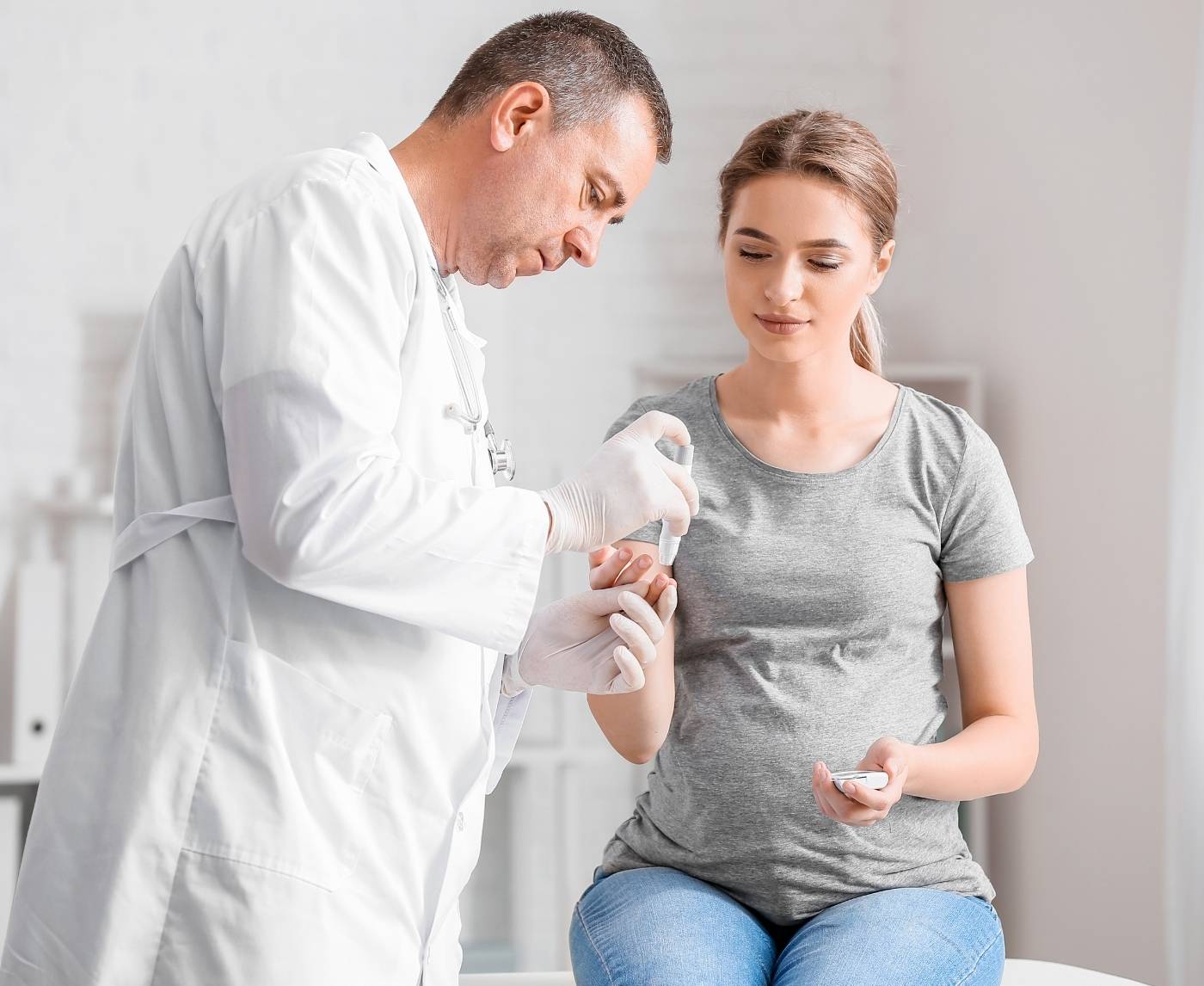
Quick Answer: STDs during pregnancy can sometimes harm a baby if they go untreated, but most risks are preventable with early screening and treatment. Doctors routinely test for infections like chlamydia, gonorrhea, syphilis, and HIV during prenatal care. When caught early, these infections can usually be treated safely to protect both mother and baby.
Why Doctors Test for STDs Early in Pregnancy
One of the first things many doctors do during prenatal care is run a panel of routine blood and urine tests. These screenings aren’t random. They exist because some infections can be present without symptoms and still affect pregnancy.
Many pregnant women feel surprised when their doctor orders STD screening even if they’re in a long-term relationship. But this step isn’t about judgment, it’s about prevention. Certain infections can quietly exist in the body for months or even years without obvious signs.
Testing early in pregnancy gives doctors a window to treat infections before they can affect the placenta, the developing baby, or the birth process itself. In other words, the earlier a doctor knows about an infection, the more tools they have to keep both mother and baby safe.
One obstetric nurse once explained it bluntly to a nervous patient: “We’re not testing because we think something is wrong. We test because pregnancy is the one moment where early detection protects two people at once.”
If someone doesn’t have access to immediate clinical testing or wants reassurance between appointments, some people also use discreet home screening options such as the STD Rapid Test Kits homepage to learn more about available testing solutions.
How Some STDs Can Affect a Developing Baby
Not every infection carries the same level of risk. Some STDs mainly affect the mother’s health, while others can pass to the baby during pregnancy or childbirth. Doctors call this vertical transmission, meaning the infection moves from parent to child.
The good news is that most complications occur only when infections remain untreated. Once doctors identify the infection, treatment plans often reduce risks dramatically.
| Infection | Possible Pregnancy Impact | Typical Medical Response |
|---|---|---|
| Chlamydia | Premature birth or newborn eye infection | Antibiotics during pregnancy |
| Gonorrhea | Preterm labor or neonatal eye infection | Antibiotic treatment |
| Syphilis | Miscarriage, stillbirth, or congenital infection | Immediate penicillin therapy |
| Herpes (HSV) | Risk of infection during delivery | Antivirals and sometimes C-section |
| HIV | Possible transmission during pregnancy or birth | Antiretroviral treatment |
Looking at the table can feel alarming at first glance. But what’s missing from many internet discussions is the second half of the story: most of these complications are preventable with modern prenatal care.
For example, when syphilis is detected early in pregnancy, penicillin treatment can reduce the chance of congenital infection dramatically. Similarly, antiviral medications during late pregnancy can lower the risk of newborn herpes exposure.
As one maternal health specialist once told a patient: “The danger isn’t usually the infection itself. The real danger is when no one knows it’s there.”
Symptoms During Pregnancy That Sometimes Confuse People
Pregnancy changes the body in ways that can mimic infections. Hormonal shifts often cause vaginal discharge, pelvic pressure, or changes in skin sensitivity. These symptoms can overlap with STD symptoms, which is why guessing rarely works.
Many infections, especially chlamydia and gonorrhea, can exist with no symptoms at all. That means relying on how you feel isn’t a reliable way to rule anything out.
Still, certain symptoms sometimes prompt testing during pregnancy.
| Symptom | Possible Causes | Why Testing Helps |
|---|---|---|
| Burning during urination | UTI, chlamydia, gonorrhea | Tests clarify the source |
| Unusual discharge | Yeast infection, BV, STD | Lab testing distinguishes them |
| Genital sores or blisters | Herpes or skin irritation | Visual exam and swabs confirm |
| Pelvic pain | Normal pregnancy pressure or infection | Medical evaluation ensures safety |
It’s important to remember that these symptoms do not automatically mean someone has an STD. Many pregnant women have the same symptoms, but they are not caused by the same things, like yeast infections or normal hormonal changes.
What matters is avoiding self-diagnosis. A quick test can provide clear answers and remove unnecessary worry.
Some women also choose private testing between appointments using tools like the Combo STD Home Test Kit, which screens for several common infections. These options can help when symptoms come on suddenly or when someone wants to be alone.
The Reality Most Doctors Want Pregnant Women to Hear
People who talk about STDs and pregnancy online can quickly get scared. Headlines often focus on the worst possible outcomes, which makes pregnant readers think about the most terrifying ones.
But obstetricians see things from a different angle every day. Most pregnancies that are affected by infections still have healthy babies if they get regular screenings and treatment.
The key factor is timing. When infections are identified early, doctors can treat them before complications develop. Antibiotics, antiviral medications, and preventive strategies during delivery all help lower risks.
A patient once said that getting treatment while pregnant made her feel better emotionally: "I was scared for two weeks that I had already hurt my baby." My doctor said we caught it early and that everything was fine. That night, I finally fell asleep.
This is why prenatal care stresses making regular appointments, being honest with providers, and getting tested on a regular basis. These steps aren't about making anyone feel bad or suspicious; they're about keeping both the mother and the baby safe.
If someone suspects exposure or simply wants peace of mind, getting tested sooner rather than later is one of the most powerful ways to protect a pregnancy.
How Doctors Prevent Transmission During Birth
One of the most common fears expecting mothers have is whether an infection could be passed to their baby during delivery. This concern usually centers around labor and birth because certain infections can be transmitted when a baby passes through the birth canal.
Fortunately, modern obstetrics has very clear protocols for managing this risk. Doctors monitor infections throughout pregnancy and make delivery decisions based on the mother’s health status at the time of birth.
For example, if a pregnant patient has a history of Herpes, doctors may prescribe antiviral medication in the last weeks of pregnancy. This reduces the chance of an outbreak during labor. If visible sores are present when labor begins, a cesarean delivery may be recommended to protect the newborn.
For infections like HIV, medication taken during pregnancy can dramatically lower the chance of transmission. In many cases, the risk of passing HIV to a baby drops to less than 1 percent when proper treatment is followed.
Other infections, such as Chlamydia or Gonorrhea, are usually treated earlier in pregnancy with antibiotics. Once the infection clears, it rarely affects the delivery process.
Hospitals also take preventive steps immediately after birth. In many countries, newborns receive antibiotic eye ointment shortly after delivery. This protects babies from eye infections that could occur if certain bacteria were present during birth.
A labor nurse once explained this to a worried patient in simple terms: “By the time you reach the delivery room, we’ve already done the work to keep your baby safe.”
What Happens If an Infection Is Found During Pregnancy
Hearing that you tested positive for an STD while pregnant can feel overwhelming. Many women immediately imagine worst-case scenarios. But most infections discovered during pregnancy are manageable and treatable.
Doctors do accurate lab tests to make sure the diagnosis is right. Then, treatment plans are made to make sure the mother and baby are both safe.
In a lot of cases, treatment is surprisingly simple.
| Infection | Typical Treatment | Goal of Treatment |
|---|---|---|
| Chlamydia | Pregnancy-safe antibiotics | Clear infection and prevent newborn complications |
| Gonorrhea | Antibiotic injection and follow-up testing | Prevent preterm birth and neonatal infection |
| Syphilis | Penicillin therapy | Prevent congenital infection |
| Herpes | Antiviral medication late in pregnancy | Reduce outbreak risk during delivery |
| HIV | Antiretroviral therapy | Reduce transmission risk to baby |
Doctors also recommend testing or treating partners when necessary. This prevents reinfection during pregnancy and helps ensure treatment actually works.
Many women are surprised by how calm their healthcare providers are during this process. One patient recalled her doctor saying: “We deal with this all the time. Our job is to treat it early so you can focus on having a healthy pregnancy.”
In other words, a diagnosis does not automatically mean something terrible will happen. With the right care plan, most infections can be handled safely.

People are also raeding: STD Risk Checker Quiz: Do You Need to Get Tested?
Protecting Yourself and Your Baby During Pregnancy
Doctors can treat most infections, but the best way to stay safe during pregnancy is to avoid them and find them early. Taking simple steps can greatly lower the risks for both the mother and the baby.
The most important step is attending regular prenatal appointments. These visits allow healthcare providers to monitor both the pregnancy and any potential infections.
It is also important to talk to each other openly. If someone has new symptoms, gets a new sexual partner, or is worried about being exposed, telling a doctor or nurse right away lets them test and treat you right away.
Some pregnant women also choose to test between appointments for reassurance. Discreet screening options are available through services like STD Rapid Test Kits, which allow individuals to learn more about confidential testing from home.
Doctors generally recommend a few practical precautions during pregnancy:
- Routine screening: Follow recommended prenatal STD tests.
- Partner testing: Encourage partners to test if risk exists.
- Protection: Condoms reduce the chance of new infections.
- Prompt treatment: Start medication immediately if an infection is found.
These steps aren’t meant to scare anyone or place limits on pregnancy. They’re just simple ways to give both parent and baby the healthiest possible start.
And perhaps most importantly, they remind expecting mothers that they are not alone in protecting their baby. Doctors, nurses, and testing resources all work together to create a safety net around pregnancy.
When Panic Shows Up Before the Facts Do
Pregnancy has a strange way of amplifying every health concern. A mild symptom suddenly feels enormous when another life is involved. Many women who learn about STDs during pregnancy go through a wave of fear before they ever speak to a doctor.
That reaction is completely understandable. The internet is full of worst-case scenarios, and search results often highlight the rarest complications rather than the most common outcomes. What those pages rarely explain is how much modern prenatal care has changed the picture.
In reality, most infections discovered during pregnancy are treated quickly and safely. When doctors identify infections early, the majority of babies are born completely healthy.
One expectant mother described the emotional spiral she experienced after seeing a positive test result early in pregnancy: “My brain immediately went to the worst place. I thought I had already ruined everything. My doctor sat me down and said, ‘We caught this early. This is exactly why we test.’ That changed everything.”
Moments like that happen in clinics every day. Obstetricians and midwives know that pregnancy brings anxiety along with excitement, and their job is to replace uncertainty with clear information and practical solutions.
If someone suspects exposure or simply wants reassurance before the next prenatal appointment, many choose to test discreetly at home using options like the Combo STD Home Test Kit. These kits screen for several common infections and can help people take proactive steps toward protecting their health.
What Healthy Pregnancies Usually Look Like After Treatment
One of the most reassuring things many doctors tell pregnant patients is that treatment works. Antibiotics clear bacterial infections like Chlamydia and Gonorrhea, while antiviral medications can control viruses such as Herpes. In cases involving Syphilis, early treatment is highly effective at preventing congenital infection.
Once treatment starts, doctors often run a follow-up test to confirm the infection is gone. It’s just a quick way to make sure the treatment worked and everything is on track for a healthy pregnancy.
For most women, the experience is just a small part of a much bigger story. The pregnancy is going well, the prenatal visits are going as planned, and the focus is slowly shifting back to getting ready for the baby.
Maternal health specialists often remind patients that testing is a tool, not a judgment. Screening programs exist precisely because infections are treatable when caught early.
As one obstetrician explained to a worried couple: “Our goal isn’t just to deliver babies. It’s to give them the safest possible start in life. Testing helps us do that.”
FAQs
- 1. Can a baby actually be born with an STD?
- Yes, but it’s not as common as people fear, and most of the time it’s preventable. Some infections like Syphilis, Herpes, or HIV can pass from mother to baby during pregnancy or delivery if they go untreated. The reassuring part is that doctors screen for these infections precisely so they can treat them early and stop transmission before it ever becomes a problem.
- 2. I just found out I have an STD and I’m pregnant. Did I already harm my baby?
- In most cases, no. Finding out early is exactly what doctors hope for because it means treatment can start right away. Pregnant women can safely take antibiotics to get rid of many infections, especially Chlamydia and Gonorrhea. Once the infections are gone, the risk to the baby goes down a lot.
- 3. If I've only been with one person for a long time, why should I get tested for STDs?
- It’s not about suspicion, it’s about prevention. Some infections can stay in the body for months or even years without obvious symptoms. Doctors screen everyone because pregnancy is one of the few moments where catching an infection early protects two people at once.
- 4. Could I have an STD during pregnancy without any symptoms?
- Absolutely. In fact, many of the most common infections, especially Chlamydia, often cause no symptoms at all. That’s why routine testing during prenatal care matters so much. A simple lab test can catch something you’d never feel.
- 5. What if herpes shows up right before I give birth?
- Doctors plan for that scenario all the time. Many pregnant women with Herpes take antiviral medication in the last weeks of pregnancy to prevent outbreaks. If sores are present during labor, doctors usually recommend a C-section to protect the baby.
- 6. Can my partner give me an STD while I’m already pregnant?
- It's possible for a woman to get a new infection while she's pregnant if her partner has an infection that hasn't been treated. That's why doctors sometimes tell people to have their partners tested too. It's not about pointing fingers; it's about making sure that no one spreads an infection without meaning to.
- 7. Is STD treatment safe when you’re pregnant?
- Most treatments used during pregnancy have been researched for many years. Doctors are careful about which medicines they give to pregnant women so that they don't hurt the baby. In a lot of cases, not treating the infection would be more dangerous than taking the medicine.
- 8. Should I be worried if I notice discharge, itching, or irritation?
- Not automatically. Pregnancy hormones alone can cause discharge and irritation that feel suspicious but are completely normal. Still, it’s worth mentioning to a doctor so they can run a quick test and rule out infections like yeast, BV, or an STD.
- 9. Do pregnant women ever test more than once for STDs?
- Sometimes, yes. If someone has new risk factors, symptoms, or lives in an area with higher infection rates, doctors may repeat screening later in pregnancy. Think of it as a safety check before delivery.
- 10. What’s the best thing I can do to protect my baby?
- Stay involved in your prenatal care and don't be afraid to ask questions. The best way to give your baby a good start is to test early, treat infections quickly, and keep in touch with your provider. When care starts early, most pregnancies that are affected by STDs turn out to be completely healthy.
You Deserve Answers, Not Anxiety
Pregnancy already brings enough uncertainty without layering fear on top of it. When people hear the words “STD” and “pregnancy” in the same sentence, the mind tends to jump straight to worst-case scenarios. But the reality most doctors see every day is far less dramatic: infections get detected, they get treated, and healthy babies are born.
The goal isn’t to panic over every symptom or Google search result. The goal is clarity. If there’s even a small chance of exposure, testing removes the guesswork and gives doctors the information they need to protect both you and your baby.
Don’t wait and wonder. If testing would give you peace of mind, start with a discreet screen like the Combo STD Home Test Kit. Results stay private, decisions stay in your hands, and clarity almost always feels better than uncertainty.
How We Sourced This Article: This guide combines clinical guidance on sexually transmitted infections in pregnancy with research from maternal health and infectious disease literature. We reviewed recommendations from the CDC, WHO, and major medical institutions regarding prenatal STD screening, vertical transmission, and treatment safety. Peer-reviewed research on maternal infection outcomes and neonatal health helped inform the risk explanations presented here.
- Centers for Disease Control and Prevention – STDs and Pregnanc
- World Health Organization – Sexually Transmitted Infections Fact Sheet
- American College of Obstetricians and Gynecologists – Routine Tests During Pregnancy
- American College of Obstetricians and Gynecologists – Genital Herpes
- National Institute of Child Health and Human Development – Infections During Pregnancy
- U.S. Office on Women’s Health – Sexually Transmitted Infections