Syphilis Is Rising in Alaska, Could At-Home Testing Be the Fix?
Quick Answer: Alaska’s overall STD rates are declining, but syphilis is rising, especially in remote communities. But syphilis broke the pattern, rising nearly 13% and bucking the downward trend.

Quick Answer: Alaska’s overall STD rates are declining, but syphilis is rising, especially in remote communities. At-home testing offers a critical way to detect and treat infections early, even without access to a clinic.
Behind the Numbers: What Alaska’s STD Trends Really Say
It’s tempting to feel relief when a state health report shows a dip in sexually transmitted infections. In Alaska, chlamydia dropped from 5,118 to 4,712 cases in the past year, and gonorrhea slid from 2,280 to 2,104. But syphilis broke the pattern, rising nearly 13% and bucking the downward trend. For many public health officials, that’s a red flag.
Syphilis is particularly dangerous because it often hides. In its early stages, symptoms can be mild or go unnoticed, especially in people without regular access to sexual health services. That’s where Alaska’s geography becomes a key risk factor. In a state where clinics can be days away and stigma still lingers in tight-knit towns, routine testing isn’t always realistic.
According to the CDC, early detection is essential. Left untreated, syphilis can progress to severe neurological or cardiac problems, and can pass from mother to child during pregnancy. That makes early, accessible testing not just helpful, but vital.
Why Syphilis Is Rising While Other STDs Fall
There are a few reasons why syphilis bucks the trend. Unlike chlamydia or gonorrhea, which typically cause noticeable discharge or pain, syphilis often shows up as a single sore or silent rash. It's easy to dismiss, especially if you’re busy, uninsured, or isolated. Combine that with rising meth use in some Alaskan regions, decreased clinic staffing, and inconsistent prenatal screening, and the result is clear: cases creep up undetected.
Public health experts also point to screening fatigue. After the COVID-19 pandemic, many healthcare systems shifted focus away from routine STI testing. Some patients, too, became less likely to seek non-urgent care. And in rural areas, where visiting a clinic might mean chartering a bush plane or braving hours of icy road, “non-urgent” often becomes “never.”
At-home testing may be a crucial way forward, one that meets people where they are, instead of waiting for them to come in.
Can You Really Trust an At-Home Syphilis Test?
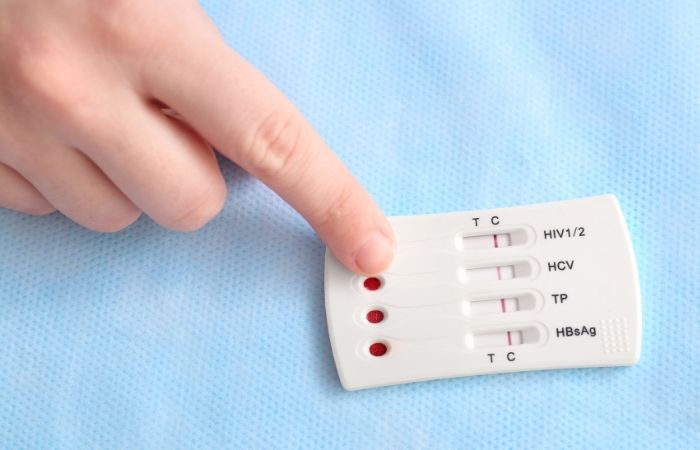
Yes, with the right timing and instructions, the short answer is yes. Most at-home syphilis tests take a blood sample from a finger prick and look for antibodies, just like a test done in a clinic. Some kits give results in less than 15 minutes, while others require samples to be sent in and tested in certified labs. Several studies have found that when these tests are used correctly and after the right amount of time has passed, they are sensitive and specific in the 90–98% range.
Antibody levels may still be too low to detect for early syphilis, especially within 3–6 weeks of exposure. That's why timing is important and why you might need to test again. For people who might never get tested otherwise, though, getting a quick result at home can be the first and most important step toward treatment and protecting their partner.
One study published in the Sexually Transmitted Diseases Journal found that people who lived in rural or socially unacceptable areas were much more likely to test if they could do it at home. Many people said that privacy, safety, and speed were the main reasons.
How Remote Alaskans Are Using Home Tests to Take Control
Consider Elena, a schoolteacher in Bethel. After a new partner, she wanted to test, but the local clinic had a two-week wait and wasn’t discreet. She ordered an at-home kit, did the finger-prick before school, and had results that same night. “It was a relief,” she says. “No one had to know, and I didn’t have to explain anything to anyone.”
Stories like Elena’s are increasingly common. Whether it’s a parent testing quietly after their teen’s questions, or a bush pilot worried after a layover hookup, people across the state are finding ways to test that fit their lives, not the other way around.
At-home kits also allow for regular retesting without financial or emotional strain. For individuals with new or multiple partners, consistent testing every 3–6 months is ideal, and that’s easier to maintain when testing doesn’t require taking a day off work or navigating stigma in a small-town clinic.
How Syphilis Tests Work: At-Home vs Clinic
When it comes to syphilis testing, the method you choose matters, but it doesn’t always have to be in-person. Whether it’s a rapid blood drop test in your bathroom or a full panel at a city clinic, each option comes with different benefits and limitations. Understanding them can help you decide what’s best based on where you live, what symptoms (if any) you have, and how soon you need answers.
| Test Type | Where It's Done | Accuracy | Turnaround Time | Best For |
|---|---|---|---|---|
| At-Home Rapid Test | Self-administered (finger-prick) | High (90–98%) | ~15 minutes | Private, fast results in remote settings |
| Mail-In Lab Kit | Self-collected, lab analyzed | Very high (95–99%) | 2–5 business days | High accuracy + privacy, no clinic trip |
| Clinic-Based Test | Doctor or nurse-administered | Highest (≥99%) | Same-day to 1 week | When symptoms are severe or unclear |
Table 1. Comparison of syphilis testing methods. All tests detect antibodies, but timing, access, and context affect which test is best for your situation.
If you’re in Nome, Kotzebue, or another location where flying to Anchorage isn’t realistic for a routine test, rapid tests at home can give you clarity, and a plan, without delay.
Timing Matters: When to Test for Syphilis After Exposure
The hardest part of STD testing is often knowing when. Too soon, and your test may miss early antibodies. Too late, and you risk unknowingly exposing others. For syphilis, the typical window period is 3 to 6 weeks after exposure. However, symptoms may not appear until later, or not at all.
If you’ve had recent sexual contact and suspect exposure, here’s how to think about your testing window:
| Days Since Exposure | Testing Guidance | Next Steps |
|---|---|---|
| 0–14 days | Too early for most syphilis tests | Wait and monitor; consider retesting after 21+ days |
| 15–21 days | Borderline window; results may vary | Initial test OK, but schedule a retest at 6 weeks |
| 22+ days | Optimal window for antibody detection | Test now with high accuracy |
Table 2. Syphilis testing timing after potential exposure. Retesting is recommended if tested before 6 weeks or if symptoms appear later.
Quick tip: syphilis doesn’t always follow the rules. If you notice any strange spots, rashes, or flu-like symptoms after sex, even weeks later, get tested, regardless of timing.
“I Tested Too Early, and It Cost Me Weeks of Stress”
Leo, 31, works in a remote mining camp. After a short trip to Fairbanks and an unexpected hookup, he took a syphilis test five days later, negative. He relaxed. But two weeks later, a sore showed up on his lip. “I thought it was a cold sore,” he says. “It wasn’t.”
By the time he retested, the syphilis had already progressed to secondary stage. His story isn’t rare, and it’s exactly why knowing the window period matters just as much as taking the test.
If your timeline is uncertain, it’s better to test once at 3–4 weeks, and again at 6 weeks for confirmation. This layered approach helps you avoid false reassurance and catch infections before they spread.
Testing Doesn’t Have to Wait, Even in Remote Alaska
If you’re living without regular access to care, or just don’t want to explain your personal life to the one nurse in town, you still deserve answers. That’s what at-home STD testing was built for. And when it comes to syphilis, sooner is always better.
The 6‑in‑1 At‑Home STD Test Kit can help you check for syphilis, chlamydia, gonorrhea, and more, all with one discreet kit. Results come fast, and no one but you ever has to know.
If your head keeps spinning, peace of mind is one test away.
When and Why to Retest: Avoiding False Reassurance
Even if your first syphilis test comes back negative, that doesn’t always mean you’re in the clear. Like many STDs, syphilis takes time to trigger detectable antibodies, so timing matters. But here’s what often gets missed: exposure doesn’t happen just once. If you have ongoing sexual contact, multiple partners, or live in a region with rising syphilis rates, retesting isn’t just smart, it’s necessary.
Most public health experts recommend retesting 6–12 weeks after exposure if your first test was early, or every 3 to 6 months if you’re sexually active with new partners. It’s especially important to retest if you’re:
- Pregnant (even if previously treated)
- Living with HIV
- In a high-prevalence region like Alaska
- Experiencing any new symptoms, even if mild
Testing shouldn’t be a one-time event. Think of it like brushing your teeth, it’s not about one perfect moment, but consistent care over time. The good news? With at-home kits, retesting doesn’t require awkward phone calls or taking time off work. You’re in control.
If You Test Positive: What Happens Next?
First, take a big breath. If you test positive for syphilis, don't worry,you're not the only one. Benzathine penicillin, an antibiotic that is usually given as a single injection, is a simple and effective treatment. The sooner you get treatment, the less likely you are to have complications or spread it to other people.
If you test positive with an at-home kit, you should:
- Follow up with a clinic or telehealth provider for confirmatory testing
- Begin treatment as recommended (don’t wait weeks)
- Inform current or recent partners, there are anonymous ways to do this
Most importantly: don’t let shame delay care. Syphilis has been around for centuries, and so has stigma. But today, we have fast treatment, support systems, and confidential pathways. Whether you’re texting a partner or navigating public health resources in a remote village, you deserve support, not judgment.
If you’re not sure how to tell someone, STD Test Kits offers discreet scripts and guidance to help you notify partners with compassion and clarity.
How Discreet Is At-Home Testing in Alaska?
Let’s be honest: in small towns, privacy matters. Everyone knows everyone. One trip to the clinic can spark whispers. That’s why at-home testing offers more than convenience, it offers control over your health story.
When you order from a provider like STD Test Kits, your package arrives in plain, unmarked wrapping. No logos, no “STD” labels, and no questions from delivery drivers. Inside, you’ll find simple instructions, sterile equipment, and fast-track access to results.
Many Alaskan users report testing in places as remote as fishing cabins or bush planes. If you can get a signal or check your mailbox, you can test. And unlike most clinics, your results stay with you, not on a local EMR that others may access.
How Home Testing Changes the Story, Especially in Alaska
When the Alaska Department of Health released its latest disease report, the headline was that chlamydia and gonorrhea were down. But the story beneath the headline is more complicated. Syphilis is rising. Congenital cases still exist. And access is still a barrier, especially where distance, stigma, and weather collide.
At-home STD testing isn’t a perfect fix, but it’s a damn good tool. It reaches people no one else does. It gives back control to those who’ve been waiting, worrying, or hiding. And it’s already helping people in Alaska detect and treat infections before they spread.
If you’ve been putting off testing, or wondering what’s “really” going on in your body after a risky encounter, here’s your signal. You don’t have to wait. You don’t have to explain. This discreet combo test covers the most common STDs, including syphilis, and arrives wherever you are.
Your body deserves answers. Your peace of mind deserves priority. And Alaska deserves fewer silent infections slipping through the cracks.
FAQs
- 1. Is it possible for me to get tested for syphilis if I live in a remote part of Alaska?
- Sure. People who can't easily get to a clinic can use at-home syphilis tests. You can order a test online, have it sent to you privately, and get the results without leaving your home, even in small villages.
- 2. How reliable are tests for syphilis done at home?
- Home syphilis tests are about 90-98% accurate if done properly after the right amount of time has elapsed since exposure (3-6 weeks after exposure). Careful attention to instructions may lead to the need for additional tests.
- 3. Is it possible to test for syphilis too soon?
- Yes. Antibodies may not show up in tests done within the first two weeks after exposure. If you test early, it's best to wait at least three weeks or plan to retest around the six-week mark.
- 4. What does it mean if you test positive for syphilis at home?
- You probably have syphilis, so you should see a doctor for more tests and treatment. Antibiotics can get rid of syphilis, especially if you catch it early.
- 5. Should I tell my partners if I test positive?
- Yes. Syphilis spreads through sexual contact, and telling your partners helps stop the spread of the disease and keeps the public healthy. If you need to, you can use scripts or services that let you stay anonymous.
- 6. What if I have syphilis and I'm pregnant?
- It is very important that you get help as soon as possible. Even if you have syphilis, it can hurt your baby. The earlier you get help, the less likely it will affect you or your baby.
- 7. In Alaska, is it okay to use an STD test at home?
- Of course. All 50 states, including Alaska, allow people to test for STDs at home. There are no rules against self-testing for health monitoring.
- 8. Does the weather in Alaska affect how accurate mailed kits are?
- It's best to bring the kit inside right away after it's delivered if the weather is very hot or very cold. Most are insulated enough to handle delays in shipping, but storing them correctly helps keep them accurate.
- 9. Do I need to be online to use an STD test at home?
- Only for getting or placing orders for digital results. You don't need to be online to take the test; you can do it offline.
- 10. How often should I get tested for syphilis if I have sex?
- It is best to get tested every 3 to 6 months if you have new or multiple partners, especially in places like Alaska where the disease is common.
Testing in Alaska Doesn’t Have to Be Complicated
Even with chlamydia and gonorrhea on the decline, syphilis is rewriting the STI map in Alaska. Whether you're off-grid or just done with clinic waiting rooms, there’s now a way to protect yourself without the stigma, the scheduling, or the second guessing.
Don’t wait and wonder, get the clarity you deserve. This at-home combo test kit checks for the most common STDs discreetly and quickly. Alaska deserves a better way to test, and this might be it.
How We Sourced This Article: We combined current guidance from leading medical organizations with peer-reviewed research and lived-experience reporting to make this guide practical, compassionate, and accurate. In total, around fifteen references informed the writing; below, we’ve highlighted some of the most relevant and reader-friendly sources.