The Most Dangerous STDs Doctors Actually Worry About
Quick Answer: Doctors are most worried about HIV, syphilis, HPV, hepatitis B, and gonorrhea that won't go away with antibiotics.
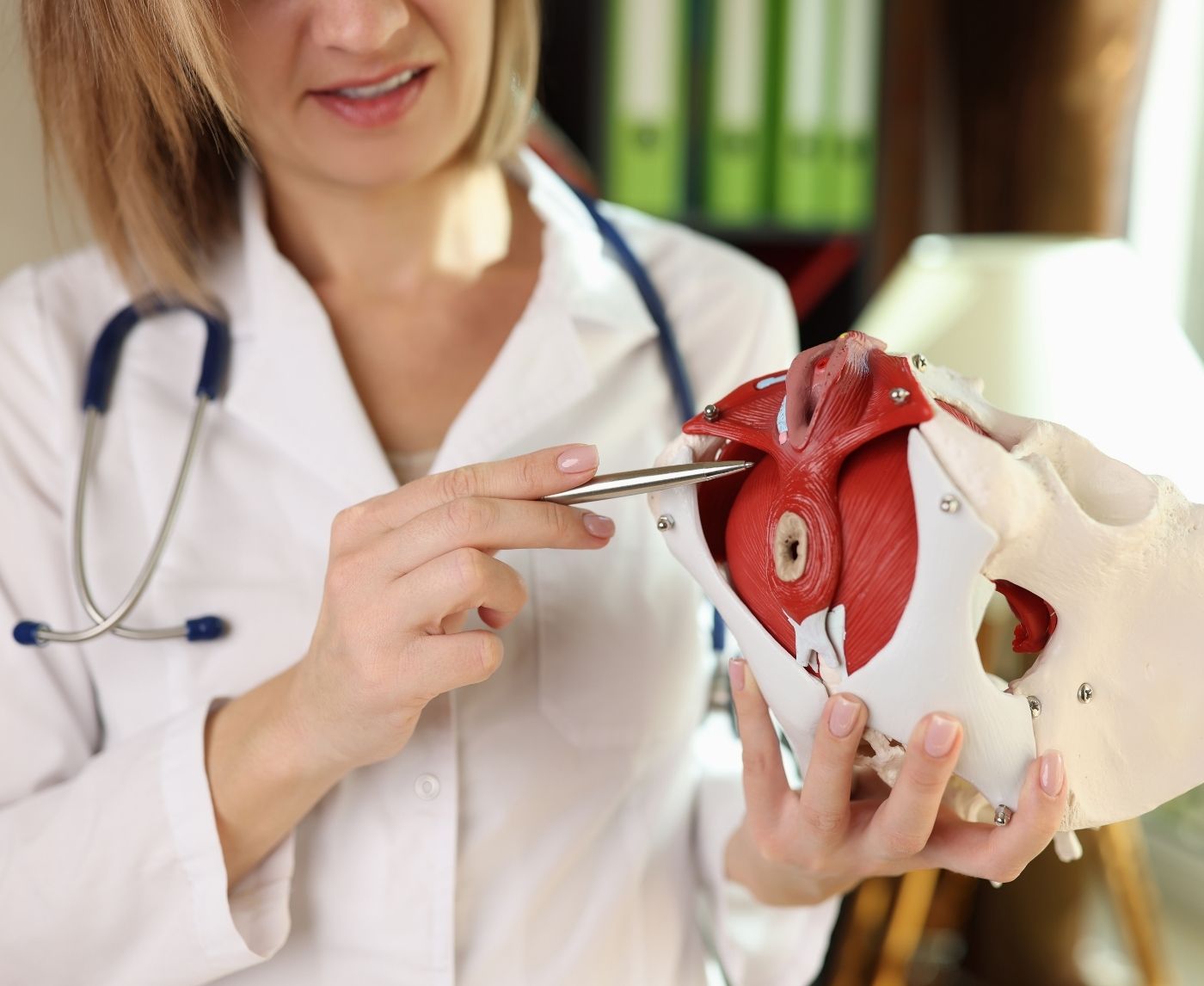
Quick Answer: Doctors are most worried about HIV, syphilis, HPV, hepatitis B, and gonorrhea that won't go away with antibiotics. If these infections aren't treated, they can lead to serious long-term health problems like cancer, organ damage, infertility, or a weak immune system.
Why Some STDs Are Considered “Dangerous”
When physicians discuss dangerous STDs, they are not simply discussing the unpleasant nature of these infections’ symptoms. The primary cause of worry is that when these infections remain undetected in an individual’s system for months or even years, they begin to wreak havoc.
Many individuals assume that when it comes to STDs, the worst infections are those that display the worst symptoms. In reality, some of the worst infections are those that do not display any obvious signs of infection until they have already begun wreaking havoc inside an individual’s system.
Physicians generally rate the severity of an STD based on several specific factors, including whether or not it is life-threatening, whether or not it causes damage that is irreversible, whether or not it is easily transmissible, and whether or not it is curable or simply treatable. When these factors are all present in a negative light, that is when physicians begin paying close attention.
For example, if an infection is left untreated, it could result in issues such as pelvic inflammatory disease, organ damage, failure of the immune system, or even neurological problems. These problems are not likely to be present if an infection is detected early, which is why testing is a huge part of sexual health.

The STDs Doctors Worry About Most
You might be surprised by the list of sexually transmitted infections that keep an infectious disease specialist up at night. People online don't always worry about infections. Doctors instead focus on the ones that have the worst long-term effects on health.
| STD | Main Health Risk |
|---|---|
| HIV | Weakens the immune system and can lead to AIDS without treatment |
| Syphilis | Can damage the brain, nerves, and organs if untreated |
| HPV | Some strains cause cervical, throat, and other cancers |
| Hepatitis B | Chronic liver infection that can lead to liver failure or cancer |
| Drug-resistant Gonorrhea | Increasing antibiotic resistance makes some infections harder to treat |
Take a look at that list. Some of these infections can spread without any obvious symptoms. That's why doctors stress the importance of getting tested regularly, especially after having sex with a new partner or without protection.
If you ever get stuck in the "what if" spiral after a risky encounter, getting tested can quickly give you real answers instead of just questions. A lot of people now choose discreet options like the kits from STD Test Kits, which let them test themselves at home without anyone else knowing.
HIV: The Infection That Attacks the Immune System
HIV is still one of the most important sexually transmitted diseases in the world, even though treatment for the disease has become much more advanced over the last few decades. The disease attacks the immune system, which consists of CD4 cells. CD4 cells are the cells that protect the body from disease.
If left untreated, the disease slowly destroys the immune system until the body can no longer protect itself from disease. This is called AIDS, or acquired immune deficiency syndrome. AIDS can lead to serious diseases, which can become fatal.
The good news is that with the current treatment for the disease, a person with HIV can live a normal, healthy life. In fact, the disease cannot be transmitted if the treatment is so successful that the disease cannot be detected. This is one of the biggest breakthroughs for sexual health over the last few years.
What makes HIV so bad now is the fact that a person can live with the disease for a long time without any symptoms, even though the disease is affecting the immune system. This is why doctors recommend that people get tested for the disease if they are sexually active with a new partner.
Syphilis: The Comeback Infection Doctors Are Watching Closely
For a long time, the disease seemed to belong to the past, but over the last decade, the number of people infected with the disease has been increasing, which is a concern for public health officials.
Syphilis is a serious disease because it progresses from one stage to the next. In the early stages, the disease can cause a sore that goes away on its own. However, the bacteria are still present in the body, although the person may think the disease is gone.
If the disease is not treated, the bacteria can cause serious problems with the brain, nervous system, heart, and other organs. The problems can develop many years after the person becomes infected with the disease.
One of the reasons doctors are concerned with the disease is the fact that, if the disease is detected early, the person can be completely cured with a simple antibiotic treatment. The problem is that the disease often progresses to the later stages before a person is tested for the disease.
HPV: The STD Linked to Cancer
Human Papillomavirus (HPV), however, is actually the most common sexually transmitted disease worldwide. In fact, most people who are sexually active will be exposed to it at some point in their lives, often unknowingly.
The majority of cases of HPV are harmless and will resolve on their own. However, some of the riskier varieties are associated with various cancers, including cervical cancer, throat cancer, anal cancer, and penile cancer.
The concern for HPV is not so much that all cases are dangerous, but that people are unaware that they have it. There is no routine test for men to detect whether or not they have it, and many people are asymptomatic.
The best way to fight against HPV is to be vaccinated against it and to have regular screening. Cervical cancer screening has reduced deaths caused by HPV-related cancers.
How Untreated STDs Can Affect the Body
One of the biggest myths about sexually transmitted infections is that they always show clear signs. In reality, many infections progress slowly or remain asymptomatic while inflicting internal harm.
| Complication | Possible Cause |
|---|---|
| Infertility | Untreated chlamydia or gonorrhea causing pelvic inflammatory disease |
| Cancer | Persistent HPV infection |
| Liver disease | Chronic hepatitis B infection |
| Neurological damage | Late-stage syphilis |
| Immune system failure | Untreated HIV infection |
These complications may sound scary, but they are almost always the result of infections that have gone undetected for a long time.
If you are sexually active but not sure of your status, you can clear up any doubts with a simple test. Many people are now turning to discreet tests such as a Combo STD Home Test Kit, which allows you to test for several infections privately in your own home.
Don't be afraid of tests – they are one of the easiest ways of regaining control of your health and safeguarding yourself and your loved ones.
Hepatitis B: The STD That Targets the Liver
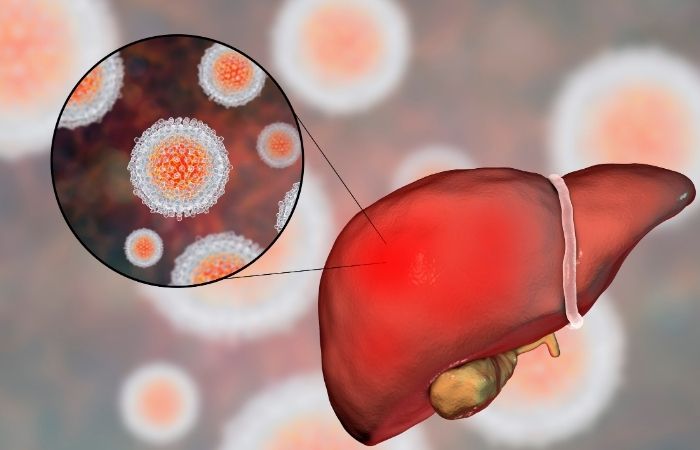
When people think about sexually transmitted diseases, the liver is not usually the first part of the body that they think about. Nevertheless, hepatitis B is a virus that is spread by sexual contact and has a direct impact on the liver that may result in permanent damage that occurs over a period of many years.
There are a great number of people infected by hepatitis B that do not notice anything unusual at first. Some people notice minor symptoms like fatigue, nausea, or flu-like symptoms that are easily ignored. Others may not notice any signs or symptoms at all.
At the same time, the hepatitis B virus is silently infecting the liver and leading to a chronic infection that may occur over a period of time. The most serious stage of hepatitis B is a chronic infection. This is the stage that doctors are most concerned about since it has the chance of leading to cirrhosis or liver cancer over a period of time.
The good news is that hepatitis B is preventable by a vaccine that is extremely effective. Many people are immunized against hepatitis B during childhood, but adults who never had the chance to be immunized can be immunized.
For those people that are sexually active with a number of different partners, it is a good idea to verify that they have already had the hepatitis B vaccine.
Drug-Resistant Gonorrhea: A Growing Public Health Concern
For many decades, the disease of gonorrhea has been treated with antibiotics, which is the main reason many people believe the disease is not too serious. However, doctors are increasingly worried about the rise of antibiotic-resistant strains of the disease, which are proving more difficult to cure than before.
Gonorrhea is a highly contagious disease, which can be transmitted through vaginal, oral, or anal intercourse. The symptoms of the disease are usually characterized by a burning sensation during urination or unusual discharge. However, as with many other STDs, the disease can also be completely asymptomatic. This means that a person can unknowingly infect many others before they even know they are sick themselves.
If left untreated, the disease can cause many serious problems. In women, the disease can cause a serious form of pelvic inflammatory disease, which can lead to infertility or severe pain. In men, the disease can cause a painful form of testicular infection. In rare cases, the bacteria can even enter the bloodstream.
This is the main reason that the disease of gonorrhea makes the “watch list” for many doctors. The disease is proving more difficult to cure due to the rise of antibiotic resistance, which makes the disease a cause for concern around the globe.
The Role of Early Testing in Preventing Serious Complications
One of the most important things that sexual health experts say over and over is that most serious STD complications occur when an STD is not detected for a long time. The STD itself may have started minor, but time can allow it to grow or harm the tissues of the body.
Take an example of a person who has a new partner and is experiencing minor symptoms weeks later. The minor symptoms may be minor irritation or a sore throat after oral sex. The person may be tempted to dismiss it as nothing to worry about. However, minor moments like these are when testing can have the greatest impact.
Early detection can treat an STD quickly with medication. Early detection can also prevent STDs from being transmitted to partners. From a medical perspective, the difference between getting an STD early on and ignoring it for months can be huge.
If access to STD testing is inconvenient or uncomfortable for some people, home STD testing can be a great way to remove many barriers. Many people choose to take advantage of discreet STD screening options with STD Test Kits.
How Doctors Evaluate STD Risk After Exposure
For instance, if a person walks into a clinic with concerns over a potential STD, doctors do not only rely on the patient's symptoms. Instead, the doctor considers the history of the patient's exposure, the type of sexual encounter, as well as the use of protection. All these factors are essential in the prediction of the patient's risk of acquiring the disease.
For instance, a patient walks into a clinic complaining of the onset of symptoms after a couple of days from a new sexual encounter. The doctor can immediately deduce that the patient is likely to have acquired the disease, as many STDs have a biological window period before the patient can acquire the disease. This information is essential for the doctor as he makes a decision on whether the patient should undergo the tests or not.
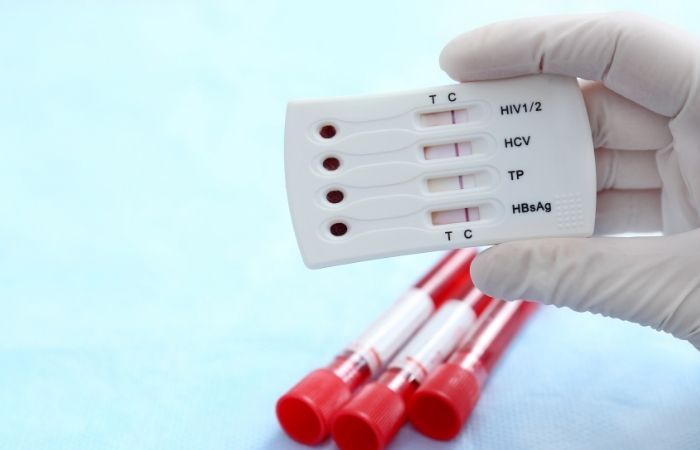
Another essential part of the equation is the fact that not all STDs are acquired with the same level of risk. For instance, some STDs can be acquired through skin-to-skin contact, whereas others can only be acquired through the exchange of bodily fluids. This is the reason why doctors recommend the use of a panel of tests that can identify a variety of STDs, as opposed to only one type of disease. There are many tests that can identify a variety of STDs, for instance, the 7-in-1 Complete At-Home STD Test Kit.
Why Many Dangerous STDs Have No Symptoms
One of the weirdest things about STDs is how silent they can be. Some of the STDs that doctors are concerned about the most are the ones that don’t even cause any symptoms at all.
For instance, with the HPV virus, the majority of people who are infected with the disease don’t ever notice anything wrong. There is no pain, there is no discharge, and there are no symptoms. However, the disease can still cause cells to change over time, which is why a Pap smear is so important.
Another silent disease is HIV, at least in the early stages. When people are first infected with the disease, they often get flu-like symptoms. However, after a short time, the symptoms go away, and the disease can still cause damage over a long period of time. This is why it is so important for people to get tested for the disease, even if they don’t have any symptoms at all. Doctors recommend that people get tested for STDs as often as they get their teeth cleaned.
When an STD Scare Starts at 2 AM
The majority of STD studies don’t begin in a doctor’s office. They begin at 2 AM with a person staring at a phone and scrolling through Google results and wondering if a symptom might mean something serious.
Maybe a sore appears after a weekend fling. Maybe a burning sensation develops a few days after sex. Or maybe a text message is sent that no one wants to receive: “Hey, I just tested positive for something.”
This moment of uncertainty is very common. Sexual health clinics witness this moment many times a day. The important thing to grasp is that in a moment of panic, nothing good happens. In a moment of knowledge and a moment of testing, almost everything good happens.
Physicians tell people that the majority of STD scares turn out to be a manageable situation. It might be a minor virus that can be treated. It might not even be an STD at all. Irritation, friction, and an allergy or yeast infection can all manifest in a way that feels very similar to an STD.
The difference between guessing and knowing is a test result. Once a result is in front of a person, the cycle of anxiety ends and a course of action becomes very obvious.
What Doctors Want You to Do If You’re Worried
In fact, sexual health professionals are quite unanimous in their advice. If you think that you may have come into contact with a partner that has an STD, then the best course of action is to get tested during the specified period for that disease.
One reason that people often shy away from STD testing is that they think that the testing procedure will be embarrassing or uncomfortable. In fact, for a medical professional, STD testing is just another routine part of their work. They deal with it all the time.
Not only does testing early on help you maintain your own health, it also helps your partners maintain their own health. In most cases, STDs are spread because people are unaware that they even have them.
If you are a private individual and prefer not to visit a doctor or a pharmacy for a test, then STD Test Kits allow individuals to order a testing kit for home screening.
The truth is that the whole point of testing for STDs is not to instill fear. It is to help individuals know exactly what is going on in their bodies. Then they can relax or get treatment straight away.
FAQs
- 1. What is the most dangerous STD overall?
- According to most medical experts, HIV is considered one of the most serious STDs because it attacks the body's immune system and requires a lifetime of treatment. Nevertheless, other STDs like untreated syphilis, HPV-related cancers, and hepatitis B have the potential for serious complications if left untreated.
- 2. Can STDs actually be fatal?
- Yes, some STDs have the potential for being fatal if left untreated. For instance, if a person has HIV, they may acquire AIDS. In addition, if a person has hepatitis, they may acquire liver failure. Moreover, if a person has untreated syphilis, they may acquire organ failure. The good news is that modern medicine has greatly reduced the risks if the infection is caught early on.
- 3. Which STD causes cancer?
- According to most medical experts, high-risk strains of HPV are responsible for a number of different cancers. These include cervical, throat, anal, and penile cancers.
- 4. Are most STDs curable?
- Yes, most STDs are curable. For instance, chlamydia, gonorrhea, and syphilis are all bacterial STDs that are curable if caught early on. On the other hand, HIV, HPV, and herpes are all viral STDs that cannot be cured; they are merely treated.
- 5. What STD spreads the fastest?
- In terms of the number of people infected worldwide, HPV spreads the fastest. This is because HPV is spread by skin-to-skin contact during sexual intercourse. In addition, chlamydia and gonorrhea are both spread quickly if the infected individual does not display any obvious signs or symptoms.
- 6. Do dangerous STDs always cause symptoms?
- No, many of these infections, which are of most concern to a doctor, may not cause any obvious signs or symptoms for months or even years. This is why it is recommended that you get tested, even if you are perfectly healthy.
- 7. How often should sexually active people get tested?
- Doctors recommend that people who are sexually active should get tested for STDs at least once a year.
- 8. Is at-home STD testing reliable?
- At-home STD tests are generally as reliable as those given in a doctor's office, as they are based on science.
- 9. What should I do if I test positive for an STD?
- If you test positive for an STD, you should first seek a doctor for further verification and guidance on what steps you should take.
- 10. What is the fastest way to stop worrying about an STD?
- Testing is obviously the fastest way to stop worrying about an STD, as you will then have a definitive answer instead of trying to determine if you have an STD based on symptoms or what you have learned on the Internet.
You Deserve Answers, Not Assumptions
The internet has a way of turning every bump, rash, or sore throat into a worst-case scenario. The truth about sexual health is rarely that scary in real life compared to what the internet has to say about it.
The truth is that most STDs are treatable if caught early. What doctors fear about some STDs is not that they will be disastrous if treated early, but that they could be disastrous if left untreated for a number of years.
If you ever get stuck in that late-night “what if” scenario, just remember that speculating never helps. Knowing the truth always does.
For those seeking fast and easy truth, options like the Essential 6-in-1 At-Home STD Test Kit allow users to get tested for multiple STDs in just a few minutes at home.
Knowing your status is not something that should make you feel ashamed about. It is one of the most intelligent things that you could do for yourself or for those that care about you.
We wrote our article using the most up-to-date advice from the best public health and medical groups. Then, we changed it into simple language based on real-life situations, like treatment, getting reinfected by a partner, being exposed to someone with no symptoms, and the awkward question of whether it "came back." We had a lot of different public health advice, clinical advice, and medical references in the background of our research, but the following are the most relevant and helpful for readers who want to check our claims for themselves.