The Syphilis Treatment Timeline: Shots, Symptoms, and Recovery
Quick Answer: Syphilis treatment usually involves a penicillin injection that starts killing the bacteria within hours. More specifically, doctors use a long-acting antibiotic called benzathine penicillin G.
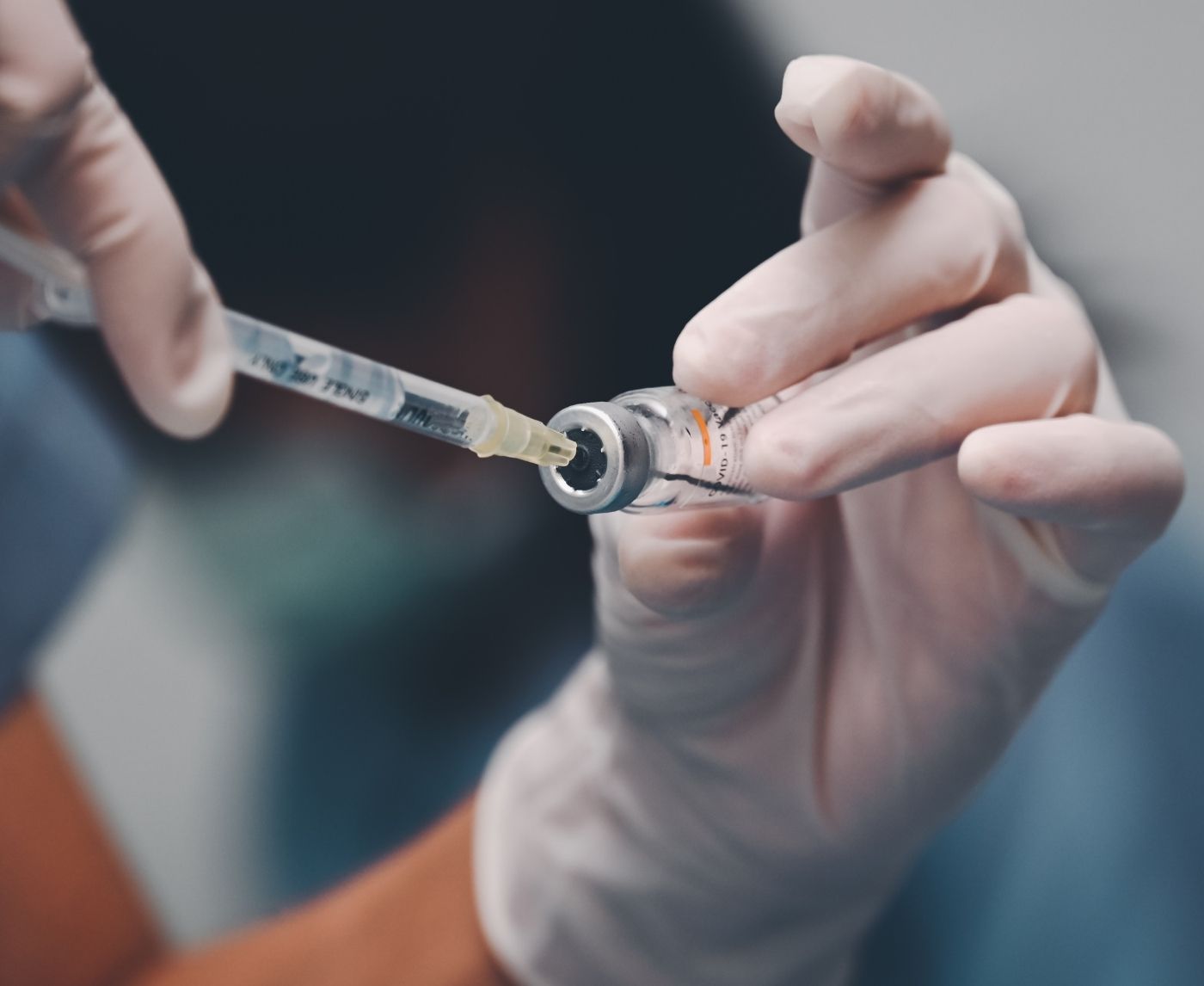
Quick Answer: Syphilis treatment usually involves a penicillin injection that starts killing the bacteria within hours. Many people experience symptom changes within days, but full monitoring takes several months because doctors confirm treatment success through follow-up blood tests.
First Things First: How Doctors Treat Syphilis
Despite all the advances in medicine over the past century, the primary treatment for Syphilis is still something remarkably simple: penicillin.
More specifically, doctors use a long-acting antibiotic called benzathine penicillin G. It’s given as an intramuscular injection, usually in the hip or buttock, and slowly releases medication into your body over time.
Why penicillin? Because the bacteria that causes Syphilis, Treponema pallidum, remains extremely sensitive to it. In other words, the organism that causes this infection still hasn’t developed widespread resistance, which is rare in modern infectious disease treatment.
Most people only need a single injection if the infection is caught early. If the infection has been present longer, doctors may recommend additional doses spaced a week apart.
| Stage of Infection | Common Treatment | Typical Doses |
|---|---|---|
| Primary Syphilis | Benzathine penicillin injection | 1 dose |
| Secondary Syphilis | Benzathine penicillin injection | 1 dose |
| Early latent | Penicillin injection | 1 dose |
| Late latent | Penicillin injections | 3 weekly doses |
If someone is allergic to penicillin, doctors may prescribe alternative antibiotics, though penicillin is still considered the most reliable option. In certain cases, especially during pregnancy, doctors may still use penicillin even if allergies exist, with careful medical supervision.
The Treatment Timeline: What Actually Happens After the Shot
One of the most common questions people ask after receiving treatment is simple: How fast does this actually work?
The antibiotic begins attacking the bacteria almost immediately, but the way your body reacts can vary. Some people notice symptom changes quickly, while others barely feel anything at all.
Here’s a general timeline doctors often describe to patients.
| Time After Injection | What May Happen |
|---|---|
| First 24 hours | Antibiotic begins killing bacteria. Some people feel mild soreness at injection site. |
| 24–48 hours | Possible flu-like reaction called Jarisch-Herxheimer reaction. |
| 3–7 days | Symptoms like sores or rashes often start to go away. |
| 2–6 weeks | Most visible symptoms resolve. |
| 3–12 months | Doctors confirm treatment success through follow-up blood tests. |
One infectious disease specialist once described the process like this:
“The antibiotic kills the bacteria quickly, but the body needs time to clear the damage and the immune response.”
That’s why the treatment timeline isn’t measured just in days, it’s measured in follow-up tests months later.
The Strange Reaction Some People Experience After Treatment
A surprising number of people experience something called the Jarisch–Herxheimer reaction within the first day after treatment.
It sounds intimidating, but it’s actually a sign the antibiotic is doing its job.
When a lot of bacteria die quickly, they release chemicals that make the body react by getting inflamed. You might feel sick for a little while, like you have the flu.
People sometimes describe it like this:
“I thought the shot made me sick. Then the doctor explained it was actually the infection dying.”
Symptoms usually appear within 24 hours and fade within a day.
Common symptoms include:
- Fever
- Chills
- Muscle aches
- Headache
- Temporary worsening of rash
It’s uncomfortable but temporary. Doctors often recommend rest, hydration, and over-the-counter pain relievers if needed.
Importantly, this reaction does not mean the treatment failed. In fact, it’s often associated with the antibiotic successfully killing the bacteria.
How Symptoms Change After Treatment
The symptoms people notice after treatment depend largely on which stage the infection was in when it was discovered.
For example, someone treated during early Syphilis may have a painless sore called a chancre. That sore usually heals within a few weeks once antibiotics begin working.
Someone treated during secondary Syphilis might have experienced a rash, often on the palms of the hands or soles of the feet. That rash gradually fades over several weeks.
But here’s something that surprises many people: sometimes symptoms disappear even before treatment. Syphilis has a habit of becoming temporarily silent.
That’s one reason doctors rely on blood tests to confirm treatment success instead of symptoms alone.
When Are You No Longer Contagious?
One of the first questions people ask after treatment is whether they can still pass Syphilis to someone else. It’s a reasonable question, especially if you’re in a relationship or dating.
Most of the time, the antibiotic starts to lower the risk of infection right away. But doctors usually tell people not to have sex until their treatment is over and any visible symptoms, like sores or rashes, have completely healed.
Even though the bacteria die quickly, healing tissues can still contain infectious organisms for a short period. Giving your body time to recover protects both you and your partners.
| Situation | Typical Recommendation |
|---|---|
| After single-dose treatment for early syphilis | Avoid sex for about 7 days and until sores heal |
| If multiple injections are required | Wait until the full course is complete |
| If symptoms persist | Avoid sexual contact until symptoms resolve |
Many clinicians also recommend notifying recent sexual partners so they can be tested. It can feel awkward, but it’s one of the most important steps in preventing the infection from spreading unknowingly.
If you’re unsure where to start with testing or want a discreet way to check your status, you can learn about reliable at-home testing options at STD Rapid Test Kits, which offers confidential screening tools for several infections.
Why Doctors Still Schedule Follow-Up Blood Tests
Here’s something that surprises many patients: even after treatment works, your blood tests for Syphilis may remain positive for a long time.
This doesn't mean that the infection is still going on. Instead, it shows how the immune system remembers the infection. The antibodies your body made during the infection can be found for years after.
To confirm treatment success, doctors track how certain blood test numbers decline over time. These tests measure antibody levels rather than just whether antibodies exist.
| Time After Treatment | Purpose of Test |
|---|---|
| 3 months | Confirm antibody levels are declining |
| 6 months | Evaluate treatment success |
| 12 months | Long-term confirmation infection resolved |
It's like watching a storm on a radar screen slowly fade away. Doctors want to see lab results that show the infection is gone, even though it might be.
If the levels of antibodies don't go down as expected, doctors may look into it more. This may require extra tests or treatment, but most people see their results get better over time.
What Recovery Actually Feels Like for Many People
Physically, recovery from Syphilis treatment is usually straightforward. Most people feel normal within days, aside from the occasional soreness at the injection site.
Emotionally, however, the experience can be more complicated.
Some patients are embarrassed or worried about what other people will think. Some people are just glad that the infection can be treated and controlled.
One patient described the moment after treatment this way:
“The doctor gave me the shot, and I remember thinking, wait, that’s it? I’d spent days imagining something much worse.”
In reality, the biggest part of recovery is often the mental shift from uncertainty to clarity. Once treatment begins and follow-up care is scheduled, most people can return to their normal lives quickly.
Sex, Reinfection, and Moving Forward
Treatment cures the infection you currently have, but it doesn’t provide immunity. That means reinfection is possible if you’re exposed again.
This is why doctors and nurses often tell their patients to talk to their partners about getting tested and to use protection during sex, especially while they wait for confirmation tests.
Regular screening is one of the most effective ways to protect yourself and others. If you’re unsure about your current status or want a discreet way to monitor your health, a rapid at-home syphilis test kit can provide quick insight before scheduling clinical care.
Testing isn’t about shame, it’s about staying informed. Sexual health is simply another part of overall health, and being proactive makes a real difference.
What Happens If Syphilis Is Treated Later in the Infection?
Many people discover Syphilis long after the initial infection. The early symptoms can be subtle, painless, or easy to mistake for something else. A small sore might heal on its own, or a rash might fade before someone even considers testing.
The reassuring reality is that treatment still works in later stages. The same antibiotic, penicillin, can eliminate the bacteria even when the infection has been present for months or longer.
The main difference is how the treatment is given and what doctors keep an eye on afterward.
| Approximate Stage | Typical Treatment Plan | Why It Changes |
|---|---|---|
| Early infection (under 1 year) | Single penicillin injection | Bacteria are easier to eliminate |
| Latent infection | Three weekly injections | Ensures deeper bacterial clearance |
| Possible neurological involvement | Hospital-based IV antibiotics | Requires stronger treatment |
Even if the infection has gotten worse, treatment still stops the bacteria from hurting the body any more. It can't always fix problems that have already happened, though.
This is why early testing remains so important.
How Long It Takes the Body to Fully Recover
Once the bacteria causing Syphilis are eliminated, your body begins the process of repair. In many cases, physical recovery happens fairly quickly.
Infections that happen early on usually heal in a few weeks. The rashes that come with secondary syphilis usually go away at the same time. As the inflammation goes down, tiredness and other symptoms that affect the whole body slowly go away.
However, full medical follow-up lasts longer than the visible symptoms. Doctors rely on declining antibody levels in blood tests to confirm that the infection has truly resolved.
For many people, the timeline looks something like this:
- Days: Antibiotic begins killing bacteria.
- Weeks: Visible symptoms get better.
- Months: Blood test markers steadily decline.
- One year: Doctors confirm treatment success.
Patients are sometimes surprised by this long monitoring period, but it's just how infectious disease specialists make sure the infection is gone.
Common Myths About Syphilis Treatment
Because Syphilis has been around for centuries, a lot of outdated ideas still circulate online. Some of these myths can create unnecessary fear or confusion.
A lot of people think that treatment is hard or painful. Most people only get one shot and then go back to their normal lives pretty quickly.
Another myth is that the infection is automatically cured when the symptoms go away. Symptoms may go away for a short time even without treatment. This is why it is important to get the right medical care and follow-up tests.
Some people also assume that treatment provides lifelong immunity. Unfortunately, that isn’t the case. A person can become infected again if they’re exposed in the future.
Understanding these realities helps people make informed choices about testing and prevention.
Testing and Staying Ahead of Future Infections
One of the most empowering things someone can do after treatment is build testing into their regular healthcare routine. Screening allows infections to be caught early, when treatment is simplest and complications are least likely.
For people who prefer privacy or convenience, at-home testing can be a helpful option. Reliable kits allow individuals to check their status discreetly and follow up with healthcare providers if results indicate infection.
STD Rapid Test Kits offers a variety of screening tools for common sexually transmitted infections, including private testing options.
Regular testing isn’t about assuming something is wrong, it’s about staying informed and protecting both your health and your partners’ health.
FAQs
- 1. How quickly does syphilis treatment actually start working?
- Faster than most people expect. The penicillin shot starts killing the bacteria within hours, even if you don’t feel anything happening. Some people notice symptoms improving within a few days, while others never had symptoms to begin with, so the biggest confirmation usually comes from follow-up blood tests weeks or months later.
- 2. What does the syphilis shot actually feel like?
- It’s not anyone’s favorite moment, but it’s usually over quickly. The injection goes into a large muscle, often the hip or upper buttock, and people describe it as a deep, heavy pressure rather than a sharp sting. Your leg or hip might feel sore for a day or two afterward, similar to how your arm feels after a strong vaccine.
- 3. Why did I feel sick the day after treatment?
- That can happen, and it has a name: the Jarisch–Herxheimer reaction. When the antibiotic kills a lot of bacteria quickly, the body can react with fever, chills, headache, or muscle aches for about 12–24 hours. It can feel like you’re coming down with the flu, but ironically it’s often a sign the treatment is doing exactly what it’s supposed to do.
- 4. After treatment, do I have to wait to have sex again?
- Doctors usually recommend waiting about a week after treatment and making sure any sores or rashes have healed completely. The goal is simple: give the antibiotic time to work and avoid passing the infection along before it’s fully cleared. If you’re unsure, it’s always reasonable to ask your clinician before jumping back into sexual activity.
- 5. Why do doctors keep testing me months later if I’m already treated?
- It's not always easy to read blood tests for syphilis. Doctors keep an eye on those numbers because the antibodies your body made during the infection can stay in your body for years. It's like looking for smoke after the fire is out.
- 6. Can I get syphilis again after being treated?
- Yes, and that surprises a lot of people. Treatment clears the infection you currently have, but it doesn’t create immunity the way some vaccines do. Routine testing is a good idea because it can keep people from getting sick again if they come into contact with the virus again.
- 7. Is it normal to feel embarrassed about having syphilis?
- Completely normal, but also incredibly common and nothing to be ashamed of. Sexual health clinics diagnose and treat STIs every day, and healthcare providers approach them the same way they would any other infection. Most people walk away from treatment realizing it was far more manageable than the anxiety leading up to it.
- 8. What if I had syphilis and didn’t know for a long time?
- It happens more often than people think. Early symptoms can be painless or subtle, so many cases are discovered during routine screening rather than because someone felt sick. The encouraging part is that treatment still works even if the infection has been there for a while.
- 9. Do I really have to tell my partner?
- It can feel like the hardest conversation in the world, but it’s also one of the most important. Letting your partners know lets them get tested and treated early, which keeps them healthy and stops the infection from coming back to you later.
- 10. How do people usually find out they have syphilis in the first place?
- It's surprising how often routine testing finds things that aren't obvious. Someone might get screened during a regular checkup, pregnancy exam, or STI panel and discover the infection before they ever noticed anything unusual. That’s why regular testing plays such a huge role in stopping the infection early.
You Deserve Answers, Not Anxiety
Testing positive for Syphilis can send your mind spinning. One minute you’re reading a lab result, the next you’re imagining worst-case scenarios from internet forums and half-understood health pages. But here’s the reality doctors see every day: syphilis is treatable, manageable, and far less mysterious once you understand the timeline.
The goal isn’t panic. The goal is clarity. Get treated, follow the recovery plan your clinician recommends, and complete the follow-up blood tests that confirm the infection is gone. Each step replaces uncertainty with real information, and that’s what brings peace of mind.
Start with a reliable screening option like the Combo STD Home Test Kit if you're not sure about your status or want to check without anyone knowing before seeing a provider. The process is simple, and your results are kept private. It's always better to know where you stand than to guess.
How We Sourced This Article: This article draws on guidance from major public health organizations, peer-reviewed infectious disease research, and educational resources used in sexual health clinics. We reviewed clinical guidelines on syphilis treatment, medical studies on Treponema pallidum, and patient education materials from trusted medical institutions to make sure the information here is accurate and easy to understand.
- Centers for Disease Control and Prevention – Syphilis Fact Sheet
- Centers for Disease Control and Prevention – STI Treatment Guidelines: Syphilis
- World Health Organization – Syphilis Fact Sheet
- National Institutes of Health – Syphilis Management and Treatment Review
- NHS – Syphilis Overview and Treatment
- Planned Parenthood – Syphilis Overview