Vaginal Birth with Hepatitis B: Myths, Facts, and What to Expect
Quick Answer: Vaginal birth is usually safe if you have hepatitis B, as long as your baby receives proper protection at birth, namely the hepatitis B vaccine and HBIG within 12 hours.

Quick Answer: Vaginal birth is usually safe if you have hepatitis B, as long as your baby receives proper protection at birth, namely the hepatitis B vaccine and HBIG within 12 hours. Cesarean delivery is not routinely required.
Why This Topic Matters More Than You Think
If you’ve just been diagnosed, or you’re helping someone who has, you’re probably swimming in worry, guilt, and confusing Google results. Many people assume they’ll be forced into a C-section or that their baby is guaranteed to be infected. The truth is, hepatitis B can be managed with the right steps. This article is for:
People diagnosed during pregnancy. People who’ve known they were chronic carriers for years. Parents-to-be who are scared of hurting their baby. And anyone who's ever felt the weight of stigma wrapped around a virus they didn’t know they had.
We’ll explain when hepatitis B transmission during birth can happen, how it's prevented, what delivery method is usually recommended, and what testing and follow-up look like for your baby. No shame. No judgment. Just facts and options you can actually use.

Can Hepatitis B Be Passed to the Baby During Birth?
Yes, but it is preventable. Perinatal transmission is the name given to the passing on of the hepatitis B infection from mother to child. This occurs at the time of delivery and definitely not during pregnancy. This can happen when an infant comes in contact with blood or vaginal fluids that carry the infection.
Without any intervention, studies estimate that up to 90% of infants born to hepatitis B-positive mothers, particularly those with high viral loads, can become infected. But here’s the good news: With the right medical response, that number drops to less than 1%.
Transmission risk is tied more closely to viral load (how much virus is in your blood) than the method of delivery. That’s why the real conversation isn’t just vaginal birth vs C-section, it’s about timing, testing, and protecting your baby after birth.
Myth vs Fact: Do You Need a C-Section If You Have Hepatitis B?
This is one of the biggest misconceptions. Many pregnant people assume they’ll need a cesarean if they test positive for HBsAg (hepatitis B surface antigen). But according to guidance from the American College of Obstetricians and Gynecologists (ACOG) and the CDC, cesarean delivery is not routinely recommended for hepatitis B infection.
Here’s what actually matters:
| Factor | Effect on Delivery Recommendation |
|---|---|
| Hepatitis B Surface Antigen (HBsAg) Positive | Monitor viral load, no automatic C-section needed |
| High Viral Load (>200,000 IU/mL) | May require antiviral treatment during pregnancy |
| No Access to Birth-Dose Vaccine or HBIG | Higher risk; C-section may be considered in some regions |
| Routine Vaccine + HBIG Available | Vaginal delivery considered safe |
Figure 1. Delivery decisions depend more on viral load and newborn protection than on delivery method itself.
Bottom line? Unless there are other medical reasons, you can usually plan for a vaginal birth, even if you’re hepatitis B positive.
What Actually Protects Your Baby at Birth?
Here’s where science steps in hard and fast: If your baby receives two things within 12 hours of birth, they are highly protected:
- The first dose of the hepatitis B vaccine
- A shot of hepatitis B immune globulin (HBIG), which offers immediate antibodies
When given together, these two protections reduce transmission risk by 90–95%, even for mothers with high viral loads. This is the standard of care in most developed countries and is considered both safe and highly effective.
If your hospital is properly stocked, and they almost always are, these shots will be given to your newborn in the delivery room or recovery unit. And yes, they’re safe, even for premature babies.
Want to check ahead of time? Ask your provider or birth center: “Do you routinely administer the hep B vaccine and HBIG within 12 hours for HBsAg-positive deliveries?” It’s a totally reasonable question, and can offer serious peace of mind.
Labor, Delivery, and Hepatitis B: What Actually Happens
Labor can be intense no matter your diagnosis, but having hepatitis B adds a layer of mental load that most birth plans don’t talk about. The good news? For most people, the experience of labor and vaginal delivery with hepatitis B looks nearly identical to any other birth.
One key difference? Your care team will take extra steps to minimize any unnecessary interventions that could increase blood exposure. That might mean delaying artificial rupture of membranes (breaking your water), minimizing internal fetal monitoring, or avoiding vacuum-assisted delivery unless medically necessary.
None of this is about shame. It’s about giving your baby the safest start possible while preserving your autonomy. Providers may also wear extra protective equipment and mark your chart as “infectious precautions” , again, this is about universal safety, not stigma.
And remember: your diagnosis doesn’t define how you labor. You can still use water birth setups (with caution), epidurals, or go unmedicated, whatever fits your body and your birth vision.
What If My Viral Load Is High?
Now, let’s assume that your test reveals that you have a high viral load, which means that your body contains a higher level of the Hepatitis B virus than usual (being above 200,000 IU/mL). This won’t affect your vaginal delivery, but it may affect your third-trimester pregnancy care.
Your healthcare provider may also prescribe an antiviral treatment with tenofovir, which is normally begun at about weeks 28-32 to prevent viral transmission during delivery. The antiviral has been found to be safe during pregnancy and has been tested and proven to show a significant reduction in viral loads at the time of delivery.
It's a proactive step, not a punishment. And it means that you’re doing everything possible to keep your baby protected while also managing your own health. After birth, your baby will still need the vaccine and HBIG. But reducing the viral load makes those defenses even more effective.
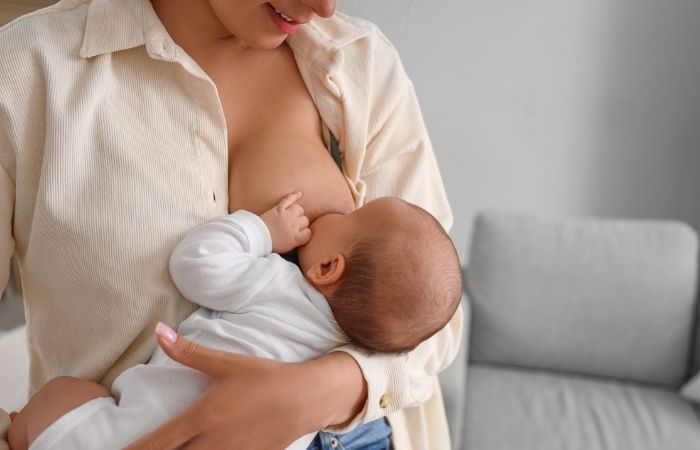
“They Told Me I Couldn’t Breastfeed. They Were Wrong.”
Leena, 28, gave birth at a small rural hospital after testing positive for hepatitis B during her second trimester. “My OB was calm, but one of the nurses panicked,” she recalls. “She told me I couldn’t breastfeed my son unless I got on meds or pumped and dumped.”
That moment stuck with her, not because it was true, but because it wasn’t. In fact, both the CDC and WHO support breastfeeding for hepatitis B-positive mothers as long as the baby receives the hepatitis B vaccine series on schedule.
Hepatitis B is not transmitted through breast milk. Even if your nipples crack or bleed, the vaccine’s protective effect is strong enough to prevent infection. The only time you might be advised to hold off is if you have open wounds or untreated nipple trauma, but this would apply even without hepatitis B.
Leena ended up breastfeeding exclusively for eight months. Her son tested negative at 12 months and again at 18. “I'm so glad I didn’t let fear win,” she says.
What Testing Will My Baby Need?
After the birth dose of the hepatitis B vaccine and HBIG, your baby should continue the standard vaccine series at 1 month and 6 months. Then comes the moment of truth: a blood test at 9 to 12 months of age to check whether they were infected and whether they developed immunity.
This test is called post-vaccination serologic testing (PVST) and looks for two things:
| Test | What It Checks | What the Result Means |
|---|---|---|
| HBsAg (Surface Antigen) | Whether baby has active infection | Negative = No infection |
| Anti-HBs (Surface Antibody) | Whether baby developed protection | Positive = Protected |
Figure 2. These tests confirm your baby is hepatitis B-free and has built immunity after vaccination.
If your baby didn’t develop enough protection (low antibody levels), your pediatrician may recommend another vaccine dose or series. But this is rare when all doses were given on time. Tracking these milestones on your calendar, and asking about follow-up, is part of what turns knowledge into power.
Should My Partner Get Tested Too?
Short answer? Probably yes. Even if you’re not sure how or when you got hepatitis B, it’s possible your partner was the source, or could now be at risk. The virus can spread through sex, shared razors or toothbrushes, and in rare cases, even close household contact. The CDC recommends testing sexual partners of anyone who tests positive for hepatitis B surface antigen (HBsAg).
This doesn’t have to be a fight, a blame game, or a confession booth. Testing your partner is an act of mutual care. If they’re negative, they can get vaccinated. If they’re positive, they can get medical follow-up. Either way, it opens up a plan, not panic.
Not sure where to start? This rapid test kit for hepatitis B lets partners test discreetly at home in just minutes. No appointment, no waiting room, no sideways glances.
What About Shame, Judgment, and Stigma?
Let’s pause here, because for many people, the hardest part of giving birth with hepatitis B isn’t the delivery. It’s the shame that shows up uninvited.
Some new moms have told us they worried staff would treat them differently once the diagnosis was in their chart. Others feared they wouldn’t be allowed skin-to-skin contact, or that their baby would be taken for tests without their consent. These fears are real, and valid, but they don’t have to define your experience.
You deserve a care team that understands the facts: that hepatitis B is manageable, common, and not your fault. That a vaginal birth can be safe and normal. That your baby is not doomed, and neither are you.
If someone treats you like a risk instead of a person, it’s not your diagnosis that’s broken. It’s the system. Push back. Bring support. Ask questions. And remember: parenting from a place of empowerment starts here.
Privacy, Delivery Prep, and Your Birth Plan
If you’re feeling overwhelmed, here’s what to focus on before delivery:
| Checklist Item | Why It Matters |
|---|---|
| Confirm hospital stocks HBIG and hepatitis B vaccine | Prevents delay in protecting your newborn |
| Bring your hepatitis B lab results to L&D | Ensures care team acts quickly and correctly |
| Include vaccine consent in your birth plan | Avoids confusion or pushback on newborn shots |
| Discuss delivery method and interventions in advance | Helps prevent unnecessary procedures that raise transmission risk |
Figure 3. Your birth plan can support both your autonomy and your baby’s safety with a few specific additions.
Worried about hospital privacy or staff reactions? It’s okay to ask how your records are labeled and who has access. HIPAA protects your diagnosis, and staff are trained not to stigmatize, but being proactive can give you peace of mind.
FAQs
- 1. Do I seriously have to get a C-section just because I have hepatitis B?
- Nope. That’s one of the biggest myths we hear. Unless there’s another medical reason for a cesarean, most people with hepatitis B can deliver vaginally. Your doctor should focus more on your viral load and your baby’s protection, not automatically schedule surgery.
- 2. Can my baby actually get hepatitis B during birth?
- Yes, but not if the right steps are taken. The virus usually spreads during delivery, not before. But here’s the good news: with the birth-dose vaccine and HBIG given in the first 12 hours, your baby is 90–95% protected. Think of it as a biological shield, not a gamble.
- 3. I was told I can’t breastfeed. Is that true?
- That’s outdated advice, and flat-out wrong if your baby is vaccinated. The CDC and WHO both say you can safely breastfeed, even with hepatitis B. The virus doesn’t pass through breast milk, and even if your nipples crack, the vaccine protection still holds. So yes, latch away.
- 4. What’s this HBIG shot they keep mentioning?
- It’s short for hepatitis B immune globulin, a one-time injection of ready-made antibodies your baby gets right after birth. It works fast to neutralize any virus they might have been exposed to during delivery, while the vaccine teaches their immune system what to do long-term. It’s a one-two punch that saves lives.
- 5. Do I need meds during pregnancy if I have hep B?
- Maybe. If your viral load is high, your OB might prescribe antiviral meds like tenofovir during the third trimester. They’re safe during pregnancy and help lower the amount of virus in your blood before birth. That way, your baby starts life with way less risk.
- 6. What happens if my baby misses the vaccine window?
- Timing is everything. The vaccine and HBIG should be given within 12 hours. Missing that window increases the risk of infection. If there’s ever a delay, talk to your pediatrician immediately, they may still act fast, but the earlier the better.
- 7. How do I know if the vaccine worked?
- Your baby will get a blood test around 9 to 12 months old. It checks two things: whether they caught the virus, and whether they built protection. Most babies test negative and immune. If not, they may need another dose, but that’s rare with on-time shots.
- 8. Should I tell the hospital in advance?
- Yes. Give them a heads-up. That way, they’ll be ready with the vaccine and HBIG. Bonus tip? Bring a copy of your positive test just in case records don’t transfer smoothly. It’s not about paranoia, it’s about preparation.
- 9. Can I have skin-to-skin contact after birth?
- Absolutely. Hepatitis B isn’t spread by cuddling or holding your baby. Skin-to-skin helps regulate their heartbeat, temperature, and bonding. Unless your provider says otherwise for a different reason, go ahead and soak in those first moments.
- 10. Does my partner need to get tested?
- Yep, especially if they’ve never been vaccinated. Hepatitis B spreads through sex and close contact, so knowing their status helps you both plan. The good news? At-home test kits make this step easy, private, and totally judgment-free.
Before You Panic, Here’s What to Do Next
A hepatitis B diagnosis during pregnancy can feel like a punch to the chest. But knowledge is your armor. The facts are clear: You can still have a natural, empowering birth. Your baby can be protected. And your story doesn’t end at diagnosis, it starts with action.
Don't leave your questions unanswered. This discreet combo test kit helps you or your partner screen for hepatitis B and other common STDs from home, quickly, privately, and on your terms.
How We Sourced This Article: We combined current guidance from leading medical organizations with peer-reviewed research and lived-experience reporting to make this guide practical, compassionate, and accurate. In total, around fifteen references informed the writing; below, we’ve highlighted some of the most relevant and reader-friendly sources.