What Happens If You Get an STD After Paid Sex?
Quick Answer: Testing positive for an STD after paid sex doesn’t mean your life is over. Most STDs are curable or manageable, and at-home retesting can confirm results privately. But transmission still happens.
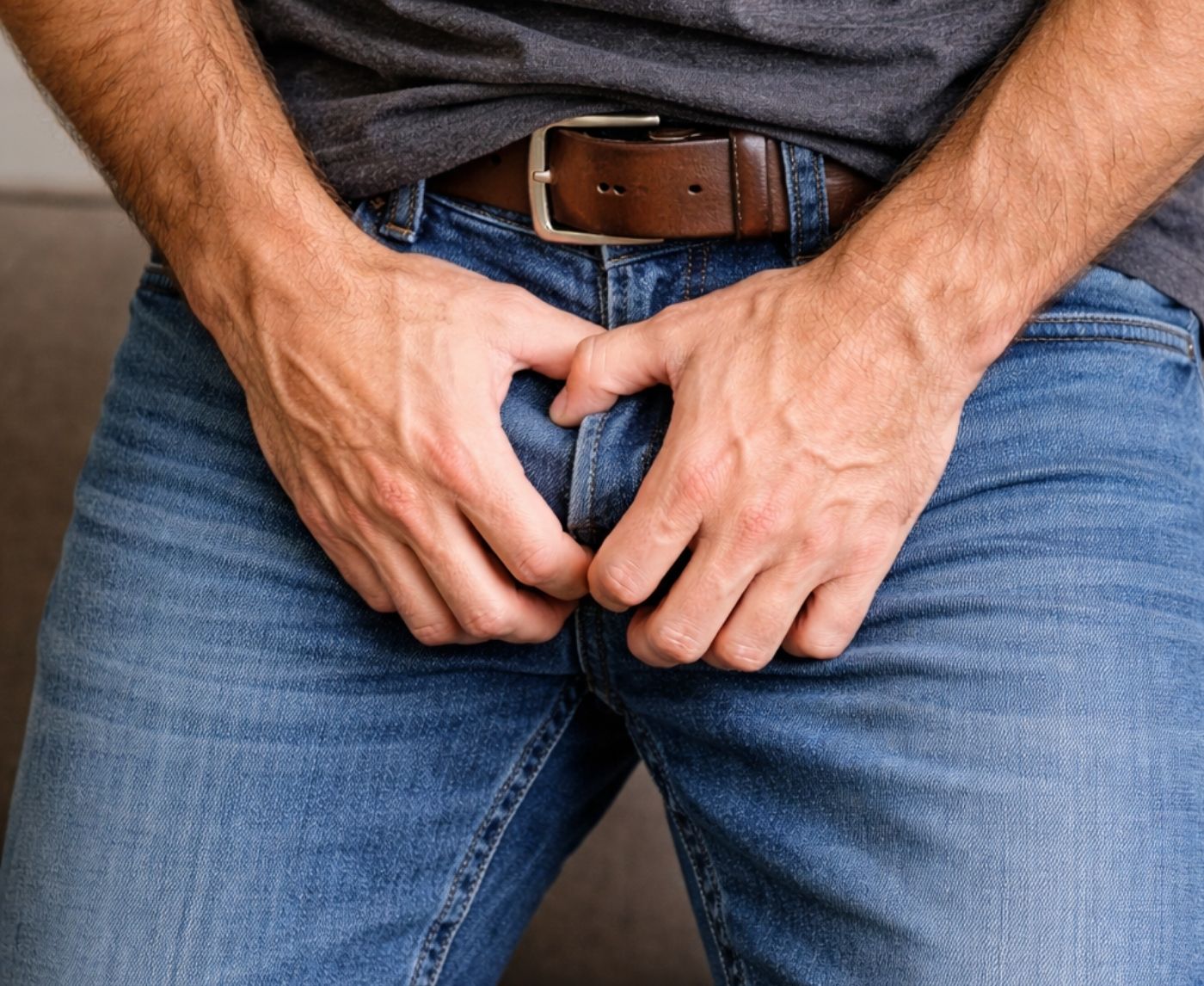
Quick Answer: Testing positive for an STD after paid sex doesn’t mean your life is over. Most STDs are curable or manageable, and at-home retesting can confirm results privately. Treatment and next steps depend on the infection and timing.
This Guide Is for Anyone Sitting in the Panic
This is for the person who only did it once. For the person who used a condom and still tested positive. For the person who doesn’t know how to explain it to their partner, or even to themselves. Whether you’re queer, straight, single, poly, in a relationship, or just…human and scared, this guide is yours.
We also know that paid sex doesn’t equal dirty or wrong. Sex workers are part of a system where people are often tested more regularly than the average person. But transmission still happens. Condoms don’t cover everything. And some infections don’t show symptoms at all.
We’re going to cover what tests actually mean, what’s likely to be accurate, and when you should retest. We'll talk through how at-home STD tests work, when to seek treatment, and how to navigate telling a partner, if you choose to. You’ll walk away knowing you’re not alone, and you have options.
What Counts as a Positive Test (and What Might Be a False Alarm)
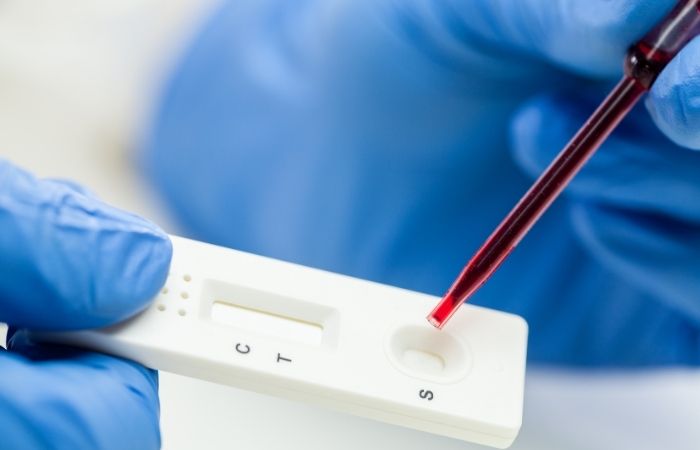
Let’s say you used an at-home rapid test kit for chlamydia, gonorrhea, syphilis, or HIV and got a reactive or “positive” result. First thing: don’t assume it’s final. Rapid tests are meant to flag likely positives, but some types (like syphilis or HIV antibody tests) can pick up past infections or give false positives if used too early.
According to CDC screening recommendations, you may need a confirmatory test through a lab, especially for HIV or syphilis. For others like chlamydia or gonorrhea, a second sample through a mail-in PCR kit can provide clarity.
Some people also confuse symptoms with STDs. A rash might be shaving irritation. A sore might be a zit. A UTI might burn like gonorrhea but come from bacteria unrelated to sex. That’s why timing, and test choice, matters.
Window Periods Matter: You Might Have Tested Too Soon
Here’s the catch that messes with so many people: you can test too early and get either a false negative or a confusing positive. Every STD has a different “window period”, the time between exposure and when a test can reliably detect infection. If you test within a few days of the encounter, you might not get an accurate result.
| STD | Type of Test | Earliest Testing Window | Best Time to Test |
|---|---|---|---|
| Chlamydia | NAAT (PCR) | 5–7 days | 14 days after exposure |
| Gonorrhea | NAAT (PCR) | 5–7 days | 14 days after exposure |
| Syphilis | Antibody Test | 3–6 weeks | 6–12 weeks after exposure |
| HIV | Antigen/Antibody or RNA | 2–4 weeks | 6 weeks+ for confirmation |
| Herpes (HSV) | Blood Antibody Test | 3–6 weeks | 12–16 weeks for max accuracy |
Figure 1. Window periods by STD. Testing earlier is possible, but follow-up is often needed to confirm.
If your test was within a week of the encounter, the result might not reflect the full picture. Retesting at the 2-week or 4-week mark can offer more certainty, depending on the infection type.
If you’re spiraling over when and how to test, STD Test Kits has timed bundles you can do at home with no doctor visit or awkward pharmacy checkout.
Why Retesting Is Often the Most Responsible (and Calming) Step
Julian, 34, got a positive result for syphilis six days after a Vegas trip where he’d visited a massage parlor. He was floored. “I didn’t even have intercourse,” he said. “Just some touching. Everything was covered.” His rapid test glowed faintly pink, and he panicked, Googled like mad, ordered a second kit, then went to a clinic. That lab test? Negative.
This happens more often than you'd think. Some rapid tests will pick up lingering antibodies from past infections, false positives, or even errors in timing. Retesting gives you a second data point, and time for your body to produce clear results. This isn’t just a backup. It’s strategy.
So when should you retest?
| Retesting Scenario | Recommended Timing | Why It Matters |
|---|---|---|
| Early positive test (before 2 weeks) | Retest at 14–21 days | Reduces chance of false positives or early errors |
| Ongoing symptoms | Repeat testing at 3–4 weeks | Some STDs take longer to detect accurately |
| After treatment | Retest at 3 months (some at 6 weeks) | Ensures cure and no reinfection |
| HIV concern | Retest at 6 and 12 weeks | HIV antibody/antigen tests mature over time |
Figure 2. Suggested retesting intervals after exposure or treatment.
If your positive result came from an at-home syphilis rapid test, you may want to follow up with a lab-based antibody test. For chlamydia or gonorrhea, retesting with a PCR swab or urine test after 14 days is often enough.
Do I Have to Tell Anyone?
This is the question that can paralyze someone: “Do I have to tell my partner? What if they find out?” The answer is layered, but let’s start here: you do not owe your trauma, your shame spiral, or your full sexual history to anyone who won’t hold it with care. But partners who could be exposed deserve medical transparency.
If you're in a relationship and just tested positive for something like chlamydia or gonorrhea after seeing a sex worker, yes, it’s wise to disclose. But it doesn’t have to be a morality play. Keep the focus on health and timing:
“I just tested positive for chlamydia. I got tested because I wasn’t feeling right after a recent experience. I’m getting treated, and I wanted to let you know so you can decide whether to test too.”
You don’t have to say who, what, or how. Some states even offer anonymous notification services. The CDC’s partner notification page lists options for texting, emailing, or even having a clinic do it for you.
If you're single or if the encounter was casual, the ethical math may feel messier. Do your best, but don't collapse under guilt. The best thing you can do is get treated, test again, and protect the next person. Healing counts too.
Privacy Isn’t Just a Feature, It’s a Lifeline
Most people who test positive after a sex work encounter don’t want to walk into a clinic and explain the context. That’s why discreet at-home testing exists, and it’s not just convenient. It’s protective. Kits from STD Test Kits arrive in unmarked envelopes, with no “STD” language on the outside. No awkward billing line item. No pharmacy checkout.
But privacy goes beyond the packaging. Your test results stay with you unless you choose to share them. No reports to insurance. No mandatory reporting unless you’re in a public health risk situation (like a known syphilis outbreak). This is care on your terms.
If you’re on the move, many people keep a combo kit in their bag while traveling, especially after bachelor parties, festivals, or long hotel weeks. Testing yourself 7–14 days after an encounter, privately, can be the difference between silent exposure and early treatment.
Your Next Step Could Change Everything (In a Good Way)
Whether you’re sitting with a confirmed positive or just scared you’re about to be, the worst thing you can do is freeze. Not because of danger, but because of mental spirals. Testing again, treating early, and being clear with yourself and partners helps cut off shame before it blooms.
One test can calm the storm. 7-in-1 Complete At-Home STD Test Kit covers multiple infections and ships fast, because clarity should never take a backseat to stigma.
Next up: what happens if treatment is needed, how long recovery takes, and what it looks like to move on from a diagnosis with your head up.
Treatment Is Not Punishment, It’s Just Medicine
Let’s kill the myth right now: getting treated for an STD doesn’t mean you’re dirty, reckless, or deserve anything bad. It means you’re human, you caught something, and you’re choosing care over silence.
If you tested positive for a bacterial infection like chlamydia, gonorrhea, or syphilis, treatment is usually a simple antibiotic course, often one dose or a short prescription. No hospitalization. No long-term consequences if caught early.
Ty, 29, tested positive for gonorrhea after a trip to a sex worker in his hometown. “I didn’t even feel symptoms,” he said. “I only tested because I read a Reddit thread about throat gonorrhea. Got treated the same week, told a recent partner, and they were chill. I’d built it up to be this huge moral drama. It wasn’t.”
For HIV or herpes, treatment is more long-term, but both are manageable. Antivirals can reduce outbreaks, prevent transmission, and allow you to live a full life, sex life included. According to the U.S. Department of Health & Human Services, people living with HIV who are undetectable cannot transmit the virus through sex. That’s not hope. That’s data.
If you’re unsure where to start, many telehealth services now prescribe antibiotics for STIs remotely after verified results. And at-home kits often include guidance for what to do if your test is positive, some even connect you to providers.

Yes, You Can Heal, and Still Have a Sex Life
This is the part no one says out loud: after testing positive, especially if it followed paid sex, people often feel they’ve “tainted” themselves. That sex is off-limits. That pleasure has to come with punishment now. It doesn’t.
Sylvia, 41, got herpes after what she called a “brief rebellion phase” following divorce. “I’d only seen two people, one was a massage guy I found online. When the test came back positive, I cried for days. But therapy helped. Antivirals helped. Having partners who didn’t flinch helped. It took time, but my sex life is alive again.”
Most people you date, especially those who are also sex-positive, won’t judge a past infection. They’ll want to know what it means for them. That’s it. And when you lead with honesty and testing, you give them a chance to choose you back, without fear.
If you’re still in panic mode, pause. Breathe. Take the test again, or for the first time, on your terms. Your future hasn’t been cancelled. It just got a little louder, and maybe a little braver.
Don’t Let Stigma Speak Louder Than Science
We get it, no one wants to Google “gonorrhea symptoms after massage parlor” or “positive chlamydia test one-time sex worker.” It feels embarrassing, taboo, even wrong. But those search terms are how you find real help. The shame is not yours to carry.
The truth? Plenty of people get exposed during protected sex. Some STDs don’t care about condoms because they spread skin-to-skin (like HPV or herpes). Others pass from oral or hand-to-genital contact. You could’ve done everything “right” and still tested positive.
Testing positive isn’t proof of immorality, it’s proof you cared enough to check. That’s it. And whether this was a one-time thing or part of your regular sexual routine, you’re allowed to keep going, with more knowledge in your corner.
FAQs
- 1. I used a condom, how did I still end up with something?
- Condoms are awesome, but they’re not magic forcefields. STDs like herpes, HPV, and syphilis can spread from areas condoms don’t cover, like the base of the penis, scrotum, or surrounding skin. So yes, it’s totally possible to “do everything right” and still catch something. That doesn’t mean you messed up.
- 2. When should I get tested after seeing a sex worker?
- If you’re symptom-free, aim for 2 weeks after exposure to catch things like chlamydia and gonorrhea. For syphilis and HIV, the sweet spot is 4 to 6 weeks. But if you're panicking now, it's okay to test early, just know you might need to retest. Testing early is a snapshot. Retesting later gives you the full picture.
- 3. My test showed a faint line, what does that even mean?
- Faint lines are like texts from your ex at 3AM: unclear and emotionally destabilizing. Sometimes they mean you’re positive. Sometimes they mean the test caught something old, or the timing was off. Best move? Retest in a week using a different method, like a mail-in lab kit or a different brand. Trust, but verify.
- 4. I don’t have any symptoms, can I still have an STD?
- 100% yes. Most people with chlamydia or gonorrhea don’t feel a thing. Same with early HIV or herpes. That’s what makes testing so important. No burning? No itching? Doesn’t mean you’re in the clear. Some infections whisper instead of scream.
- 5. Do I have to tell my partner I tested positive?
- That’s complicated, but here’s the real talk: if they could be exposed, they deserve to know. But how much detail you share, that’s your call. You don’t have to confess your entire sexual journey. Keep it medical, keep it kind: “I tested positive and I’m getting treated. You might want to test too.” Done.
- 6. What if I got it from the sex worker, should I tell them?
- If you have a safe and respectful way to reach them, it’s a decent thing to do. But you're not morally required to track them down. Many professionals test frequently and take precautions. If the encounter was arranged through an agency, some have private channels for this kind of thing.
- 7. Will my STD test show up on my insurance or record?
- Not if you use an at-home test. Kits ordered online are private, no insurance billing, no EMR, no awkward chart note that says “GONORRHEA POSSIBLE?” Your results are yours, unless you decide to share them. That’s why a lot of people use them after one-night stands or paid sex, no paper trail.
- 8. How long after treatment can I hook up again?
- Depends on the infection. For bacterial STDs like chlamydia or gonorrhea, most treatments clear things up in 7 days, but don’t have sex until the meds are done and your symptoms are gone. Herpes? You’re less contagious when you’re not having an outbreak, especially if you're on daily meds. Ask your doc or check your kit’s guidance for specifics.
- 9. Could this be from a past partner and not the sex worker?
- Yep. A lot of STDs hang out quietly for weeks, or even months, before getting noticed. So if this was your first time paying for sex but not your first time having sex, the timing might be tricky. That’s why test history matters as much as sexual history.
- 10. Can you really get something from a massage?
- If it was a legit massage, no. But if there was skin-to-skin contact, oral, hand stuff, or genital rubbing, then yes, certain infections can still transmit. We’ve seen people get herpes from mutual touching, or syphilis from oral. If something felt “iffy,” testing is the safest reset button you’ve got.
You Deserve Answers, Not Assumptions
Getting an STD after any sexual encounter, paid or unpaid, can trigger shame, fear, and a thousand what-ifs. But here’s the truth: testing is a form of self-respect. So is treatment. So is having hard conversations when you need to. You didn’t fail. You acted.
Your next steps are simple: retest if you’re unsure, seek treatment if needed, and move forward with more knowledge than you had before. Whether you’re telling no one or telling your partner, know that you are not alone.
Don’t wait and wonder, get the clarity you deserve. This at-home combo test kit checks for the most common STDs discreetly and quickly.
How We Sourced This Article: We combined current guidance from leading medical organizations with peer-reviewed research and lived-experience reporting to make this guide practical, compassionate, and accurate. In total, around fifteen references informed the writing; below, we’ve highlighted six of the most relevant and reader-friendly sources. Every external link in this article was checked to ensure it leads to a reputable destination and opens in a new tab, so you can verify claims without losing your place.