Burning After Antibiotics? It Might Not Be a Yeast Infection
Quick Answer: Burning, itching, or discharge after antibiotics isn’t always a yeast infection. Disrupted vaginal flora can increase your risk for STDs like trichomoniasis, chlamydia, or BV. But the burning didn’t stop.”
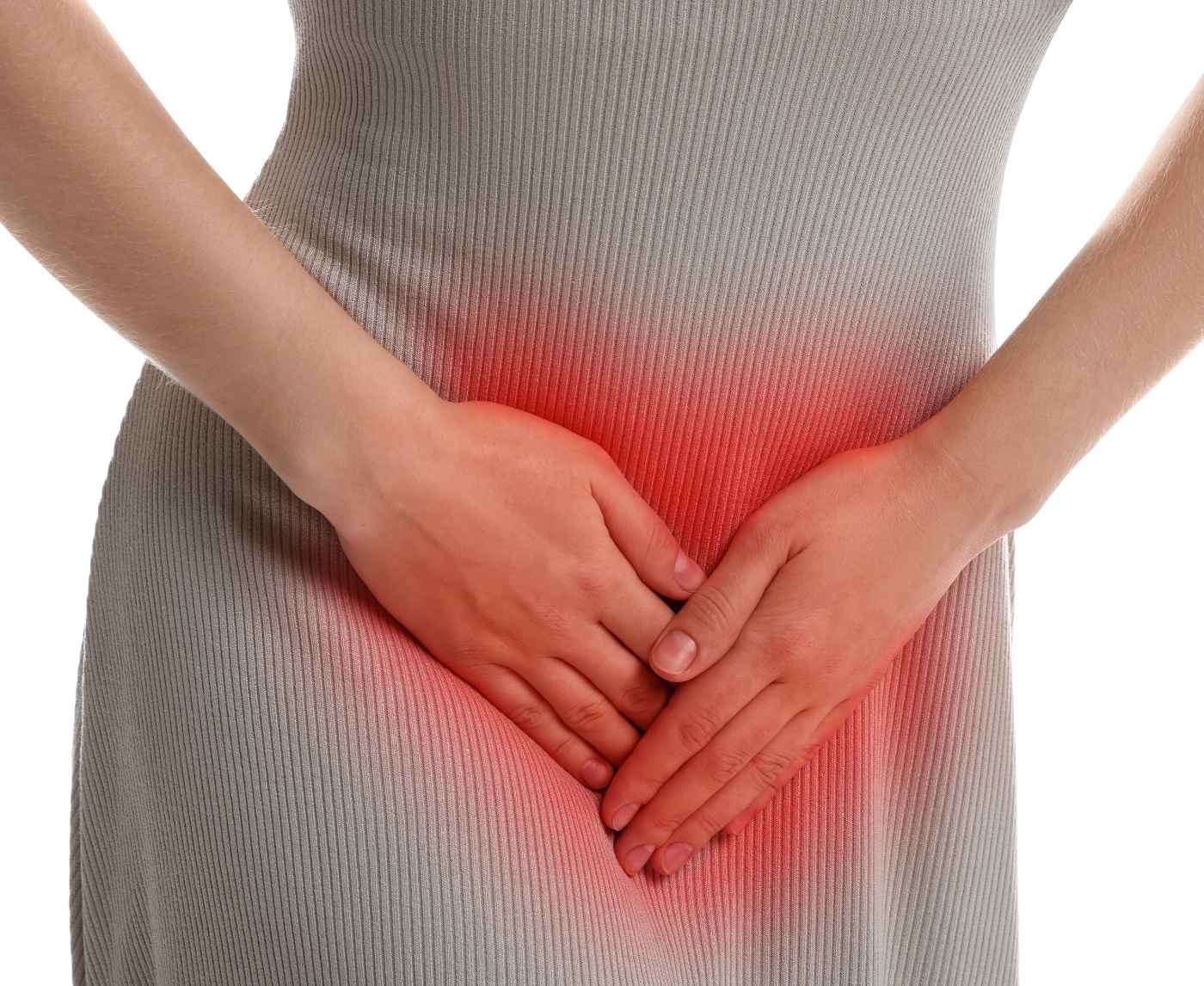
Quick Answer: Burning, itching, or discharge after antibiotics isn’t always a yeast infection. Disrupted vaginal flora can increase your risk for STDs like trichomoniasis, chlamydia, or BV. If symptoms don’t respond to antifungals, test for STDs.
“I Treated a Yeast Infection, But It Kept Coming Back”
Lana, 31, had just finished antibiotics for strep throat when the symptoms started: “It felt like sandpaper inside me. I assumed it was just another yeast infection, so I used Monistat. But the burning didn’t stop.” After two failed treatments, she went to a clinic. “They told me it was trichomoniasis. I didn’t even know what that was.”
“I had no idea antibiotics could make me more vulnerable. I thought I was just unlucky.”
Stories like Lana’s are common, and rarely talked about. Post-antibiotic symptoms are easy to dismiss or self-diagnose. But when your vaginal microbiome takes a hit, the chain reaction can be more serious than it seems. Some STDs, especially trich, BV, and chlamydia, thrive in environments where protective bacteria are depleted.
If you’ve had recurring yeast infections after antibiotics, or treatments that don’t work, it’s time to ask a different question: could this be something else entirely?

How Antibiotics Wipe Out Your Vaginal Defenses
Antibiotics aren’t picky. When they go to war against an infection, they often kill both the “bad” and “good” bacteria. In the gut, this might cause digestive issues. But in the vagina, it can destabilize the entire protective ecosystem. Your vaginal flora, especially species like Lactobacillus crispatus, help maintain an acidic environment that naturally fights off invaders, including some STDs.
When this system breaks down, several things can happen:
| Flora Disruption | What Happens Next |
|---|---|
| Lactobacilli are depleted | Vaginal pH rises, reducing defense against pathogens |
| Yeast like Candida albicans overgrow | Causes classic thrush symptoms: itching, white discharge |
| Opportunistic bacteria thrive | Can lead to bacterial vaginosis or chlamydia colonization |
| STDs find easier entry | Damaged tissue and flora make infection more likely |
Table 1. How antibiotics disrupt the vaginal ecosystem, increasing susceptibility to infections.
It’s not just about what grows, it’s about what gets wiped out. And that opens the door to a cascade of misdiagnoses and mistreatments. A burning sensation could easily be yeast, or it could be an STD that took advantage of a weakened barrier.
STDs That Mimic Yeast Infections
Some STDs share overlapping symptoms with yeast infections, especially when your body is already inflamed or off-balance from antibiotic use. Here are a few common culprits that often get misread:
| Condition | Shared Symptoms | Distinguishing Features |
|---|---|---|
| Trichomoniasis | Itching, burning, discharge | Greenish or frothy discharge, strong odor, often missed on routine exams |
| Chlamydia | Mild discharge, irritation | Often no symptoms; may cause bleeding after sex or pelvic pain later |
| Bacterial Vaginosis (BV) | Itching, discharge | Strong fishy odor, gray discharge, usually no swelling or redness |
| Herpes | Burning, irritation | Sores or tiny blisters, may look like shaving cuts or ingrown hairs |
Table 2. STDs and infections that can present like a yeast infection after antibiotic use.
Here’s the catch: if you treat these conditions like yeast with OTC antifungals, they won’t go away. Worse, symptoms might temporarily improve, only to return stronger, leaving you frustrated and ashamed. The longer you go without correct treatment, the greater the risk of complications like PID or transmission to partners.
If you’re unsure, test. You don’t need to wait for a clinic appointment or go through a pelvic exam. This at-home combo STD test checks for multiple infections discreetly and can help you stop guessing.
When Burning Doesn’t Mean Yeast: Real Stories, Real Misses
Jocelyn, 24, had just finished antibiotics for a root canal when she noticed a sudden itch and thick discharge. “It felt exactly like the yeast infections I had in college, so I didn’t think twice.” She treated it with an antifungal suppository, but symptoms came back within a week. On her second visit to urgent care, a nurse practitioner suggested an STD test. “I was floored, it turned out to be trichomoniasis. I didn’t know I could have it with no new partners.”
“I felt embarrassed, like I’d missed something obvious. But no one tells you antibiotics can make you more vulnerable.”
Trichomoniasis doesn’t get the same attention as herpes or chlamydia, but it’s one of the most common and underdiagnosed STDs, and it thrives when the vaginal environment is disrupted. According to the CDC, over 70% of people with trich don’t experience obvious symptoms. When they do, they often mistake it for something else, especially after a round of antibiotics, which alters the natural balance that keeps trich in check.
When Should You Test After Antibiotics?
If your symptoms started after finishing antibiotics, and especially if antifungal treatment didn’t help, don’t wait. Testing for STDs and BV can clarify what’s really going on. Here’s how to think about the timeline:
If it’s been fewer than five days since your symptoms started, you can test now, but retesting later may still be needed. Some infections, like chlamydia or BV, can be detected within days. Others, like trichomoniasis, may require specific swab or urine tests and aren’t always found on routine pelvic exams.
If you’ve already self-treated with antifungals and symptoms are still present after 3–5 days, or if they return, it’s a red flag. You might be treating the wrong infection entirely.
Key symptoms that often appear within a week after antibiotics:
- Itching deep in the vagina, not just external
- Burning during urination or sex
- Discharge that smells different, changes color, or returns quickly
- General inflammation or sensitivity without visible sores
These aren’t always signs of yeast. And treating them with the wrong meds only delays real answers. A rapid STD test can help identify the source and stop the cycle of symptom-chasing.
Not All “Recurrent Yeast” Is Actually Yeast
Repeated yeast infections, especially those that come back after treatment, are often misdiagnosed. In many cases, what’s being treated as recurrent yeast is actually another infection or flora imbalance entirely.
A study published in the journal Sexually Transmitted Diseases found that nearly 30% of women treated for self-diagnosed yeast infections actually had BV, trich, or no infection at all when tested clinically. What they had in common? They’d all recently taken antibiotics.
Important reminder: Over-the-counter yeast treatments will not help, and can sometimes worsen, the symptoms of STDs or BV. They may even mask some signs, leading to false reassurance and further delays in diagnosis.
Instead of going round and round with creams, pills, and suppositories, hit pause. If you’ve had more than two "yeast" infections after a single round of antibiotics, or if symptoms resolve and then come back again, it’s time to test for something more.
How Long Does It Take for Your Flora to Recover?
There’s no exact rule, but research shows that vaginal flora can remain imbalanced for weeks after antibiotic treatment, especially if no probiotic support is added. For some people, it takes up to 30 days for Lactobacillus species to re-establish dominance.
During this window, you’re more vulnerable to:
- Sexually transmitted infections (especially trichomoniasis and chlamydia)
- Recurrent BV
- Overgrowth of non-albicans yeast species, which don’t respond to common antifungals
This doesn’t mean you need to avoid sex entirely, but it does mean your defenses are temporarily down. Condoms, STI testing, and giving your body time to reset can help prevent a chain reaction of confusing, recurring symptoms.
Think of your flora like a garden: antibiotics are a wildfire. After the fire, weeds pop up first unless you actively replant. That’s why probiotic support, testing, and symptom tracking matter so much in the weeks after a course of antibiotics.
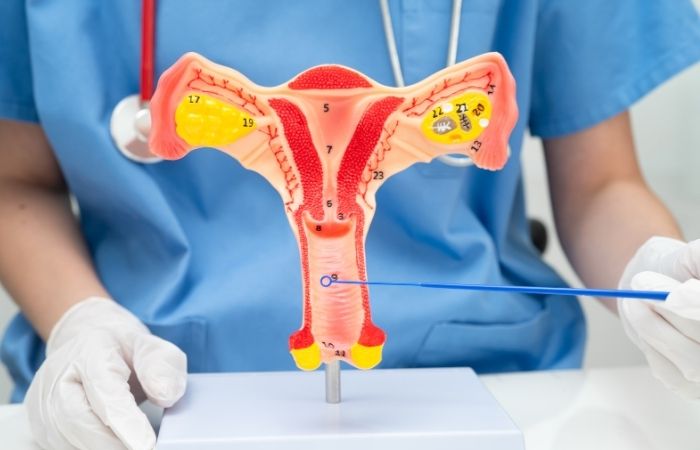
How At-Home STD Testing Can Break the Cycle
If you’ve been through multiple yeast treatments with no relief, or if your symptoms came back after antibiotics and just won’t quit, it’s time to test smarter, not harder. At-home STD testing is one of the most overlooked tools in this space, especially for people who feel dismissed, embarrassed, or just too busy for clinic visits.
Modern rapid tests and mail-in lab kits can detect trichomoniasis, chlamydia, gonorrhea, and more. They’re discreet, accurate, and require just a urine sample or vaginal swab, no speculum, no small talk, no waiting room.
For readers who suspect BV or yeast but keep getting recurring symptoms, the best option is a multi-infection test. That way, you can rule in, or rule out, everything from the start. No more guessing, no more delay.
Order your rapid test today, results in minutes. This combo STD test checks for the most common culprits of post-antibiotic discomfort and comes in discreet packaging.
Can You Take Probiotics With Antibiotics to Prevent This?
Yes, and for many, it helps. Probiotic strains like Lactobacillus rhamnosus and Lactobacillus reuteri have been shown to support vaginal flora during and after antibiotic use. Some supplements are designed specifically to be taken alongside antibiotics to reduce vaginal side effects.
However, it’s not a perfect fix. If you’re sexually active and your flora is already compromised, probiotics may not be enough to block an STD from taking hold. They help, but they don’t test or treat. So if symptoms like itching, discharge, or burning appear, even if you’re on probiotics, testing is still crucial.
And remember: not all probiotics are created equal. Many yogurts and probiotics do not contain the strains that are helpful for the vagina. Seek out products that are specifically designed for vaginal health, or speak with your provider about other options, such as vaginal probiotics in a suppository form.
What If It’s Just BV? Do I Still Need to Worry?
Although bacterial vaginosis is not an STD, it is not harmless. Bacterial vaginosis makes the vaginal environment more alkaline. This makes your body more susceptible to other STDs such as chlamydia and HIV. It also makes you more susceptible to PID. It makes the transmission of STDs more probable.
So while BV might not be passed through sex like herpes or gonorrhea, it plays a role in increasing vulnerability. That’s why treating BV quickly, and fully, is important. If it keeps returning after antibiotics, don’t assume it’s the same infection. It could be an STD that’s mimicking BV symptoms or co-infecting in the same space.
Always retest after treatment if symptoms return. And always test for other STDs if BV keeps recurring, especially after new partners or after antibiotic use.
How to Protect Your Vaginal Flora Going Forward
Whether you've had one bad round of symptoms or you’re stuck in a frustrating loop, there are ways to protect your vaginal flora, especially during antibiotic use or new sexual exposures:
- Use condoms consistently, especially after antibiotics
- Space out antibiotics when possible, and avoid unnecessary prescriptions
- Add probiotics targeted for vaginal health during and after treatment
- Avoid douching or scented products that strip good bacteria
- Test for STDs proactively, especially if symptoms linger
And most importantly, don’t settle for a diagnosis that doesn’t match what you’re feeling. If it’s not yeast, but it looks and feels like it, it’s time to look deeper. You know your body better than anyone else. If it’s telling you something’s off, trust it, and test to know for sure.
FAQs
- 1. Why do I always get a yeast infection after antibiotics?
- Because antibiotics don’t discriminate, they wipe out the good bacteria that normally keep yeast in check. It’s like bulldozing your front yard and being surprised when weeds pop up. But here's the twist: not everything that looks like yeast actually is. Post-antibiotic symptoms can be BV, trich, or even an STD quietly taking advantage of your unprotected terrain.
- 2. How can I tell if it’s yeast or something else?
- Yeast usually brings thick, white, clumpy discharge (like cottage cheese), intense itching, and redness outside the vagina. If your discharge is gray, smells weird, or the itching feels deeper inside, or if the antifungal you used didn’t work, it might be time to rethink the diagnosis. Think of it as your body saying, “Nice try, but not quite.”
- 3. Can antibiotics make it easier to get an STD?
- Yep. When your protective bacteria get wiped out, it’s like leaving the door unlocked. Infections like trichomoniasis and chlamydia love a disrupted vaginal environment. And if you had sex while on antibiotics or shortly after, your body might’ve been a much easier target than usual.
- 4. I’ve treated this twice, and it keeps coming back. Am I doing something wrong?
- Nope. But your treatment might be aimed at the wrong target. If you’ve done fluconazole or creams more than once and nothing’s changed, or it got worse, it’s time to test. Recurrent “yeast” is often code for “this was BV or an STD all along.” You’re not crazy, and you’re not alone.
- 5. Is it safe to use over-the-counter yeast treatments without testing first?
- It’s common, and sometimes totally fine. But if you’re on round two (or three) with no relief? Time to pause. OTC antifungals don’t treat BV, trich, herpes, or anything bacterial. Plus, masking the symptoms can delay a real diagnosis. Test first, treat smart.
- 6. Can probiotics actually help, or is that just wellness fluff?
- Real talk: they can help, but not all are created equal. You want strains like Lactobacillus rhamnosus or reuteri, and not just yogurt. Some vaginal-specific probiotics can rebuild your flora faster after antibiotics. It’s not magic, but it’s like giving your body the right tools to reseed its garden.
- 7. What’s trich again? Isn’t that super rare?
- Actually, trichomoniasis is one of the most common STDs in the world, and one of the least talked about. It’s often symptomless but can cause burning, discharge, or itching that mimics yeast. Most people have never heard of it until they test positive. It’s sneaky, but treatable.
- 8. Should I wait to test if I just finished antibiotics?
- Not necessarily. If symptoms started after antibiotics and haven’t improved with yeast treatment, test now. Just know that if you test too early (like within 2–3 days of exposure), some infections might not show up yet. When in doubt, test now and again in a few weeks if symptoms stick around.
- 9. Is it BV if it smells fishy but doesn’t itch?
- Classic BV move. That grayish discharge with a strong odor, especially after sex, is usually BV. It often doesn’t itch, and it doesn’t always cause inflammation. But don’t self-diagnose too confidently, some STDs can smell off too. Test to be sure.
- 10. Can I really do all this at home?
- Yes, you can. No stirrups, no awkward waiting room small talk. This combo test checks for the big players, trich, chlamydia, gonorrhea, and you can collect your sample in your own bathroom. Clarity shouldn’t come with shame or inconvenience.
You Deserve Answers, Not Assumptions
If you’ve been stuck in the frustrating loop of “yeast infection” after every round of antibiotics, you’re not alone, and you’re not crazy. Your body is sending you signals, and sometimes those signals point to something more than yeast. Whether it’s BV, trichomoniasis, or another STD, you deserve real answers and a path forward that doesn’t involve another round of guesswork.
Don’t wait and wonder, get the clarity you deserve. This at-home combo test kit checks for the most common STDs discreetly and quickly.
How We Sourced This Article: We combined current guidance from leading medical organizations with peer-reviewed research and lived-experience reporting to make this guide practical, compassionate, and accurate. In total, around fifteen references informed the writing; below, we’ve highlighted six of the most relevant and reader-friendly sources. Every external link in this article was checked to ensure it leads to a reputable destination and opens in a new tab, so you can verify claims without losing your place.