STD or BV? When the Only Symptom Is Smell
Quick Answer: Vaginal odor, especially fishy or sour smells, can be caused by BV, trichomoniasis, or rarely by other STDs. The only way to know for sure is to test. BV isn't an STD, but can be triggered by sex.
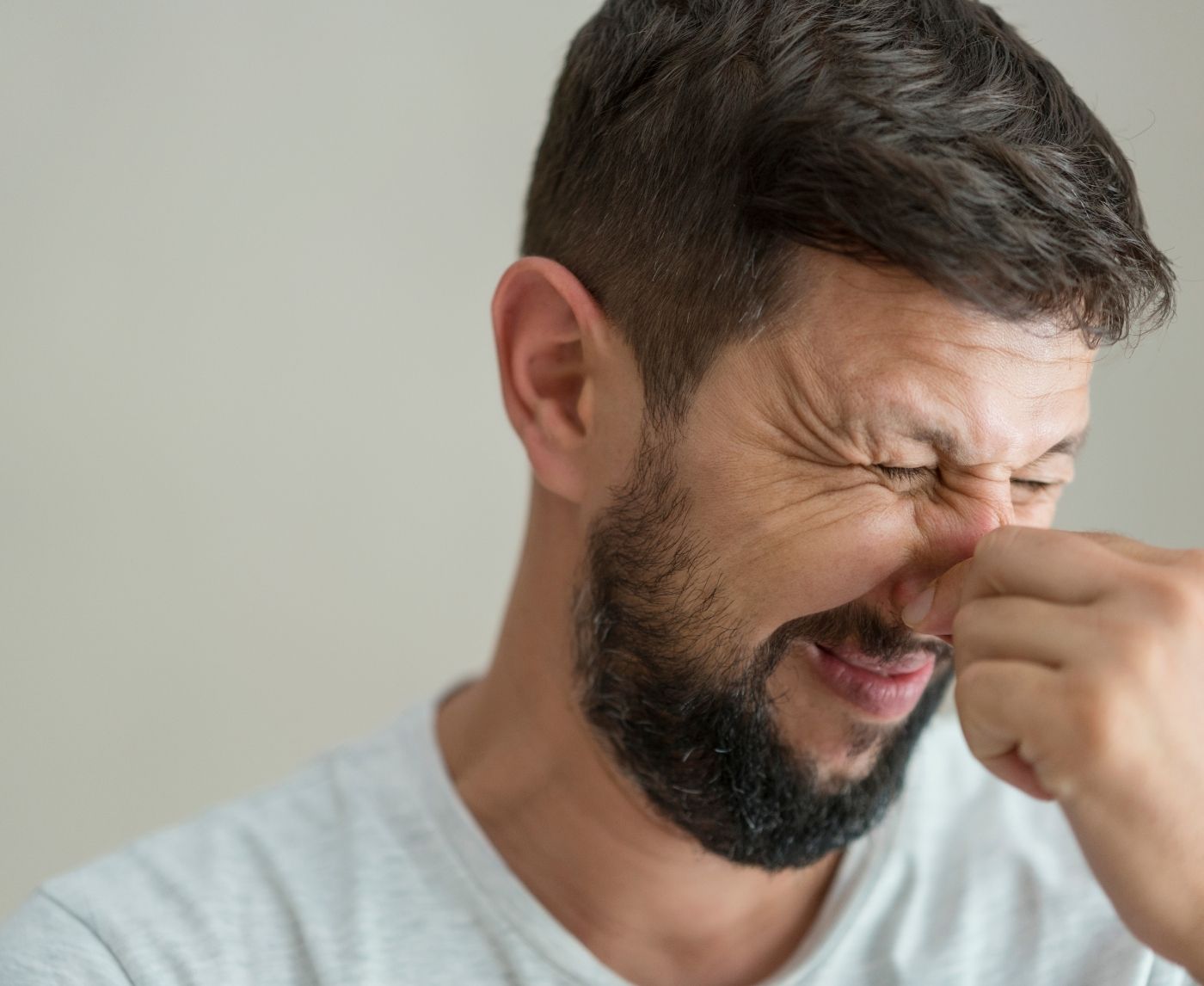
Quick Answer: Vaginal odor, especially fishy or sour smells, can be caused by BV, trichomoniasis, or rarely by other STDs. The only way to know for sure is to test. BV isn't an STD, but can be triggered by sex. If the smell persists or changes, get tested for both BV and common STDs.
When Smell Is the Only Warning Sign
We’ve been taught to look for obvious signs: burning, itching, bumps. But for thousands of people, especially those assigned female at birth, the only early symptom of an infection might be a shift in vaginal odor. It can be faint or intense. It might show up after sex, during a new relationship, or during your period. And it doesn’t always come with discharge or pain.
So what causes that fishy or sour smell? The most common culprit is BV, an imbalance in the natural bacteria that live in the vagina. It’s not an STD, but sex can trigger it. BV causes a distinct “off” smell, often described as metallic or like rotting fish, especially after unprotected intercourse. The smell may be worse when semen mixes with vaginal fluids, raising the pH level and letting bad bacteria flourish:contentReference[oaicite:0]{index=0}.
But BV isn’t the only possible cause. Some STDs like trichomoniasis also produce strong-smelling discharge. That’s where it gets confusing. Many people mistake trich for BV, and vice versa. And because both can be present without itching or pain, smell might be your only clue something’s wrong.
“I Thought It Was Just BV, But It Wasn't”
Nina, 28, had dealt with BV before. “Every time I had a new partner, it would flare up,” she said. So when the smell came back, fishy, strong, and noticeable during oral, she assumed it was BV again. She bought over-the-counter gels, tried probiotics, and cut out sugar. Nothing worked.
“I finally went in for a full panel, thinking I just needed antibiotics. Turns out I had trich, and I never would have known if I hadn’t tested.”
Trichomoniasis is one of the most underdiagnosed STDs in the U.S., despite being extremely common. It often presents without classic symptoms, especially in people with vaginas. But one telltale sign, according to both the CDC and recent studies, is a strong, unpleasant vaginal odor:contentReference[oaicite:1]{index=1}.
BV vs STD: Key Differences in Smell, Discharge, and Triggers
When odor is your only red flag, the challenge is knowing what you're really dealing with. Here’s how BV and common STDs stack up when smell is the primary concern:
| Condition | Smell Description | Discharge | Other Clues |
|---|---|---|---|
| Bacterial Vaginosis (BV) | Fishy, sour, metallic, worse after sex | Thin, gray or white discharge | No itching or pain; often recurring |
| Trichomoniasis | Strong, musty or fishy odor | Yellow-green, frothy discharge | Can include mild itching or irritation |
| Chlamydia/Gonorrhea | Usually odorless, but can worsen existing BV | May be cloudy or mucusy, light or heavy | Often no symptoms at all |
| Yeast Infection | Not typically smelly | Thick, white, “cottage cheese” discharge | Itching and burning are primary symptoms |
Figure 1. Key differences between BV and common vaginal infections when smell is the dominant symptom.
So… What Should You Do First?
If your only symptom is vaginal odor, but it’s persistent, recurring, or worse after sex, it’s time to test. Start with both a BV check and a basic STD panel. You can do this through a clinic or from home with discreet test kits. Many people find out they had both BV and trich at the same time.
BV can be diagnosed through a pH test or microscope swab. STDs like trich, chlamydia, and gonorrhea are usually detected via urine or vaginal swab using NAAT testing. These tests are highly accurate and can be done with self-collected samples.
When to Test: Timing Matters More Than You Think
It’s tempting to test right away after you notice a smell, but timing affects accuracy. Most common STDs have a “window period” between exposure and when a test can reliably detect them. The same goes for BV, which can fluctuate daily depending on sex, hygiene products, or even stress.
If you’ve recently had a new partner or unprotected sex and the smell started within days, testing right away might bring false reassurance. Many rapid tests won’t pick up infections until at least 7–14 days post-exposure. For trichomoniasis specifically, accuracy improves when tested 5+ days after potential exposure.
BV, however, can be detected anytime, since it's not caused by an outside pathogen, but an imbalance in your own vaginal flora. If you test for BV and it’s negative, but the smell continues, consider follow-up STD testing after the 1–2 week mark.
Choosing a Test: Clinic, Lab, or Home?
Now, let’s consider your options. If you are already in a state of panic, then waiting a number of days or being assessed in person will probably seem like a nightmare. This is why a number of people choose to use at-home testing, not only because it is easier, but because it allows them to avoid stigma, paperwork, and waiting.
Here’s how your options compare when odor is your only clue:
| Testing Option | Tests for BV? | Tests for STDs? | Privacy | Speed |
|---|---|---|---|---|
| Clinic or OB/GYN | Yes | Yes | Low–Moderate (in-person) | Same day to 1 week |
| Mail-In Lab Kit | Some offer BV panels | Yes | High (self-collected) | 2–5 days after mailing |
| Rapid At-Home Test | No | Yes (for trich, chlamydia, gonorrhea, etc.) | Very high | Results in minutes |
Figure 2. Comparing BV and STD testing options by privacy, speed, and scope.
If you’re not sure what you’re dealing with, a smart move is to start with a combo STD test that includes trichomoniasis. If that’s negative and odor persists, follow up with a BV test via clinic or telehealth service.
Do You Need to Retest? Here's When and Why
Sometimes you test negative and still smell something off. That doesn’t mean the test was wrong, it could mean you tested too early, or the odor is from something unrelated like pH shifts or product irritation. But if the smell worsens, comes back after treatment, or occurs with new partners, retesting is smart.
After treatment for trichomoniasis, it’s common to retest within 2–3 weeks to ensure the infection cleared. For BV, doctors usually recommend retesting if symptoms return within 3 months, since recurrence is high. If you used a home test early in the exposure window, a follow-up 2–3 weeks later can catch what was missed initially.
Amira, 32, found this out the hard way. She tested negative for everything two days after a risky hookup. “I felt relieved at first,” she said. “But by week two, the smell got stronger, and my discharge turned frothy.” A retest showed trich and BV together. “I almost skipped it, thought I was being paranoid.”
“Turns out my first test was too soon. I’m glad I listened to my gut, and got retested.”
Can You Prevent BV or Smell-Related Infections?
There’s no guaranteed way to prevent BV, but there are ways to reduce risk. Avoid douching. Use condoms consistently. Stick with unscented soaps and avoid heavily fragranced products inside or near the vagina. Consider probiotics, especially during periods of sexual activity with new partners.
For STDs like trich, consistent condom use lowers transmission, but it’s not foolproof. Trich can be spread even with partial contact, and it often hides without symptoms. That’s why regular testing matters even when nothing seems wrong.
Testing isn’t about guilt or punishment, it’s about clarity. Whether it’s odor, discharge, or just a bad feeling in your gut, you deserve answers.
Privacy, Shipping, and Getting Support Without Shame
One of the biggest reasons people delay testing is the fear of being seen, or judged. Whether it’s explaining a smell to a pharmacist, answering questions at a clinic, or even just buying a test at the store, stigma is real. That’s why discreet, at-home testing has become a lifeline for so many.
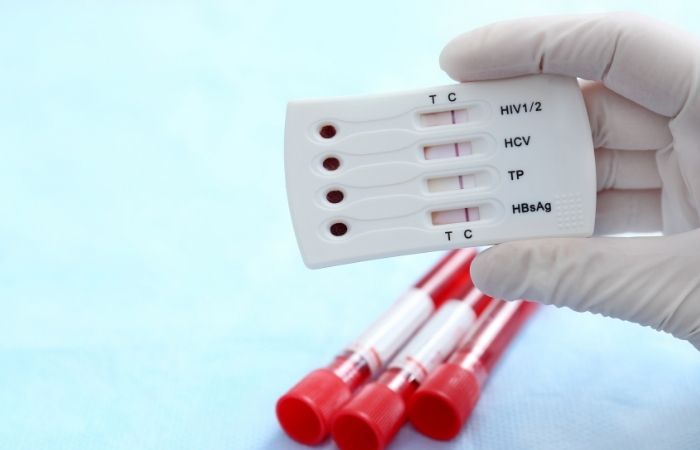
Most home STD test kits ship in plain, unmarked packaging. There’s no visible branding, no sexual health language on the box, and no embarrassing pharmacy pickups. Some providers even offer rush shipping or weekend delivery. If you live with roommates or parents, you can time delivery around your schedule or have it sent to a locker pickup.
And results? They're private. You control when, how, and if you share them, with a partner, a doctor, or no one. Many kits offer secure online portals, while rapid tests give you an answer in minutes right from your bathroom. If you need follow-up care, telehealth options exist that don’t require in-person appointments or insurance.
Curious about how it all works? You can learn more about STD Test Kits and their privacy practices here. Testing doesn’t have to be public, or scary.
If It’s Positive: You Still Have Options
The moment you see a positive test result, it’s easy to panic. But let’s be clear: most STDs are highly treatable, especially when caught early. Trichomoniasis is treated with a single dose of antibiotics. Bacterial vaginosis is usually cleared with a short course of oral or vaginal medication. And even if you test positive for something more serious, you’re not alone, and you’re not dirty.
Here’s what to do if your test is positive:
First, confirm the result. If you used a rapid test, follow up with a lab-based test if possible. If you used a mail-in kit, the results are lab-grade and typically don’t need reconfirmation. Next, contact a provider. That might be your OB/GYN, a telehealth service, or a sexual health clinic. Many will prescribe treatment based on your test results and symptoms without requiring a full exam.
Janelle, 26, got a positive result for trich after weeks of masking odor with pantyliners and sprays. “I felt gross. I cried in the bathroom,” she said. But a telehealth appointment changed everything. “They didn’t judge me. I had a prescription within an hour. The smell was gone in three days.”
“Now I test every few months. It’s just part of my routine, like getting my nails done.”
If your partner tests positive too, get treated together to prevent ping-pong reinfection. And if you’re unsure how to start that conversation, we’ve got guides that help with partner disclosure, even anonymously.
What If You Test Positive?
First things first, don’t panic. A positive result for an STD or BV doesn’t mean you’re dirty, broken, or reckless. It just means you have new information. And with that information, you can take care of yourself, quietly, confidently, and quickly.
If your test is positive for trichomoniasis, treatment is simple: usually a single dose of oral antibiotics like metronidazole. Partners should be treated at the same time to avoid reinfection. BV also responds well to antibiotics, either as pills or vaginal gels, depending on the provider’s recommendation. Neither requires hospitalization or invasive exams.
If your result is positive but confusing, maybe faint, maybe conflicting, you can always get a second opinion. Mail-in tests and clinic tests can confirm what a rapid at-home test suggests. The goal isn’t to label yourself, it’s to get answers and move forward.
Devon, 34, had no pain, no itching, just a strange metallic smell that wouldn’t go away. “I thought it was stress or soap or hormones,” he said. “Then my partner said they smelled it too.” He tested for everything. The result? Positive for both BV and trich. “I felt gross. But the relief I felt after treatment? Incredible.”
“The hardest part was thinking I was overreacting. But it turned out I was right to trust my gut.”
If you test positive, take the next step, quietly, privately. Many services now offer prescriptions via telehealth. You can even notify partners anonymously using online tools.
FAQs
- 1. Does a fishy smell always mean something’s wrong?
- Not necessarily. Vaginas have natural smells that shift with your cycle, sex, stress, even what you ate. But if the odor suddenly gets strong, sour, or metallic, and especially if it shows up after sex or won’t go away, that’s your sign to check things out. It could be BV, or it might be something more.
- 2. Can you have an STD and not know it?
- Totally. That’s the wild part, many STDs like chlamydia, gonorrhea, and even trich often have no obvious symptoms. No pain. No bumps. Nothing dramatic. Sometimes the only clue is a smell that’s “off.” That’s why odor-only symptoms deserve real attention, not just a spray of perfume.
- 3. What’s the difference between BV and trich when it comes to smell?
- BV tends to smell like fish, especially after sex. Trich? Also fishy, but funkier. More musty. Sometimes people say it’s “rank” or “sour-sweat-like.” BV’s discharge is usually thin and grayish. Trich can get frothy and yellow-green. But here’s the kicker: both can show up with no other symptoms. Just that smell.
- 4. If I already treated BV, why does the smell keep coming back?
- BV is the clingy ex of vaginal conditions, it loves a comeback. It can return after sex (especially without condoms), during hormone shifts, or even from soaps and scented products. If BV keeps haunting you, get tested for trich or other STDs too. A missed coinfection could be why treatment isn’t sticking.
- 5. Can I catch BV from my partner?
- Sort of. BV isn’t classified as an STD, but sex, especially with new or multiple partners, can definitely trigger it. Some researchers believe partners can carry and pass along the bacteria that disrupt your natural flora. Condoms can help. So can having honest, no-shame convos about testing and smell without judgment.
- 6. Is it okay to just treat the smell with boric acid or yogurt?
- We love DIY vibes, but be careful. Boric acid might mask symptoms or temporarily rebalance pH, but it won’t cure trichomoniasis or other infections. If the smell keeps returning, or comes with weird discharge, get tested. It’s not about shame. It’s about not guessing with your body.
- 7. How long should I wait to test after a new partner?
- If you notice odor right after sex, you can test for BV immediately. For STDs, give it at least 5–14 days post-hookup. That’s the sweet spot where most infections show up on tests. If you test too early and it’s negative, consider retesting at the 3-week or 1-month mark if things still feel off.
- 8. Can men carry trich or BV?
- Men can carry and pass along trich without symptoms. BV? They don’t get it themselves, but their semen can disrupt your vaginal balance, triggering flare-ups. If you keep treating odor and it comes right back after sex, your partner might need to test too, even if they feel fine.
- 9. Is discharge always part of BV or trich?
- Nope. Some people just get the smell. Others might notice watery or weird-colored discharge, but not always. That’s what makes these infections tricky. If your only symptom is smell, but it’s strong, recurring, or changes after sex, don’t wait for other symptoms. Trust your gut. Get checked.
- 10. Can I get tested for BV and STDs at the same time?
- Yes, and honestly, it’s smart to do both. Most at-home STD kits don’t include BV, but you can find packages or telehealth providers that screen for both. If you're not sure what you're smelling, a combo test gives you the clearest picture. No more second-guessing in silence.
You Deserve Answers, Not Assumptions
If you’ve been dealing with an unexplained smell, especially one that shows up after sex or sticks around despite showers and clean underwear, you are not alone. It’s not in your head. And it’s not something you just have to live with. Whether it’s BV, trich, or something else entirely, testing gives you power, not shame.
You don’t need to explain yourself at a clinic. You don’t need to wait weeks for answers. This at-home combo test kit checks for the most common STDs that could be causing odor, including trichomoniasis. It’s discreet, fast, and designed for people who need clarity without judgment.
Your body is communicating with you. Trust it. And trust yourself to get answers that protect your health, and your peace of mind.
How We Sourced This Article: We combined current guidance from leading medical organizations with peer-reviewed research and lived-experience reporting to make this guide practical, compassionate, and accurate. In total, around fifteen references informed the writing; below, we’ve highlighted some of the most relevant and reader-friendly sources.