Should I Get a Full STD Panel or Just Chlamydia and Gonorrhea?
Quick Answer: A full STD panel is best if you’ve had multiple partners, unprotected sex, or symptoms that don’t clearly point to one infection.
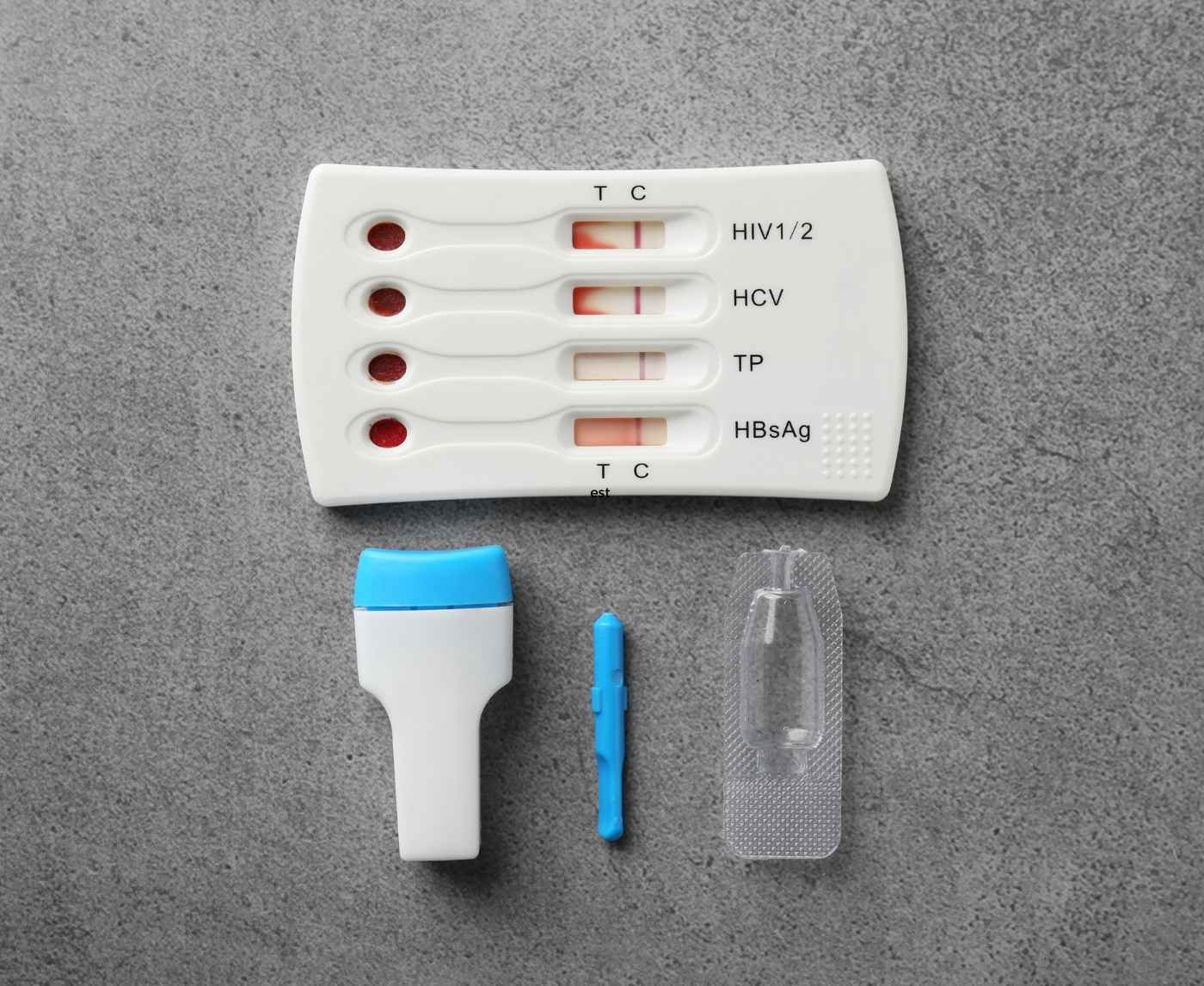
Quick Answer: A full STD panel is best if you’ve had multiple partners, unprotected sex, or symptoms that don’t clearly point to one infection. But if your risk is low and you’re symptom-free, starting with a chlamydia and gonorrhea test may be enough, if you retest later.
What a Full STD Panel Actually Covers (And What It Doesn’t)
Let’s break this down. A “full panel” sounds comprehensive, and it often is, but not all panels are created equal. Depending on the provider, a full panel may test for anywhere from 4 to 10 different STDs. Typically, a well-rounded panel includes tests for:
| Infection | Common Test Type | Why It Matters |
|---|---|---|
| Chlamydia | NAAT (urine or swab) | Most reported bacterial STD; often symptomless |
| Gonorrhea | NAAT (urine or swab) | Can infect throat, genitals, rectum; rising antibiotic resistance |
| Syphilis | Blood test (antibodies) | Stages can be silent but lead to neurological damage if untreated |
| HIV | Antigen/antibody combo | Early detection = treatment success; often no early symptoms |
| Herpes (HSV-2) | Blood test or swab | Often missed without symptoms; spreads easily even without outbreaks |
| Trichomoniasis | Swab, urine, or antigen test | Common but under-tested, especially in men |
| HPV (High Risk) | Pap test, HPV DNA test | Linked to cervical and throat cancers; not always in STD panels |
| Hepatitis B/C | Blood test (antibodies, viral load) | Can be sexually transmitted; important in high-risk cases |
Table 1. A breakdown of what’s typically included in a comprehensive STD panel. Always read the product details, some panels skip herpes or trichomoniasis unless added.
Why Chlamydia and Gonorrhea Are the Default, But Not Always Enough
Most urgent care clinics, college health centers, and even online platforms default to a basic screening for chlamydia and gonorrhea, especially if you’re under 25. That’s because these two infections are the most commonly reported, easily treatable, and often symptomless. If you’re young, sexually active, and haven’t had full-panel testing before, this pair is a solid starting point.
But here’s the catch: just because they’re common doesn’t mean they’re the only concern. A burning sensation might not be chlamydia; it could be trichomoniasis. A sore or rash could be syphilis. And a dry mouth after oral sex doesn’t rule out gonorrhea in your throat. Limiting testing to just two infections might mean you’re walking away with false reassurance.
Here’s what one Reddit user posted after their test:
“I did the free chlamydia/gonorrhea thing, came back negative. But my sores didn’t go away. Turned out to be HSV-2. I had no idea that wasn’t in the basic panel.”
Testing for just two STDs is like checking only your oil and ignoring the brakes, it’s better than nothing, but not always enough.
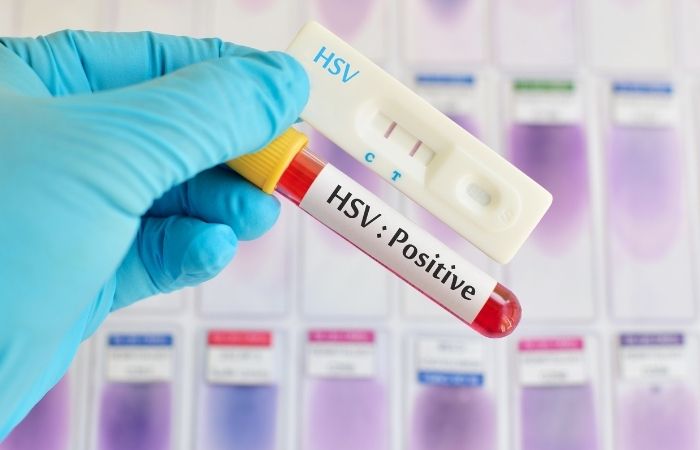
When the Full Panel Makes More Sense
There are moments when going beyond the basics isn’t just smart, it’s essential. Here are signs you should consider a full panel:
- Exposure Risk: Unprotected sex, especially with new or multiple partners
- Symptoms That Don’t Fit: Burning, rashes, itching, discharge, but negatives for common STDs
- Partner History Unknown: You don’t know if your partner has ever tested
- Time Since Last Test: More than 6 months ago
- Planned Pregnancy: You need to know before trying to conceive
In these situations, a full panel gives you more than results, it gives you peace of mind.
Test Type Showdown: Full Panel vs Just One or Two
Let’s say you’re staring at the checkout page. One option tests for chlamydia and gonorrhea only. The other is a full STD panel, maybe double the price. How do you decide?
Here’s a head-to-head comparison to help you choose based on privacy, cost, speed, and accuracy:
| Factor | Chlamydia & Gonorrhea Only | Full STD Panel |
|---|---|---|
| Cost | $49–$79 depending on provider | $129–$229 for multi-test kits |
| Privacy | Discreet packaging, quick results | Same discretion; panel may require blood sample |
| Sample Types | Urine or swab only | Urine, swab, and sometimes finger-prick blood |
| Detection Coverage | 2 STDs only | Up to 8–10 STDs depending on test |
| Best Fit For | Routine screening or recent partner check | New relationships, symptom confusion, high risk |
Table 2. A quick look at whether a full STD panel is worth it based on testing goals, exposure, and budget.
When “Just One Test” Wasn’t Enough
Jordan, 28, thought he was in the clear. He’d hooked up with someone new, felt a little off the next week, and did the basic test through a local urgent care. Negative for chlamydia and gonorrhea. Relief, right?
Two weeks later, a small painless sore appeared, and didn’t go away. This time, he ordered a full at-home panel. The result: positive for syphilis. “I had no idea syphilis could be that sneaky,” he later told a friend. “I felt fine. If I hadn’t retested, I might’ve spread it without knowing.”
It’s not about panic, it’s about precision. Sometimes, you don’t need the whole panel. But when the symptoms don’t match, or something keeps nagging you mentally, it’s often worth the extra clarity.
What About Speed? Results Timeline Comparison
When you’re anxious, 48 hours can feel like a month. Here’s how different test types compare in terms of when you’ll know:
| Test Type | Turnaround Time | Best If You Need |
|---|---|---|
| At-Home Rapid (2 STD) | 15–30 minutes | Immediate peace of mind for chlamydia/gonorrhea only |
| Mail-In Full Panel | 2–5 business days after sample receipt | Comprehensive check with clinical-grade accuracy |
| Clinic Panel (walk-in or appointment) | Same day to 7 days depending on lab | In-person consultation and follow-up if needed |
Figure 3. Test speed depends on what type of sample you’re providing and where it’s being analyzed. Rapid doesn’t always mean reliable for every STD.
How Long After Sex Should You Test?
This is where most people make the wrong assumption: they test too early. That night-after hookup panic leads to rushed decisions, but not every STD shows up immediately. Here’s a rough timeline:
| STD | Can Be Detected From | Best Time to Test |
|---|---|---|
| Chlamydia/Gonorrhea | 5–7 days after exposure | 14 days for highest accuracy |
| Syphilis | 3–6 weeks | 6–12 weeks |
| HIV | 10–33 days (NAAT) | 4–12 weeks depending on test type |
| Herpes (HSV) | 4–6 weeks (blood test) | 12–16 weeks |
Table 3. Window periods vary, test too soon and you risk a false negative. Use this as a guide to know when each test is most accurate.
If you’re unsure about timing, use the STD Window Period Calculator to plan when to test and when to retest for best accuracy.
What a Basic Test Might Miss
Here's the truth no one tells you at the clinic: just because your chlamydia and gonorrhea tests come back clean doesn't mean you're “all clear.” Those are only two pieces of a much bigger picture. Let’s look at some of the most common infections that people assume they were tested for, but weren’t:
- Herpes (HSV-2): It’s rarely included unless you ask. And many doctors won’t recommend it unless you have symptoms, even though an estimated 1 in 8 people in the U.S. has HSV-2 and doesn’t know it.
- Syphilis: A single painless sore, or no sore at all, can be all it takes. Syphilis is back on the rise, especially among young adults and people who thought it was “a 1940s disease.”
- HIV: It’s not part of the default 2-test combo. Many urgent care panels skip it unless you opt in. And depending on the type of HIV test used, early infections can still be missed if you test too soon.
- Trichomoniasis: Often ignored in men, and under-tested even in women. It’s easy to mistake for a UTI or BV. But it spreads silently and can increase the risk of contracting other STDs.
None of this is to scare you. It’s to help you make an informed choice. Testing isn’t about punishment, it’s about protection.
“I Thought I Only Needed the Basics”
Aleyna, 24, tested after a condom broke with a new partner. “I was relieved to find a $59 chlamydia/gonorrhea test online. Negative. Cool. But something still felt off, literally.” After another week of itching and discomfort, she opted for a broader panel. This time, it came back positive for trichomoniasis. “I wouldn’t have even known what that was if I hadn’t tested again. I’m just glad I caught it before my next partner.”
The cost of retesting was higher, but the cost of not knowing would have been worse.
When You Don’t Need the Full Panel (Yes, That’s a Real Thing)
Not everyone needs to spend $200 to feel safe. Here are situations where a limited test is probably sufficient:
- Monogamous with recent full panel: You’ve both tested recently and haven’t had new partners
- Testing after a routine screen: You’re just doing a routine 3–6 month check and had no new exposures
- Low-risk exposure: Protected oral sex with someone who tested negative recently
- Clear symptoms pointing to one infection: Burning urination, high discharge, no sores or rash
Even then, if you feel uncertain or just want the full picture, no one ever regrets having more information. The biggest regret we see? Assuming a clean result for two infections means you’re in the clear for all eight.
Retesting Windows: How Long to Wait After a Negative
Retesting isn’t just for positives. Sometimes, a test taken too early gives you a false negative, and if your symptoms persist or you stay sexually active, it makes sense to test again.
Here's what medical sources like the CDC recommend:
- Chlamydia/Gonorrhea: Retest 3 months after treatment to confirm clearance or catch reinfection
- HIV: Repeat at 4 weeks and again at 12 weeks for conclusive results, depending on the test type
- Syphilis: Retest at 6 weeks post-exposure and again at 3 months if symptoms develop
- Herpes: Blood tests are most accurate after 12–16 weeks if you’ve never had symptoms before
If you had a high-risk encounter or symptoms are still happening, don’t just assume your first test told the whole story. Use the time-based roadmap, and when in doubt, retest.
Choosing Clarity Over Shame: This Isn’t a Morality Quiz
Let’s be clear: STD testing is not a confession booth. It's not about being “good” or “clean.” It’s about care. About showing up for yourself and your partners with information, not fear.
If you’re debating whether to get the full panel or not, ask yourself: What would bring me peace of mind? What’s the cost of knowing nothing versus knowing something? And what would I tell my best friend to do if they were in my situation?
FAQs
- 1. What’s actually in a “full STD panel” anyway?
- Think of it like the deluxe version. Most full panels test for the big-name infections: chlamydia, gonorrhea, syphilis, HIV, and often herpes, trichomoniasis, and sometimes even hepatitis B and C. But here's the kicker, “full” isn’t standardized. Always check what’s actually included before you click “buy.”
- 2. Is just testing for chlamydia and gonorrhea enough?
- Sometimes, yeah. If you’re doing a routine screen, had low-risk exposure, or your clinic only covers those two, it’s a smart place to start. But if you’ve got symptoms that don’t quite line up, like sores, rashes, or weird fatigue, it’s worth expanding to a full panel. Two tests don’t tell the whole story.
- 3. Why do I have to request herpes testing separately?
- Honestly? Because it’s complicated. Herpes blood tests can be a little messy, they don’t always tell you if you have symptoms, when you got it, or if it’s oral vs genital. But if you’ve had unprotected sex, an unknown partner, or just want to know, ask for it. At-home panels often let you include it upfront without the awkward conversation.
- 4. Can I just pee in a cup and be done?
- For some infections, yes! Chlamydia and gonorrhea are usually caught with a urine test. But for others, like HIV, syphilis, or herpes, you’ll need a blood sample. Some at-home kits use finger-prick cards; others require a swab. It’s not one-size-fits-all, but none of it’s hard to do.
- 5. How soon should I test after a hookup?
- That depends on what you’re worried about. Chlamydia and gonorrhea? Wait about 7–14 days. HIV or syphilis? Closer to 3–6 weeks. Test too early and you might miss it, use our Window Period Calculator if you’re not sure when your clock starts.
- 6. If I got treated, do I still need to test again?
- Yup. Treatment kills the infection, but not your ability to catch it again. CDC recommends retesting for chlamydia and gonorrhea three months later, just in case. Especially if you’ve got a new partner or didn’t test your previous one.
- 7. Are at-home tests legit?
- They are now. Many use the same lab tech (like NAAT) as your local clinic, just without the waiting room or side-eye. Accuracy is strong if you follow directions. And let’s be real: if privacy or convenience gets you to test when you wouldn’t have otherwise, that’s a win.
- 8. Can I test for trichomoniasis by itself?
- Sometimes. Trich tests are usually bundled into full panels, but a few providers offer it solo. Heads up, it’s often missed in dudes, but causes problems for everyone. If you’ve got weird discharge, irritation, or your partner tested positive, add it to your list.
- 9. What do I do if my results come back positive?
- First: breathe. Most STDs are treatable. You’ll get follow-up instructions, either directly from your test provider or through a telehealth service. Text your partner if you can. There are even anonymous tools to help with that. Getting treated fast stops the spread and protects your future health.
- 10. Will anyone see my results besides me?
- Not unless you want them to. At-home STD tests ship in plain packaging and deliver results via secure portals. Nothing goes on your insurance unless you make it. You control the information, start to finish.
Stop Guessing. Start Testing.
Whether it’s one STD or a panel, the best test is the one that fits your risk, your timeline, and your need for clarity. If you’re not sure where to start, STD Test Kits offers both individual and combo panels you can do at home, no appointments, no judgment, just results.
Ready for results that actually make sense? Order your full panel kit here and get tested for what really matters.
How We Sourced This Article: We combined current guidance from leading medical organizations with peer-reviewed research and lived-experience reporting to make this guide practical, compassionate, and accurate. In total, around fifteen references informed the writing; below, we’ve highlighted some of the most relevant and reader-friendly sources.