What Happens to Your Fertility After an Undiagnosed STD
Quick Answer: Undiagnosed STDs like chlamydia and gonorrhea can silently damage reproductive organs, leading to infertility in both men and women, even without symptoms. No one told her she’d been infected.

Quick Answer: Undiagnosed STDs like chlamydia and gonorrhea can silently damage reproductive organs, leading to infertility in both men and women, even without symptoms. The damage is often permanent but preventable with timely testing and treatment.
When Silence Is the Most Dangerous Symptom
Picture this: someone like Rosa, 28, healthy, in a stable relationship, never had any obvious STD symptoms. After a year of trying to conceive, she sits in a fertility clinic hearing that her fallopian tubes are blocked. No one told her she’d been infected. She never knew. But there it is, evidence of a past chlamydia infection, now long gone, but the damage is irreversible.
This is more common than most people realize. According to the CDC, the majority of chlamydia and gonorrhea cases show no symptoms, especially in women. Yet both can quietly ascend the reproductive tract, triggering inflammation, scarring, and ultimately what doctors call "tubal factor infertility." That means the egg and sperm can’t meet, no matter how healthy you are otherwise. It’s not your hormones. It’s not bad luck. It’s inflammation you never felt, from an infection you never knew you had.
Men aren’t exempt. Silent gonorrhea or chlamydia can scar the epididymis, the coiled tube where sperm matures, causing blockages that reduce sperm mobility or count. For some, it also leads to testicular pain or swelling much later, but by then the infection is long gone. Left untreated, these STDs can create invisible barriers to conception in every sense.
The Biology of a Silent Attack
Once inside the body, certain STDs don’t need to shout to do damage. Chlamydia trachomatis, for example, is particularly stealthy. It can live in the cervix, urethra, rectum, or throat for months, sometimes years, without triggering immune responses strong enough to cause noticeable symptoms. But even in silence, it triggers low-grade inflammation, often in the fallopian tubes or uterine lining. That inflammation doesn’t go away when the infection does, it leaves scar tissue. And scar tissue doesn’t move.
In women, this can block the passage of the egg from ovary to uterus. In some cases, the egg implants outside the uterus, a life-threatening condition known as ectopic pregnancy. Others experience infertility without any obvious warning signs until they begin fertility workups.
In men, chlamydia and gonorrhea may affect the testicles or prostate, leading to reduced sperm quality, altered semen composition, or obstruction in the vas deferens. Even minor shifts in the body’s delicate reproductive pathways can result in lower fertility, especially if compounded by age or other health factors.
| STD | Silent Infection Rate | Possible Fertility Complications |
|---|---|---|
| Chlamydia | ~70–90% in women, ~50% in men | Blocked fallopian tubes, ectopic pregnancy, reduced sperm quality |
| Gonorrhea | ~50% in women, ~10% in men | Pelvic Inflammatory Disease, tubal scarring, testicular damage |
| Mycoplasma genitalium | Unknown (often underdiagnosed) | Linked to PID and male urethral inflammation |
| Trichomoniasis | ~85% asymptomatic in women | Possible uterine inflammation, linked to pregnancy loss |
Table 1. Common silent STDs and how they may affect fertility even without symptoms.
Pelvic Inflammatory Disease: The Fertility Fallout
Most people have heard of STDs, but fewer know what happens when an untreated STD becomes something more. Pelvic Inflammatory Disease (PID) is that “something more.” It’s not an STD itself, it’s the body’s inflammatory response to one that’s moved upward, into the uterus, fallopian tubes, or ovaries. And it’s the leading preventable cause of infertility in women.
What’s terrifying is how quietly PID can set in. Around two-thirds of PID cases are linked to prior undiagnosed chlamydia or gonorrhea infections. And about a quarter of those with PID never had noticeable pelvic pain, discharge, or fever. Instead, it simmers beneath the surface, like Sandra, 34, who only found out she had PID after a laparoscopy for unexplained infertility. By then, her tubes were damaged beyond repair.
Pain isn’t always the warning sign we wish it were. PID can be partial, recurrent, or entirely subclinical. But the scarring it leaves is often permanent, especially when discovered late. According to research from the American Journal of Obstetrics & Gynecology, even a single episode of PID can reduce fertility by 8–12%, and that risk doubles with repeat infections.
The Male Side: When No Symptoms Still Mean Trouble
It’s not just women who are at risk. Jamal, 32, had never been told he had an STD, never had any symptoms, and assumed he was “in the clear.” After two years of trying to conceive with his partner, he finally did a semen analysis. The results showed low sperm count and poor motility. His urologist asked if he’d ever had chlamydia or gonorrhea. Jamal was stunned. He never even got tested before. A follow-up urine test confirmed past exposure. The damage was done.
Silent STDs in men can cause inflammation in the epididymis or testicles, conditions like epididymitis or orchitis. Even if they don’t hurt at the time, the scarring can obstruct the flow of sperm. Some studies suggest that untreated infections may also damage the DNA integrity of sperm, which can affect both fertility and pregnancy outcomes.
And unlike women, many men aren’t routinely screened for STDs unless they ask. That’s a big problem, especially since asymptomatic carriers can pass infections on unknowingly. In heterosexual couples dealing with unexplained infertility, up to 30% of male partners may have evidence of a past undiagnosed STD. It's not rare. It’s just rarely checked.
| Infection | Common Male Complications | Fertility Impact |
|---|---|---|
| Chlamydia | Epididymitis, urethritis | Decreased sperm count, motility issues |
| Gonorrhea | Prostatitis, epididymal scarring | Blocked sperm ducts, pain with ejaculation |
| HPV | Rarely symptomatic | Possible DNA damage to sperm (research ongoing) |
| Herpes | Viral shedding in semen | No proven fertility impact, but linked to miscarriage risk |
Table 2. How common STDs can impact male fertility, even when no symptoms are present.
How Long Can an STD Hide Before Causing Fertility Problems?
This is the part that shocks most people: you can carry a sexually transmitted infection for months, even years, without symptoms, and still suffer permanent reproductive damage. For example, chlamydia can stay in the cervix or urethra for up to two years in some cases. During that time, it can migrate, inflame, and scar. You might get spontaneous clearance, especially in men, but the damage may already be underway.
According to the UK’s National Health Service (NHS chlamydia guidelines), untreated chlamydia leads to fertility problems in up to 1 in 5 women and roughly 1 in 10 men. It doesn’t take multiple infections or a high-risk lifestyle, just one silent exposure. That’s why routine screening is essential, especially for people under 25 or with new or multiple partners.
If you’re wondering whether an old STD you never knew about could still be to blame, the answer is often yes. Many people don’t connect the dots until years later, when the conversation turns to IUI or IVF. Unfortunately, by that point, there’s no test that can rewind time, only a fertility workup can reveal the aftermath.
Can You Still Get Pregnant or Recover Fertility After a Silent STD?
Yes, but it depends on timing, and that’s why this conversation matters now. Gabrielle, 29, had a history of untreated chlamydia in her early twenties. She got treated eventually, but when she and her partner started trying to conceive six years later, nothing happened. After some testing, doctors found one fallopian tube was completely blocked, but the other was open. With a little help, an ovulation tracker, timed intercourse, and patience, she got pregnant naturally.
Fertility after an STD isn’t a yes-or-no equation. It’s a spectrum. Some people will conceive without issue after treatment. Others may need interventions like IUI or IVF. In cases of severe tubal damage or low sperm count, assisted reproductive technology is often the only option. But early detection is the best prevention. The sooner you know, the more options you have.
If you’ve already had an infection and are unsure of your fertility status, you can ask your doctor for an HSG (hysterosalpingogram) to check for tubal blockages, or a semen analysis for male factors. These are simple outpatient procedures that give powerful clarity. And no, you’re not overreacting by asking. You’re advocating for your future.
If you suspect you might have been exposed to a silent STD, don’t wait for symptoms to appear. Take control today. This discreet combo home test kit checks for multiple common STDs and gives you peace of mind without the clinic visit.
Why Testing Matters, Even If You Feel Fine
Marcus was in a monogamous relationship and assumed he didn’t need testing. But his partner had had an infection years ago, and neither of them knew it had been passed back and forth before treatment. By the time they started trying to conceive, both had unknowingly developed low-grade complications: scarring for her, reduced motility for him.
Testing isn’t about paranoia, it’s about prevention. The CDC recommends annual chlamydia and gonorrhea screening for sexually active women under 25, and for older women with risk factors. Men who have sex with men, people with new or multiple partners, and those without consistent condom use are also urged to screen regularly. But many never do, until they’re already facing fertility problems.
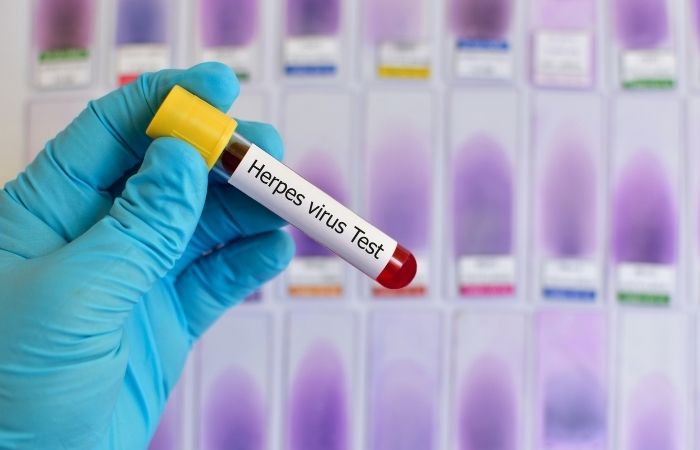
At-home testing can help close that gap. It removes the awkward waiting room, the judgmental intake forms, and the risk of being overlooked by busy providers. Kits like the Combo STD Home Test let you check for multiple infections discreetly and quickly. If results are positive, treatment is available, and if caught early, fertility may be preserved.
When Pregnancy Becomes Risky, Not Just Difficult
Fertility isn’t just about getting pregnant, it’s also about staying pregnant. And some of the most painful truths about silent STDs come up only when a wanted pregnancy turns complicated. One of the most serious outcomes of undiagnosed infections is ectopic pregnancy, where a fertilized egg implants outside the uterus, often in a fallopian tube. These pregnancies aren’t just non-viable, they can be life-threatening.
What causes an ectopic pregnancy? Often, it’s a blocked or damaged fallopian tube, damage that may have come from an old chlamydia or gonorrhea infection. The tube can’t move the fertilized egg along to the uterus, so the embryo starts developing where it shouldn’t. This can rupture the tube and lead to internal bleeding. The CDC reports that ectopic pregnancy rates are rising, and untreated STDs are a major contributor.
Then there’s the heartbreak of miscarriage. Some studies have linked infections like trichomoniasis and mycoplasma genitalium to early pregnancy loss, especially when inflammation is present in the uterus. Again, the infections don’t always announce themselves. There may be no clue until a loss happens. And when it does, people are left wondering, “Was it something I missed?” That kind of guilt is cruel, and often misplaced. But knowing your STD status ahead of time is one way to take that question off the table.
From Shame to Action: What Recovery Can Look Like
Let’s say you find out today that you had a past STD. Maybe it’s on a lab report, or maybe a provider mentions scarring from suspected PID. First reaction? Panic. Second? Maybe shame. But here’s what comes next: possibility. Recovery doesn’t always mean reversing the damage, it means reclaiming control over what happens next.
Isaiah, 35, found out he had low motility from a past untreated gonorrhea infection. He was devastated at first. But with a fertility specialist, lifestyle changes, and timed support, he and his partner got pregnant with IUI. He said, “I stopped blaming myself when I realized this wasn’t about punishment. It was about understanding my body.” That shift, from shame to strategy, is everything.
There’s also emotional recovery. For people who’ve experienced miscarriage, ectopic pregnancy, or years of unexplained infertility, the grief is very real. Silent STDs can be part of that story, but they don’t have to be the ending. Whether through assisted conception, adoption, or choosing a different path altogether, many people build the lives they want, even after setbacks.
And if you’re reading this before the damage is done, if you're on the edge of “should I test?”, this is your sign to act. Get tested now, not because you should feel guilty, but because you deserve answers before your body has to ask bigger questions.
Curious how long different STDs can stay hidden? Check out our full guide on undetected infections and why timing matters.
FAQs
- 1. Can you really lose your fertility without knowing you were ever sick?
- Yeah, and that’s the scariest part. STDs like chlamydia and gonorrhea can do their damage quietly, no pain, no discharge, no clue. Then years later, you’re trying to get pregnant and wondering why it’s not happening. The infection may be long gone, but the scar tissue it left behind? That’s the real problem.
- 2. How long can an STD stay in your body before it messes with fertility?
- Some hang around for months or longer without symptoms, chlamydia, for instance, has been documented to linger over a year in some people. That whole time, it could be working its way up your reproductive tract, silently inflaming and scarring delicate tissue. You might feel totally fine… until you realize you’ve been trying for a baby with no success.
- 3. What if I had an STD years ago and got treated, am I still at risk?
- Treatment stops the infection from getting worse, but it can’t undo damage that’s already done. If you caught it early, chances are good your fertility’s okay. But if it went unnoticed for a while, especially with repeat infections, some scarring may still be there. That’s why follow-up care matters, not just a round of antibiotics and forgetting it ever happened.
- 4. Does everyone with a silent STD end up infertile?
- Not at all. Plenty of people get STDs, get treated, and go on to conceive just fine. But the risk is real, and it increases if you’re never tested, especially after multiple partners or exposures. Think of it like sun damage, you won’t see it right away, but that doesn’t mean it’s not building up quietly under the surface.
- 5. Can STDs affect male fertility too?
- Definitely. Men get overlooked here way too often. Silent infections can inflame the testicles, block the sperm ducts, or mess with sperm count and motility. And it’s not always obvious. Some guys only find out when they do a semen analysis after months of trying to get their partner pregnant. That’s when the “wait, could it be me?” moment hits.
- 6. What’s PID and why does everyone mention it in fertility articles?
- PID, Pelvic Inflammatory Disease, is what happens when an infection like chlamydia or gonorrhea moves up into the uterus and fallopian tubes. It’s like a slow burn that can leave behind scar tissue, blockages, or twisted tubes. It’s the #1 preventable cause of infertility in women, and the kicker is, you might not even feel it happening.
- 7. How do I find out if a past STD hurt my fertility?
- Ask for a fertility evaluation. For people with uteruses, that might include an HSG (a dye test to see if your tubes are open). For people with testicles, a semen analysis looks at sperm health. You can’t always test for “past damage,” but these tools give a solid snapshot of what’s working, and what might not be.
- 8. Do at-home STD tests really catch the ones that hurt fertility?
- The good ones do. Our combo kit screens for the major culprits: chlamydia, gonorrhea, and more. These are the ones most likely to fly under the radar and still leave a mark. Testing regularly, even when you feel fine, is how you keep control.
- 9. If I’ve had a miscarriage, could a past STD be the reason?
- It’s possible, especially if the infection was never treated or led to PID. Some STDs also increase the risk of ectopic pregnancies or complications early in pregnancy. But fertility and pregnancy loss are complex. If this is your situation, you deserve compassionate care, and full answers. Push for a full reproductive health workup, not just a pat on the shoulder.
- 10. What’s the first step if I’m worried about this?
- Start with a test. Even if it’s been years, even if you “don’t think it’s that,” knowledge is power, and relief. And if you do find something? You’re not alone, you’re not dirty, and you’re not broken. You’re just a human being getting informed. We can help you get there, on your terms.
You Deserve Answers, Not Assumptions
Whether you're trying to get pregnant now, or just planning for the future, your past shouldn’t be a question mark. Silent STDs are common, and treatable. But the window to prevent long-term damage can close quietly. Don’t let fear, shame, or uncertainty keep you from clarity. Knowing your status is one of the most powerful things you can do for your body, your choices, and your future.
Don't put off getting the answers you need. This discreet and quick at-home combo test kit checks for the most common STDs.
How We Sourced This Article: We combined current guidance from leading medical organizations with peer-reviewed research and lived-experience reporting to make this guide practical, compassionate, and accurate.
- NHS – Chlamydia Overview
- Planned Parenthood – Chlamydia Information
- Johns Hopkins – Understanding PID
- About Chlamydia – CDC
- Sexually Transmitted Diseases and Infertility – PMC
- About STIs and Pregnancy – CDC
- The Impact of Selected Bacterial Sexually Transmitted Infections on Female Fertility – PMC
- Sexually Transmitted Infections – StatPearls/NCBI Bookshelf
- Next Steps After Testing Positive for Gonorrhea or Chlamydia – CDC