Which Hepatitis C Home Test Should You Trust in 2026?
Quick Answer: The most trusted at-home Hepatitis C test for 2026 is the finger-prick rapid test from STD Test Kits, offering lab-level accuracy in 15 minutes, no lab mailing, no waiting. Some deliver false reassurance.
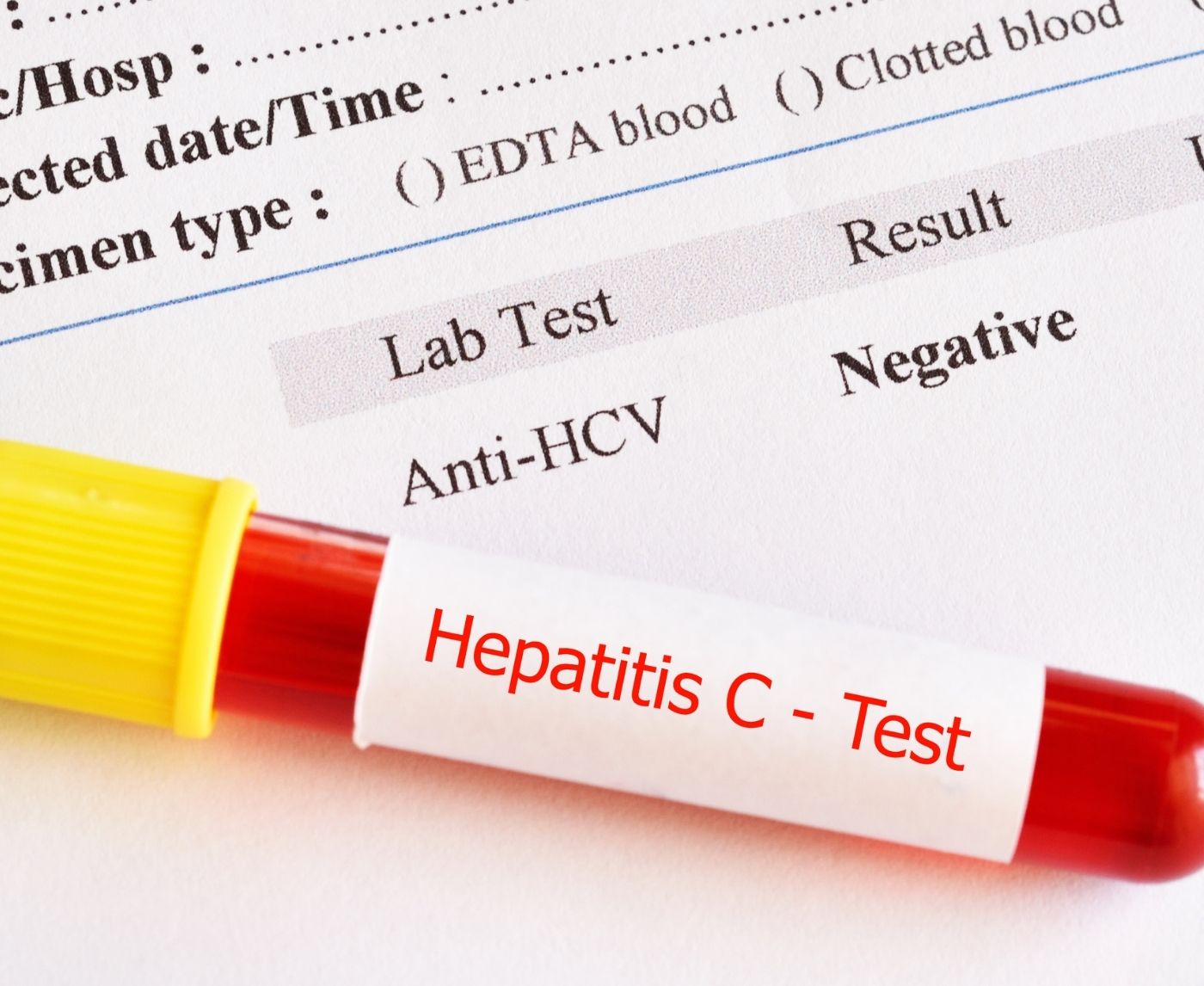
Quick Answer: The most trusted at-home Hepatitis C test for 2026 is the finger-prick rapid test from STD Test Kits, offering lab-level accuracy in 15 minutes, no lab mailing, no waiting. Other options exist, but few combine speed, discretion, and trust this well.
Why Hep C Home Testing Matters More Than Ever
For millions of Americans, Hepatitis C is a silent infection, no symptoms for years, but slow damage happening under the surface. And as the CDC pushes for universal screening, especially among adults born between 1945 and 1965, more people are turning to at-home testing to avoid the cost, judgment, and wait times of clinics. Add in the holiday travel, hookup culture, and end-of-year health checklists, and it’s no wonder home tests are flying off shelves in December.
But not all home tests are created equal. Some deliver false reassurance. Some are hard to use. Others require you to collect a sample, package it up, and mail it off, waiting a week or more for results. That delay can feel excruciating, especially if you’re anxious or planning to be sexually active. And let’s be real: if you’re dealing with exposure from a party weekend, an old needle, or a past partner, you want fast answers, not more uncertainty.
That’s where trusted rapid tests come in. STD Test Kits offers a 15-minute test with clear instructions, discreet packaging, and accuracy you can actually rely on. Compared to mail-in options that take days, or competitors with vague directions, this one is made for real people, in real moments of panic or preparation.
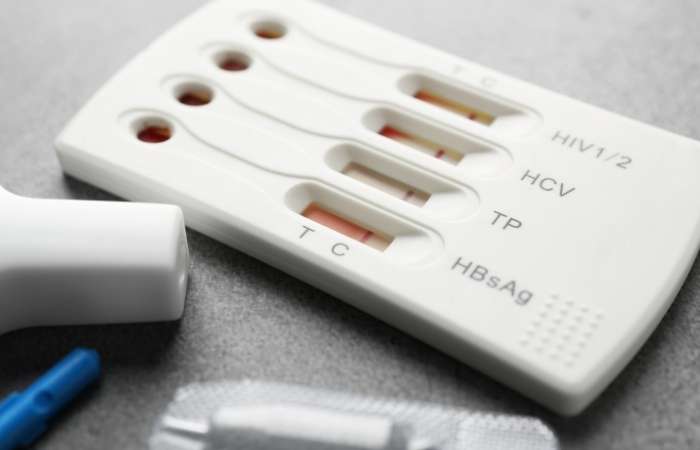
How 2026’s Hep C Test Kits Stack Up
To help you see the landscape clearly, we compared the top five most searched Hepatitis C home tests heading into 2026. We focused on four categories: Accuracy, Privacy, Speed, and Ease of Use. Here’s how the top kits compare, and where STD Test Kits stands out.
| Brand | Type | Speed | Accuracy | Privacy | Our Verdict |
|---|---|---|---|---|---|
| STD Test Kits | Rapid finger-prick (cassette) | 15 minutes | ~98% sensitivity/specificity | Discreet box + self-test | Best Overall , Fast, private, and clinically accurate |
| Everlywell | Mail-in lab (blood spot) | 5–7 days | High lab accuracy | Moderate – lab receives sample | Good for planners, but not for urgency |
| LetsGetChecked | Mail-in (fingerstick) | 4–6 days | High | Moderate | Reliable, but slower and pricier |
| iDNA | Mail-in collection | 7–9 days | Lab-grade | Low – sample stored off-site | Too slow for high-risk moments |
| Amazon kits (varied) | Unregulated or foreign tests | Varies | Unknown | Low – lacks certification | Risky; avoid without clinical backing |
Figure 1. Comparison of top Hepatitis C at-home tests based on accuracy, discretion, and user trust heading into 2026.
The bottom line? If speed, privacy, and clear results matter most, STD Test Kits is the standout. Other kits may be fine for planned checkups, but when you’re dealing with real exposure, risk, or anxiety, fast and private wins every time.
When the Result Is Positive: What It Means, and What Comes Next
Devon, 42, didn’t expect a positive. “I wasn’t sick. No symptoms. I only tested because my new partner asked if I ever used needles, and I had, in my 20s,” he told us. He used an at-home test on a Sunday night. By Monday morning, he had seen the second line appear, clear, red, and unmistakable.
Testing positive for Hepatitis C can feel like a punch to the gut. But here’s what you need to know: most people who test positive today are eligible for simple, effective treatment. Antiviral therapies now cure Hep C in over 95% of cases, often with 8–12 weeks of pills. A positive result isn’t a sentence, it’s a starting point for healing.
First, you’ll want to confirm with a follow-up test (either at a clinic or via lab). Then, you’ll be connected to care that may include further testing to see if the virus is still active. Many people who test positive have what's called a “past exposure” result, meaning your body fought it off naturally, or you were treated years ago. But without testing, you'd never know.
If you're reading this with a faint line on your cassette and a sinking stomach, breathe. Take a photo, write down the time, and schedule confirmatory testing. Then give yourself grace. You’re not dirty. You’re not broken. You’re informed.
Using a Rapid Hepatitis C Test Correctly (So You Can Trust the Result)
Rapid tests for Hepatitis C work by detecting antibodies in your blood. If your body has ever fought off, or is currently fighting, Hep C, those antibodies will trigger the test line. But like all medical tools, how you use the test matters.
Here’s how the test from STD Test Kits works:
| Step | What to Do | Time Needed |
|---|---|---|
| 1. Prep your materials | Wash hands, clean a surface, open all test kit items | 5 minutes |
| 2. Collect blood sample | Use included lancet to prick finger and collect a drop with pipette | 2–3 minutes |
| 3. Apply sample | Place blood on cassette sample pad, add buffer solution | 1–2 minutes |
| 4. Wait for result | Set timer for 15 minutes; read between 15–20 mins only | 15 minutes |
| 5. Interpret lines | Control line = test worked; Second line = positive result | Immediately after timer |
Figure 2. General timing and flow of using a Hepatitis C rapid test from STD Test Kits.
Reading too early (before 15 mins) or too late (after 20 mins) can give false readings. This is where many users slip up. Our advice? Use a phone timer, follow the insert closely, and don’t test while multitasking or emotional. This is your health, you deserve full attention.
Common Mistakes People Make with Home Hep C Tests
Even the best tests are only as good as how they’re used. Across forums, reviews, and Reddit threads, we’ve seen the same few mistakes come up again and again. If you’re testing in 2026, don’t fall into these traps:
- When you touch the sample pad with your fingers, oils can mess up the result.
- Using too much or too little blood: Follow the exact markings on the pipette.
- Not using the buffer solution: This is not an option; it starts the chemical reaction.
- If you see a second line during the window period, you should assume it's positive and have it checked by a lab.
- Waiting too long to read: All results are void after 20 minutes.
If you're unsure, retest. And if you’re still worried, grab a fresh kit from a verified source like STD Test Kits, every box includes clear instructions, support info, and individually sealed components.
Don’t wait and wonder. If you’ve had unprotected sex, shared equipment, or just want peace of mind, order your Hepatitis C test today, results in minutes, not days.
Timing Is Everything: The 2026 Window Period You Can’t Ignore
If you’re testing for Hepatitis C too soon after exposure, even the most accurate home test can give you a false negative. That’s not the test’s fault, it’s biology. Your immune system needs time to develop detectable antibodies. This is what experts call the “window period.”
According to current CDC guidance, antibodies for Hepatitis C typically appear within 4 to 10 weeks of exposure, but some people show reactivity sooner. That means if it’s only been a couple of days since a risky moment, your test result might not mean much yet. Retesting at the right time is critical.
To help you visualize when to test, here’s a quick breakdown:
| Time Since Exposure | What to Expect | Testing Recommendation |
|---|---|---|
| 0–14 Days | Too early for antibodies to appear | Wait at least 4–6 weeks or test now and retest later |
| 4–6 Weeks | Antibodies begin to show in most people | Best window for initial home testing |
| 8–12 Weeks | Nearly all antibody-positive cases detectable | Ideal retest window for confirmation |
| 12+ Weeks | Antibodies should be present if exposed | Strong confidence window for home testing |
Figure 3. Hepatitis C antibody window period overview for 2026. Based on CDC and WHO recommendations.
If you’re within the early phase but still want to test now, go for it, just commit to retesting in a few weeks. That’s how many people catch it early and avoid unknowingly exposing partners.
When (and Why) to Retest in 2026
Retesting isn’t a failure. It’s strategy. Think of it like a second checkpoint in your health journey. Whether you tested too early, got an invalid result, or simply want that extra layer of certainty, retesting ensures you’re not gambling with your health or someone else’s.
Here are a few reasons to consider retesting:
- Tested within 4 weeks of exposure: Your body may not have made enough antibodies yet.
- You've had ongoing risk: Continued unprotected sex or needle sharing can reset the clock.
- Faint test line appeared: Retest to confirm and follow up with a clinic if positive again.
- Recovered from Hep C in the past: You might still carry antibodies, lab confirmation helps clarify.
In 2026, the safest move is to test once at 4–6 weeks, then again at 12 weeks if you had significant exposure. No clinic needed, just order a fresh kit from STD Test Kits and get the clarity you deserve.
Privacy, Discreet Shipping, and Support You Can Actually Trust
One of the biggest reasons people avoid clinic testing? Shame. Fear. Logistics. But with at-home testing, you control the entire experience, from when you open the box to when you see the result.
All kits from STD Test Kits ship in plain, unbranded packaging with no mention of STDs or Hepatitis C on the label. Your credit card charge is discreet. Your test never leaves your hands. And you never need to explain anything to a receptionist, lab tech, or pharmacist unless you choose to.
If you need help using the kit, the instructions are clear, visual, and designed for real people, not just nurses. Still stuck? Their support team is trained, confidential, and easy to reach online. No shame. No lectures. Just answers.
That level of trust is important, especially when you're scared or stressed. Privacy isn't a perk in 2026. That's the starting point.
FAQs
- 1. Can you really trust a Hep C test you take at home?
- Absolutely, if you’re using a clinically backed kit from a reliable source like STD Test Kits. These aren’t sketchy mail-order scams. They’re the same tech used in public health programs worldwide. Just follow the steps, read the result at the right time, and you’ll get solid info you can act on.
- 2. What if I see a really faint line?
- Even a whisper of a second line means you should take it seriously. A faint line doesn’t mean “maybe”, it means antibodies were likely detected. If you’re not sure, take a photo of the result and retest or confirm with a clinic. Don’t overthink the shade of red. Trust the test, not your wishful thinking.
- 3. How soon after something risky should I test?
- If it’s been less than 2 weeks, your body probably hasn’t made antibodies yet. You can test now for peace of mind, but plan to test again at the 6- to 12-week mark. That’s when the science catches up with the stress. Think of the first test as a checkpoint, not the final word.
- 4. Do I need to fast or prep like a lab test?
- Nope. No fasting, no peeing in cups, no awkward gowns. Just clean your finger, follow the instructions, and use the included buffer. It’s simple. The biggest mistake people make is rushing. Give yourself 20 quiet minutes. Light a candle if you have to. This moment matters.
- 5. Is it safe to order one of these kits to my apartment?
- Totally. The packaging is unmarked and boring, exactly what you want. Your nosy roommate or building manager won’t know what’s inside. Billing is discreet, too. This test could be for vitamins, headphones, or literally anything else. No one has to know unless you want them to.
- 6. What if I mess up the test?
- You wouldn’t be the first. If the control line doesn’t show up, the kit didn’t run properly. Could be too little blood, skipping the buffer, or reading it way too late. It’s annoying, yes, but it doesn’t mean you’re doomed. Just grab a new kit and give it one more focused try.
- 7. Can Hepatitis C go away on its own?
- Surprisingly, yes. Around 1 in 4 people clear the virus naturally, but most don’t. That’s why testing is key. Even if you feel totally fine, Hep C can do damage quietly. If you test positive, don’t panic. A follow-up blood test will tell you whether you still have it and need treatment.
- 8. How long do results take with a rapid test?
- 15 minutes. Seriously. Set a timer, step away, then come back and read it between 15 and 20 minutes after adding the buffer. Don’t read too early, don’t wait too long. This is one of those Goldilocks moments, get the timing just right.
- 9. I used needles years ago. Should I still test?
- Yes. Even if it was one time, even if it was a decade ago. Hep C can hide in your body for years before showing symptoms. If you’ve never been tested, or you’re not sure, now’s a great time to do it on your own terms. No lectures. No labs. Just truth.
- 10. Is Hep C something to be ashamed of?
- Hell no. It’s a virus, not a moral failure. You can get it from sex, from blood, from a needle, from a tattoo in a friend’s kitchen, life happens. Testing isn’t a confession. It’s care. And choosing to know your status? That’s one of the most badass things you can do for yourself and your partners.
You Deserve Answers, Not Assumptions
The thing is, Hepatitis C doesn’t always present with symptoms. That’s why testing is crucial. Whether you’re dealing with a possible past exposure, preparing for a new relationship, or simply wanting to enter the new year with a clear mind, the value of knowing your status is hard to deny.
And with the know-how in a box you understand and control, at a timeline you understand, free of judgment? That’s convenience, but it’s also caregiving. Avoid the hassle, the wait, and the doubts. Get your Hepatitis C rapid test kit from us and take steps ahead with confidence.
How We Sourced This Article: We combined current guidance from leading medical organizations with peer-reviewed research and lived-experience reporting to make this guide practical, compassionate, and accurate. In total, around fifteen references informed the writing; below, we’ve highlighted some of the most relevant and reader-friendly sources.