Why STD Testing Is Required Before IVF (and What They’re Really Looking For)
This Isn’t About Trust, It’s About the Lab One of the biggest misconceptions about STD testing before IVF is that it’s personal. It feels personal because reproduction is personal.
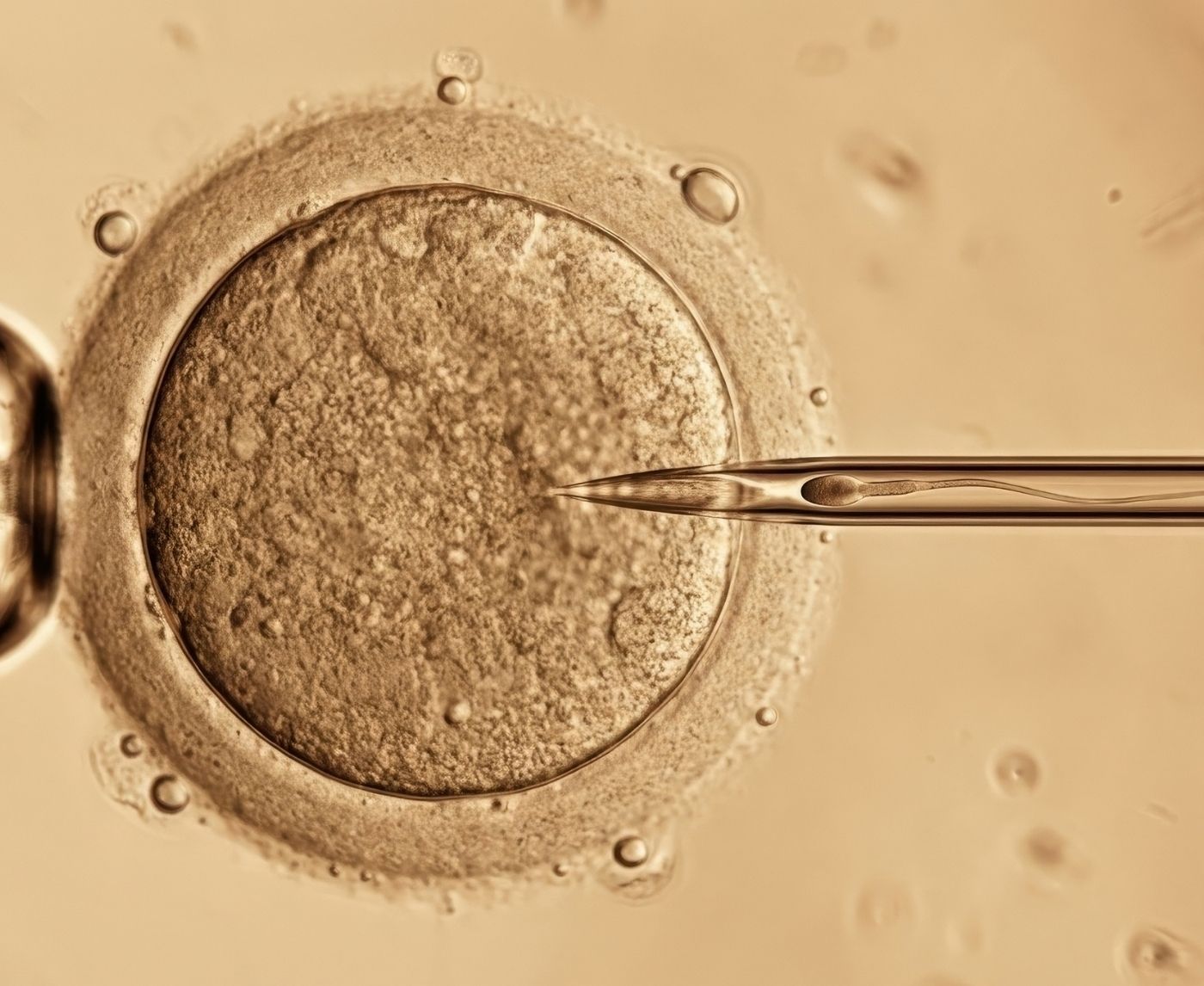
Quick Answer: STD testing prior to IVF is done to protect future embryos, lab workers, donors, and fertility outcomes from diseases that could impact fertility outcomes, lab sterility, and disease transmission even when asymptomatic.
This Isn’t About Trust, It’s About the Lab
One of the biggest misconceptions about STD testing before IVF is that it’s personal. It feels personal because reproduction is personal. But from the clinic’s perspective, this screening isn’t about who you sleep with, it’s about what’s entering a controlled medical environment.
IVF labs are some of the most tightly regulated spaces in medicine. Eggs, sperm, embryos, and culture media are handled in shared equipment under sterile conditions. An undetected infection doesn’t just affect one patient; it can affect samples, staff exposure protocols, and regulatory compliance.
This is why fertility clinics listen to advice from groups like the Centers for Disease Control and Prevention, the Food and Drug Administration, and the American Society for Reproductive Medicine. These rules apply to all patients, whether they are single, partnered, celibate, queer, straight, or using donor material.
In other words: IVF clinics aren’t looking for wrongdoing. They’re looking for risk management.
The Infections Clinics Are Legally Required to Rule Out
Most IVF STD panels look similar across clinics, not because doctors lack creativity, but because federal and professional standards are explicit. Certain infections must be screened for before assisted reproduction can move forward.
These typically include HIV, Hepatitis B, Hepatitis C, and Syphilis. In many cases, clinics also test for Chlamydia and Gonorrhea, especially if there’s a uterus involved or a history of pelvic infections.
The reason is simple and uncomfortable: many of these infections are commonly asymptomatic. You can feel perfectly healthy and still carry something that affects fertility outcomes or pregnancy safety. According to CDC data, a majority of Chlamydia infections show no symptoms at all, yet they are a leading cause of tubal factor infertility.
IVF doesn’t bypass biology. It works with it. And biology doesn’t care how careful, committed, or symptom-free you feel.
Why “No Symptoms” Doesn’t Change the Rules
This is often the hardest part to accept, especially for patients who’ve never had a positive STD test before. The logic feels unfair: if nothing feels wrong, why should testing slow things down?
But fertility medicine has learned this lesson the hard way. Asymptomatic infections can quietly inflame reproductive tissue, alter implantation environments, or increase miscarriage risk. Some can affect semen parameters. Others matter because of what happens after pregnancy begins.
Clinics aren’t just thinking about fertilization. They’re thinking about a healthy pregnancy, a healthy baby, and legal responsibility if something preventable goes wrong. Screening is part of that protection.
This is also why results often have expiration dates. Many clinics require STD tests within the last 6–12 months, even if nothing has changed in your sex life. It’s not about distrust, it’s about documentation.
Why Donor Cycles, Queer Couples, and Solo Parents Aren’t Being “Singled Out”
There’s a persistent myth that STD testing before IVF only applies to “certain” patients. The ones using donor sperm. The queer couples. The single parents by choice. When testing is explained more carefully, or enforced more strictly, it can feel like extra scrutiny, even quiet judgment.
In reality, the opposite is usually true. Donor cycles are often screened more aggressively not because clinics distrust patients, but because the law demands it. When biological material moves between bodies, clinics enter a different regulatory universe.
Federal law requires sperm and egg donors to be tested for infectious diseases at least a few times. Clinics must be able to show on paper that every sample used in fertilization meets the Food and Drug Administration's safety standards. That paperwork keeps everyone safe, including the people who get it, the gestational carriers, the lab workers, and the children who will be born in the future.
This is why donor cycles can feel so paperwork-heavy. It’s not suspicion. It’s compliance.
For queer couples and single parents by choice, testing is often discussed more explicitly because there are more moving parts to explain. Clinics have to outline who is providing genetic material, who is carrying a pregnancy, and which screening rules apply at each step. That transparency can feel personal, but it’s administrative.
Straight, partnered couples often don’t notice the same explanations because assumptions fill in the gaps. The testing still happens. It’s just less narratively framed.
IVF is not a moral system. It’s a regulated medical process operating under federal oversight, and everyone passes through the same checkpoints, even when it doesn’t feel equal on the surface.
| IVF Scenario | Why STD Screening Is Required | What Clinics Must Document |
|---|---|---|
| Using donor sperm | Federal donor eligibility rules | Infectious disease screening at defined time points |
| Using donor eggs | Recipient and lab safety | Proof of negative screening before fertilization |
| Queer couple (non-donor) | Standard IVF lab protocols | Current STD panel results for involved partners |
| Single parent by choice | Embryo and pregnancy risk reduction | Up-to-date screening documentation |
| Gestational carrier involved | Protection of carrier and fetus | Expanded and repeated infectious disease testing |
Table: Why STD screening applies across IVF scenarios, and how requirements differ by regulation, not identity.
If this process feels more intense for you, it’s not because you’re being watched more closely. It’s because your clinic is required to explain more steps out loud. That can feel exposing, even when it’s meant to be protective.
The rules don’t change based on who you are or how you’re building your family. They change based on how many bodies, samples, and timelines are involved.
That distinction matters, and it’s one clinics don’t always take the time to name.
What Clinics Are Really Evaluating When They Order These Tests
Behind the scenes, clinics are answering three core questions. First: could this infection affect embryo development, implantation, or pregnancy outcomes? Second: could it pose a risk to lab staff or other patients? Third: does proceeding without testing expose the clinic to regulatory or legal consequences?
Notice what’s missing from that list: judgment. Relationship status. Sexual history narratives. Clinics don’t have the time, or interest, for that.
This is also why a positive result doesn’t usually mean you’re “disqualified” from IVF. In most cases, it means treatment, retesting, and timing adjustments. The goal is safety, not exclusion.
If you’re testing proactively or want privacy while gathering results, many patients choose discreet options like at-home screening before clinic labs are due. Resources like STD Test Kits exist for exactly this reason, clarity without extra appointments.
Which STDs Actually Affect IVF Outcomes, and How
Not all infections carry the same weight in fertility care. Clinics know this, even if patients aren’t always told outright. Some STDs matter because they can damage reproductive organs. Others matter because of pregnancy safety or lab protocols. A few are screened almost entirely because regulators require proof they’ve been ruled out.
The confusion comes from the fact that clinics often order all of these tests at once, without explaining which ones are about fertility outcomes and which ones are about compliance. When everything is lumped together, it’s easy to assume the worst.
Chlamydia and Gonorrhea
Chlamydia and Gonorrhea are the infections fertility specialists worry about most in people with ovaries. Not because they’re dramatic, but because they’re sneaky.
Both infections are frequently asymptomatic. When they go undetected, they can cause low-grade inflammation in the uterus or fallopian tubes. Over time, that inflammation can interfere with implantation or embryo transport, even in patients who otherwise seem like “perfect” IVF candidates.
There’s a reason so many IVF intake forms ask about prior pelvic infections. Studies consistently link untreated Chlamydia to tubal factor infertility, one of the most common reasons people end up needing IVF in the first place.
This doesn’t mean a past infection ruins your chances. It means clinics want to rule out active infection before they invest time, medication, and embryos into a cycle.
HIV, Hepatitis B, and Hepatitis C
These tests often provoke the most emotional whiplash. Many patients think, I’m not at risk for this, why is this even here?
In IVF care, testing for HIV, Hepatitis B, and Hepatitis C is less about whether IVF will work and more about how it’s handled. These infections require specific lab protocols to protect staff and prevent cross-contamination between samples.
Importantly, a positive result does not automatically disqualify someone from IVF. Many people with these conditions safely conceive and carry pregnancies with appropriate medical coordination. What clinics need is awareness, documentation, and planning.
This is one of those moments where medicine feels cold, but it’s actually trying to be careful.
Syphilis
Syphilis is far less common than it once was, but it remains part of mandatory screening panels because of its severe pregnancy risks if untreated. Congenital syphilis can be devastating, and prevention relies on early detection.
From a clinic’s perspective, this test is a safeguard. It’s not about likelihood, it’s about consequences.
What Happens If an STD Test Comes Back Positive
This is where fear usually goes up. People think that cycles will be canceled, thousands of dollars will be wasted, or clinics will close without any explanation.
In fact, most good results cause a pause, not a shutdown.
Treatment for bacterial infections like Chlamydia, Gonorrhea, or Syphilis is usually simple. Before moving forward, clinics will ask for proof of treatment and often a follow-up test showing that the infection has cleared. This could push back deadlines by weeks, not months or years.
When it comes to viral infections, the process is more about working together. Clinics may need to hire infectious disease experts, change how labs handle samples, or ask for more consent forms. The goal is to move forward safely, not to leave anyone out.

A Real IVF Moment No One Prepares You For
“I thought they were accusing me of something,” one patient told me after her clinic flagged a positive Chlamydia result during pre-IVF screening.
“I hadn’t had symptoms. I hadn’t cheated. I was devastated, and embarrassed. Then my doctor sat me down and said, ‘This is exactly why we test before IVF. We caught it before it could interfere.’ That reframed everything.”
She completed treatment, retested negative, and went on to have a successful embryo transfer months later. What felt like an accusation turned out to be prevention.
These pauses are emotionally brutal, but they often protect the very outcome patients are fighting for.
Timing Matters: Why Clinics Care About When You Tested
Another source of frustration is being told that your “recent” STD test is no longer valid. Many clinics require results within a specific window, often six to twelve months.
This isn’t arbitrary. STD tests reflect a moment in time. Clinics need documentation that aligns with regulatory standards and the timing of embryo creation or transfer.
If you’re approaching an IVF cycle and want to avoid last-minute surprises, some patients choose to test early and privately so they can address any issues before clinic deadlines. Discreet options like at-home kits from combo STD testing panels can offer clarity while you’re still in the planning phase.
IVF Screening Is About Risk Reduction, Not Moral Policing
It bears repeating: IVF clinics are not trying to catch people out. They are trying to control variables in a process where so much is already uncertain.
Every test, consent form, and delay exists because fertility treatment is expensive, emotionally loaded, and medically complex. Screening reduces preventable risks, biological, legal, and ethical.
You are not being judged. You are being safeguarded, even when it doesn’t feel gentle.
How IVF STD Testing Is Different From “Regular” STD Screening
One reason this process feels so jarring is that IVF screening doesn’t resemble the STD testing most people are familiar with. In primary care or routine sexual health visits, testing is often risk-based. Doctors ask questions, tailor panels, and may skip tests if you don’t fit a perceived risk profile.
IVF flips that logic entirely. Fertility clinics operate on standardized protocols, not individualized risk assumptions. They test broadly and consistently, because the stakes are different. Embryos, donors, lab environments, and future pregnancies are all part of the equation.
This is why people who have never been offered certain tests before suddenly see them on an IVF lab order. It’s not escalation, it’s standardization.
Why IVF Clinics Don’t Customize Panels Based on Your Story
Many patients try to explain their way out of screening. They describe long-term monogamy, years without new partners, or a complete lack of symptoms. That story matters emotionally, but medically, it doesn’t change the protocol.
Clinics can’t rely on narratives, no matter how credible they sound. Asymptomatic infections are common, and liability doesn’t disappear just because someone’s risk feels low. IVF clinics are audited environments. They need documentation, not trust.
This can feel dehumanizing. But it’s also what allows clinics to offer IVF safely across a huge range of family structures and life circumstances without singling anyone out.
Mandatory vs Optional: What Clinics Actually Have Discretion Over
Not every test on your intake list is equally negotiable. Some screenings are federally or professionally mandated, especially when donor material is involved. Others are clinic-specific and based on internal risk tolerance.
For example, infectious disease screening tied to donor sperm or eggs is typically non-negotiable. These rules are designed to protect recipients and comply with federal oversight. On the other hand, expanded STI panels may be recommended rather than required, depending on a clinic’s policies.
The problem is that clinics don’t always explain which is which. Patients just see a long list and assume all of it is rigid. Asking for clarification is reasonable, but refusal usually isn’t an option if the test is tied to compliance.
How to Prepare Without Blowing Up Your IVF Timeline
The most painful delays in IVF rarely come from the big, dramatic complications people warn you about. They come from small, preventable surprises. A lab result that didn’t transfer correctly. A test that quietly expired. A positive screen discovered days before stimulation is supposed to begin, when your fridge is already full of meds.
These moments don’t just disrupt schedules, they spike anxiety. Suddenly you’re making decisions under pressure, negotiating timelines, or wondering whether everything you planned is about to unravel.
Planning ahead doesn’t eliminate uncertainty, but it does give you margin. When STD testing is completed early in the IVF process, there’s time to treat, retest, or document results without scrambling. That breathing room matters more than most clinics acknowledge.
Many patients now choose to front-load STD testing while they’re still gathering paperwork, waiting for insurance approvals, or finalizing treatment plans. Doing this early turns testing from a potential obstacle into a box you’ve already checked.
Privacy and scheduling also play a role. Clinic labs often run on limited hours, and some people simply don’t want another appointment layered into an already crowded medical calendar. That’s where discreet, at-home options come in, especially during this in-between phase.
| Timing Choice | What It Feels Like | Impact on IVF Timeline |
|---|---|---|
| Testing early (planning phase) | Calm, proactive, slightly cautious | Allows treatment or retesting without delaying cycle start |
| Testing right before stimulation | High stress, time pressure | Positive results may pause or reschedule cycle |
| Expired or missing results | Frustrating, confusing | Can delay paperwork approval or medication start |
| Last-minute positive screen | Overwhelming, emotional whiplash | Short-term delay, usually weeks, not cancellation |
Table: How STD testing timing affects IVF stress levels and scheduling outcomes.
None of this guarantees a perfectly smooth IVF journey. But it shifts testing from a potential landmine into a known variable. And in a process where so much is out of your control, that shift can make a real emotional difference.
Knowing early doesn’t mean assuming the worst. It means giving yourself time to respond with options instead of urgency.
How Long Results Are “Good For”, And Why Clinics Enforce Expiration Dates
Another common frustration is being told that a test you took last year, or even a few months ago, has expired. Clinics typically require STD results within a defined window, often six to twelve months.
This isn’t about assuming new exposure. It’s about aligning documentation with the timing of embryo creation, transfer, or donor involvement. From a regulatory standpoint, clinics must prove that screening reflects the period relevant to treatment.
Think of these dates less as suspicion and more as timestamps. They show that safety checks were current when critical steps occurred.
IVF Screening as a Form of Risk Control
There is already a lot of uncertainty with IVF. Hormones don't always act the same way. Embryos act in strange ways. Results don't always match the work.
Screening is done to get rid of risks that can be controlled. Infections that can be cured. Conditions that can be dealt with. Things that don't have to stay unknown.
That doesn't make the process easier on the heart, but it does make it safer.
| Scenario | Why Clinics Screen | What Usually Happens |
|---|---|---|
| Asymptomatic bacterial STI | Prevent inflammation or implantation issues | Treatment, short delay, retesting |
| Viral infection (HIV, Hepatitis) | Lab safety and pregnancy planning | Special handling, care coordination |
| Donor material involved | Federal compliance | Strict mandatory screening |
Figure: How IVF clinics interpret and respond to STD screening results.
FAQs
- 1. Why does my IVF clinic require STD testing when I’ve been monogamous for years?
- Because IVF clinics don’t work off trust, they work off protocols. That can feel insulting until you remember they apply the same rules to everyone: married couples, queer couples, single parents by choice, people who haven’t had sex in years. Many STDs don’t cause symptoms, and clinics can’t risk guessing. This isn’t about your relationship. It’s about eliminating preventable variables before embryos enter the picture.
- 2. Can an STD actually interfere with IVF success?
- Some can, yes, and not always in obvious ways. Untreated Chlamydia, for example, can cause subtle inflammation that affects implantation even when everything else looks perfect on paper. Others don’t affect fertilization at all but matter for pregnancy safety or lab handling. That’s why clinics test broadly instead of selectively.
- 3. If something comes back positive, does that mean my IVF cycle is canceled?
- Almost never. In real life, a positive result usually means a pause, not a dead end. Bacterial infections are treated, retested, and cleared. Viral conditions require planning and documentation. Clinics are far more interested in moving forward safely than shutting you down.
- 4. Why are they testing for things I’ve never been tested for before?
- Because routine healthcare and IVF healthcare are two different worlds. Primary care often uses risk-based testing. IVF uses environment-based testing. If something enters the lab, or could affect a pregnancy, it gets screened. That’s why IVF panels often feel more intense than anything you’ve seen before.
- 5. Why do my test results “expire” if nothing in my life has changed?
- Think of STD test results like timestamps, not trust issues. Clinics need documentation that lines up with embryo creation and transfer dates. Even if you haven’t had sex since your last test, the clinic still needs proof that screening was current at the moment it mattered.
- 6. Is STD testing stricter if I’m using donor sperm or donor eggs?
- Yes, and that’s about federal law, not suspicion. Donor material is heavily regulated to protect recipients and future children. That means more testing, more paperwork, and sometimes repeat screening at different stages. It’s annoying, but it’s also what allows donor IVF to exist safely.
- 7. Does this mean my clinic thinks I cheated?
- No. Truly, no. Clinics don’t have the time, interest, or emotional bandwidth to play detective. They’re managing medical risk, regulatory audits, and lab safety. Your sex life narrative isn’t part of the equation.
- 8. Can I use at-home STD testing while I’m preparing for IVF?
- Many people do, especially if they want clarity before clinic deadlines start stacking up. Some clinics require in-house labs, but at-home testing can still help you anticipate issues early, instead of being blindsided mid-cycle. Knowledge gives you leverage.
- 9. What if I’m doing IVF because a past STD already affected my fertility?
- Then you’re not alone, and you’re not behind. This is incredibly common, even if no one talks about it openly. Clinics screen to make sure there’s no active infection now, not to shame you for what happened years ago.
- 10. How can I emotionally survive this part of the IVF process?
- By remembering that screening is not a moral exam. It’s a safety check. You are not on trial. You’re assembling a medical file that lets the rest of the process move forward with fewer unknowns. That matters, even when it stings.
This Is Screening, Not a Verdict
IVF already asks you to surrender privacy, patience, and emotional control. STD testing can feel like one more intrusion layered onto an already vulnerable process.
But this requirement isn’t about catching you doing something wrong. It’s about removing preventable risks from a medical journey that’s expensive, intimate, and deeply human.
If getting clarity early would help you feel steadier, you don’t have to wait for clinic labs to start asking questions. Many people choose discreet options like this at-home combo STD test kit so they can move forward informed, not blindsided.
You deserve transparency, not suspicion, as you build your family.
How We Sourced This Article: This guide was developed using current guidance from reproductive medicine organizations, federal screening requirements, peer-reviewed fertility research, and anonymized patient narratives. Approximately fifteen sources informed the reporting; the most relevant and reader-friendly are listed below. All links were verified for accuracy and accessibility at the time of publication.
- CDC – Sexually Transmitted Infections Treatment Guidelines
- CDC – Assisted Reproductive Technology (ART)
- SART: Prerequisite Testing
- ASRM: Recommendations for reducing the risk of viral transmission during fertility treatment with the use of autologous gametes
- ASRM: Guidance regarding gamete and embryo donation (2024)