Afraid to Know? How STD Guilt Stops People from Getting Tested
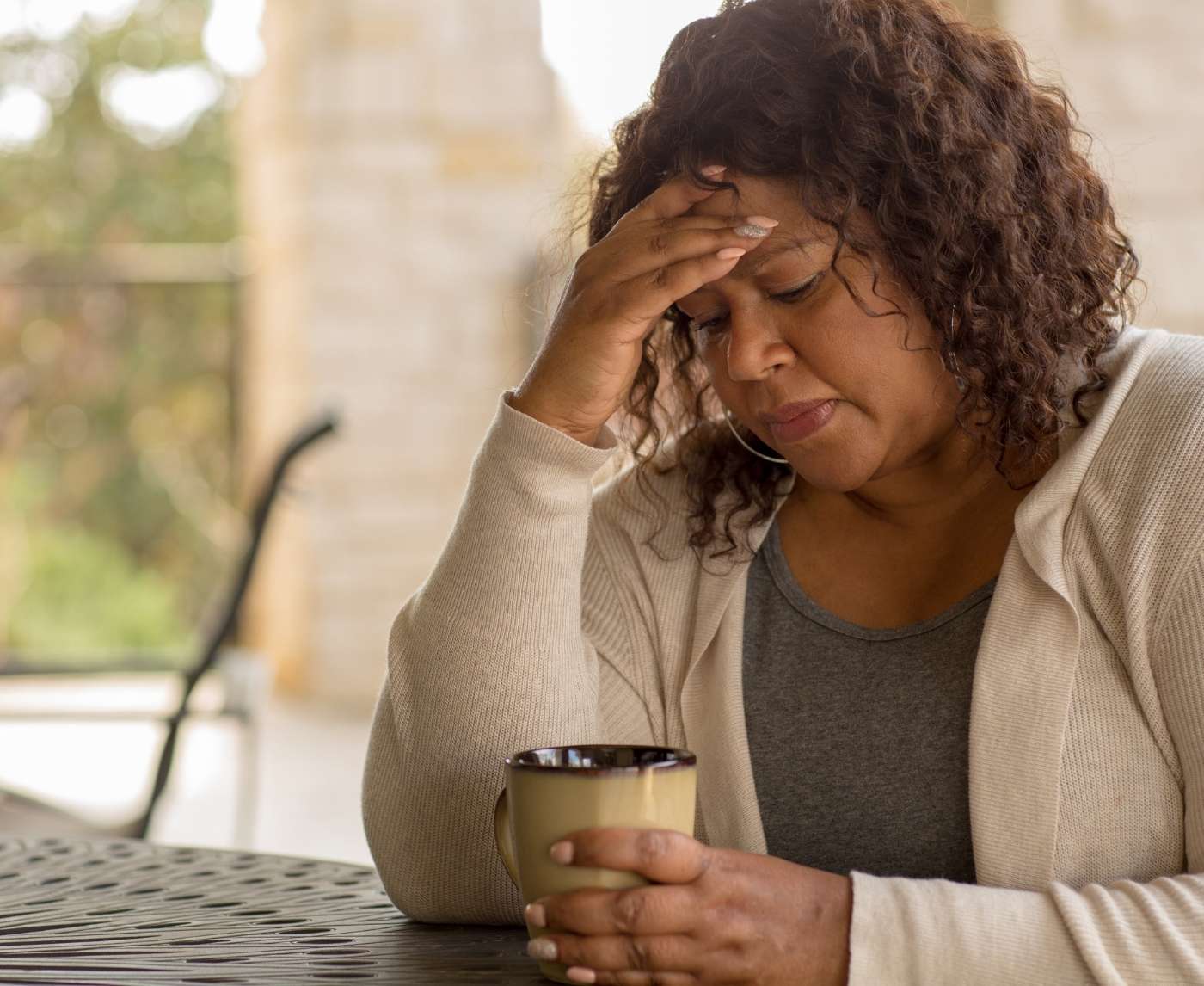
Quick Answer: STD stigma still delays testing by triggering guilt, fear, and shame, especially in people with few or no symptoms. But at-home test kits offer a private, judgment-free way to take control.
Quick Answer: STD stigma still delays testing by triggering guilt, fear, and shame, especially in people with few or no symptoms. But at-home test kits offer a private, judgment-free way to take control.
The STD You Can’t See: Shame
For Mia, 28, it wasn’t the symptoms that scared her, it was the judgment. After a one-night stand, she noticed some itching. But she waited two months to test. “I was more afraid of what the test would say about me than what the actual result would be,” she said. “I kept thinking, ‘This doesn’t happen to people like me.’”
STD stigma is a cultural infection, passed from outdated sex ed, moral panic, and fear-driven public health campaigns. It teaches people that having an STD means being dirty, irresponsible, or promiscuous. This narrative ignores reality: STDs are infections, not punishments. They're common, treatable, and often symptomless. But the shame lingers like a ghost, silent, invisible, and deeply effective.
According to the CDC, 1 in 5 people in the U.S. has an STI at any given time, and many don’t know it. The stigma doesn't just delay testing, it delays diagnosis, treatment, and partner care. For many, the emotional toll is heavier than the infection itself.

Fear vs Facts: Why We Wait Too Long
If you’ve ever typed “STD symptoms without discharge” into a search bar at 2 a.m., you're not alone. Most people delay testing not because they don’t care, but because they're afraid of what it could mean. Some believe they'll be judged by medical staff. Others fear that a positive result will end a relationship or permanently brand them.
But here’s the reality: most common STDs, like chlamydia, gonorrhea, and trichomoniasis, can be silent for weeks or even months. You can have no symptoms at all and still transmit an infection. Delaying testing doesn’t make the risk go away; it just gives it more time to spread.
In fact, a 2018 study in the journal Sexually Transmitted Diseases found that embarrassment and fear of a positive result were among the top reasons people skipped STI testing, even when it was free and confidential. When fear controls the timeline, health falls behind.
Testing Isn’t a Confession, It’s Care
Getting tested is often framed as something you do after something bad happens, a breakup, an exposure, a scare. But that framing feeds guilt. We need a new narrative: testing is not an admission of wrongdoing. It’s a form of self-respect and partner care. It's normal, responsible, and often the first step toward peace of mind.
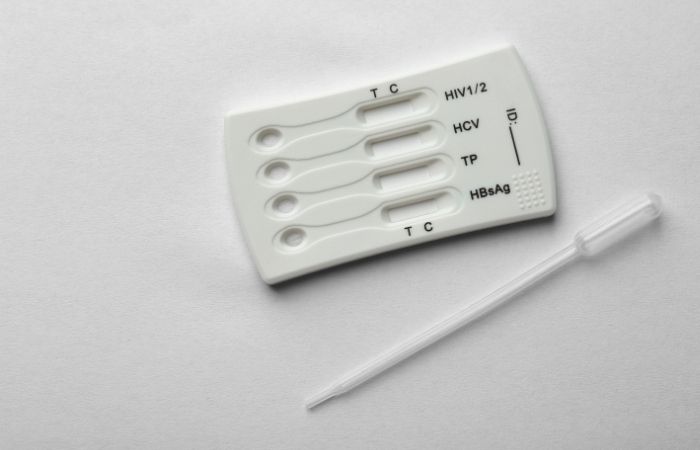
STD Test Kits offers discreet at-home test kits that remove the most intimidating part of testing, judgment. No awkward clinic visits. No explaining your sex life to a stranger. Just clarity, on your own terms. You can order a combo kit here that tests for the most common infections in one go.
Whether you’re worried after a recent hookup or just want to check in with your body, you don’t need permission to take care of yourself. Testing is a gift to yourself and the people you care about, not a scarlet letter.
“He Called Me Dirty Because I Got Tested”
Sade, 33, was in what she thought was a committed relationship when she decided to get tested as a routine check. She never expected her boyfriend to react with suspicion. “He said, ‘Why would you get tested if you weren’t cheating?’” Sade recalls. “I was stunned. I got tested because I love my body. He saw it as an accusation.”
“That was the moment I realized how deep the shame goes. Even being proactive is suspicious.”
This isn’t an uncommon experience. Within many partnerships, and especially those that are monogamous in nature, the presence of testing is viewed with skepticism instead of concern. Socially, the term “safe sex” is frequently associated with mistrust, making silence a catalyst in its own right. For those of the female sex, LGBTQ+, and minorities, the shame crosses boundaries into other areas of discrimination.
But breaking this pattern requires a complete overhaul of how we talk about health issues—not just infection rates. By shifting the conversation from punishment to prevention, there's suddenly space to take the conversation to a place where honesty, concern, and connection are possible, even in complex circumstances.
What If They Find Out? The Psychology of Hiding
When people avoid STD testing, it's not because they’re reckless, it’s often because they’re scared of being seen differently. Shame doesn’t just silence conversations; it warps how we see ourselves. If you’ve ever thought, “I don’t want anyone to know I even thought I needed an STD test,” you’ve already felt the power of stigma working against your health.
Psychologists refer to this as “anticipated stigma”, the belief that others will judge or reject you for a certain identity or behavior. In the case of STDs, that identity is sexual. The behavior is testing. The fear? That getting tested means you’re dirty, disloyal, or deviant. For some, even the act of buying a test feels like stepping into shame’s spotlight.
But what if we reframed that moment? Instead of thinking, “What will they think of me?”, we ask, “What do I think of someone who takes care of their health?” The answer usually isn’t judgment. It’s respect.
The Role of At-Home Testing in Reducing Shame
Home testing is convenient, but more than that, it’s a revolution for people who’ve internalized the shame of an STD. You don’t need to make an appointment, wait in a waiting room, and tell some stranger about the sexual activity in your past.
"You swab, prick, and pee in the privacy of your own space and according to your own timeline."
Moreover, according to a review published in BMC Public Health in 2021, at-home testing has a significant effect on the rate of test utilization, especially where the fear of stigma is a concern, such as in rural settings, the LGBTQ+ population, and areas where access to health care is a limitation.
For better and worse, shame exists in the space where one recognizes that things are potentially going wrong and where one actually chooses to take action. At-home testing reduces the size of this space. It allows an individual to rely upon a tool that avoids the social minefield. Moreover, because the testing process becomes a private occasion, it becomes possible.
If you are afraid to know but sick of worrying,an at-home HIV test or Herpes test kit may be the answer to finally dodging the stare-down.
Generational Silence: The Shame That Gets Passed Down
For many, STD shame isn’t born from experience, it’s inherited. Maybe your parents never talked about sex. Maybe your school showed terrifying slideshows of infected genitals but never mentioned testing or treatment. Maybe you grew up thinking that even asking a question meant you were “bad.” That shame sticks.
Jamal, 25, avoided testing for years after hearing his aunt say, “If you’re clean, you’ve got nothing to worry about.” It seemed logical at the time. But the language implied that getting tested meant you might be dirty. “I didn’t realize that fear was stopping me from getting help,” he said. “It took a partner being honest with me for the first time to break that cycle.”
In cultures where sexual silence is the norm, whether due to religion, tradition, or trauma, STDs don’t just carry a medical weight. They become proof of broken rules. Testing becomes an act of rebellion rather than responsibility. But breaking the silence, even privately, can start a new cycle, one based on health, not fear.
The Myth of Monogamy and the “Clean” Lie
One of the most damaging myths tied to STD stigma is that being in a monogamous relationship guarantees safety. In reality, many people contract STDs from trusted partners, sometimes unknowingly, sometimes not. But because “clean” is often equated with being in a relationship, testing gets framed as betrayal.
In truth, herpes, HPV, and even HIV can be transmitted by people who have no idea they’re infected. Many of these STDs can be present without symptoms for months, or even years. By the time symptoms appear (if they ever do), the infection may have been passed on multiple times.
This myth keeps people from protecting themselves and their partners. It also reinforces the idea that testing is only for people who’ve done something “wrong.” But prevention isn’t just for the single or the sexually adventurous. It’s for everyone with a body, and a heartbeat.
If you're in a relationship but still feel uneasy, it's okay to want clarity. Testing doesn't mean you distrust your partner. It means you care enough to be sure.
What If It’s Positive? Handling the Guilt Spiral
Testing is scary because it opens a door, and sometimes what’s behind that door is hard to face. A positive result can trigger a storm of emotions: fear, shame, self-blame, anger, denial. But here’s the thing, an STD isn’t a moral failure. It’s a medical condition. One that can be treated, managed, or even cured.
Dr. Elena Ruiz, a sexual health educator and clinician, says it plainly: “The most damaging part of an STD is rarely the infection, it’s the silence around it.” She sees patients every week who waited months or years because they couldn’t bear the possibility of being “that person.” But once diagnosed, most people feel relief. They finally have answers. They can act.
For those moments when you feel like your world just cracked open, know this: you're not alone, and you're not doomed. Most STDs are treatable. Some clear on their own. Others can be managed easily. And treatment is often quicker, easier, and less scary than people expect.
Need support after testing positive? Our combo kit can also be used for retesting after treatment. It’s discreet, private, and gives you back a sense of control.
Myths That Feed STD Shame, And What’s Actually True
It’s hard to talk about STDs when most of what people “know” isn’t even accurate. Misinformation fuels stigma, and stigma fuels silence. That’s why myth-busting matters, it gives people the language to replace fear with facts.
| Myth | What’s Actually True |
|---|---|
| “Only promiscuous people get STDs.” | Anyone who has sex can get an STD, even in long-term relationships. Most infections are passed unknowingly by people without symptoms. |
| “Getting tested means you’ve done something wrong.” | Testing is a form of self-care, not a confession. You can get tested simply because you value your health and your partners. |
| “If I don’t have symptoms, I’m fine.” | Many STDs, like chlamydia and HPV, can be asymptomatic for months or years. Silent doesn’t mean safe. |
| “Using a condom means I’m totally protected.” | Condoms help reduce risk, but some infections (like herpes or HPV) can spread via skin contact in areas not covered. |
| “Testing will end my relationship.” | In reality, honest testing can build trust. It shows you’re proactive, responsible, and serious about mutual safety. |
Figure 1. Common STD stigma myths and factual corrections. Reframing these beliefs is a critical step toward normalizing testing and reducing emotional barriers.
How to Know If You Should Get Tested (Without the Shame)
Still wondering if you should test? That’s not a failure, it’s a sign that you care. Many people feel stuck between “I probably don’t need to” and “But what if I do?” That space is where anxiety festers. You can take action, even if you’re unsure.
If you’ve had a new partner, experienced condom slippage, are starting a new relationship, or just haven’t tested in over a year, now is a good time. And if you're still not sure, this tool can help: STD Risk Checker Quiz: Do You Need to Get Tested?
It walks you through situations and risk factors with zero judgment, just facts and clear next steps. Think of it like Google with empathy.
Timing Matters: When Should You Actually Test?
One of the most overlooked parts of STD testing is when to do it. Test too early, and you could get a false negative, even if you’re infected. Every STD has its own “window period,” which is the time between exposure and when a test can detect it accurately.
Understanding the window period helps eliminate both false reassurance and unnecessary panic. For example, gonorrhea and chlamydia tests are usually accurate after 7–14 days. But HIV testing might require up to 45 days, depending on the type of test.
We break down all of this in a detailed guide you can bookmark and return to: STD Testing Window Periods: When to Test for Each. It includes a master table and decision tree to help you time your tests with accuracy, not guesswork.
When Silence Hurts More Than the Result
STD stigma doesn’t just delay care, it damages self-worth. It makes people doubt their instincts, suppress their symptoms, and stay quiet when they need help most. But silence isn’t safety. In fact, it’s often what turns a treatable infection into a long-term complication.
Imagine carrying an infection for months because no one ever told you that STDs can be silent. Or worse, you suspected, but shame told you not to check. That’s not health. That’s fear in disguise.
You don’t have to wait for a symptom, a scare, or a crisis to test. You can do it now, privately, with full control over your next step. 7-in-1 Complete At-Home STD Test Kit checks for multiple infections in one go, no waiting room, no judgment.
Your body is not dirty. Your desire for answers is not suspicious. Your health deserves clarity, not guilt.
“Testing Changed My Relationship With My Body”
Ray, 41, avoided STD testing for over a decade. He was in and out of relationships, had no major symptoms, and told himself he didn’t “need” to test. But after a partner shared their own story, Ray finally ordered an at-home kit. His result came back positive for chlamydia.
“Honestly, I didn’t feel dirty. I felt relieved. I had a name for what was going on. I got treated. I told my ex. It sucked, but I didn’t feel ashamed. I felt grown.”
Testing can be a turning point, not just for health, but for how people relate to their bodies. It's an act of ownership, not fear. It says, “I see myself as worthy of care.” That shift changes more than a diagnosis. It changes everything.
FAQs
- 1. Why does getting tested feel so much scarier than it should?
- Because you’ve been trained, by school, TV, religion, maybe even family, to believe that STDs say something about your character. They don’t. But your brain hasn’t gotten that memo yet. Fear lives in the gap between “I know this is normal” and “I’m terrified people will judge me.” Testing doesn’t expose your worth; it protects your health.
- 2. Can I really have an STD even if everything feels normal down there?
- Yes, and that’s one of the biggest reasons people get blindsided. Infections like chlamydia, gonorrhea, and HPV can stay completely silent. No burning, no bumps, no discharge, just vibes. That’s why many people only find out after a routine test or a partner’s diagnosis. Silence is common; shame shouldn’t be.
- 3. I feel embarrassed even ordering a test. Is that normal?
- So normal it’s practically its own love language. People tell themselves wild stories like “the mail carrier will know” or “someone will judge me for even wanting a test.” The truth: the packaging is discreet, the process is private, and most people who test at home never go back to clinic-based testing again. It’s your health, not a confession.
- 4. What if I get a positive result? Will my life fall apart?
- Short answer: No. Longer answer: You’ll probably feel a lot of feelings, fear, relief, anger, clarity, but your life will keep moving. Most STDs are treatable. Many clear with a simple antibiotic. Others, like herpes, are manageable and extremely common. A positive result doesn’t rewrite your story. It just gives you a step-by-step plan.
- 5. Do I really need to tell my partner if I test positive?
- Honesty is part of harm reduction, but it doesn’t have to be dramatic or shame-filled. Some people use anonymous partner notification tools; others have gentle conversations at home or over text. What matters is stopping the spread, not delivering a performance. You’re sharing information, not confessing a crime.
- 6. Is at-home testing actually accurate?
- Yes, when you’re using a legitimate kit. At-home tests from STD Test Kits are medically vetted, stable, and designed for real-world use (read: shaky hands and bathroom lighting). Follow the instructions, time things right, and you’ll get reliable answers without the waiting-room awkwardness.
- 7. I’m in a monogamous relationship. Do I still need to test?
- Monogamy doesn’t magically vaccinate anyone. Many STDs can linger silently for months or years, so people sometimes bring old infections into new relationships.
- 8. How do I even bring up STD status in a new relationship?
- Keep it real, keep it simple. Something like, “I want to be upfront because I care about trust, I have [X], it’s managed, and I know how to keep both of us safe.” You’d be amazed how many people appreciate honesty and respond with empathy, or even say, “Me too.”
- 9. Is herpes actually a big deal?
- Medically? Usually not. Most people with HSV-1 or HSV-2 don’t even know they have it. Socially? The stigma can feel like a punch in the gut. But the more you learn, the smaller it feels. It’s skin-to-skin contact. It’s manageable. And it absolutely does not make you any less dateable, lovable, or whole.
- 10. How do I stop feeling like I messed up my life?
- Start here: You didn’t. You’re navigating something millions of people deal with. This is not the end of anything. It’s the beginning of you seeing yourself with more compassion. The real glow-up is when you realize this doesn’t change your worth, it just changes what you know about your health.
You Deserve Answers, Not Assumptions
STD stigma thrives in silence, but testing cuts through the noise. It’s not about what you did, it’s about what you know. And knowing gives you power, not shame. Whether you're scared, confused, or just tired of wondering, you deserve clarity. No judgment. No pressure. Just answers.
This at-home combo test kit checks for the most common STDs discreetly and quickly. You don’t have to explain yourself to anyone. Just test, know, and take care of you.
How We Sourced This Article: We combined current guidance from leading medical organizations with peer-reviewed research and lived-experience reporting to make this guide practical, compassionate, and accurate. In total, around fifteen references informed the writing; below, we’ve highlighted some of the most relevant and reader-friendly sources.
- Planned Parenthood – STDs and Safer Sex
- NHS – Overview of STIs
- Relationships Between Perceived STD-Related Stigma, STD-Related Shame and STD Testing Among Adolescents and Young Adults
- Shame and STIs: An Exploration of Emerging Adult Experiences of Avoidance of Testing and Care
- Triggers of Self-Conscious Emotions in the Sexually Transmitted Infection (STI) Testing Process — Shame, Guilt, and Embarrassment