Did They Have an STD? Famous Figures, Real Diagnoses, and Public Myths
Quick Answer: Several famous historical figures, including Al Capone, Oscar Wilde, and King Henry VIII, had or were rumored to have STDs. Today, rapid tests and early treatment change everything.

Quick Answer: Several famous historical figures, including Al Capone, Oscar Wilde, and King Henry VIII, had or were rumored to have STDs. While treatments were limited then, their stories highlight how stigma, secrecy, and delayed care made outcomes worse. Today, rapid tests and early treatment change everything.
Why This Article Exists (And Why It’s About More Than Gossip)
This isn’t just a who's-who of historical STDs. It’s about how sexual health intersects with power, fear, medicine, and myth. Whether you’re reading this after a late-night Google spiral or as someone quietly living with a diagnosis, know this: you are not alone. And you're not the first to carry the weight of silence, either.
Some of the most influential people in history lived, and in some cases, died, with STDs. But what defined them wasn’t infection. It was how medicine, society, and stigma collided around their diagnosis. That’s what we’re unpacking here. Not to shame, but to understand. Not to sensationalize, but to normalize.
Before Penicillin: What STDs Meant in History
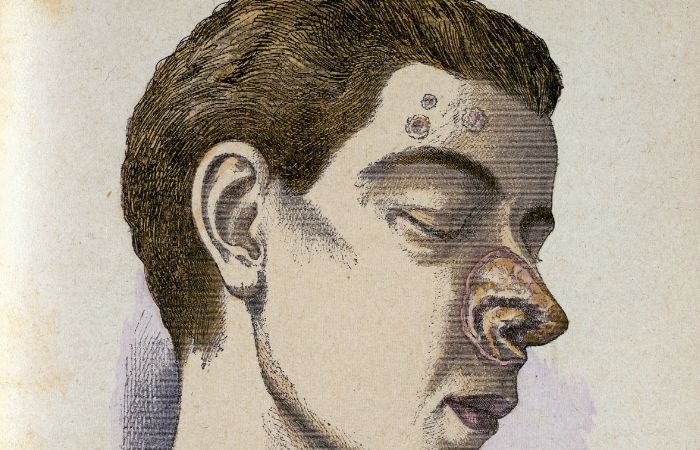
Before antibiotics, an STD wasn't just an awkward diagnosis. It was a potential death sentence. Syphilis was especially brutal, sometimes progressing to neurological damage, heart complications, and blindness. According to CDC data, the disease has three stages, and in its later form (tertiary syphilis), it can destroy organs over years.
Historical figures diagnosed, or believed to be infected, with syphilis often faced cognitive decline, erratic behavior, or intense chronic pain. But because sexual health was taboo, these symptoms were often misattributed to “madness,” “melancholy,” or even “divine punishment.” Imagine living in a time when a burning sensation or mysterious sore wasn’t just frightening, it was spiritually damning.
And yet, these conditions were incredibly common. In 19th-century Europe and America, syphilis rates soared in both urban centers and elite circles. Treatment before penicillin included mercury rubs, arsenic injections, and dubious herbal poultices, many of which were more toxic than the disease itself.
Al Capone and the Collapse of a Crime Empire
Al Capone, one of America’s most feared and iconic gangsters, didn’t die from a bullet or behind bars. He died from the long-term effects of untreated syphilis. Capone contracted the infection early in his career, likely during his time running brothels in Chicago.
After being imprisoned for tax evasion in 1931, his health declined rapidly. Medical records later confirmed he had neurosyphilis, syphilis that invades the brain and spinal cord. By the time he was released, Capone was reportedly unable to comprehend basic conversations and had the mental capacity of a child. He spent his final years secluded in Florida, slowly deteriorating from a preventable infection that no one dared to treat or speak about.
“I’m through with crime,” Capone reportedly told a doctor. But it wasn’t remorse. It was confusion. His mind, ravaged by disease, no longer connected to the man he once was.
The Royal Strain: STD Rumors Around King Henry VIII
King Henry VIII is better known for his six wives and his break with the Catholic Church than for his medical record. But behind the scenes, some historians have speculated that his erratic behavior, miscarriages among his partners, and physical decline may be linked to a long-term STD, most likely syphilis or a chronic sexually transmitted infection such as chlamydia.
There’s no definitive medical proof, but court documents show that the king often consulted physicians for “sores” and “swelling,” euphemisms often used to refer to genital symptoms in royal records. His mental instability and violent outbursts in later years are also consistent with tertiary syphilis, though this remains debated in academic circles.
What’s not debated is how fear of disease shaped royal court behavior: servants were vetted, queens were blamed, and symptoms were silenced. In Tudor England, having an STD wasn’t just a health issue, it was a matter of succession, scandal, and secrecy.
STDs and the Creative Mind: Oscar Wilde’s Imprisonment and Health Decline
Oscar Wilde, the brilliant playwright and poet, died in disgrace, but not for his wit. Convicted for “gross indecency” due to homosexual relationships, Wilde was sentenced to prison in 1895. Conditions in jail were harsh, and after two years, his health collapsed.
Historical records and some biographers suggest Wilde had contracted syphilis earlier in life, though this too is debated. What’s certain is that by the time of his release, Wilde suffered from recurrent infections, hearing loss, and symptoms consistent with neurosyphilis or chronic urethritis.
In a letter from exile, he wrote: “I can write no more. My hand shakes and my sight is blurred.” The man who dazzled salons and scandalized London society would die in poverty, likely from a mix of neglect, infection, and shame-fueled medical silence.
Today, Wilde’s story is reclaimed by LGBTQ+ and sexual health advocates as a cautionary tale, not of sin, but of stigma.
What Syphilis Did to Artists, Thinkers, and Madmen
Throughout the 19th and early 20th centuries, syphilis was called “the great imitator” because its symptoms mimicked dozens of other conditions. For many brilliant minds, the toll of untreated infection played out publicly, through cognitive decline, seizures, hallucinations, and erratic behaviors that were chalked up to genius, insanity, or addiction.
It is said that radical philosopher Friedrich Nietzsche got syphilis in his 20s, probably from going to a brothel in Leipzig. His health quickly got worse, which was sad. At 44, he had a psychotic episode and fell in the street. After that, he spent the rest of his life in an institution, often not speaking or thinking clearly. Neurosyphilis is still the most likely cause of his quick mental decline, even though experts are still arguing about the exact diagnosis.
One of the first modern artists, Edouard Manet, died a painfully quiet death, probably because he had syphilis that wasn't treated. He used a cane to walk toward the end of his life, had chronic ulcers, and was said to have had severe nerve damage. His paintings, which used to be bright and rebellious, became darker as his health got worse.
Even Ludwig van Beethoven has been linked to a decline after death that may have been caused by an STD, though syphilis is still a guess. What connects these stories isn't medical certainty; it's the strange pattern of brilliance fading away because of infections that go undiagnosed or untreated, hidden in shame and left to rot in private rooms.
When STD Rumors Become Weaponized
STDs have long been used as tools of character assassination. For famous people, even a rumor can alter a legacy. In the 20th century, accusations of herpes, gonorrhea, or HIV/AIDS became tabloid fodder, often with little or no medical basis.
Marilyn Monroe struggled with rumors of “unwomanly infections” in her FBI files, probably relating to vaginitis or gonorrhea. Though there’s no recorded evidence of a positive STD diagnosis in the public records, her sexuality was always being used against her even in her untimely death.
Howard Hughes was a reclusive billionaire and a great aviation entrepreneur who became more of a recluse as he aged in life. Even though the reasons for his behavior have been traced to Obsessive Compulsive Disorder and addiction problems in some accounts of his history, there have also been speculations about the influence of neurosyphilis.
This is what stigma does: it turns health into scandal. It blurs fact and fiction. And it discourages testing, disclosure, and care.
When the Cure Finally Arrived (But Stigma Stayed)
In 1943, penicillin became the first widely effective treatment for syphilis. For the first time in centuries, a diagnosis didn’t mean a slow, painful decline. Yet the cultural shame didn’t disappear overnight. In fact, during World War II, soldiers treated for STDs were often publicly shamed in the ranks. Posters warned of “loose women” and “moral decay.”
Even with effective antibiotics, people kept infections secret. Celebrities sought treatment under fake names. Clinics offered “discreet entry hours.” Entire ad campaigns were built around the idea that having an STD was a moral failure, not a health issue.
This historical baggage still echoes today. Many people delay testing because of fear, fear of judgment, of rejection, of losing control over their story. But knowing your status is power. And unlike in Capone’s day, testing today is fast, private, and entirely within your control.
What These Stories Teach Us About Today
If there’s one through-line across centuries, it’s this: secrecy kills, but information heals. Every person profiled above, whether truly infected or merely rumored, suffered more from silence than from the disease itself.
Today, you don’t need a royal physician or a seedy backroom to get answers. You don’t have to live in fear of whisper campaigns or reputation-ruining accusations. You can swab, test, and move forward, all from your own home.
A Combo STD Home Test Kit checks for the most common STDs with lab-grade accuracy, without ever stepping foot in a clinic. If your mind keeps spinning, if you’ve read this far because something about these stories feels familiar, know that peace of mind is one test away.
Famous Figures Associated with STDs (Confirmed or Credibly Suspected)
| Name | Profession | STD Involved | Confirmed or Suspected | Outcome or Legacy |
|---|---|---|---|---|
| Al Capone | Crime Boss | Syphilis (neurosyphilis) | Confirmed | Mental deterioration, early death |
| Oscar Wilde | Writer | Likely syphilis or urethritis | Suspected | Imprisonment, health collapse |
| Friedrich Nietzsche | Philosopher | Syphilis (neurosyphilis) | Strongly suspected | Institutionalized until death |
| Edouard Manet | Painter | Syphilis | Likely | Physical decline, leg amputation |
| King Henry VIII | Monarch | Possibly syphilis or chlamydia | Debated | Erratic behavior, reproductive issues |
Figure 1. A comparison of historically significant figures rumored or confirmed to have had STDs and their outcomes.
Modern Lessons from Historical Silence
Looking back, it’s easy to wonder: how could people like Oscar Wilde or Friedrich Nietzsche suffer so long without treatment? The real question is, how many people today are still doing the same?
The difference is, now we have the tools. What we still struggle with is the silence. Even in 2025, shame stops people from asking questions, buying test kits, or bringing up symptoms. We fear what it might mean if we test positive, just like they did in centuries past. And yet, modern STDs are often treatable, manageable, or even curable with a single prescription.
But knowledge without action is just another form of delay. That’s why testing matters. Because while stigma has deep roots, so does resilience. And your health is never something to feel ashamed of.
STD Treatments Then vs Now
| STD | Common Historical Treatment | Modern Treatment | Outcome Then | Outcome Now |
|---|---|---|---|---|
| Syphilis | Mercury ointments, arsenic injections, heat therapy | Penicillin injection (Benzathine Penicillin G) | Neurological damage, death | Curable if caught early, full recovery likely |
| Gonorrhea | Silver nitrate, urethral irrigations, rest | Ceftriaxone injection + oral doxycycline | Infertility, chronic pelvic pain | Curable with antibiotics, minimal long-term effects |
| Chlamydia | Misdiagnosed or untreated; sometimes mercury-based topicals | Oral azithromycin or doxycycline | Often led to PID, ectopic pregnancy, infertility | Curable, highly preventable complications with early treatment |
| Herpes | Cold compresses, herbal poultices, isolation | Oral antivirals (e.g., valacyclovir) | Recurrent, painful outbreaks with no relief | Manageable with treatment, reduced transmission risk |
| HIV (20th century) | Experimental antivirals, palliative care only | ART (antiretroviral therapy) | Rapid immune failure, near-certain death | Chronic condition with normal lifespan if treated |
Figure 2. Comparison of historical vs modern STD treatments and their likely outcomes. This contrast highlights how far we've come, and why early testing today is life-changing.
“I Thought I Was Clean, Then I Found Out the Truth”
Damon, 32, thought he was doing everything right. Long-term partner. Occasional testing. Condoms most of the time. But when his doctor flagged unexplained inflammation on a routine blood panel, the suggestion to test for syphilis felt like a slap.
“I didn’t think it applied to me,” he said. “I thought syphilis was some old-school disease. Like something out of a history book.” But he agreed to test, and the result came back positive: early latent syphilis. Damon had no symptoms. No rash. No sores. No idea.
“It shook me. I felt this weird mix of shame and disbelief. Like, how did this even happen?”
What Damon learned next surprised him: syphilis is still very much alive today, and early stages can be completely silent. A single injection cured the infection. His partner tested negative. They stayed together. But the emotional impact lingered.
“I kept thinking about people like Capone, or how people used to go crazy from this. It made me realize how lucky we are now. I had access. I had a heads-up. That changed everything.”
Testing didn’t just save his health, it saved his relationship. And it gave him something historical figures didn’t have: peace of mind and a clear path forward.
This discreet at-home Combo Test Kit checks for syphilis, gonorrhea, chlamydia, and more. Whether you're symptom-free or just unsure, you don’t need a scandal or a diagnosis from a doctor in robes. You need clarity. And that starts here.
FAQs
- 1. Did any of these people really die from STDs?
- Yes, and not just quietly. Al Capone died mentally broken from untreated neurosyphilis. Others, like Nietzsche or Manet, spent their final years in physical agony or psychiatric decline. But honestly? What killed them wasn’t just the infection, it was the silence around it.
- 2. Wait, I thought syphilis was an old disease. Is it still around?
- Big time. Syphilis cases have been climbing again, especially among people in their 20s and 30s. The scary part? It can hide in your body for years with zero symptoms. The good news? A single penicillin shot can wipe it out, if you catch it early.
- 3. Could I have an STD and not know it?
- 100%. That’s the messed-up part. Chlamydia, herpes, even syphilis can lie low without giving you a single clue. You could feel totally fine, and still be infected. That’s why regular testing matters, even if you feel “clean.”
- 4. How did they even treat STDs back then?
- In a word? Brutally. Mercury rubs, arsenic cocktails, weird heat lamps. Some of it worked a little, most of it poisoned people slowly. Penicillin didn’t arrive until the 1940s, and it changed everything. Now you can treat an infection that once destroyed empires... with a shot in the butt.
- 5. Why didn’t they just talk about it?
- Because even kings feared being judged. Wilde was imprisoned. Marilyn was gossiped to death. Capone hid behind cash and bravado until his brain gave out. Back then, having an STD wasn’t just risky, it could ruin your name, your job, your life. Sound familiar?
- 6. Is it still shameful to have an STD?
- That depends on who you’re asking. But here’s the truth: catching an infection doesn’t make you dirty. It makes you human. Shame only sticks when we keep quiet. Testing, treating, talking, that’s how we change the story.
- 7. Can syphilis really mess with your brain?
- If you ignore it long enough, yes. That’s what happened to Capone and maybe Nietzsche. But that takes years. Today, we catch it way earlier. A routine test can stop it before it even comes close to your nervous system.
- 8. What if I test positive, then what?
- Deep breath. Most STDs are totally treatable. You might need a shot, a week of pills, or just a chat with a partner. Testing positive doesn’t mean you're doomed. It means you’ve got info, and now, a plan.
- 9. Can I really test at home?
- Yes, and thank god for that. No clinic stares. No awkward waiting rooms. Just a kit, your sample, and quick results, delivered privately. STD Test Kits offers tests you can take without judgment, delay, or drama.
- 10. Okay, but what if I’m scared to know?
- That’s real. A lot of us are. But not knowing doesn’t protect you, it just delays peace of mind. If you’re reading this far, your gut is already telling you to check. And whatever happens next? You’ll handle it. You’re not alone.
You Deserve Answers, Not Assumptions
Stories of famous personalities affected by STDs aren’t just sad side notes. These serve as a reminder that silence hurts more than the disease. “It was not the disease that caused their lives to spiral,” said Angela Mary Williams in her article ‘My Opinion about STD’s,” but “it was fear, delay, and stigma.
But you don’t have to follow that path. With in-home testing, privacy, and the advancement of medicine, you have the options they never had. Curious, cautious, or just a little concerned, you have the right to clarity over confusion.
Don’t wait and wonder. This at-home Combo STD Test Kit provides fast results to give you the clarity you need. And that’s something even a king would have been hard-put to afford.
How We Sourced This Article: We combined current guidance from leading medical organizations with peer-reviewed research and lived-experience reporting to make this guide practical, compassionate, and accurate. In total, around fifteen references informed the writing; below, we’ve highlighted some of the most relevant and reader-friendly sources.