Do Lubricants Affect STD Test Accuracy or Risk?
Why This Matters: Beyond the Bottle This article is for anyone who’s stared at a condom wrapper or lube bottle after sex and thought, “Wait, did that mess something up?”
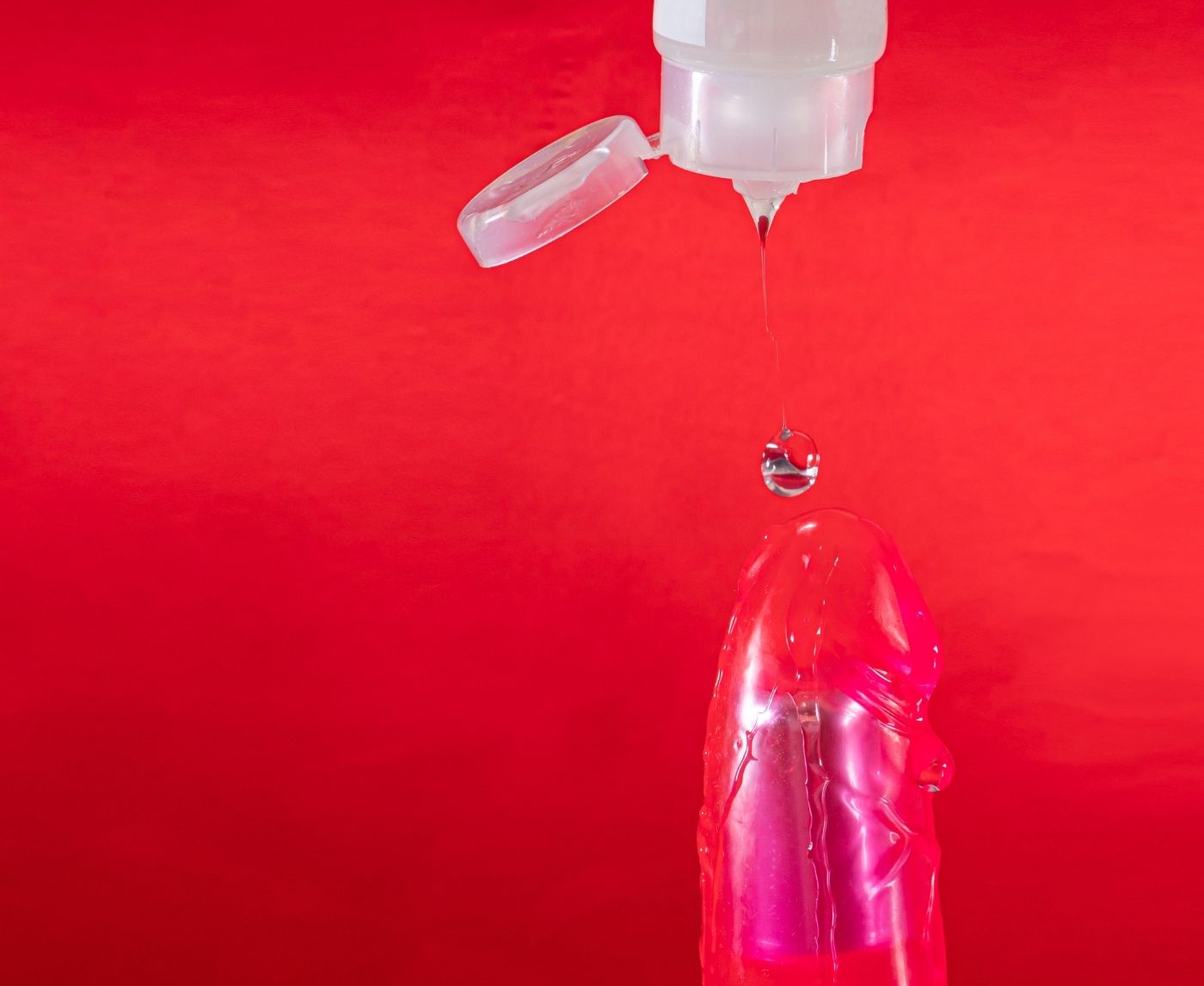
Quick Answer: While there are lubricants that contain oils and/or glycerin and special ingredients that might influence your test results if used immediately before being tested, there are others that heighten your chance of acquiring STDS when used because of irritating tissue.
Why This Matters: Beyond the Bottle
This article is for anyone who’s stared at a condom wrapper or lube bottle after sex and thought, “Wait, did that mess something up?” It’s for the people navigating hook-ups, long-term relationships, anal sex, douching, testing, and everything in between. If you’ve ever been told to just “pee and you’re fine,” or “lube can’t matter that much,” this article will explain exactly why that’s not the whole truth.
It’s also for folks doing at-home STD testing who want real talk about what’s safe to use, when to test, and how to avoid mistakes that could cost you peace of mind. Whether you’re dealing with symptoms or just being responsible, understanding how lubricants interact with both STD risks and testing technology can help you avoid false negatives, protect your partners, and take better care of yourself.
How STD Tests Actually Work (And Why Lube Matters)
To understand how lube might affect your STD test, we have to get under the hood of how these tests work. The majority of accurate STD diagnostics, especially at-home ones, use either:
| Test Type | What It Detects | Sample Used | Possible Lube Interference? |
|---|---|---|---|
| NAAT / PCR (lab-based) | Genetic material from bacteria/viruses | Urine, vaginal, rectal, or throat swab | Yes, especially with residue on swabs |
| Antibody / Antigen (blood) | Immune response or viral proteins | Finger prick blood or venous sample | No direct effect |
| Rapid Lateral Flow (strip test) | STD antigens or antibodies | Swab or blood drop | Yes, if fluid is contaminated |
Figure 1. How common STD test types work and where lubricants might interfere.
Most at-home STD kits use a swab or urine sample to detect infections like chlamydia, gonorrhea, or trichomoniasis. Swabs are highly sensitive, meaning they can pick up even trace amounts of DNA or RNA from bacteria and viruses, but they’re also sensitive to contamination. That includes lubricant residue, especially if the lube contains oils, sugars (like glycerin), or additives that disrupt vaginal or rectal pH.
Blood-based tests like those used for HIV or syphilis antibody detection aren’t affected by lubricants, but if you’re using a combo test kit that includes both swabs and blood drops, you’ll still want to read this carefully.
“I Used Lube Right Before Testing, Did I Ruin It?”
Jasper, 27, tested at home the morning after a long night with a new partner. “We’d used silicone lube,” he said. “Then I did the rectal swab like 10 hours later and started spiraling, did that mess with the sample?”
“It didn’t burn or anything, but I couldn’t stop thinking: is that test going to come back negative just because of a bit of leftover lube?”
It’s a fair question. And while some tests are forgiving, it depends on the kind of lube used, where the sample is taken from, and how long ago the lubricant was applied. Silicone lubes tend to linger and are hydrophobic, meaning they resist water and don’t wash away easily. That makes them great for sex, but not ideal for a clean swab sample hours later.
Oil-based lubricants, especially those with mineral oil or coconut oil, can not only weaken condoms but also coat mucosal surfaces. This coating can potentially trap bacteria or interfere with the swab’s ability to collect an adequate sample. Even if you feel “clean,” residue can remain undetectable but still mess with test results.
If you used lube before testing, especially for a vaginal or rectal swab, it’s worth checking your test’s instructions. Many recommend avoiding any lubricant, douching, or sex for 24 hours before collection. If you didn’t wait, you may need to retest.
When Lubricants Raise STD Risk (And When They Don’t)
Beyond testing, certain lubricants can actually raise your risk of contracting an STD, especially if you’re using the wrong kind with the wrong kind of protection or with sensitive tissues. Here’s how it breaks down:
| Lube Type | STD Risk Impact | Common Ingredients to Watch |
|---|---|---|
| Water-based (no sugar or alcohol) | Generally safe, reduces friction tears | Glycerin (sometimes), preservatives |
| Oil-based (e.g. coconut, mineral oil) | Increases condom breakage, traps bacteria | Petroleum, natural oils |
| Silicone-based | Low friction, long-lasting; residue can interfere with swabs | Dimethicone, cyclomethicone |
| Flavored/warming lubes | Can irritate tissues, increasing STD susceptibility | Menthol, sugars, propylene glycol |
Figure 2. Lube types and their potential impact on STD transmission risk.
Many flavored or warming lubes contain ingredients that aren’t designed for internal use, and they can irritate the lining of the vagina, anus, or even urethra. When that happens, tiny microtears form, creating openings for STDs to take hold. This is especially risky when paired with high-friction sex or sex without condoms.
There’s also the issue of vaginal flora. Some lubricants can disrupt the balance of bacteria in the vagina, leading to bacterial vaginosis (BV), which itself can raise the risk of acquiring STDs like HIV or chlamydia.
What the Research Says About Lube and STD Test Accuracy
There’s not a ton of public-facing research on this topic, but what's out there is revealing, and the labs know about it even if your doctor doesn’t mention it. A study in the journal Sexually Transmitted Diseases found that water-based lubricants with high osmolality (i.e., more likely to draw water out of cells) may disrupt mucosal surfaces, potentially altering both infection susceptibility and sample quality:contentReference[oaicite:0]{index=0}.
Another investigation published by the CDC and PATH looked at how lubricants interact with rectal swabs and testing for chlamydia and gonorrhea. Researchers noted that certain lubricants, especially those containing antimicrobial agents, can inhibit bacterial DNA detection in nucleic acid amplification tests (NAATs). In other words, a heavily lubed rectal swab might come back falsely negative because the bacteria wasn’t detectable anymore.
In clinical testing settings, most labs recommend abstaining from sex, lubricant use, douching, or using vaginal creams for 24 to 48 hours before swab collection to reduce this risk. But at-home tests don’t always communicate that clearly, meaning users might unknowingly invalidate their results.
Bottom line: swabs are delicate. Anything that coats, alters, or disrupts the tissue or sample surface, especially in the vagina, anus, or throat, can reduce the accuracy of detection, even if you technically collect the sample “correctly.”
How Long Should You Wait to Test After Using Lube?
There’s no universal waiting period, but there are good guidelines depending on the type of lubricant and the test site:
- Water-based lube (no glycerin, no additives): Wait at least 12 hours before collecting a swab sample
- Silicone-based lube: Wait 24 hours and rinse thoroughly before testing
- Oil-based or flavored lube: Wait 24–48 hours and avoid internal use prior to testing
Keep in mind: these guidelines are more cautious than most test-kit inserts, but they reflect real clinical concerns. If you had recent high-risk sex and can’t delay, it’s better to test and potentially retest than not to test at all.
One Reddit user shared their experience: “I used lube during anal with a hook-up and tested the next day using a home swab kit. Negative. But I kept having symptoms, and a week later a clinic test came back positive for chlamydia.” While anecdotal, stories like these are increasingly common, and they match what lab science has already flagged as a potential blind spot in self-collected samples.
If in doubt, test, but don’t assume one negative means you’re clear if testing occurred too soon after lube use.
Sex Toys, Swabs, and Slippery Timing
Let’s talk about another variable: sex toys. Silicone, glass, or even metal toys, especially when used with lube, can leave residue in the vagina or rectum that lasts longer than you think. And if you’re swabbing those areas for a test, the swab may pick up more lube than bacteria.
Nina, 24, was concerned after a hook-up involving toys and silicone lube. “I waited until the next afternoon to test, but I didn’t realize silicone doesn’t just rinse out. I read later that it could’ve messed up the swab. Now I don’t trust the result.”
“I was trying to be responsible, and now I feel like I wasted a test.”
It’s a frustrating cycle: you test because you care, but the very things you did to stay safe (like using lube or toys) can leave residue that complicates detection. You don’t need to panic, but you do need to plan. Rinsing with plain water (not soap or wipes) and waiting a full day before self-collection improves accuracy.
Takeaway: Know Your Lube, Know Your Test
Not all lubes are risky. Not all tests are sensitive to interference. But when they overlap, especially with swabs for chlamydia, gonorrhea, or trichomoniasis, the risk of a false negative goes up if lubricant residue is present.
We don’t say this to scare you. We say it to empower you: if you know what your test is detecting, and you know how long ago lube was used, you can make smarter testing decisions. In some cases, that means waiting a day. In others, it means rinsing or using an alternative test method (like urine or blood if applicable).
Testing is care, not confession. And care means understanding the whole picture, including what might be hiding on the surface of your swab.
Whether it’s a recent encounter or ongoing concern, you deserve answers. This at-home combo test kit covers the most common STDs and gives you results without the guesswork, or the shame.
Lube That Lowers Risk: It Exists
It’s not all bad news. While some lubes increase STD risk or interfere with tests, others do the opposite. In fact, the right lubricant can be part of your prevention strategy, especially during anal sex, where natural lubrication is minimal and tissue is more prone to tearing.
The CDC and WHO both acknowledge that water-based or silicone-based lubricants (without harsh ingredients) reduce friction and minimize the risk of microtears during sex, which helps lower the chance of infection. Less tearing = fewer entry points for viruses like HIV or herpes.
There are even FDA-cleared microbicidal lubricants in development, designed not just to reduce friction but to actively kill pathogens. While these aren’t widely available yet, they signal a future where lube might be protective on a chemical level, not just mechanical.
For now, your best bet is a high-quality, pH-balanced water-based lubricant without additives like glycerin, parabens, or warming agents. These help preserve the natural flora of the vagina and rectum while reducing injury-related STD risks.
What to Look for (and Avoid) in a Safe Lube
Choosing lube isn’t just about feel, it’s about safety. Here’s what to scan for on the label:
| Safe Ingredients | Risky or Irritating Ingredients |
|---|---|
| Purified water | Glycerin (linked to yeast infections) |
| Hydroxyethylcellulose | Nonoxynol-9 (a spermicide that can cause irritation) |
| Dimethicone (in silicone lubes) | Menthol, warming or cooling agents |
| pH balanced (4.0–5.5 for vaginal use) | Artificial fragrances, parabens |
Figure 3. Ingredients to look for, and avoid, when choosing a body-safe lubricant that won’t interfere with STD testing.
Remember: just because it’s sold in a store doesn’t mean it’s safe for your body. Many commercial lubes are designed for feel, not health. Always choose lubricants labeled for internal use and free of sugar, alcohol, or oils if you’re using condoms.
From Panic to Plan: One Reader’s Experience
DeShawn, 34, had just started seeing someone new when he noticed a sore after a night of sex. “We used a flavored lube, cherry, I think?, and did everything: oral, toys, some rougher stuff,” he said. “When I saw the sore, I freaked and tested at home that morning.”
“The test came back negative, but I had this gut feeling. I waited five more days and went to a clinic. Turns out it was herpes.”
It wasn’t that the test was faulty. It’s that flavored lube can contain irritants and sugar alcohols that change the mucosal environment, potentially masking inflammation or causing false reassurance. Combine that with early testing and a surface swab? It’s a recipe for confusion.
DeShawn wasn’t wrong to test. But his story is a reminder that timing, symptoms, and surface contamination all play a role in results. “I wish someone had told me flavored stuff isn’t always safe inside,” he said. “It felt fun, but I didn’t know the risks.”
Your Results, Your Power: Take Back Control
If you’ve already tested and you’re unsure of the result, because of lube use, early timing, or both, it’s okay. Retesting isn’t a failure. It’s a smart move. Many providers recommend retesting at the 14-day mark after exposure, especially if the initial test was done within the first week or involved rectal or vaginal swabs.
If you haven’t tested yet, here’s your game plan:
- Wait 24 hours after using any lubricant internally before taking a swab-based STD test
- Use only water to rinse beforehand, avoid soap, douching, or wipes
- If symptoms appear, don’t delay testing, but consider follow-up after the window period
Peace of mind is within reach. Return to STD Test Kits to explore discreet, medically-backed at-home testing options.
FAQs
- 1. Can using lube mess up my STD test?
- It can, depending on what kind of test you’re taking and what kind of lube you used. If you're swabbing your vagina, rectum, or throat and there's still lube residue, especially silicone or oil-based types, it might make it harder for the test to pick up what it's looking for. It’s like trying to paint over a greasy wall: the result might not stick.
- 2. Is it okay to test the day after using lube?
- Usually, yes, but give your body a little time. If you used lube internally, like during anal or vaginal sex, try to wait at least 24 hours before collecting a swab sample. And rinse gently with plain water, no douching, no soap. Think of it like prepping a clean slate for the test to do its job.
- 3. Do flavored lubes raise your risk of getting an STD?
- Surprisingly, yes, some do. Sugars and chemicals in flavored or warming lubes can irritate delicate tissues, especially in the anus or vagina, which makes it easier for infections to get in. Fun doesn’t have to mean risky, though. Save the whipped cream for the kitchen, and choose lube that’s actually meant to go inside your body.
- 4. What about silicone-based lube, is that safer?
- Silicone lube is super slick and long-lasting, which can help prevent friction-related microtears (a good thing!). But it also tends to stick around. If you use it, make sure to rinse well and wait a full day before doing a swab test, especially for chlamydia or gonorrhea. That stuff doesn’t wash off easily.
- 5. Could lube give me a false negative?
- Unfortunately, yes. If there’s still lubricant coating your tissues when you swab, the test might not collect enough bacteria or cells to detect an infection. That doesn’t mean the infection isn’t there, it just means the test didn’t get a fair shot at finding it.
- 6. I tested negative, but I used lube earlier. Should I retest?
- If the timing was tight, like, within a few hours of sex with lube, yeah, it’s worth retesting in a few days. Especially if you're having symptoms or had a known exposure. It’s not about doubting the test, it’s about giving your body a clean, accurate second look.
- 7. Does this matter for urine-based tests too?
- Not really. Urine tests are less affected by external products, since you're collecting from the urethra, not swabbing tissue. But if you wiped down with something oily or perfumed right before peeing, it’s still smart to be cautious. The cleaner the collection, the better the result.
- 8. So... what’s the “safest” lube if I plan to test soon?
- Go for a plain, water-based lube that's labeled pH balanced, glycerin-free, and safe for internal use. Skip anything that warms, tingles, smells like a dessert, or includes mystery ingredients. And if you're planning to test tomorrow? Maybe skip the lube altogether tonight, just this once.
- 9. Should I “clean up” before testing?
- Only gently. A warm water rinse is fine, but skip douching, wipes, or soap inside your vagina or anus. Those things can mess with the natural bacteria or pH, and ironically, make the test less reliable. You're not dirty. You're just getting answers.
- 10. Do sex toys + lube change anything for testing?
- Yes, especially if you used silicone toys with silicone lube. That combo can leave residue that lingers, which might interfere with a swab. If testing’s coming up, wash your toys thoroughly, and wait a day before collecting your sample, just to play it safe.
You Deserve Certainty, Not Confusion
Lubricants can make sex safer, more enjoyable, and less painful. But they also add one more layer of complexity to STD testing, especially when it comes to self-collected swabs and test accuracy. That doesn't mean you have to stop using lube. It just means you deserve the full picture, not partial truths or judgmental advice.
If you’ve already tested and you're unsure, it’s okay to retest. If you're about to test, now you know how to prep. And if you're navigating symptoms, stigma, or silence, know this: your body deserves answers, not guesses.
How We Sourced This Article: We combined current guidance from leading medical organizations with peer-reviewed research and lived-experience reporting to make this guide practical, compassionate, and accurate. In total, around fifteen references informed the writing; below, we’ve highlighted some of the most relevant and reader-friendly sources.
- World Health Organization – STI Fact Sheet
- Condom Use: An Overview – CDC
- Effect of Lubricants on Semen Biomarker Detection in Assays – CDC Stacks
- Lubricants for the Promotion of Sexual Health and Well-Being – WHO/WHO-aligned systematic review (PMC)
- The Slippery Slope: Lubricant Use and Rectal Sexually Transmitted Infections – PMC