Does Herpes Always Mean Sores? Here's When It Doesn't
Quick Answer: Herpes doesn’t always cause open sores. It can appear as a red, itchy rash or small bumps that resemble shaving irritation, eczema, or heat rash, especially during early or mild outbreaks. No open sores.
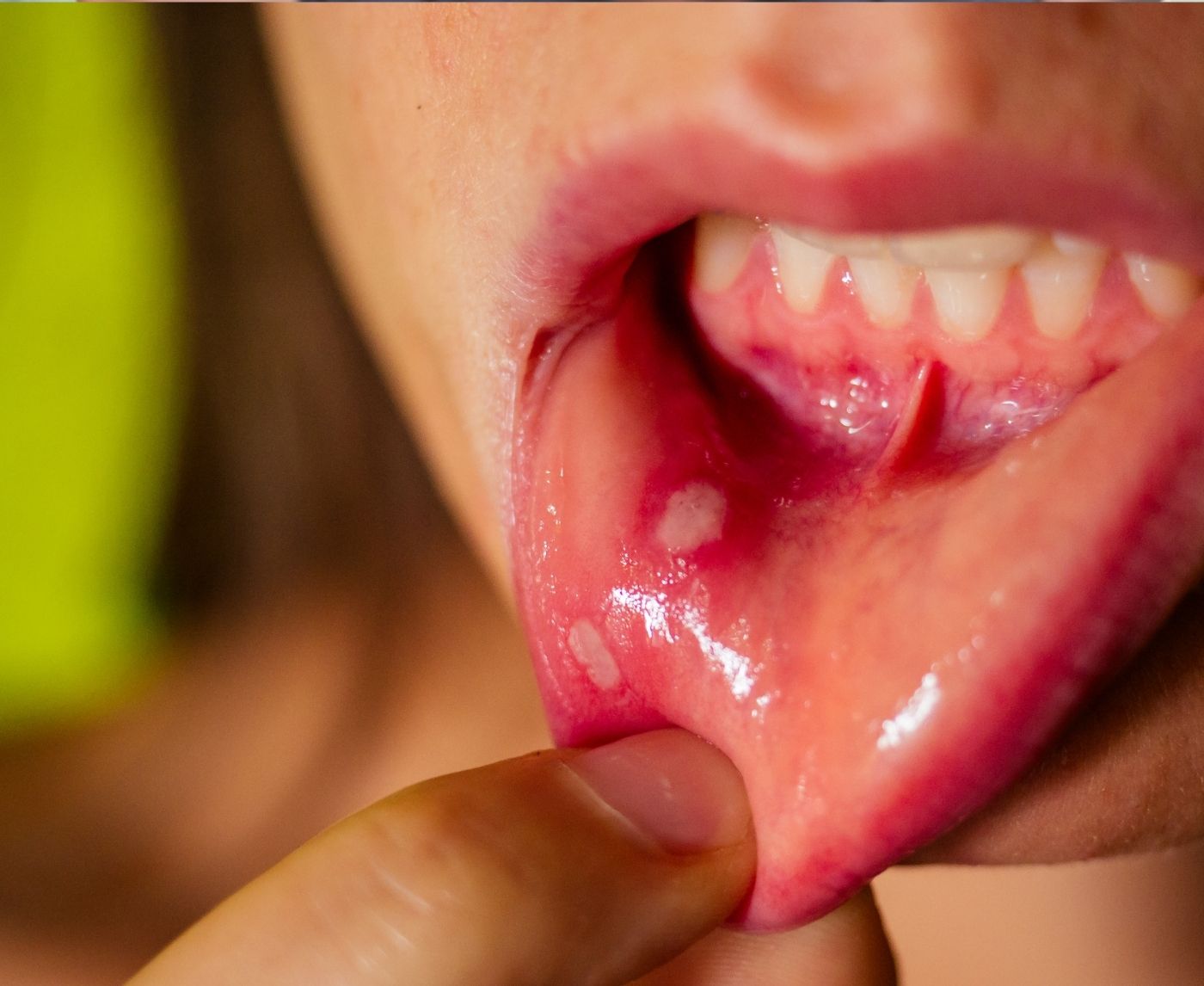
Quick Answer: Herpes doesn’t always cause open sores. It can appear as a red, itchy rash or small bumps that resemble shaving irritation, eczema, or heat rash, especially during early or mild outbreaks.
When Herpes Doesn’t “Look Like” Herpes
The biggest lie people believe about herpes? That it’s always obvious. In reality, early-stage herpes or mild outbreaks can produce symptoms that are barely noticeable, or completely mistaken for something else. This is especially true for people with vaginas, whose symptoms can hide inside the labia or vaginal walls.
In one clinical review from the NIH, nearly 70% of genital herpes infections were either asymptomatic or had non-classic symptoms. That includes red patches, subtle itching, tingling without rash, or skin that simply feels “off.” No open sores. No crusty lesions. Just something... different.
Even healthcare providers miss it. A 2004 study published in “Sexually Transmitted Diseases” found that herpes was misdiagnosed as yeast infections, dermatitis, and ingrown hairs in up to 50% of initial cases.
What This “Rash Version” of Herpes Can Look Like
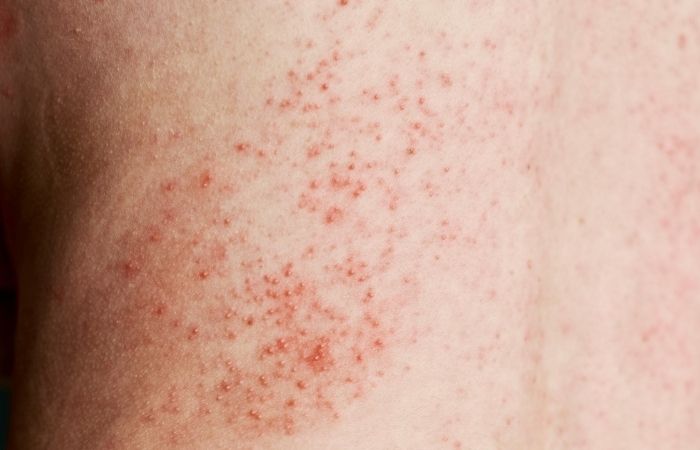
When herpes presents as a rash, it tends to follow some specific patterns, but they’re not always easy to spot. The rash might appear as:
| Visual Clue | How Herpes Can Mimic It | What to Watch For |
|---|---|---|
| Red patch of irritated skin | May be herpes before blisters form | Persists for days, feels itchy or raw |
| Small itchy bumps | Can resemble razor burn or heat rash | Often clustered or tingling before showing |
| Peeling or dry skin | Mistaken for eczema or allergic reaction | May recur in the same area |
| Clear skin but odd tingling | Prodrome phase, virus active under skin | Localized “buzzing” sensation or nerve pain |
Table 1. Herpes rash mimicry: How HSV can appear without classic sores.
This rash can show up anywhere herpes enters the body, genitals, anus, mouth, inner thighs, or buttocks. And unlike contact dermatitis or shaving irritation, it may come with flu-like symptoms: fatigue, swollen glands, body aches, or a low-grade fever, especially during the first outbreak.
“I Thought It Was Just Chafing”
Jordan, 28, had recently hooked up with a new partner. A few days later, he noticed a red patch near his groin crease. It didn’t itch much, just felt a little warm and irritated. He assumed it was from sweaty boxers or friction from running. But a week later, the spot hadn’t healed. He took an at-home STD Test, thinking it would rule things out. It came back positive for HSV-2.
“I was floored. I thought herpes meant blisters. Pain. Something dramatic. Not this.”
Jordan's story is more common than you think. Herpes can be quiet. It can whisper. And it can fool even the most attentive person into thinking it’s just irritation or stress.
Why It Gets Misdiagnosed So Often
Herpes isn’t just sneaky, it’s a shape-shifter. Its ability to resemble other skin conditions contributes to significant underdiagnosis, especially among people who’ve never had an outbreak before. Some of the most common things herpes is mistaken for:
| Misdiagnosis | How It’s Similar | Key Differences |
|---|---|---|
| Razor burn | Small red bumps, itchy, often after shaving | Herpes often tingles first and returns in the same spot |
| Yeast infection | Redness, itch, discomfort in the genital area | Herpes may cause nerve pain or flu-like symptoms |
| Heat rash | Clusters of small red dots, especially in hot areas | Herpes usually follows a prodrome and may blister |
| Contact dermatitis | Skin reacts to soaps, lubes, clothing | Doesn’t typically recur in the same pattern |
Table 2. Conditions often confused with herpes and how to tell the difference.
If you’re experiencing symptoms that don’t feel like your “usual,” especially after new sexual contact, don’t write it off. The only way to know for sure is testing, and the earlier you do it, the clearer the answers.
Herpes With No Sores? Here’s What Might Be Happening
Yes, it’s absolutely possible to have herpes and never see a blister. For many people, the virus shows up as internal symptoms, vague skin changes, or no signs at all. The immune system may partially suppress the outbreak, or the initial infection may be so mild that it never develops into full lesions. This is particularly true for those who’ve already been exposed to HSV-1 orally and later acquire HSV-2 genitally.
Some people experience what's called a “prodrome”, a warning phase that includes subtle symptoms like tingling, burning, nerve sensitivity, or an itchy sensation in one spot. No sore ever develops, but the virus is active, which means transmission is still possible.
In fact, CDC data shows that most people with genital herpes don't know they have it, because their symptoms are mild, infrequent, or misattributed. This is why herpes spreads so effectively, even when there are no obvious sores.
How Long Can It Look Like “Just a Rash”?
The herpes rash phase (when it doesn’t progress to open sores) can last anywhere from 2 to 10 days. Some people mistake it for shaving irritation that just “takes longer to go away.” Others think it’s a recurring fungal issue or allergic reaction. But unlike those conditions, herpes tends to:
- Show up in the same location each time
- Evolve over days (tingling → redness → bumps or scabs)
- Include body-wide symptoms like headache, malaise, or groin tenderness
The most important sign isn’t what it looks like, it’s what it does. A rash that recurs, persists, or follows a “weird feeling” in the skin beforehand deserves more scrutiny. Especially if it coincides with a new sexual partner or unprotected contact.
What If the Rash Is Internal or Invisible?
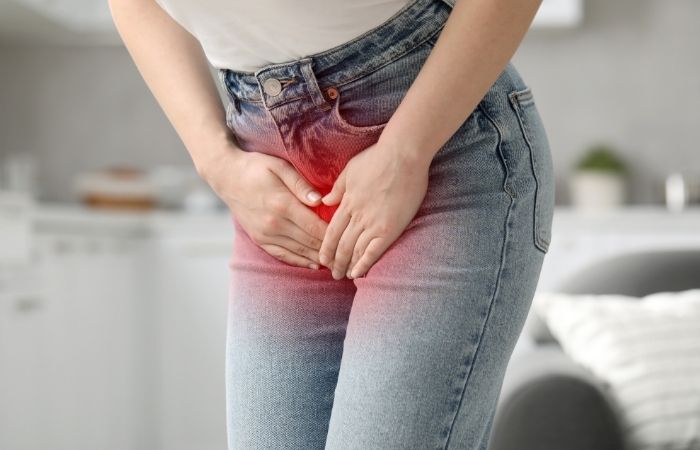
For people with vaginas, herpes symptoms may occur internally, on the cervix or vaginal walls, where they’re completely hidden. You might feel sore, itchy, or sensitive during sex or urination, but see nothing on the skin. This is why many people delay testing, believing it's a UTI, yeast infection, or hormonal irritation.
In a 2020 review on atypical herpes presentations, internal-only symptoms were one of the top reasons patients missed early diagnosis. Many only learned they had HSV-2 after getting a blood test during pregnancy or when a partner tested positive.
Some symptoms that point to an internal herpes outbreak include:
- Burning or sharp pain inside the vagina or anus
- Swollen lymph nodes in the groin
- Discomfort during penetration
- “Raw” or abraded sensations without visible cause
These can occur even when the external skin looks completely normal.
Rash vs Sore: Why Language Matters
When people search online for “STD sore” or “STD rash,” they’re often using those words interchangeably, because real symptoms don’t always match the textbook language. Herpes sores may start as a rash. A rash may be the only visible sign. And a single tiny bump may go unnoticed unless someone is actively looking for it.
This is where the stigma around herpes becomes dangerous. People delay testing because they don’t “look sick.” They convince themselves it’s just stress or friction or a bad razor. And in that delay, they may pass the virus on to someone else, without even knowing.
That’s why testing matters, even if the symptoms seem mild or confusing. Because herpes isn’t about how bad it looks, it’s about how quietly it can spread.
Your Body Is Not “Dirty.” It's Asking for Clarity
If you’re reading this and wondering if that weird patch, that tingling spot, or that itchy area could be something more, it doesn’t make you dirty. It makes you aware. Your body is giving you signals, and your job is simply to listen without shame.
This at-home combo test kit includes a check for herpes (among other common STDs) and arrives discreetly to your door. It’s doctor-trusted, lab-backed, and made for people who want clarity without judgment.
Don’t wait for symptoms to get worse. Sometimes, the quiet signs are the ones that matter most.
When Testing Makes the Difference
Let’s get one thing straight: if you’re unsure whether that itchy patch is herpes, testing is the only way to get real answers. You can’t self-diagnose herpes by Googling photos or poking at your skin in the mirror. The virus plays tricks, and it does it well.
At-home testing is now more accessible and discreet than ever. Options like the Herpes 1 & 2 Test Kit allow you to screen yourself from home in minutes. These tests are designed to detect antibodies (your body’s response to the virus) or viral presence depending on the format.
If your test is negative but symptoms persist, a follow-up test may be needed, especially if you tested too early or during the prodrome phase. Many people test negative during their first few days of symptoms due to low viral load.
How to Time Your Test for Accuracy
One of the most overlooked factors in herpes testing is timing. The virus has a window period, meaning the body needs time to show signs that a test can detect. Testing too early, especially within the first 4 to 7 days after possible exposure, can lead to a false sense of security.
Here’s a general guide:
| Timing After Exposure | Testing Type | Recommended Action |
|---|---|---|
| 0–5 days | Too early for most tests | Monitor symptoms, avoid assumptions |
| 5–14 days | Some PCR or antigen tests may detect | Consider early testing but prepare to retest |
| 14+ days | Antibody tests more likely to be accurate | Ideal time for most standard at-home kits |
| 6+ weeks | High antibody accuracy if no symptoms | Consider if unsure when exposure happened |
Table 3. Testing windows for herpes based on exposure and test type.
If you’re testing during or right after a rash-like episode, try to take note of how it developed. Did it follow tingling or nerve pain? Is it recurring? Was there flu-like discomfort involved? These details matter, and they can help your provider or test vendor interpret results more accurately.
False Negatives Happen, Here’s What to Do
False negatives are more common than most people realize, especially with herpes. You can have active symptoms and still test negative if your immune system hasn’t yet produced detectable antibodies. This happens often in the first few weeks of a new infection.
That doesn’t mean testing is pointless, it means you need to be strategic. If your initial test is negative but you still have unusual symptoms, the safest route is to:
- Wait 2–4 weeks and retest
- Avoid sexual contact until you have answers
- Monitor your symptoms and document any changes
Some people also opt for a swab test at a clinic, especially if they have visible symptoms. Swabs can directly detect the virus but are only effective when lesions are present.
If everything’s still unclear, a combo approach, antibody testing now, followed by a second test later, can give you peace of mind without delay.
Let Go of the Shame. This Is Just Information
The hardest part of herpes isn’t always the diagnosis, it’s the not knowing. Living in the limbo of “maybe it’s just a rash” or “maybe it’s something worse” can be paralyzing. But knowledge is a kind of medicine too. And testing? That’s your first dose.
Remember, herpes is common. According to the World Health Organization, over 3.7 billion people under 50 have HSV-1, and hundreds of millions have HSV-2. You’re not an outlier. You’re not broken. You’re part of the human story of sex, connection, and learning.
FAQs
- 1. Can herpes really just look like a rash?
- Yep. No open sores, no crusty blisters, just a red patch that might itch or feel irritated. Think: razor burn, but stubborn. Herpes doesn't always show up with a bang. Sometimes it sneaks in like a fake-out skin issue that sticks around longer than it should.
- 2. I shaved yesterday, how do I know it’s not just razor burn?
- Razor burn usually chills out in a day or two. Herpes? It lingers. You might also feel tingling, burning, or a weird electric sensation under the skin before anything appears. If that "razor burn" keeps coming back in the same exact spot... that's a red flag, not a dull razor.
- 3. Is it normal to have herpes but no visible symptoms at all?
- 100% yes. Most people with herpes don’t get dramatic outbreaks. Some never know they have it until a partner gets diagnosed or they test for something else. It’s not rare, it’s just sneaky.
- 4. Can I pass herpes to someone even if I don’t have sores?
- Unfortunately, yes. It’s called asymptomatic shedding. The virus can still hang out on your skin’s surface even if you feel totally fine. That’s why protection and testing matter, even when nothing looks “wrong.”
- 5. Is there an at-home herpes test that actually works?
- There is. You can test for both HSV-1 and HSV-2 at home with a rapid test or a mail-in kit. This one is fast, discreet, and doesn’t involve awkward clinic conversations. Just make sure you wait long enough after exposure, timing is everything.
- 6. What does a herpes prodrome feel like?
- Kind of like your skin is whispering to you. A little burny, a little tingly, maybe sensitive to the touch. Some folks say it feels like static under their skin. That’s the virus gearing up, even if nothing shows up on the surface.
- 7. Can herpes live inside the body where I can’t see it?
- Yep. If you have a vagina, it might show up on the cervix or deep inside where mirrors don’t reach. You might notice burning with sex, weird discharge, or internal soreness that doesn’t match a yeast infection vibe. No shame in checking it out, your body knows when something’s off.
- 8. How long should I wait to test after exposure?
- Best bet? Wait at least 14 days to catch enough antibodies, especially if you’re using a blood-based test. Some people wait 4–6 weeks for even more accuracy. But if you're feeling symptoms now, test now, and prepare to retest if needed. There’s no shame in a second check.
- 9. Why does this keep happening in the same spot?
- That’s herpes’s signature move. The virus chills out in your nerve endings and tends to reappear in the same location during recurrences. If you keep getting the same weird skin thing in the same place… that’s a clue worth listening to.
- 10. I tested positive. What now?
- First: breathe. Seriously. Herpes is common, manageable, and doesn’t define your worth, or your sex life. You’ve got options for meds, support, and keeping partners safe. You are not the only one navigating this. And you’re gonna be okay.
You Deserve Answers, Not Assumptions
If something feels off, if you’ve got a red patch that won’t go away, or symptoms that don’t fit the pictures online, don’t brush it off. Don’t wait until it gets worse. Get answers now, from home, with privacy and power in your hands.
Order a test, take a breath, and give yourself the peace of mind you’ve been craving. This at-home combo test kit checks for herpes and other common STDs, no clinic wait, no judgment, just clarity.
How We Sourced This Article: We combined current guidance from leading medical organizations with peer-reviewed research and lived-experience reporting to make this guide practical, compassionate, and accurate. In total, around fifteen references informed the writing; below, we’ve highlighted six of the most relevant and reader-friendly sources.