STD Symptoms Got Worse After Testing Negative, What Now?
Quick Answer: STD symptoms can worsen after a negative result if you tested too early, used the wrong test type, or were infected by something not included in the test. It might just mean “not detectable yet.”

Quick Answer: STD symptoms can worsen after a negative result if you tested too early, used the wrong test type, or were infected by something not included in the test. Retesting is often necessary after symptoms progress.
This Isn’t in Your Head: Why Post-Test Symptoms Happen
Let’s be real: one of the most isolating feelings in the world is knowing something's wrong with your body, and having a test tell you it’s not. Whether it's a burning urethra, blisters, a raw throat, swollen glands, or discharge that doesn’t quit, these symptoms are real. And they’re terrifying when a test told you everything was “fine.”
Here’s the deal: a negative result doesn’t always mean “no infection.” It might just mean “not detectable yet.” Think of it like baking bread, you can’t slice it before it’s risen. Similarly, most STD tests rely on either the presence of genetic material (NAAT tests for chlamydia, gonorrhea, trichomoniasis) or the presence of antibodies (for syphilis, HIV, herpes). If you test during the “window period”, before your body hits detectable levels, you could get a false negative even while symptoms are flaring up.
It’s not your imagination. It’s biology. And unfortunately, the “you’re fine” paper doesn’t stop an outbreak from arriving the next day.
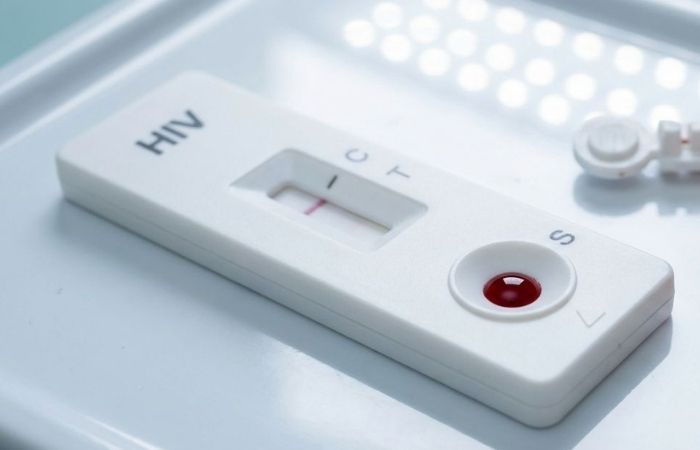
“Negative for Everything. Then the Rash Got Worse.”
Ty, 28, went to an urgent care after a weekend hookup left him with urethral irritation and some faint pink spots on his groin. He peed in a cup, did the swabs, and got told, “All negative.” But by Day 4, the spots became blisters. Painful to the touch. A new provider did a lesion swab and ran a herpes PCR.
“The first test didn’t include herpes at all,” Ty said. “I assumed they tested for everything. Turns out you have to ask.”
His second test? Positive for HSV-2. Classic herpes outbreak. First-time flare. He’d tested too early and hadn’t been given the right panel. Not his fault. But the fallout hurt anyway.
Testing Too Soon: The Invisible Window
If you tested shortly after a high-risk encounter, your symptoms might be ahead of your test results. That’s because of the window period, the time between exposure and when a test can detect the infection.
Here’s what that looks like in reality:
| STD | Test Type | Detectable From | Best Time to Test |
|---|---|---|---|
| Chlamydia | NAAT (urine or swab) | 5–7 days post-exposure | 14 days+ |
| Gonorrhea | NAAT (urine or swab) | 5–7 days | 14 days+ |
| Herpes (HSV-1/2) | Swab (PCR) or IgG antibody | 2–12 days (swab), 4–12 weeks (IgG) | Swab during outbreak or 12+ weeks for blood |
| Syphilis | Blood test (RPR + TPPA) | 3–6 weeks | 6–12 weeks |
| HIV | Ag/Ab combo or RNA | 2–4 weeks | 4–12 weeks |
Note: Retesting is often needed if your symptoms worsen but your first test was taken during the early part of the window period.
False Negatives Are Real, Especially for Herpes
Of all the STDs, herpes is the most notorious for eluding diagnosis. Here’s why:
Herpes IgG blood tests, often what people get when “tested for everything”, can miss early infections because they rely on your body developing antibodies. That can take weeks to months. Meanwhile, the virus can cause full-blown outbreaks. Lesion swabs (PCRs) are much better during active flares, but even those can miss if the swab is done after the sore starts healing.
If your test was a blood panel, it may have returned a negative because your body hasn’t made detectable antibodies yet. That doesn’t mean you’re not infected, it means you need to retest in a few weeks or use a different test type now.
If you're in this exact situation, now may be the right time to switch to a rapid herpes test designed for at-home use with active symptoms. It's fast, private, and you can test during a current outbreak.
So... Should You Retest?
If your symptoms are getting worse and your initial STD test was negative, there’s a very good chance you either:
- Tested too early during the window period
- Weren’t tested for the right infections
- Used a method (like blood for herpes) that doesn’t detect active infections
Here’s how to think through your next steps without spiraling:
If it’s been less than 7 days since exposure: Your symptoms could be early, but many STDs won’t be detectable yet. If the exposure was high-risk (unprotected sex, anonymous partner, known infection), you will need to retest around Day 14. If symptoms are intense, consider swab or lesion-based testing now, especially for gonorrhea, herpes, or syphilis.
If it’s been 7–13 days: NAAT testing (urine or swab) for chlamydia and gonorrhea may pick up infections. But antibody-based tests like herpes IgG or HIV Ag/Ab might still miss them. If your symptoms are evolving (new sores, fever, swollen lymph nodes), it’s time to test again with a different method, like a herpes swab.
If it’s been 14+ days: You’re in the “sweet spot” for most tests to catch infections, if the right ones are used. This is the perfect window for a retest using a combo STD test kit that checks multiple infections at once, or for re-approaching a provider with your updated symptom history.
“They Said It Was Razor Burn. It Was Herpes.”
Alexis, 24, had just come back from a music festival when she noticed red bumps along her bikini line. She figured it was razor burn from a rushed shave job. She tested at a local clinic, negative across the board. Three days later, the bumps blistered and began oozing.
“The second clinic looked at it and said, ‘This looks viral,’” Alexis said. “They did a swab right there. I tested positive for HSV-1.”
The takeaway? Herpes doesn’t always look like a textbook image. And those “we tested you for everything” results often don’t include HSV unless you ask for it, or unless a provider swabs a visible sore. Blood tests don’t catch new infections in time. But swabs can.
The Right Test at the Right Time: Why It Matters
Let’s break down which tests can detect what, especially when symptoms are happening in real time:
| Test Type | Best For | When to Use | Limitations |
|---|---|---|---|
| NAAT (urine/swab) | Chlamydia, Gonorrhea, Trichomoniasis | 5–14 days post-exposure or when symptoms appear | Doesn’t detect herpes or syphilis |
| Lesion Swab (PCR) | Herpes, Syphilitic chancre, HPV | During visible outbreak or sore | Misses healing sores; requires lesion |
| Blood Test (IgG, RPR) | Herpes (late), Syphilis, HIV | 4–12+ weeks post-exposure | Too early = false negative |
| At-Home Rapid Test | Herpes, HIV, Syphilis | When privacy or urgency matters | Varies in sensitivity; may need follow-up |
Reminder: If you tested negative but weren’t swabbed during an active sore, you may have missed your diagnostic window. Blood tests alone aren’t enough during outbreaks.
Testing at Home During a Symptomatic Outbreak
Yes, you can absolutely test during a visible outbreak, and sometimes that’s the best time. At-home tests that use swabs or fingerstick blood can capture certain infections while symptoms are active. But not all kits are created equal.
This combo test kit is a solid place to start if you’re dealing with unexplained burning, sores, discharge, or recurring infections. It screens for multiple infections at once, fast, discreet, and lab-verified. Just remember: if it’s early in the infection timeline, you may still need a follow-up in 2–4 weeks.
Peace of mind isn’t just about the result, it’s about knowing the timing is right, and the test fits your symptoms.
Your Symptoms Got Louder for a Reason
If you’re still hurting, or if things have escalated, your body is trying to get your attention. A negative result doesn’t mean the conversation is over. It means the investigation is just beginning. STDs don’t always play by the rules. They don’t wait for perfect windows. And your care shouldn’t either.
Whether it’s retesting, trying a different test type, or finding a clinic that takes your concerns seriously, you deserve answers that match what your body is telling you.
When Should You Retest (And How Long Should You Wait)?
If your STD symptoms are getting worse but your last test came back negative, retesting isn’t just optional, it’s essential. But the right timing depends on what kind of test you took, what symptoms you're having, and how long it's been since your possible exposure.
Here’s a general retesting timeline:
| STD | First Test Timing | When to Retest | Reason to Retest |
|---|---|---|---|
| Chlamydia | 7 days post-exposure | 14–21 days post-exposure | Early tests may miss low bacterial load |
| Gonorrhea | 7 days | 14–21 days | False negatives if swab wasn’t site-specific |
| Herpes | Swab during sores | 12+ weeks for IgG (if swab was negative) | Delayed antibody response in blood tests |
| Syphilis | 3–6 weeks | 6–12 weeks | Antibody levels take time to show |
| HIV | 2–4 weeks (RNA), 4–6 weeks (Ag/Ab) | 12 weeks for full confirmation | Window period varies by test type |
If your test was negative but your body keeps raising alarms, retest at the later end of these windows or switch to a different type of test. Especially for herpes, the right swab at the right time can be the difference between years of misdiagnosis and a moment of clarity.
Post-Treatment Symptoms: Can They Come Back?
What if you already got help? You might have taken antibiotics for chlamydia or gonorrhea, or you might have gotten a shot for syphilis. But the symptoms are back, or they never really went away.
There are a few things that could happen:
- You were wrong about your diagnosis. Not every case of burning, discharge, or irritation is an STD. It could be a bacterial imbalance that isn't an STD, like BV or ureaplasma, or it could be a fungal infection, an allergic reaction, or dermatitis.
- The treatment didn't completely get rid of it. Symptoms can come back, especially if you have a resistant strain of gonorrhea or if you have sex with someone who hasn't been treated.
- You have a co-infection, which means that you may have treated one STD but still have another one that wasn't found in your first test. This is why it's often better to get tested again with a larger panel, like a combo STD kit, than to take the same test again.
What About Privacy? (Especially If You’re Retesting)
Let’s say you’ve already told a partner your test was negative. You might feel too embarrassed to say, “Hey, so actually… I need to retest.” You’re not alone. This is one of the most common pain points people experience after their first round of testing. But here’s what matters:
STD tests are not permanent verdicts. They’re snapshots in time. And if you took yours early, or with the wrong test type, retaking it isn’t overreacting. It’s being responsible.
At-home testing makes this easier. You don’t need to revisit the same clinic or explain yourself twice. You can test from home, quietly and confidently, and only loop in your partner if results change.
For maximum privacy, all our kits ship in plain packaging, use discreet billing, and give you results you control. Explore test options here if you're ready to test again on your terms.
FAQs
- 1. I got tested and it came back negative, so why is it burning when I pee now?
- You’re not crazy, and this isn’t in your head. That burning could mean a few things: you tested too early (before the infection was detectable), the wrong sample type was used, or the test missed something like trichomoniasis or herpes. A negative result doesn’t mean “you imagined it”, it might just mean “not caught yet.”
- 2. Can symptoms get worse even if the STD test was negative?
- Yes, and that’s the mind-screw of it all. Your body doesn’t wait for a test to catch up. Infections like herpes can flare even before they’re detectable on a blood test. Others like gonorrhea can hide in places your test didn’t look (throat, rectum). So if your symptoms escalated? That’s a sign to test again, not to gaslight yourself.
- 3. My herpes test was negative. Why do I have blisters now?
- Because timing is everything. Herpes blood tests (IgG) miss early infections all the time. If you’ve got active sores, a swab is your best bet. Bonus info? Many clinics don’t automatically test for herpes unless you specifically ask. So unless someone actually swabbed the sore, that “negative” doesn’t tell the whole story.
- 4. Do I really need to retest if I already did one?
- If your symptoms are getting worse, yes. Retesting isn’t admitting failure, it’s choosing clarity. One test is a snapshot. Two (at the right times) give you a full picture. Think of it like checking a pregnancy test again when your period still hasn’t come, you’d want to be sure, right?
- 5. Could my test have missed something because it was too soon?
- Absolutely. Most STDs have what’s called a window period, a delay between infection and detectability. So if you tested right after the hookup, it might’ve just been too early. That’s not your fault. It’s biology being annoying.
- 6. Are at-home tests even accurate if I’m mid-outbreak?
- Some are. If you’re using a test that’s designed for outbreak detection, like a herpes swab or syphilis fingerstick, they can be super helpful. Just don’t use a urine-only test for a mouth sore or external lesion. Match the tool to the symptom. You wouldn’t use a thermometer to measure blood pressure, right?
- 7. Can stress or anxiety cause STD-like symptoms?
- Oh yeah. Anxiety is a twisted artist. It can mimic tingling, burning, and even genital itching. But here’s the kicker: just because anxiety can fake it doesn’t mean you should dismiss what you’re feeling. If there’s any doubt, test. Worst case? Peace of mind. Best case? Early treatment.
- 8. Is it possible I had something the test didn’t include?
- Yup. Not all panels test for everything. Herpes is the big one, often left out unless requested. Trich, HPV, and even oral or anal STDs can also slip through if the sample didn’t come from the right spot. That’s why combo kits and full panels are so helpful when you don’t know what’s going on.
- 9. How do I tell my partner I need to test again?
- Start with honesty: “Hey, I tested, but something still feels off, I think I tested too early or missed something. I’m gonna retest just to be safe.” That’s not drama. That’s care. If they react poorly, that says more about them than you. Good partners want the full truth, not just the first result.
- 10. Can symptoms stick around after treatment?
- They can, depending on what you were treated for and how your body heals. Antibiotics can cause irritation. Inflammation can linger. And if a partner wasn’t treated too? You could’ve been re-exposed without realizing it. When in doubt, don’t assume, retest. It’s cheaper than wondering for weeks.
You Deserve to Feel Okay Again
It's not just about swabs and deadlines. It's for your own peace of mind. If your symptoms get worse after a negative test, you might feel like your body is lying to you or that the system that promised answers has let you down. But your gut feeling is important. Don't ignore it if something doesn't feel right. Don't let one test tell the whole story about your health.
Testing again isn't going back; it's going forward with more information. You are not starting over; you are getting closer to understanding. This could mean changing the type of test, testing for less common STDs, or just waiting until the window closes.
This at-home combo test kit checks for the most common STDs quickly and discreetly, so you can take the next step. Because you should know, not guess.
How We Sourced This Article: We combined current guidance from leading medical organizations with peer-reviewed research and lived-experience reporting to make this guide practical, compassionate, and accurate. In total, around fifteen references informed the writing; below, we’ve highlighted six of the most relevant and reader-friendly sources. Every external link in this article was checked to ensure it leads to a reputable destination and opens in a new tab, so you can verify claims without losing your place.