Does Herpes Cause Cancer? What the Research Really Shows
Quick Answer: It does not directly lead to cancer, although, on occasion, there is a slight risk of cancer due to HSV-2 when combined with other things, like HPV, when contracted for a longer period of time.
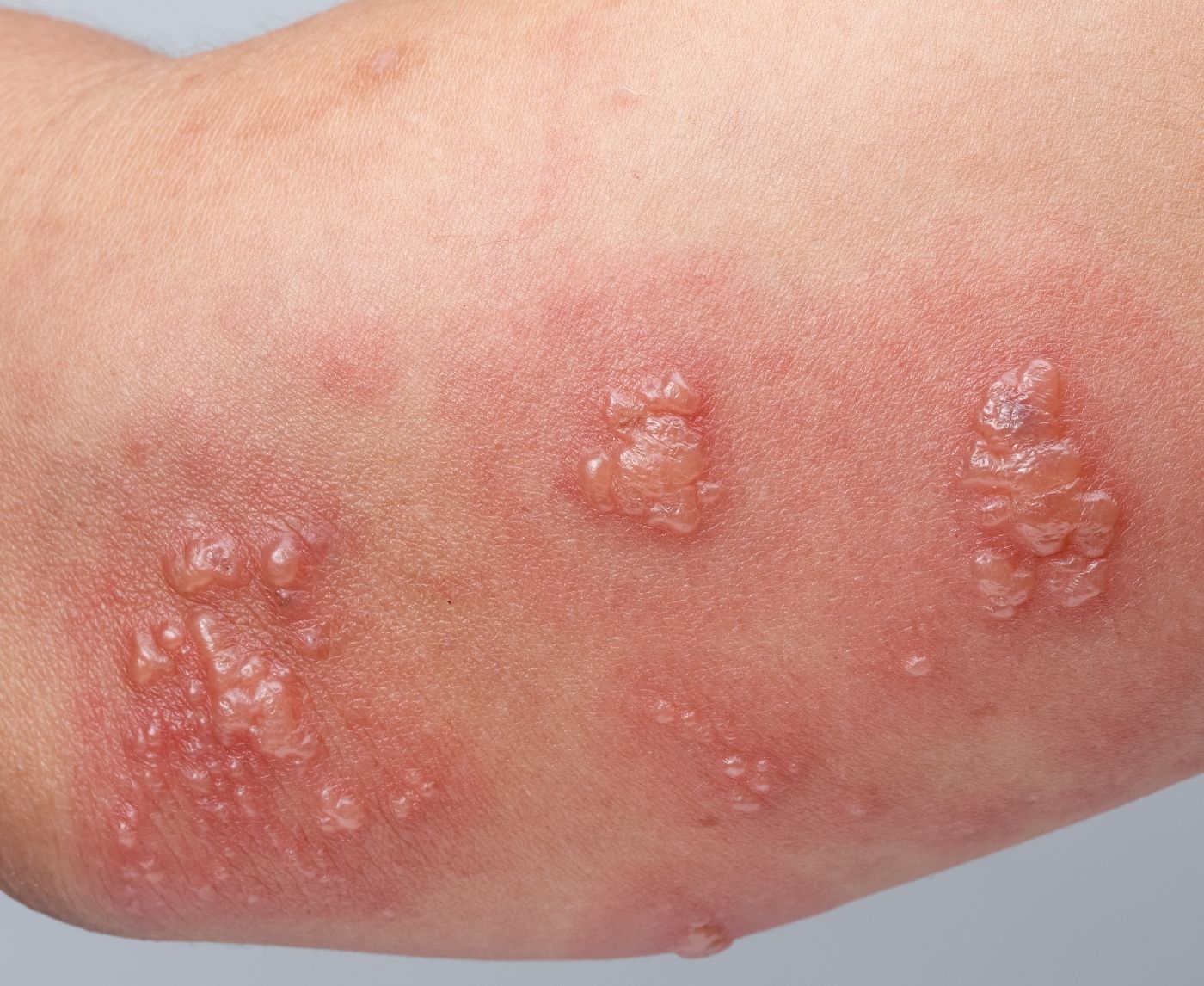
Quick Answer: It does not directly lead to cancer, although, on occasion, there is a slight risk of cancer due to HSV-2 when combined with other things, like HPV, when contracted for a longer period of time. Outbreaks will not increase your risk of cancer.
Why This Fear Feels So Real (And Why It Matters)
Let’s be honest: herpes comes loaded with shame, confusion, and myths. The moment you’re diagnosed, especially with genital herpes, it’s easy to spiral into worst-case scenarios. For many, that fear centers on cancer. And for good reason: the internet is full of mixed messages, and herpes is often wrongly lumped in with HPV, which is directly linked to certain cancers.
But here’s the thing: fear shouldn’t replace facts. The reason we’re writing this isn’t just to debunk a myth. It’s to give you back some emotional ground. Because if you’ve been diagnosed with herpes, especially if it’s chronic, understanding your real health risks (and what you can do about them) is key to reclaiming control.
We’re also writing for people who’ve been living with herpes for years and wondering, “What if something’s happening inside me and I don’t know it?” You deserve a clear, compassionate, science-backed answer. That’s what this guide is for.
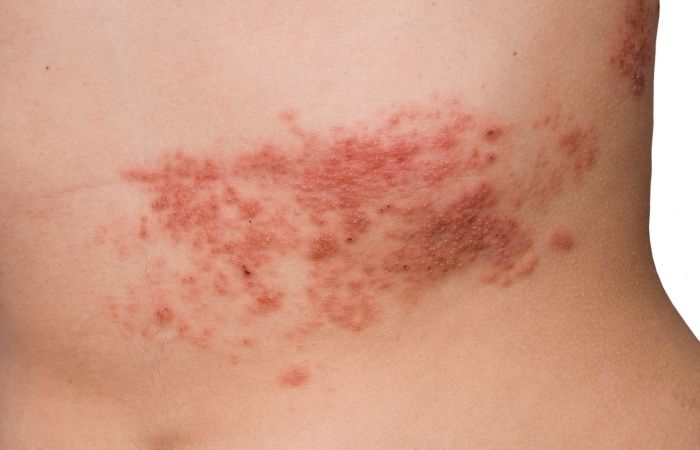
Let’s Clear This Up: Herpes vs HPV
This confusion comes up constantly: “Is herpes the STD that causes cancer?” The short answer? No. That’s HPV, not HSV. Let’s break it down.
Herpes simplex virus (HSV) comes in two main types: HSV-1 (typically oral) and HSV-2 (typically genital). It causes recurring blisters or sores, is spread through skin contact, and lies dormant between outbreaks. It does not integrate into your DNA, and it’s not known to trigger tumor growth on its own.
The human papillomavirus (HPV) is a completely different type of virus. It is linked to a number of cancers, including cervical, anal, throat, vulvar, penile, and more. Some strains of HPV that are very dangerous can change cells over time, which can lead to cancer. HPV often doesn't show any symptoms and can go undetected for years.
Why is there so much confusion? Both are STDs, both can be spread through skin contact, and both can affect the genitals. But their risk levels are very different. Herpes hurts, is annoying, but isn't cancerous. HPV is often silent, but some strains can cause cancer.
What the Studies Say About HSV-2 and Cancer Risk
This is where it gets more complicated. Herpes doesn't directly cause cancer, but some early studies have looked into whether HSV-2 might make people more likely to get it, especially if they already have another factor, like HPV coinfection.
A meta-analysis that came out in the British Journal of Cancer found a small link between HSV-2 and the risk of cervical cancer. But the most important thing the study said was that HSV-2 was not the only cause. Instead, it might make it easier for HPV to get into the DNA of the host cell, which is what causes cancer.
Other studies have noted the shortcomings of previous research, such as inadequate sample sizes, absence of HPV status control, and geographical bias. More recent studies generally concur: herpes may establish a chronic inflammatory milieu, yet in the absence of HPV, there exists no mechanism for cancer advancement.
What does that mean? There is no proof that HSV-2 causes cancer on its own, but it does if you also have high-risk HPV. Having repeated outbreaks doesn't mean you're going to get cancer.
Comparing Cancer Risk Between Herpes and HPV
| Virus | Main Symptoms | Cancer Risk | |
|---|---|---|---|
| HSV-1 (Oral Herpes) | Sores around lips or mouth | No direct cancer link | Can occur with HPV or mono |
| HSV-2 (Genital Herpes) | Genital sores, recurrent outbreaks | Possible indirect link with cervical cancer only if HPV also present | HPV, HIV |
| HPV (High-Risk Strains) | Often asymptomatic; sometimes warts | Directly causes cervical, anal, throat, and penile cancers | HSV-2, HIV |
Figure 1. Herpes vs HPV cancer risk comparison. This table shows the clear difference in cancer association between these viruses. Only HPV has a confirmed cancer pathway.
What About Oral Herpes and Throat Cancer?
Another big fear we hear: “Can I get throat cancer from oral herpes?” The short answer is: no, HSV-1 is not a known cause of throat cancer.
Throat cancer, particularly oropharyngeal cancer, is primarily linked to high-risk HPV strains, especially HPV-16. The connection between oral sex and throat cancer is well-established in HPV research, not herpes research. While both HSV-1 and HPV can infect the mouth, they behave very differently once inside the body.
Oral herpes may cause painful sores, but it doesn’t hijack your cells the way HPV does. It doesn’t produce the precancerous cell changes seen with HPV-16. There is no confirmed mechanism where HSV-1 leads to tumor growth or cellular transformation in the throat.
If you’re dealing with oral outbreaks and have a sore throat that doesn’t go away, it’s always worth checking with a doctor. But for most people, especially younger adults without other risk factors (like smoking or HPV), throat cancer risk from herpes is not a concern.
Why Recurrent Herpes Doesn’t Mean “Worse Outcomes”
It’s easy to panic when you’re having monthly or frequent outbreaks. It feels like your body is attacking itself. But recurring herpes outbreaks, while annoying and emotionally taxing, do not mean the virus is mutating or becoming more dangerous.
The reality is, herpes is a lifelong infection that can go through phases of activity and dormancy. Stress, illness, and even your menstrual cycle can trigger reactivations. Your immune system keeps the virus in check between episodes, but it doesn't fully eliminate it. That’s just the nature of herpes, not a sign of cancer developing in the background.
Recurrent outbreaks can lead to other complications, like skin fissures, increased HIV susceptibility during outbreaks, or rare cases of nerve pain. But these are not cancerous outcomes. Chronic inflammation may be a theoretical risk factor for cancer in some studies, but no direct causal link has been established for herpes specifically.
In short: recurrent herpes doesn’t mean you’re slowly developing cancer. It means your immune system is having a conversation with a latent virus. And that conversation can get louder or quieter over time, but it’s not turning cancerous.
“I Thought My Chronic Herpes Meant I Was Dying”
Samira, 34, had been living with HSV-2 for eight years when the outbreaks began increasing. She was having one almost every six weeks. “I was convinced it was turning into something else,” she said. “I Googled cancer so many times. I’d read about HPV and cervical cancer, and I thought maybe they got it wrong, I thought maybe herpes was cancer in disguise.”
She eventually went to a gynecologist who ran a full panel. Her Pap smear came back normal. She was HPV-negative. Her herpes diagnosis hadn’t changed, but her stress levels had skyrocketed, which her doctor noted could be a major trigger. Samira started suppressive antiviral therapy, and her outbreaks dropped to just one in six months. “I finally exhaled,” she said. “Herpes sucks, but it wasn’t killing me.”
Stories like Samira’s are incredibly common. They show how easily emotional distress can distort our sense of what’s medically true. But with proper care and information, fear doesn’t have to run the show.
So Why Does This Myth Keep Circulating?
Three main reasons:
Herpes and HPV often occur together.
It’s not unusual for someone to be diagnosed with both. When that person later develops cervical or anal cancer, it can feel like herpes played a role, even though it’s the HPV that’s the actual cause.
Both viruses are “silent” and long-term.
Herpes lives in the body forever. So does HPV. That similarity makes it easy to conflate their risks, especially since both can reactivate unexpectedly.
Public sex ed has been historically vague and shame-driven.
Many people were taught “some STDs cause cancer” but were never given the details. Without clear information, it’s easy for herpes to get lumped into the cancer-causing category.
Bottom line: herpes is not harmless, but it is not cancerous. And it’s time the language around it started reflecting that reality. Precision matters. So does peace of mind.
How to Know If You’re At Actual Risk (And What to Do)
If you have herpes, your cancer risk remains the same as someone who doesn’t, unless you also test positive for high-risk HPV. That’s the real red flag. Here’s what you can do:
Get regular Pap smears and HPV tests if you have a cervix. These tests detect early cell changes long before cancer develops. They're your best defense, not just against fear, but against real disease progression.
Test for both herpes and HPV if you’ve never been screened. Coinfection matters. It’s worth knowing what viruses you’re carrying, especially if you're dealing with chronic outbreaks or have multiple partners.
This discreet combo test kit checks for the most common STDs and ships straight to your door, no clinic necessary. It’s confidential, reliable, and made for people who need clarity without the side-eye.
Remember: knowing what you’re working with isn’t a punishment. It’s a power move. The sooner you know, the sooner you stop spiraling.
Can Chronic Herpes Outbreaks Affect the Immune System?
This is a complicated question. Having chronic HSV-2 doesn't necessarily "weaken" the immune system, but it does mean that the immune system is always working. Every outbreak means that your body is responding to the virus coming back, and that response causes inflammation.
Studies show that frequent outbreaks may be due to immune problems in specific areas rather than a failure of the whole system. A study published in the Journal of Immunology indicates that the immune system frequently harbors HSV within nerve clusters but does not completely eradicate it. This long-term standoff can make you tired, make you forget things, and make your skin more sensitive, but it's not the same as having a weak immune system.
That said, there’s growing evidence that herpes can affect how your body handles other infections. For example, during an active herpes outbreak, your skin barrier is compromised, which may make HIV transmission more likely. This isn’t about cancer, but it is about risk. Taking suppressive antiviral therapy can reduce outbreak frequency and lower those transmission risks dramatically.
If you’re feeling wiped out or sickly during frequent outbreaks, talk to your doctor. It might not be “just stress.” It might be time to look at your immune health holistically, sleep, diet, mental health, other infections, all of it matters.
When to Consider Suppressive Therapy for Herpes
| Symptom Pattern | Recommended Action | Potential Benefit |
|---|---|---|
| More than 6 outbreaks/year | Consider daily suppressive antiviral medication | Reduces recurrence by 70–80% |
| Severe or prolonged outbreaks | Discuss with doctor about dosage adjustment | Shortens healing time and discomfort |
| Partner is HSV-negative | Use suppressive therapy + condoms | Reduces transmission risk significantly |
| Immune system is compromised | Specialist consultation advised | Prevents potential complications |
Figure 2. Situations where herpes suppressive therapy may be recommended. Antivirals like valacyclovir and acyclovir are effective at reducing outbreaks and lowering transmission risk.
Herpes and Cancer in Men: Prostate, Penile, or Anal Risk?
We often focus on cervical cancer when we talk about herpes and cancer risk, but men have questions too. Let’s be clear: there’s no confirmed link between herpes and prostate or penile cancer.
Some older studies explored whether HSV might have a role in prostate inflammation or chronic prostatitis, but no causative cancer link was ever found. The same goes for penile cancer, HPV is the culprit, not HSV. There is some investigation into whether chronic inflammation from any cause (including STDs) might increase long-term cancer risk, but herpes hasn’t been singled out as a driver in this.
Anal cancer is most commonly linked to HPV as well, especially in men who have sex with men, or in people living with HIV. If you’re HSV-positive but not HPV-positive, your cancer risk remains in the general population range. That said, if you’ve ever had anal warts or HPV, talk to your provider about screening options, including anal Pap smears in high-risk groups.
Bottom line for men: Herpes is not causing cancer in your genitals. If you're worried about cancer risk, HPV vaccination and regular check-ins with your provider are more relevant than your herpes status.
Does Herpes "Turn Into" Anything Worse Over Time?
No. Herpes doesn’t evolve into a more dangerous virus, nor does it become a different condition. It doesn’t become HPV. It doesn’t “turn into” cancer. What it does do is persist.
Think of herpes like a shadow that moves with you, it flares, it hides, but it doesn’t transform. It doesn’t mutate into something worse. That said, your emotional relationship with it can absolutely change. If you’re not managing stress, if you feel isolated, or if you’ve internalized shame, those mental health factors can amplify the impact of the infection on your life.
That’s why it’s worth addressing, not just medically, but emotionally. There’s no shame in therapy, support groups, or reaching out to talk to someone who gets it. Herpes is common. More people have it than you probably realize. You’re not alone, and you’re not doomed.
If you’ve never tested for other STDs or want to rule out HPV, you can order a combo test here and get results without a clinic visit.
FAQs
- 1. Can herpes actually cause cancer?
- Not by itself. Herpes isn’t the villain in that particular story. While some older studies hinted at a possible connection between HSV-2 and cervical cancer, what they really found was that herpes might slightly boost the risk if HPV is already in the picture. But herpes alone? Not a cancer starter.
- 2. I get outbreaks all the time, does that mean something more serious is happening?
- Nope. Frequent outbreaks don’t mean your herpes is “worsening” or mutating. It just means your immune system is juggling a lot, stress, hormones, sleep, maybe other infections. It’s frustrating, yes. Dangerous? Not in the cancer sense. Suppressive meds can help calm the cycle.
- 3. Wait, if HPV causes cancer, and I have herpes, should I be worried about having both?
- Having both is more common than people realize. And yes, it might increase your need for more regular screenings, like Pap smears or HPV testing. But don’t panic, HPV is way more silent and sneaky than herpes. The key is monitoring and catching cell changes early. That’s how you stay ahead of it.
- 4. Does oral herpes mean I could get throat cancer?
- Nope again. While HPV-16 is tied to certain throat cancers, HSV-1 (oral herpes) doesn’t behave that way. It causes blisters and ulcers, not cell mutations. If you have a chronic sore throat, definitely get it checked, but don’t jump straight to cancer fears if you’ve just had a cold sore.
- 5. I’m a guy, should I worry about prostate or penile cancer if I have herpes?
- Not because of herpes. There’s no clear link between herpes and prostate, penile, or anal cancer in men. If you’re concerned about those, focus on HPV vaccination and regular checkups. Herpes doesn’t rank on that cancer list.
- 6. What if I’m immunocompromised? Does herpes raise my cancer risk then?
- If your immune system is already struggling (think HIV, chemo, autoimmune treatments), then yes, herpes can be more active. But even then, the risk is about outbreak severity, not cancer. You might need more aggressive treatment to keep symptoms in check, but herpes doesn’t suddenly become a cancer risk just because your immune system is lowered.
- 7. Can herpes change into HPV over time?
- Nope. Different viruses, different DNA, different rules. Herpes can’t shapeshift into HPV. If someone told you otherwise, they’re wrong, or fearmongering. But yes, you can have both. That’s why getting tested for both is smart, especially if you’re sexually active with multiple partners.
- 8. My outbreaks are getting more painful, could that mean something worse?
- Pain doesn’t equal cancer. But more intense outbreaks can be a signal that something’s off, maybe stress, maybe your body’s dealing with another infection. It’s always worth talking to a provider, but don’t assume the worst. Most of the time, it’s your body asking for a break, not waving a red cancer flag.
- 9. Is it true that having herpes makes you more likely to get HIV?
- Yes, during an active outbreak, open sores can make it easier for HIV to enter the body. That’s why using condoms and suppressive antivirals is especially important if you or your partner are HIV-negative. Again, this is about smart prevention, not stigma.
- 10. How do I stop spiraling every time I Google symptoms?
- You stop by reading pages like this. Seriously. Education is your shield against shame. The more you understand what herpes is, and what it isn’t, the less power the fear spiral has. Testing, tracking your symptoms, and having real conversations with trusted providers can ground you when your mind starts to run wild.
You Deserve Answers, Not Assumptions
The internet is full of half-truths and horror stories. But here's the truth: herpes is not a cancer-causing virus. It may be chronic. It may be painful. But it is not cancerous. If you’ve been living in fear because of what someone told you, or what you assumed based on symptoms, it’s time to breathe again.
Getting tested for both herpes and HPV can help you understand your real risks, not just imagined ones. This discreet combo STD test checks for the most common infections and gives you answers from the privacy of your home. You don’t need a clinic appointment to take back control.
You’re not dirty. You’re not dangerous. You’re not destined for cancer. You’re just human, and you deserve care, not fear.
How We Sourced This Article: We combined current guidance from leading medical organizations with peer-reviewed research and lived-experience reporting to make this guide practical, compassionate, and accurate. In total, around fifteen references informed the writing; below, we’ve highlighted some of the most relevant and reader-friendly sources.