Flu or Hepatitis B? How to Know When It’s Not Just a Virus
Quick Answer: Flu and acute hepatitis B can both cause fever, fatigue, and nausea,but hepatitis B may also trigger dark urine, yellow eyes, and symptoms that last longer than 7 days.
Quick Answer: Flu and acute hepatitis B can both cause fever, fatigue, and nausea,but hepatitis B may also trigger dark urine, yellow eyes, and symptoms that last longer than 7 days. If you’ve had recent sexual contact, drug use, or medical procedures, testing for hepatitis B is strongly recommended.
Why This Article Matters (Especially Right Now)
Every year, people misdiagnose themselves with the flu when they’re actually dealing with something more serious. In many cases, it’s hepatitis B,a viral liver infection that spreads through sexual contact, blood exposure, or even shared personal items like razors or toothbrushes. The early signs often look like a bad cold or flu, and that’s the danger: most people don’t know they’ve been infected until symptoms worsen or testing confirms it.
If you’ve been sexually active, recently traveled, or had any blood exposure (like tattoos, dental work, or sharing needles), you need to read this. This guide walks you through how to tell the difference, when to test, and what to do if you test positive. It’s also here for those living in shame or silence,we see you, and we’ve got your back. Testing is care, not confession.
How Hepatitis B Can Masquerade as the Flu
Let’s be blunt: acute hepatitis B is one of the trickiest infections to spot early. That’s because its first symptoms mimic the flu so closely, doctors often miss it without a blood test. Here’s what both can look like in the first 3–5 days:
| Symptom | Flu | Acute Hepatitis B |
|---|---|---|
| Fever | High (101–103°F), sudden onset | Mild to moderate, gradual onset |
| Fatigue | Severe, but improves in days | Deep exhaustion, lingers for weeks |
| Nausea or vomiting | Occasional (especially in kids) | Common and persistent |
| Body aches | Sudden, intense | Mild to moderate, alongside abdominal pain |
| Yellowing of eyes/skin (jaundice) | Never | Classic sign,can appear after a week |
| Dark urine | Never | Common and early indicator |
Figure 1. Overlapping and distinguishing symptoms of flu vs. acute hepatitis B.
The problem? Most people don’t connect digestive upset or dark urine to their liver,and certainly not to a sexually transmitted virus. But CDC data shows that hepatitis B is most infectious in the early stages when symptoms are mild or flu-like, making it a silent spreader.
“I Thought It Was the Flu,Until My Eyes Turned Yellow”
Alex, 27, got sick a week after a concert trip with friends. “It started with a headache and chills. I figured it was the flu. But the nausea got worse every day, and by day six, I couldn’t stand the smell of food. Then my roommate noticed my eyes were yellow.”
“I went to urgent care thinking I had a stomach bug or mono. They ran a liver panel and tested me for hepatitis. Turns out it was acute hepatitis B.”
Alex’s story isn’t rare. Acute hepatitis B often sets in slowly but can cause significant liver inflammation. If you notice changes in stool color, urine darkening, abdominal pain, or yellowing skin, don’t wait,those are not flu symptoms. Those are liver red flags.
If any of this sounds like what you’re experiencing, it may be time to test. You can order a hepatitis B rapid test kit discreetly online and get answers within minutes.
Incubation Periods and Timing Matter
Still unsure whether it's the flu or something else? Timing can help. The flu has a very short incubation period,usually 1 to 4 days after exposure. Hepatitis B is much slower to show up. Its incubation period ranges from 45 to 180 days, with an average of about 60 to 90 days. That means you can be infected and not feel sick for weeks, or feel mild symptoms for days before liver signs begin.
| Infection | Typical Incubation Period | Peak Symptom Onset |
|---|---|---|
| Seasonal Influenza | 1–4 days | Within 24–72 hours |
| Acute Hepatitis B | 45–180 days | 6 weeks to 3 months after exposure |
Figure 2. Comparing incubation timelines for flu and hepatitis B.
This is crucial for diagnosis. If your symptoms showed up within a few days of being around sick people, it could be the flu. But if you’ve had recent unprotected sex, dental work, body piercings, or shared razors,and symptoms appear weeks later,it might be hepatitis B.
WHO guidance also confirms that the liver inflammation caused by hepatitis B builds slowly and may not trigger yellowing until after significant damage has begun. That’s why early testing matters,even before full-blown symptoms develop.
How and When to Get Tested for Hepatitis B
If you’re thinking, “Maybe I should just get tested,” you’re right,and you’re not alone. The only way to know for sure whether it’s hepatitis B or the flu is to test your blood for markers of the virus. Luckily, you have options:
Rapid hepatitis B test kits work by detecting antigens or antibodies related to the virus. These can be done at home with a fingerstick blood sample and show results within 15–20 minutes. On the other hand, lab-based testing (either via mail-in kits or clinics) can assess viral load and confirm acute vs chronic infection.
| Testing Method | Sample Needed | Time to Results | Best For |
|---|---|---|---|
| At-Home Rapid Test | Fingerstick blood | 15–20 minutes | Quick reassurance, privacy |
| Mail-In Lab Test | Fingerstick blood or venipuncture (lab) | 2–5 days after mailing | Confirmation and full profile |
| Clinic-Based Blood Test | Venous blood draw | 1–3 business days | Follow-up, symptoms, chronic risk |
Figure 3. Comparing hepatitis B testing methods by speed, access, and sample type.
Timing is everything. For most people, hepatitis B antigens can be detected in the blood 4–10 weeks after exposure. If you test too early, a false negative is possible. If symptoms persist or exposure was recent, it’s smart to retest in 2–4 weeks for confirmation.
If you’re ready to stop wondering, this hepatitis B rapid test kit offers results in minutes, in complete privacy.
What If the First Test Is Negative?
It happens all the time: symptoms are peaking, you take a test, and it’s negative. So, what now? In the case of hepatitis B, a negative test doesn't always mean you're in the clear. Depending on how recently you were exposed, you may have tested during the window period,before the virus becomes detectable.
Here’s how to think about it:
- If you tested before 4 weeks post-exposure, retest at 6–8 weeks for better accuracy.
- If symptoms worsen or new signs appear (like jaundice or dark urine), get retested ASAP, regardless of previous results.
Also, be mindful of false reassurance. A case reported by NIH researchers documented a patient whose hepatitis B viral load wasn’t high enough to be caught on day 10,but spiked by day 28. Only the second test confirmed the infection.
“I Tested Negative,Then I Got Worse”
Lina, 34, took a hepatitis B rapid test two weeks after she started feeling off. “It came back negative, so I tried to push through. But the nausea and fatigue didn’t go away. Then my skin started itching and I noticed my urine was almost orange.”
“When I retested three weeks later, it was positive. That’s when everything made sense. I was in the window period the first time.”
Her story is common. If you’ve had any risk factors,unprotected sex, recent tattoos, shared needles, international travel,or symptoms that don’t improve within 7–10 days, you should strongly consider retesting, even if your first test was negative.
When It’s More Than the Flu: Red Flags to Watch
While both the flu and hepatitis B can cause fever, fatigue, and body aches, some signs are far more specific to liver inflammation. If you experience any of the following, get tested immediately:
| Red Flag Symptom | Why It Matters |
|---|---|
| Yellowing of skin or eyes (jaundice) | Indicates liver inflammation or failure |
| Dark brown or tea-colored urine | Sign of bilirubin buildup due to liver dysfunction |
| Pale or clay-colored stool | Signals disrupted bile processing |
| Persistent nausea and vomiting | Flu-related nausea usually resolves within days |
| Upper right abdominal pain | Location of the liver,soreness may reflect swelling |
Figure 4. Red flags that suggest hepatitis B, not flu.
If you’re seeing these symptoms, it’s not just a bug,it’s your body waving a flag. And testing is your next step toward clarity, safety, and care.
You Don’t Have to Wait or Wonder
If your head’s spinning right now, you’re not alone. The overlap between flu and hepatitis B is confusing,and potentially dangerous. But you don’t need to guess. At-home hepatitis B test kits give you an answer without shame, appointments, or delays.
Testing is fast. It’s discreet. And it’s the first step toward peace of mind,or the care you need if it’s more than just a virus.
Should You Retest? Here’s When and Why
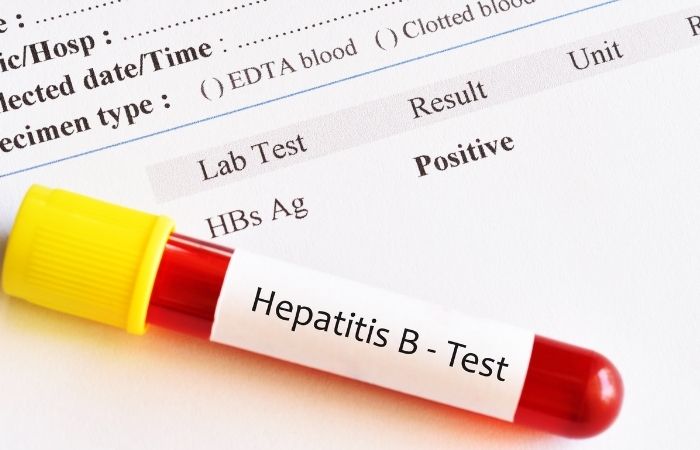
If your first hepatitis B test came back negative but you're still feeling sick or have new symptoms, you may need to take the test again. People who got tested too early aren't the only ones who need to get tested again. It's also for people who are still at risk of getting sick or who have symptoms that last longer than usual for the flu.
This is how to look at it:
- If you know you've been exposed, you should retest 4–6 weeks later and again 3 months later if symptoms or risks stay the same.
- If you had a negative test and your symptoms got worse or you got jaundice, you should get tested again right away.
- If you got better but were exposed to something new, check again in 4 to 6 weeks, especially if you had sex without protection or shared needles.
The World Health Organization says that people who are at high risk, like men who have sex with men, sex workers, people who inject drugs, and healthcare workers, should get tested again. Their advice says that a missed diagnosis can lead to a long-term infection, liver failure, or the disease spreading.
Retesting doesn’t mean you did something wrong. It means you’re paying attention,and protecting yourself and others.
What If You Test Positive for Hepatitis B?
First, breathe. You are not dirty. You are not broken. Testing positive for hepatitis B doesn’t mean your life is over,it means you now have the information you need to take action.
Most acute hepatitis B infections resolve on their own with rest, hydration, and monitoring. Chronic infections,those lasting longer than six months,require regular follow-up and may be treated with antivirals. Either way, the next step after a positive test is confirmatory bloodwork through a healthcare provider.
Let’s talk emotional impact for a moment. Many people feel shame or fear after a positive test, especially if it came after sex, drug use, or a risky decision. But this isn’t about punishment. It’s about prevention. It’s about care. And it’s about breaking the silence that keeps hepatitis B spreading under the radar.
If you’ve tested positive and need help, consider talking to your doctor, a sexual health clinic, or a telehealth provider. Need privacy? Many services offer anonymous partner notification and access to liver care through virtual platforms.
How We Sourced This Article: We combined current guidance from leading medical organizations with peer-reviewed research and lived-experience reporting to make this guide practical, compassionate, and accurate. In total, around fifteen references informed the writing; below, we’ve highlighted some of the most relevant and reader-friendly sources.
FAQs
1. Can hepatitis B actually feel like the flu?
Yep, and that’s what makes it so tricky. Fever, fatigue, nausea, body aches,classic flu stuff, right? But with hepatitis B, those symptoms can linger longer or feel a little “off.” It’s when things like dark urine or yellow eyes show up that the real difference starts to reveal itself.
2. How long do hepatitis B symptoms last?
For some folks, just a few weeks. For others, the symptoms can stretch on for months. Acute hepatitis B usually clears up on its own, but you won’t know which direction it’s heading unless you test and track. Don’t just ride it out,check it out.
3. When’s the right time to test after exposure?
Four to six weeks is your sweet spot. That’s when the virus becomes easier to detect in your blood. If you test earlier than that, it might not show up yet. Think of it like catching someone before they’re even in the room,you’re just too early. But if you’re feeling off, test now and again later.
4. Can you get hepatitis B from kissing?
It’s super rare. Unless there’s blood involved,like bleeding gums or open sores,saliva alone isn’t enough to transmit it. Save your stress for other things. But if you’ve been doing more than kissing, testing’s a smart move.
5. Do you always turn yellow if you have hepatitis B?
Not even close. Jaundice (yellowing of the skin or eyes) is a flashing sign, but many people never get it. Some just feel wrecked with no clue it’s their liver waving the white flag. That’s why symptoms alone can’t be your only clue.
6. Is hepatitis B considered an STD?
Yes,and also no. It’s both a sexually transmitted infection and a bloodborne one. You can get it from sex, sure, but also from shared needles, razors, or even some medical or tattoo procedures if hygiene is poor. Sex is just one of the highways,it’s not the whole road map.
7. Do I have to tell my partner if I test positive?
It’s not legally required in all places, but ethically? It’s the right call. And it doesn’t have to be scary. There are even anonymous partner notification tools if you need them. Think of it this way: honesty helps everyone stay healthy,even if it’s awkward for a minute.
8. Can hepatitis B be cured?
Acute hepatitis B often clears on its own, like a nasty storm that eventually passes. Chronic hepatitis B,when the infection lasts longer than 6 months,can be managed with meds, but it’s usually a long-term relationship. The real hero move? Get vaccinated and avoid it altogether.
9. I got a tattoo recently,should I be worried?
Depends where and how it was done. If you saw clean, single-use needles and gloves, you’re likely fine. But if you got inked at a party or overseas where hygiene wasn’t guaranteed, it’s smart to get tested. Your art’s forever,hopefully your peace of mind is too.
10. Can I trust an at-home hepatitis B test?
You can. These tests are designed to detect surface antigens that show up early in infection. If you follow the instructions carefully and test at the right time, you’ll get reliable results. If you’re ever in doubt, follow up with a clinic or a mail-in lab test for peace of mind.
You Deserve Clarity, Not Guesswork
If your body feels wrong, trust it. Flu-like symptoms that don’t resolve, or worsen with time, could be something more serious,especially if you’ve had any risk exposure. Hepatitis B doesn’t always scream; sometimes it whispers. And listening can save your liver, your peace of mind, and your future.
Don’t stay stuck in worry. Testing is fast, private, and within reach. This hepatitis B rapid test kit gives you a clear answer in minutes,no appointments, no judgment.