He Reused the Condom, Can I Still Get an STD?
Quick Answer: Reusing a condom does not offer reliable protection. It dramatically increases the risk of STD transmission and condom failure. Always use a new condom every time, no exceptions. “Now I’m panicking.”
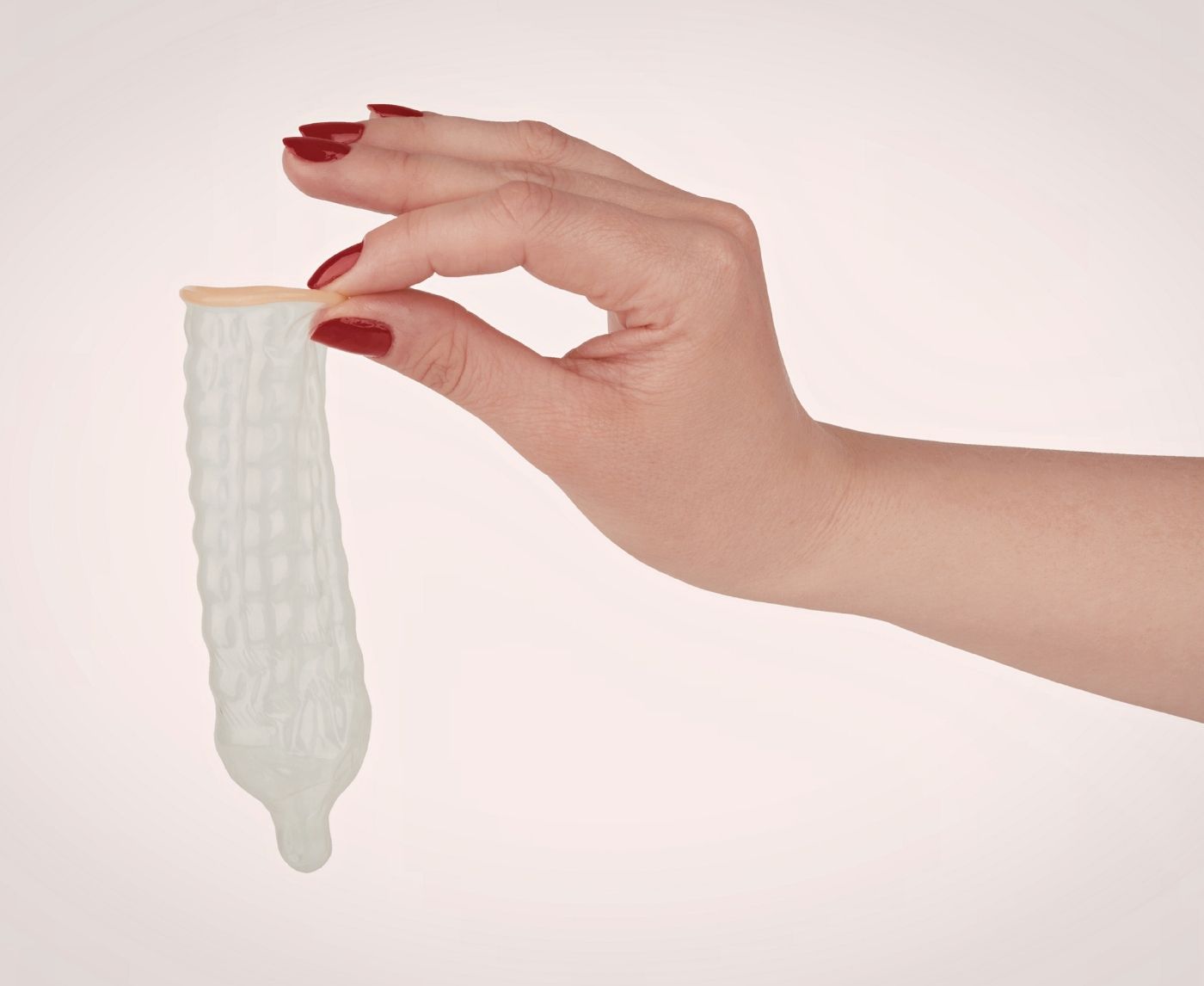
Quick Answer: Reusing a condom does not offer reliable protection. It dramatically increases the risk of STD transmission and condom failure. Always use a new condom every time, no exceptions.
This Happens More Often Than You Think
Jenna, 23, didn’t even realize it until the next morning. Her partner had tossed the used condom onto the nightstand during a quick break. When they started again, he picked it up and rolled it back on without saying a word. “I thought it was gross, but it felt too awkward to stop him,” she says. “Now I’m panicking.”
Jenna isn’t alone. In forums, late-night confessionals, and whispered conversations, stories emerge: partners reusing condoms between rounds, people unsure if a new one was ever put on, and individuals too stunned or confused to know what to do next. Sometimes it’s about saving money. Sometimes it’s laziness. Sometimes, it’s simply not understanding the risk.
This article is for those moments. The ones you can’t rewind. It’s not about judgment, it’s about what happens now, what the risks really are, and how to protect your health without shame or second-guessing.
Why Reusing a Condom Isn’t “Better Than Nothing”
A lot of people assume that using a condom twice is like getting double mileage from a good decision. But condoms aren’t built for reuse. The material, usually latex or polyurethane, is designed to stretch once, under controlled conditions, and to withstand friction and bodily fluids for a single act of sex. After that, the integrity is compromised, even if it looks intact.
Here’s what happens inside that seemingly simple slip of material:
| Risk Factor | Effect of Condom Reuse |
|---|---|
| Material breakdown | Latex or poly loses elasticity, increasing the chance of microscopic tears |
| Lubricant loss | Pre-lubrication is gone, making it more prone to friction and breakage |
| Semen residue | Residual semen inside the condom can introduce old fluids into a new partner or back into the same body, along with any STDs it may carry |
| External contamination | Once a condom is handled, laid down, or exposed to surfaces, it can pick up bacteria or viruses |
Table 1. What happens when a condom is reused, and why none of it is safe.
Even if the condom didn’t tear visibly, the stress it’s already endured makes it more likely to fail the second time. And when that failure means possible exposure to chlamydia, gonorrhea, HIV, or herpes, the stakes are too high for experiments.
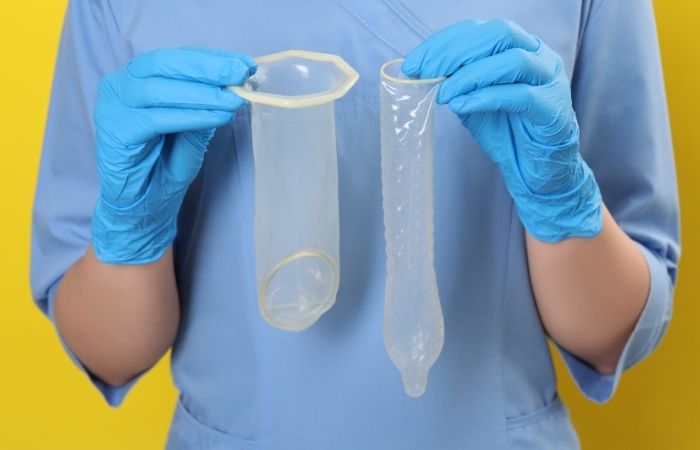
What STDs Can Survive in a Reused Condom?
This is where it gets tricky, and scary. Many STDs are highly resilient, surviving in bodily fluids even after exposure to air for short periods. That means if there was semen inside the condom the first time, it could carry infectious agents right into the next round, even if the condom “looks clean.”
Here’s what we know from current clinical research on fluid viability:
| STD | Can Survive in Semen Outside the Body? | Potential Transmission from Reused Condom |
|---|---|---|
| HIV | Yes, for several hours under favorable conditions | High risk if semen from a positive individual is reintroduced |
| Chlamydia | No direct survival in air, but present in fluid residue | Medium risk if fluids are transferred into vaginal or anal canal |
| Herpes (HSV-2) | Can survive briefly in moist environments | High risk with direct fluid or skin contact |
| Gonorrhea | Can remain viable in semen for hours | High transmission likelihood |
| Trichomoniasis | Lives in genital fluids, can persist short-term | Moderate to high risk depending on exposure route |
Table 2. STD survival and risk when condoms are reused. Sources: CDC, NIH, JAMA
The bottom line? If any fluids from a previous act of sex are still inside or outside that condom, the next person exposed, or even the same person again, may be at risk of infection. This is especially dangerous in back-to-back sex acts, threesomes, or sex involving multiple anatomical sites (vaginal to anal, for example), where cross-contamination becomes a major concern.
Real Talk: What If I Was Too Embarrassed to Stop Him?
Let’s get something straight: freeze responses are valid. If someone reused a condom and you didn’t feel safe or able to speak up, that’s not your fault. Many people, especially younger women, queer folks, and trauma survivors, find themselves defaulting to silence in moments of pressure, confusion, or fear of confrontation. This doesn’t make your reaction weak. It makes it human.
Andre, 31, shared this experience: “I didn’t realize he’d put the same condom back on until afterward. I just sat there. I knew it felt off, but I froze. I kept thinking, was it safer than nothing? Am I overreacting?” He wasn’t. And neither are you.
If the condom was reused, it’s absolutely valid to follow up with testing. You’re not being paranoid, you’re being proactive. And there are safe, discreet ways to do that without needing to explain anything to anyone.
STD Rapid Test Kits offers private, at-home options that screen for the most common infections. You can even choose a Combo STD Test Kit that checks for multiple STDs at once.
Wait, Is It Possible I’m Overthinking This?
That voice in your head saying, “Maybe it’s not that bad”? It’s trying to protect you from spiraling. And while it's okay to hope for the best, the truth is that reusing a condom, even once, carries significant risk. The idea that “a used condom is better than nothing” is wishful thinking, not science-backed safety.
Condoms are single-use medical devices. That means the moment they come off, they’re meant to go into the trash, never back on a body. Once compromised, they’re not just less effective, they're unpredictable. A study in the Sexually Transmitted Diseases Journal found that not using condoms properly, such as reusing them, was strongly linked to a higher risk of STDs spreading and condoms breaking during sex that followed.
So no, you're not thinking too much. You're thinking critically. And you're allowed to want clarity, especially when your health is on the line.
What If They Took the Condom Off and Then Put It Back On?
This is a common scenario, especially in hookup culture or during multi-round sex. Maybe he removed the condom after ejaculation, took a break, and then later slipped it back on. Maybe he didn’t ejaculate the first time, but the condom had already been used for a while. Either way, once the condom comes off, it is considered contaminated. Even a brief break in protection introduces risk.
Let’s break it down like this: semen, pre-ejaculate, vaginal fluids, and anal fluids can all carry STD pathogens. If any of these came into contact with the inside or outside of the condom during the first use, putting it back on reintroduces those fluids, and potentially, those infections, into your body.
This is especially true for STDs like herpes and HPV, which are spread through skin-to-skin contact and not just fluids. The surface of the condom, once exposed, may carry viral particles. Reapplying it puts that exposure right back onto your skin, mucous membranes, or internal tissues.
Think of it like double-dipping in a sauce you’re sharing with someone sick. It’s not just gross, it’s risky.
Okay… So What Should I Do Now?
First, relax and take a deep breath. You shouldn't be ashamed or blame yourself. You care about your health just by being here. Let’s walk through what comes next.
If a condom was reused during sex, even if you’re not sure if it was fully ejaculated into, it’s smart to test for common STDs. Some may not show symptoms for days, weeks, or at all, which is why testing matters even if you “feel fine.”
The ideal testing timeline depends on which infection you’re concerned about. Here's a general overview of when STD tests become most accurate after possible exposure:
| STD | Earliest Test Window | Best Time to Test |
|---|---|---|
| Chlamydia | 7 days | 14 days |
| Gonorrhea | 7 days | 14 days |
| HIV | 10 days (with NAAT) | 28 days (4th gen test) |
| Herpes | 10–14 days (if symptoms appear) | Up to 12 weeks (for type-specific blood test) |
| Trichomoniasis | 5 days | 7–14 days |
Table 3. Window periods for STD detection after exposure from condom reuse.
Not sure which test to choose? A Combo STD Test Kit covers the most common infections. It’s discreet, fast, and can be done from home, no clinic, no judgment, no waiting room small talk.
Why This Happens (And Why It’s Not Your Fault)
Sex education in most places is garbage. That’s not your fault. Condoms are often taught as “yes” or “no” safety tools, with little explanation of how they work or why things like reuse are dangerous. So when you’re in the middle of the moment and someone doesn’t switch it out, you may not realize it matters, until after.
There’s also pressure. Emotional, sexual, social. Maybe you didn’t want to interrupt the mood. Maybe you were scared to make them angry. Maybe you were dissociating. These are not signs of irresponsibility. They’re signs of being human in a situation where communication wasn’t fully safe or informed.
What matters now is reclaiming your control. You deserve to know what you were exposed to, and to make choices from a place of knowledge, not panic.
Can You Tell If a Condom Was Reused?
Sometimes it’s obvious. The condom is clearly unwrapped. There’s no lube left. It looks stretched or cloudy. But other times, especially in dim lighting or in the middle of an encounter, it’s not so clear. You may not know if the person removed it, rolled it back on, or used one from an earlier partner.
There’s also stealthing, a non-consensual act where a condom is removed without permission and sometimes reapplied later. This can carry the same STD risk as complete unprotected sex, depending on how and when it was done. And yes, it counts as sexual misconduct or assault in many places.
If you’re unsure whether a condom was reused but have any reason to suspect it, it's wise to test. Your peace of mind is worth it.
Explore home STD test options here, fast, private, and doctor-trusted.
Does It Still Count as “Protected Sex”?
No. The short answer is that reusing a condom voids its protective function. It no longer counts as “protected sex,” because the very things condoms are meant to do, act as a barrier, trap fluids, reduce friction, and limit skin-to-skin contact, are compromised once they’re used even once.
This isn’t about splitting hairs. It’s about recognizing when exposure has occurred so you can make informed choices about testing, treatment, and prevention moving forward. If you’re documenting risk for your own records, medical consults, or for a partner, categorize the incident as unprotected.
Even partial reuse, like if a condom is taken off and then reapplied midway, can raise risk. In fact, the CDC’s STD prevention division explicitly warns against reuse and categorizes it under “incorrect condom use,” a key driver of condom failure outcomes in their national data sets.
When Reuse Becomes a Red Flag
Let’s pause here. Because if your partner knowingly reused a condom, especially after ejaculating or during a multi-person encounter, and didn’t tell you, or dismissed your concern afterward, it’s not just a hygiene issue. It’s a consent issue.
Steph, 28, shares: “He joked that he was saving the planet by using one condom twice. I laughed at the time, but later I realized I never said yes to that. I felt violated, but I also didn’t want to seem dramatic.”
This is important: your body is not a place for shortcuts. STD prevention is about more than latex and timing, it’s about mutual care, respect, and honesty. If someone cuts corners that put you at risk without your agreement, it’s okay to treat that as a violation. And it’s more than okay to make health decisions, like testing, boundaries, or ending sexual contact, based on that.
You don’t need their permission to take your risk seriously.
What to Do While You Wait for Your Test Results
Waiting sucks. Especially when it’s for something you didn’t choose or weren’t informed about. Here’s how to stay grounded during the window period:
First, track the exposure date. Most tests have an ideal window, like 7 to 14 days for chlamydia and gonorrhea, or 28 days for 4th-gen HIV screening. If you test too early, a negative may feel reassuring but still be inaccurate. If you’re unsure about when to test for what, STD Rapid Test Kits has a free Window Period Calculator to help you plan.
Second, avoid new sexual exposure during this window. Not because you need to “punish” yourself, but because it helps keep your test results clean and your future partners protected.
And third, try not to Google symptoms every night at 2AM. Most STDs don’t show signs right away. Some don’t ever. Tingling, discharge, fatigue, these are often more about stress than illness in the early days. Don’t diagnose with search bars.
Should You Tell Your Partner (Or Anyone)?
This one’s complicated. If the person who reused the condom was your regular partner, you may feel pressure to confront or educate them, or not say anything at all. There’s no single right move here. But if you’re worried they may reuse condoms again with others, or that it was part of a pattern, you have a right to speak up.
If the exposure was one-time and you’re focused on your health, you don’t owe anyone a confession. But if you test positive for something like chlamydia, it’s legally and ethically required to notify current or recent partners, either personally or anonymously. Many at-home test providers (including STD Rapid Test Kits) offer guidance or scripts for these conversations.
Just remember: getting tested doesn’t mean you “did something wrong.” It means you’re responsible. It means you’re brave enough to face the unknown.
Let’s Talk About the Shame
That twisting feeling in your gut right now? It’s probably not just fear, it’s shame. And it’s heavy. You might be thinking, “How did I let that happen?” or “Why didn’t I stop it?” But here’s the thing: shame thrives in silence. It grows when we think we’re the only one who’s been through something. But you’re not.
This happens every day. People reuse condoms because they don’t know better. Because they’re embarrassed to stop the moment. Because they weren’t taught that one condom = one time only. Or because they didn’t feel like they had a choice.
You’re not dirty. You’re not reckless. You’re not alone. You’re just someone who had a confusing moment and is now doing the right thing by facing it head-on. That’s the opposite of shameful.
And if you need peace of mind today? The Combo Test Kit is a solid first step. No clinic. No judgment. Just answers.
FAQs
- 1. Can you actually get an STD from a reused condom?
- Yes, and not just “technically.” If that condom touched fluids from someone who had an STD, then got reused (even minutes later), it’s like hitting rewind on the risk. You wouldn’t drink from someone else’s used straw at a party and assume it’s clean, right? Same vibe, except with way higher stakes.
- 2. Isn't it better than nothing though?
- That’s a common instinct, but unfortunately, no. A reused condom isn’t a halfway shield. It’s a broken one. The moment it’s been on a body, it’s already compromised. Physically, chemically, and microbially. “Better than nothing” sounds good in theory, but when it comes to fluid-borne infections? You want the full armor, not a leaky umbrella.
- 3. What if it didn’t look damaged?
- Doesn’t matter. Condoms don’t come with a “check engine” light. Microscopic tears and internal stress aren’t always visible, but they absolutely matter. Also, lubrication? Gone. And that’s part of what protects you, too.
- 4. I didn’t realize until afterward, should I still get tested?
- Absolutely. That “oh sht” moment when it hits you is more common than you’d think. You don’t need to be sure something went wrong to justify testing. Peace of mind is a valid reason all on its own.
- 5. Can sperm from the first round still cause pregnancy in the second?
- Yep. Semen doesn’t just vanish into thin air. If there was any leftover inside that reused condom, and it made contact again, pregnancy is possible. Not guaranteed, but definitely on the table.
- 6. What if he only reused it for like 30 seconds?
- Duration doesn’t undo exposure. STDs aren’t polite, they don’t wait until minute two to make their move. A single thrust with a contaminated condom can be enough. The real question isn’t how long it was reused... it’s whether it touched infectious fluids before it was.
- 7. Can I still count it as protected sex?
- No. It is no longer "protected" after you use a condom. It doesn't work as a protective barrier anymore, whether it was used again for a second round, with a new partner, or just for a few minutes.
- 8. What if he said it’s fine and “everyone does it”?
- Big red flag. STD prevention isn’t up for debate. If someone dismisses your concern or tries to normalize unsafe behavior, it’s okay to step back. You deserve sex that feels safe physically and emotionally. Normal doesn’t mean healthy, or consensual.
- 9. How long should I wait before testing?
- Depends on what you're checking for. Chlamydia and gonorrhea can show up after about a week. HIV needs a little longer, ideally 2–4 weeks with a good 4th-gen test. If you're unsure, the Window Period Calculator can help you time it right.
- 10. I’m embarrassed to talk about this with a doctor, what are my options?
- First of all: you’re not alone. And second, you don’t have to go to a clinic. You can test privately at home. Kits like the Combo STD Test Kit let you check for multiple infections without anyone else in the room. Your body, your privacy, your call.
You Deserve Answers, Not Assumptions
There’s nothing wrong with wanting to feel safe. There’s nothing overdramatic about needing clarity after someone reused a condom, especially if it wasn’t your choice or if you weren’t given a voice in the moment. You are allowed to ask questions, get tested, and protect yourself without shame.
If you're still replaying the moment or stuck in a loop of “what if,” remember: action is more powerful than anxiety. Start by getting tested. Start by getting peace of mind.
This Combo Test Kit checks for the most common STDs from home, no awkward appointments, no lab queues, no judgment.
How We Sourced This Article: We combined current guidance from leading medical organizations with peer-reviewed research and lived-experience reporting to make this guide practical, compassionate, and accurate.
- CDC – How well condoms work and how to use them correctly
- Planned Parenthood: How to Put on a Condom
- WHO – STI Fact Sheet
- The Lowdown on How to Prevent STDs – CDC
- How to Use a Condom – CDC
- Preventing HIV with Condoms – CDC
- Primary Prevention Methods for STIs – CDC
- Condoms and STDs: Fact Sheet for Public Health Personnel – CDC
- Errors in Condom Use and HIV Transmission: Systematic Review – Open AIDS Journal
- Sexual Risk Behaviors and Condom Use – CDC