How Long Can Chlamydia Live on Sex Toys? The Facts Might Shock You
Quick Answer: Chlamydia can survive on sex toys for several hours, possibly longer depending on moisture and material, making toy sharing a real transmission risk. What counts as “sex”? Can STDs live on toys?
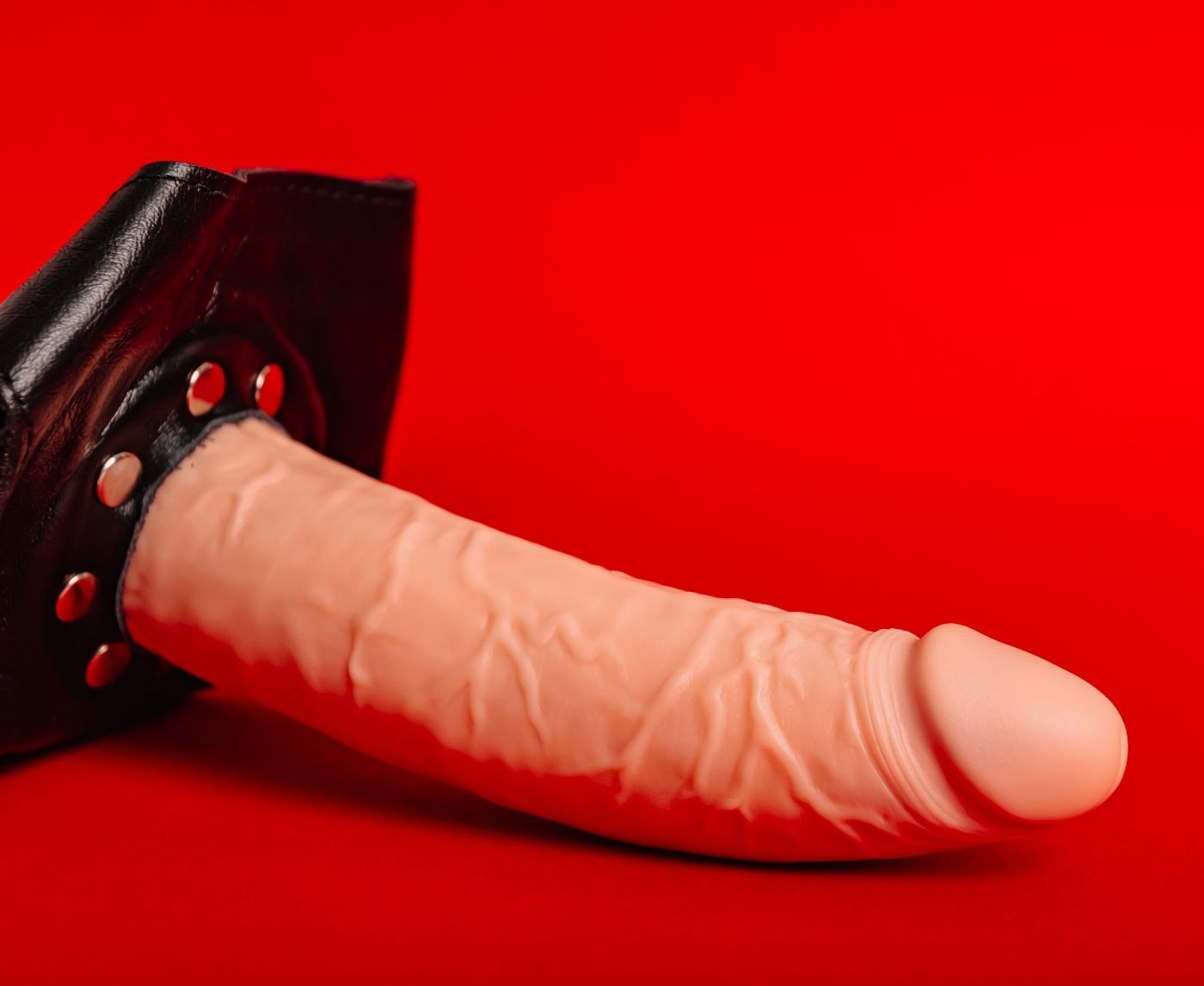
Quick Answer: Chlamydia can survive on sex toys for several hours, possibly longer depending on moisture and material, making toy sharing a real transmission risk. Proper cleaning or barrier use between partners is essential to reduce exposure.
Why This Guide Exists: Because Sex Ed Skipped This Part
Most people are taught that chlamydia comes from unprotected vaginal or anal sex. But what if you’ve only used fingers, shared a vibrator, or explored anal play without penetration? If that sounds like your situation, this article is for you.
We wrote this because too many people have walked into clinics convinced they couldn’t possibly have an STD, only to leave with medication, a script for partner treatment, and a million questions. What counts as “sex”? Can STDs live on toys? Do I have to throw everything away? Why didn’t anyone tell me this before?
We’re here to fill in the gaps, without shame, without judgment, and without dodging the uncomfortable truths. Because pleasure should never come at the cost of your health, or your peace of mind.
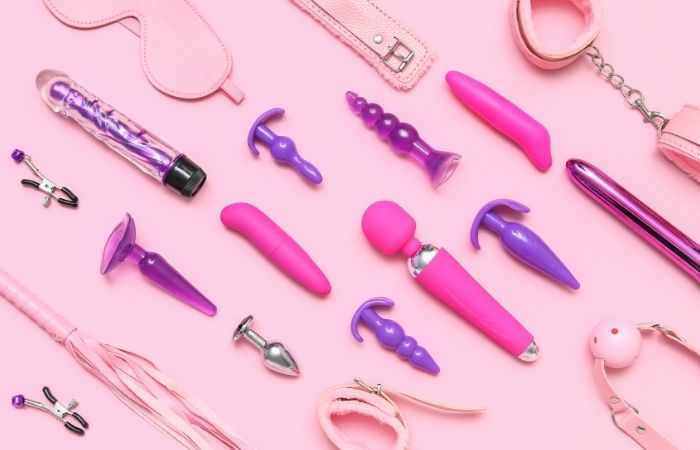
Toy Transmission: Yes, It Happens (And More Often Than You’d Think)
You don’t need semen, penetration, or even skin-to-skin contact to catch an STD. Chlamydia spreads through infected fluids, especially vaginal secretions and rectal mucus, and those fluids can easily cling to a toy, linger inside it, or transfer during anal fingering and stimulation.
Here’s how it plays out in real life: Partner A uses a dildo or plug vaginally or anally. Without cleaning it or using a condom, Partner B uses the same toy. Even if it’s a few minutes later, even if the toy “looks clean,” microscopic traces of bacteria like Chlamydia trachomatis can still be active. And once they enter the urethra, rectum, or cervix? Infection is possible, especially when mucous membranes are involved.
Multiple studies have confirmed this risk. One 2020 study from the Sexual Health Journal found that bacterial STIs, including chlamydia and gonorrhea, can survive on silicone and rubber toys long enough to infect another user. Moisture, warmth, and porous materials all increase the danger.
How Long Can Chlamydia Survive on a Toy, Exactly?
There’s no exact clock because bacteria don’t die on cue. But studies suggest that chlamydia can survive on damp surfaces for several hours, possibly longer if the environment is warm and the material is porous or textured. Unlike viruses, which need a host cell, bacteria like Chlamydia trachomatis can stay viable in secretions on toys, fingers, towels, or lube caps.
Here’s what influences survival time:
| Factor | Effect on Bacterial Survival |
|---|---|
| Moisture (leftover fluids) | Helps bacteria live longer, can extend viability for hours |
| Material (porous vs nonporous) | Porous toys (e.g., jelly, rubber) trap bacteria more easily than silicone or metal |
| Temperature | Warmer temps mimic body heat and may preserve viability |
| Time Between Use | Risk drops as toy dries, but chlamydia may remain active up to 2–4 hours |
Figure 1. Factors that affect how long chlamydia can survive on sex toys and surfaces.
Translation? If a toy is used, set aside for “just a few minutes,” and then used again, especially without cleaning or condoms, it’s very possible for chlamydia to transfer. That risk only rises during anal or vaginal use where fluids are harder to spot and clean.
“I Got an STD, but We Didn’t Even Have Sex”
Darren, 26, was in a new relationship. They hadn’t had penetrative sex yet, just some play with hands, tongues, and a shared plug he thought had been cleaned. A few weeks later, he noticed a burning sensation when peeing. He tested positive for chlamydia. His partner tested negative. The only link? The toy they’d both used.
“I felt stupid. I Googled like crazy, was it possible? Turns out, yes. Toys can carry chlamydia. I just didn’t think about it.”
Darren’s story isn’t rare. Sexually transmitted infections don’t require intercourse. They require exposure, often through mucous membranes, shared fluids, or overlooked tools. This is why understanding the transmission mechanics matters. Not to blame, but to prevent.
Preventing Chlamydia from Shared Toys: What Actually Works
The good news? Transmission through toys and anal fingering is preventable. It just takes a bit of intention, and a mindset shift. Here’s what reduces risk, backed by both Planned Parenthood and CDC guidance:
| Method | How It Helps |
|---|---|
| Use condoms on toys (especially penetrative ones) | Creates a barrier that can be changed between partners or orifices |
| Wash toys thoroughly with warm water and unscented soap | Reduces bacterial load between uses; especially key for silicone and rubber |
| Avoid porous toys when sharing | Porous materials trap bacteria and are harder to sanitize completely |
| Use separate toys for anal vs vaginal play | Prevents cross-contamination of rectal bacteria or STIs |
| Wear gloves for anal fingering, especially with long nails | Reduces microtears and fluid transfer from rectum to other areas |
Figure 2. Proven prevention strategies to reduce chlamydia transmission from sex toys and anal fingering.
None of this is about being sterile or paranoid. It’s about honoring your body, and your partner’s, by staying informed. Pleasure is safest when it’s intentional. Think of gloves and condoms as lube for trust: they make things smoother, safer, and better for everyone involved.
When to Test If You Suspect Exposure from Toys or Fingering
So let’s say you’ve shared a toy. Maybe it wasn’t cleaned. Maybe you didn’t know it had been used with someone else. Now you’re worried. What do you do?
Start by knowing the timing. Chlamydia typically shows up on tests within 7 to 14 days of exposure, though waiting the full two weeks gives the most accurate results. Testing sooner is possible, but a negative in that window might still need a retest later.
Symptoms aren’t always reliable. Up to 70% of women and 50% of men with chlamydia show no symptoms at all. If you do notice signs, they might include:
- Burning when peeing
- Unusual discharge from the penis, vagina, or rectum
- Rectal pain or spotting
- Pelvic discomfort after toy use or fingering
If you’re feeling unsure, get tested. Whether you’re experiencing symptoms or just want peace of mind, you deserve answers. This at-home combo test kit detects the most common infections, including chlamydia, quickly and discreetly.
Do You Need to Retest? Here’s When It Makes Sense
Let’s say you tested negative, but the worry’s still gnawing at you, or your symptoms haven’t gone away. When should you retest?
If your first test happened within 7 days of exposure, that result might’ve been too early. Chlamydia needs time to incubate before it shows up reliably. Most experts recommend retesting between 14 and 21 days after possible exposure if symptoms persist, or if you didn’t use protection and shared toys or fingers directly between partners.
Retesting is also smart after treatment. According to the CDC’s guidelines, anyone treated for chlamydia should be re-tested about 3 months later, even if their partner was also treated. Why? Because reinfection is common, especially when toys or practices didn’t change.
Here’s a helpful breakdown:
| Situation | Retesting Recommendation |
|---|---|
| Initial test before 7 days post-exposure | Retest at 14–21 days for accuracy |
| Positive result, completed antibiotics | Retest at 3 months to check for reinfection |
| New or continued partner exposure | Retest after any unprotected contact or toy sharing |
| Symptoms come back | Immediate retest, regardless of timeline |
Figure 3. Retesting guidance based on exposure, treatment, and symptoms.
The takeaway? It’s okay to test more than once. You’re not being paranoid, you’re being smart. Especially when toys are involved, it’s better to double-check than stay uncertain.
What to Do If You Test Positive, And It Was From a Toy
Take a breath. You’re not dirty. You’re not broken. You’re just someone with a bacterial infection, one that millions of people get every year, most often without realizing it.
If your chlamydia result comes back positive, here’s what happens next:
You’ll receive antibiotics, typically azithromycin or doxycycline, and the infection is usually cleared within a week or so. You’ll be told to abstain from sex and shared toy use during that period. You’ll also need to inform any recent partners. This can feel awkward, especially if you think the toy was the vector. But honesty helps prevent re-infection, and supports your partners’ health too.
Here’s what one reader told us:
“I texted her, even though we’d only played a few times. I said, ‘Hey, turns out that toy we shared might’ve passed something. I just tested positive for chlamydia. You might want to check too.’ She was grateful. Not mad. Just surprised.”
STIs don’t mean someone cheated. They don’t mean you’re careless. Sometimes they mean you used a toy without realizing it needed its own kind of condom. And that’s okay. What matters is what you do next.
FAQs
- 1. Wait, can you seriously get chlamydia from a toy?
- Yep, no penetration required. If a toy has been inside someone who’s carrying chlamydia, especially vaginally or anally, and it’s used again without cleaning or protection? That bacteria can absolutely make itself at home in the next person. It doesn’t care how "clean" it looks.
- 2. How long does chlamydia hang around on surfaces like toys?
- Longer than most people think. On a moist, warm surface like a recently used dildo? It could hang out for a few hours, maybe even more. Especially if the toy’s porous or textured. This isn’t a scare tactic; it’s just microbiology.
- 3. So... if we just used our hands and a toy, that still counts as exposure?
- It does. Hands and toys can act like vehicles, like ride-shares for bacteria. If someone touches their genitals, then a toy, then your genitals, that’s a direct route. Same with anal-to-vaginal play. No condom = higher risk.
- 4. Do I need to throw away my toy if I tested positive?
- Not automatically. If it’s non-porous (like silicone, glass, or stainless steel), a good cleaning or boil should do the trick. But those cheap jelly or rubber toys? They’re tough to disinfect completely and might need to retire from your lineup.
- 5. Why isn’t this talked about more?
- Honestly? Because sex ed still acts like toys and fingers don’t count. Most health classes barely cover penetrative sex, let alone the reality of queer intimacy, anal play, or toy sharing. That’s why we’re here, to fill in the blanks without the judgment.
- 6. Is using a condom on a toy really that big a deal?
- Game-changer. Not only does it reduce transmission risk, but it also makes cleanup easier. Switch condoms between partners, orifices, and even sessions if needed. Think of it as a toy’s personal outfit, fashionable and functional.
- 7. What kind of toys are “safer” to share?
- Non-porous ones: silicone, metal, glass. They don’t trap bacteria and can be sanitized properly. Porous materials (like rubber or soft plastic) are more like sponges, stuff gets in and doesn’t always come out, even with soap and water.
- 8. Can other STDs do this too, or is it just chlamydia?
- It’s not just chlamydia. Gonorrhea, herpes, and even trichomoniasis can spread through toys, especially with back-to-back use. Herpes doesn’t need fluid, just contact with skin that’s shedding the virus.
- 9. I tested negative after toy play, but now I’m getting weird symptoms. What gives?
- Testing too early can give a false sense of security. If symptoms show up later, burning, discharge, pelvic pain, it’s smart to test again, especially if your first test was within the first 7 days post-exposure. Bacteria don’t always move fast, but they do move.
- 10. This all feels overwhelming. What’s the one thing I should remember?
- STDs don’t care about definitions. If fluids were shared, if toys weren’t cleaned, if fingers went from one place to another, there’s risk. That doesn’t mean panic. It means getting tested, using protection, and talking openly. Your pleasure deserves protection, too.
Protecting Pleasure, Protecting Yourself
This article isn’t here to scare you out of using toys or exploring anal play. We’re here to protect your right to pleasure, and your health, by showing how the two can coexist. With condoms, gloves, cleaning routines, and open conversations, toy use becomes not just hot, but safe. And that’s where real confidence starts.
Ready to get clarity? Order your at-home STD combo test kit and take control without the clinic waiting room. You deserve answers, and you deserve peace of mind.
How We Sourced This Article: We combined current guidance from leading medical organizations with peer-reviewed research and lived-experience reporting to make this guide practical, compassionate, and accurate. In total, around fifteen references informed the writing; below, we’ve highlighted some of the most relevant and reader-friendly sources.
Before You Panic, Here's What to Do Next
If this article opened your eyes to risks no one warned you about, take a breath. You’re not alone, and you’re not doomed. What matters is what you do now: get tested, talk with partners if needed, and put barriers in place that make pleasure safer, not scarier.
Don’t wait and wonder, get the clarity you deserve. This at-home combo test kit checks for the most common STDs discreetly and quickly.