When an STD Feels Like Arthritis: The Joint Pain Link
If you have new joint swelling or severe joint pain, especially with fever or rash, get medical care and STI testing as soon as possible.

Quick Answer: Chlamydia and gonorrhea can trigger joint pain even without genital symptoms because they can spark reactive arthritis (an immune reaction after infection) or, more rarely, spread through the blood and cause septic arthritis. If you have new joint swelling or severe joint pain, especially with fever or rash, get medical care and STI testing as soon as possible.
First, Let’s Name the Two “STD Joint Pain” Pathways
When people search “STD that causes arthritis,” they’re usually describing one of two real medical patterns. The first is reactive arthritis, where your immune system, still on high alert after an infection, starts inflaming your joints by mistake. The second is disseminated gonococcal infection (DGI), when gonorrhea invades the bloodstream and can cause joint inflammation, tendon sheath pain (tenosynovitis), and sometimes a rash or fever. DGI is considered uncommon, but it’s a medical “don’t wait” situation because it can involve septic arthritis and other serious complications. CDC guidance on DGI is very direct about the kinds of symptoms clinicians should watch for.
Here’s the tricky part: both pathways can happen even if your genitals are totally quiet. That’s not rare in the sense of “you’re a medical unicorn,” it’s rare in the sense of “STIs love stealth,” especially chlamydia, which is famously asymptomatic for many people. So if you’re sitting there with knee pain after sex, or ankle swelling that makes no sense, it’s not “dramatic” to wonder about an STI. It’s you noticing the pattern your body is trying to draw in bold ink.

Reactive Arthritis: When the Infection Is Gone but Your Immune System Isn’t Done
Reactive arthritis is basically inflammation with a delayed echo. You get an infection, often a stomach infection or a sexually transmitted infection like chlamydia, and then, days or weeks later, your joints flare like they’re fighting something that’s no longer there. The NHS explains this as an immune response that can happen after a mild infection you might barely remember, which is part of why people feel blindsided when their joint pain shows up first. NHS reactive arthritis overview even notes that the initial infection can be so mild you don’t connect it to the joint symptoms.
In real life, it often looks like one or a few joints, knees, ankles, feet, suddenly becoming swollen, stiff, and painful. Some people also get irritated eyes, urinary discomfort, or skin changes, but it doesn’t always arrive as a neat “triad.” And yes, chlamydia is a well-known trigger; Mayo Clinic lists it among the bacteria associated with reactive arthritis and frames prevention partly around reducing exposure to STIs like chlamydia.
There’s also a brutal emotional twist here: because the joint pain can start after the genital symptoms never showed up (or already faded), people assume it must be a sports injury, stress inflammation, “getting older,” or autoimmune disease out of nowhere. Sometimes it is one of those things. But if you’ve had a new partner, condomless sex, a condom break, or even oral sex with a partner whose status you don’t fully know, it’s worth considering STI testing as part of your checklist, not as a confession, but as basic investigation.
Disseminated Gonococcal Infection: When Gonorrhea Leaves the Room
DGI is what it sounds like: gonorrhea spreads from a local site (genitals, rectum, throat) into the bloodstream and travels. The CDC describes DGI as occurring when the pathogen invades the bloodstream and can lead to septic arthritis, polyarthralgia, tenosynovitis, and characteristic skin lesions, among other manifestations. CDC health alert on DGI also notes estimates that DGI is uncommon and has historically been thought to occur in a small percentage of untreated gonorrhea cases.
Here’s why this matters for someone reading at 2 a.m. with a hot, swollen joint: DGI can be urgent. If your joint pain is severe, if you can’t bear weight, if you have fever, chills, new rash, or pain along tendons (like wrists, fingers, ankles), don’t “wait and see.” That’s the moment to get medical care quickly because septic arthritis and bloodstream infection aren’t the kind of problems you tough out with ibuprofen and denial.
And yes, genital symptoms can still be absent. Gonorrhea can live in the throat or rectum with minimal or no symptoms, and a person can carry it without obvious signs. That’s part of why the joint symptoms can feel disconnected and surreal, like your body picked a random place to start the conversation. It’s not random. It’s biology, and it’s fixable when it’s caught.
| Pattern | What’s happening | How it can feel | Clues that raise urgency |
|---|---|---|---|
| Reactive arthritis (often after chlamydia) | Your immune system stays activated after an infection and inflames joints even if the original infection was mild or unnoticed. | Swollen, stiff, painful joints (often knees/ankles/feet), sometimes with eye irritation or urinary discomfort. | New severe swelling, inability to walk, eye pain/vision changes, symptoms that escalate instead of plateau. |
| DGI (disseminated gonorrhea) | The infection spreads through the bloodstream and can inflame joints and tendon sheaths; septic arthritis is a concern. | Sudden joint pain, tendon pain, sometimes multiple joints; can feel flu-like. | Fever, chills, rash or pustules, intense joint pain, rapid worsening, feeling systemically unwell. |
If you’re reading this because you’re scared and you want something concrete you can do tonight, here’s the practical pivot: testing is how you stop guessing. If clinic access is hard, or you just need privacy while you figure out your next move, you can explore discreet options through STD Test Kits. For people specifically worried about chlamydia and gonorrhea, a combo option can reduce the mental load of “which one is it?” by checking both at once: at-home combo STD test kit.
What This Joint Pain Actually Feels Like (And Why It’s So Confusing)
When people describe chlamydia joint pain, it rarely sounds dramatic at first. It starts as stiffness in one knee, or a deep ache in the ankle that doesn’t match your activity level. You didn’t twist it. You didn’t fall. There’s no bruise. And yet the joint feels swollen, warm, and stubborn in a way that makes you uneasy.
Reactive arthritis linked to chlamydia often shows up one to four weeks after the original infection. The timing matters because the infection may have been mild, short-lived, or completely silent. By the time your knee is inflamed, you may have zero genital symptoms to connect the dots. That gap in timing is why so many people think, “This can’t be related.”
With gonorrhea joint pain, especially in disseminated infection, the onset can feel more abrupt. A joint becomes sharply painful, sometimes alongside fever, chills, or a strange rash with small pustules. Tendon pain, like sharp discomfort when moving your wrists or ankles, can also appear. It doesn’t feel like normal muscle soreness. It feels systemic, like your body is fighting something you can’t see.
The Timeline No One Explains
If you’re Googling “how long after chlamydia does arthritis start,” you’re already trying to build a timeline in your head. That instinct is smart. Understanding incubation versus immune reaction can help you decide whether testing belongs in your next step.
| Stage | What’s Happening | What You Might Notice |
|---|---|---|
| Days 1–14 after exposure | Chlamydia or gonorrhea establishes infection in genitals, throat, or rectum. | Often nothing at all. Possibly mild discharge, burning, sore throat, or rectal discomfort, but many people have no symptoms. |
| Week 2–4 | Immune system reacts to infection; bacteria may still be present. | Reactive arthritis can begin: swollen knee, ankle stiffness, heel pain, lower back discomfort. |
| Anytime during untreated infection (rare) | Gonorrhea spreads to bloodstream (DGI). | Sudden joint pain, fever, rash, tendon pain, feeling acutely ill. |
The reason this timeline feels unfair is because it separates cause from consequence. You might have had sex three weeks ago, felt fine, and only now your knee is ballooning. That delay makes people doubt themselves. But medically, this pattern is documented. Reactive arthritis is well described as an inflammatory response that can follow infections like chlamydia even when the initial symptoms were mild or unnoticed.
“But I Don’t Have Discharge”, The Asymptomatic Trap
Here’s where stigma and biology collide. Many people believe an STD must announce itself with obvious genital symptoms. No discharge, no burning, no sores? Then it can’t be that. Unfortunately, that’s not how chlamydia works for a large portion of people. It is frequently asymptomatic, especially in women but also in men and nonbinary individuals with various anatomy. That silence allows infection to linger long enough to trigger complications like reactive arthritis.
I’ve spoken to patients who were genuinely shocked. One 29-year-old patient, Aarav, described it this way: “I thought STDs were loud. This felt like my knee betraying me, not my sex life.” That emotional disconnect is common. Joint pain feels orthopedic, not sexual. But infections do not respect the compartments we assign them.
If you’re experiencing unexplained joint pain and you’ve had new sexual contact in the last month or two, STI testing isn’t paranoid, it’s rational. And it doesn’t mean you did something reckless. It means you’re responding to data your body is presenting.
How Doctors Differentiate STD-Related Arthritis from Autoimmune Disease
Not all arthritis after sex is infection-related. Rheumatoid arthritis, psoriatic arthritis, gout, and viral infections can also inflame joints. The difference is in patterns, labs, and history. Reactive arthritis often affects lower limbs asymmetrically and may follow a known infection. DGI may show bacteria in blood cultures or joint fluid. Autoimmune conditions often have different antibody markers and chronic patterns.
Clinicians usually ask detailed questions: Have you had recent diarrhea? A new partner? A sore throat after oral sex? Urinary changes? Even if the answers feel awkward, they matter. A joint aspiration, blood tests, and STI screening can clarify what’s happening. According to infectious disease literature, identifying an underlying infection changes treatment strategy significantly because antibiotics are necessary in addition to anti-inflammatory therapy.
This is why self-diagnosing “it’s just arthritis” without ruling out infection can delay recovery. Treating inflammation alone while an infection persists is like mopping water without fixing the leak.
When It’s an Emergency (And When It’s Urgent but Not Panicked)
If you have severe joint pain with fever, chills, a new rash, or you cannot bear weight on the joint, that is emergency-level evaluation. Septic arthritis and bloodstream infections require rapid antibiotic treatment. Waiting days can increase risk of joint damage.
If your joint pain is milder but persistent, especially if it began within weeks of sexual exposure, that’s urgent, not panic, but not ignore-it either. Testing for chlamydia and gonorrhea should be part of your plan. Early detection can prevent complications and guide proper treatment.
This is the pivot point where people either spiral into shame or move toward clarity. Shame says, “Don’t bring this up.” Clarity says, “I deserve answers.” Testing is not an admission of guilt. It’s a diagnostic tool.
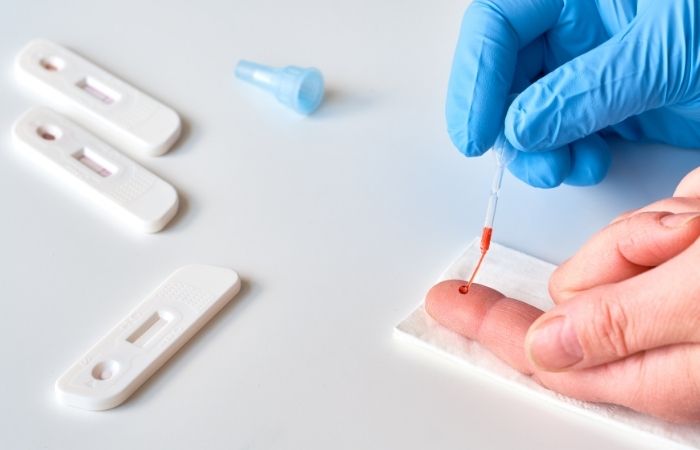
Testing Strategy: Don’t Guess, Test Smart
If you’re sitting there with a swollen knee and a creeping thought about chlamydia joint pain or gonorrhea joint pain, the next step is not panic. It’s precision. The most accurate way to detect chlamydia and gonorrhea is through a nucleic acid amplification test (NAAT), which looks for the genetic material of the bacteria. The CDC describes NAATs as the preferred diagnostic method because of their high sensitivity and specificity for both infections.
What matters just as much as the test type is timing. Testing too early can give false reassurance. Most chlamydia and gonorrhea infections become detectable within about 7 to 14 days after exposure. If your joint symptoms began three weeks after a hookup, you’re likely within a reliable detection window now.
This is where proactive beats anxious. If clinic access feels complicated, or if you just need privacy to think clearly, discreet options exist. You can explore testing through STD Test Kits, and if you’re unsure which infection is responsible, a combo at-home STD test kit checks for both chlamydia and gonorrhea in one step. When your joints are already inflamed, reducing decision fatigue matters.
Why Timing Impacts Accuracy (And Peace of Mind)
One of the most common spirals goes like this: test too early, get a negative result, assume it’s not an STI, ignore the joint pain, and lose valuable time. NAAT tests are highly accurate once you’re past the window period, but during the first several days after exposure, bacterial levels may be too low to detect. That doesn’t mean the infection isn’t there. It means biology hasn’t reached the detectable threshold yet.
If your first test is negative but joint symptoms continue, or if you tested before day seven after exposure, retesting around the two-week mark improves confidence. According to guidance from public health agencies, retesting after treatment is also recommended in certain situations, especially if there’s ongoing exposure risk.
Testing is not about “catching yourself doing something wrong.” It’s about interrupting complications early. The earlier chlamydia or gonorrhea is treated, the lower the risk of ongoing inflammation or more serious systemic spread.
If It’s Positive: What Actually Happens Next
Let’s say the result comes back positive for chlamydia. The standard treatment is antibiotics, most commonly doxycycline for uncomplicated infections, according to CDC treatment guidelines. If joint inflammation is part of the picture, clinicians may also prescribe anti-inflammatory medications. The infection itself is treatable. The joint symptoms often improve once the bacterial trigger is removed, although inflammation can take time to settle.
If the result shows gonorrhea, treatment typically involves a ceftriaxone injection. In cases of suspected disseminated gonococcal infection, hospitalization and intravenous antibiotics may be required. That sounds intense, but the goal is straightforward: eliminate the bacteria quickly to prevent joint damage and other complications.
This is also the moment people dread emotionally. One patient, Lucia, described staring at her phone after seeing her positive result and thinking, “I can handle a prescription. I can’t handle telling someone.” That reaction is human. Partner notification is uncomfortable, but it’s also an act of care. Many regions offer anonymous partner notification tools, and clinicians can guide you through it without judgment.
Is Reactive Arthritis Permanent?
This is the fear question. Most cases of reactive arthritis improve over weeks to months, especially once the triggering infection is treated. However, symptoms can persist longer in some individuals, and a smaller percentage develop chronic or recurrent joint inflammation. Research in rheumatology literature shows variability in duration, which is why follow-up care matters.
The good news is that early identification of chlamydia or gonorrhea reduces the duration of bacterial stimulation. Treating the infection removes the fuel source. Anti-inflammatory therapy, physical therapy, and sometimes specialist referral to rheumatology can help manage lingering symptoms.
Ignoring the possibility of an STI because it feels embarrassing does not protect your joints. Addressing it directly gives your immune system a chance to calm down.
Retesting, Reinfection, and Protecting Your Joints Long-Term
After treatment, retesting is often recommended around three months later for chlamydia and gonorrhea, not because treatment fails commonly, but because reinfection rates can be significant. Reinfection increases the risk of complications. Protecting your joints means protecting against repeat exposure.
Barrier methods like condoms reduce transmission risk significantly, though they are not perfect. Open conversations with partners about testing history and mutual screening before condomless sex also lower risk. This isn’t about moralizing sex. It’s about building systems that protect your health.
If you’re still unsure whether your joint pain connects to sexual exposure, testing closes the loop. Information is stabilizing. Uncertainty is what fuels the late-night dread.
The Part Nobody Says Out Loud: This Is Scary Because It Feels Random
Joint pain feels mechanical. It feels like age, injury, bad luck, bad shoes, a bad mattress. It does not feel like something you caught from someone you kissed or slept with. That disconnect is what makes chlamydia joint pain or gonorrhea joint pain so destabilizing. It challenges the idea that STIs stay “down there.”
But infections move through systems. Your immune system doesn’t care where the bacteria entered. It responds wherever it needs to. Sometimes that response overshoots. Sometimes bacteria travel. And sometimes the only visible symptom is a knee that refuses to bend without protest.
You are not dramatic for connecting these dots. You are paying attention.
FAQs
- 1. Wait. Be honest, can chlamydia really cause joint pain if I feel totally fine “down there”?
- Yes. And this is the part that throws people. Chlamydia is often quiet. No discharge. No dramatic burning. Nothing that waves a red flag. Then two or three weeks later, your knee is swollen and you’re Googling “why do my joints hurt suddenly?” The infection can be mild or invisible while your immune system is the one making noise.
- 2. How would I know if this is reactive arthritis and not just a gym injury?
- Start with context. Did the joint pain appear out of nowhere? Is it swollen, stiff in the morning, warm to the touch? Did you have new sexual contact in the last month? Reactive arthritis often hits asymmetrically, one knee, one ankle. A pulled muscle usually has a story. Reactive arthritis often doesn’t.
- 3. What does gonorrhea in the bloodstream actually feel like?
- People describe it as feeling “off” in a full-body way. Sharp joint pain. Maybe a low fever. Sometimes small skin spots that don’t make sense. Tendons hurting when you move your wrists or ankles. It’s not subtle. If you feel systemically sick with joint pain, that’s not a “wait it out” situation. That’s same-day care.
- 4. Is this permanent? I’m scared I messed up my body forever.
- Take a breath. Most reactive arthritis improves with time, especially once the infection is treated. In many cases, inflammation settles over weeks or months. A small percentage of people have longer-term symptoms, but early diagnosis makes a real difference. You did not “ruin” your body. You may just need treatment and follow-up.
- 5. If my STD test comes back negative, am I in the clear?
- A negative test is useful information, but timing matters. If you tested very early after exposure, retesting may be necessary. If you tested at the right window and it’s negative, then your joint pain likely has another cause. That’s not failure. That’s narrowing the field like a good investigator.
- 6. I only had oral sex. Does that still count?
- It counts. Chlamydia and gonorrhea can live in the throat without obvious symptoms. A sore throat that came and went may not have felt dramatic. But bacteria don’t care how “serious” the encounter felt to you. If exposure happened, testing is reasonable.
- 7. Can antibiotics fix the joint pain immediately?
- Antibiotics remove the bacterial trigger. The joint inflammation can lag behind. Think of it like turning off a fire alarm, the smoke may take a minute to clear. Anti-inflammatory medications and sometimes physical therapy help your body reset.
- 8. I feel embarrassed bringing this up to my doctor. Any advice?
- Doctors who treat joint pain ask about infections because it matters medically. You’re not confessing, you’re giving relevant history. You can say, “I’ve had new sexual contact recently and now I have unexplained joint swelling. Should we test for STIs?” That’s calm. Clinical. Responsible.
- 9. Is joint pain after sex always an STD?
- No. Sometimes it’s dehydration. Sometimes it’s overexertion. Sometimes it’s autoimmune disease. But if the timing lines up and there’s no clear injury, adding STI testing to your evaluation is smart medicine, not paranoia.
- 10. How do I stop spiraling while I wait for results?
- Structure helps. Hydrate. Rest the joint. Write down your symptoms. Schedule the test instead of refreshing symptom forums. Remind yourself that both chlamydia and gonorrhea are treatable. Uncertainty is loud, but facts quiet it.
You Deserve Answers, Not Guesswork
If your knee is swollen and your mind is racing, the worst place to live is uncertainty. Chlamydia and gonorrhea are treatable. Reactive arthritis is manageable. Disseminated infections are serious but responsive to early care. What stretches suffering out is delay.
Testing is not a moral event. It is a diagnostic tool. If you want privacy and control, you can start at STD Test Kits and explore options that fit your situation. If you want to check both major bacterial STIs at once, a combo at-home STD test kit can simplify the process.
Clarity protects your joints. It protects your partners. And it protects your peace of mind.
This article integrates current guidance from the CDC and NHS, Mayo Clinic clinical overviews, and peer-reviewed infectious disease literature on reactive arthritis and disseminated gonococcal infection. We reviewed approximately fifteen sources total, including rheumatology studies and public health advisories, and selected six of the most reader-relevant and authoritative references below. Every external link was verified for accuracy and set to open in a new tab for transparency and easy verification.