Here's How HIV Testing Is Changing in 2026
Quick Answer: The new HIV guidelines from the World Health Organization say that people who test positive should be diagnosed and treated right away. Maybe you’ve had a recent hookup and can’t stop thinking about it.
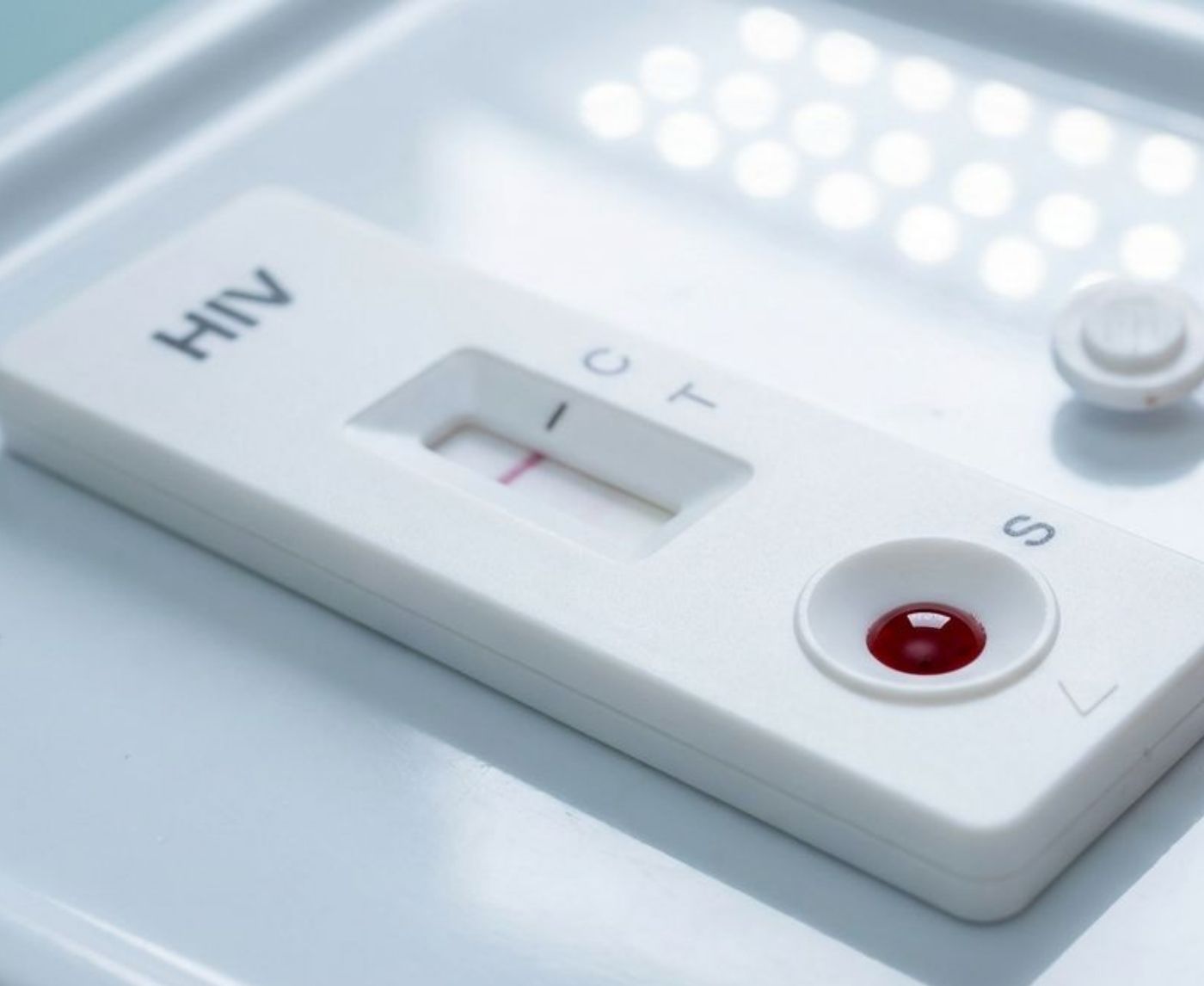
Quick Answer: The new HIV guidelines from the World Health Organization say that people who test positive should be diagnosed and treated right away. That makes at-home HIV testing more important than ever because it lets you find out your status quickly and privately before symptoms show up or get worse.
Who This Guide Is For (And Why It Matters)
This article is for anyone who’s ever felt uncertain about HIV testing, especially if you’ve delayed it because of fear, stigma, or lack of access. Maybe you’ve had a recent hookup and can’t stop thinking about it. Maybe you’re starting a new relationship and want to be sure. Or maybe a past risk keeps haunting your what-ifs. With WHO’s new guidance emphasizing the importance of early detection and treatment, now is the moment to take control of your health, on your own terms.
We’ll walk you through what an HIV test actually checks for, how long you should wait before testing, what options exist beyond clinics, and what to do if you test positive. We’ll also show how at-home HIV test kits fit into this new chapter of HIV prevention and care. Because testing isn’t a confession, it’s an act of care, for you and anyone you touch.
What Actually Counts as an HIV Test?
Not all HIV tests are the same. Depending on where and how you test, you may get a rapid test that looks for HIV antibodies or antigens, or a lab test that detects HIV RNA itself. The gold standard in many clinics is a fourth-generation Ag/Ab combo test, which can catch infections sooner than older antibody-only methods. NAAT (nucleic acid amplification test) is even more sensitive and can detect HIV in as little as 10 days post-exposure.
At-home options now include both rapid lateral flow tests (which you read in 15–20 minutes, similar to a pregnancy test) and mail-in lab kits. Rapid HIV self-tests use a small blood sample or oral fluid to look for antibodies. While they can’t catch the virus as early as RNA tests, they are accurate when used at the right time, typically 3 to 12 weeks after exposure.
To explore at-home options, visit STD Test Kits. You can order a discreet HIV test kit right here without leaving your house.
Understanding HIV’s Window Period
Here’s where most people get tripped up: the HIV window period. This is the time between potential exposure and when a test can reliably detect the virus or immune response. If you test too early, you could get a false negative even if you’ve been infected. The WHO’s new guidance emphasizes fast diagnosis, but only when the test is accurate. That’s why timing still matters.
| HIV Test Type | Sample | Detects | Window Period | When to Retest |
|---|---|---|---|---|
| HIV Antibody Rapid Test (At-Home) | Oral fluid or fingerstick | HIV antibodies | 3–12 weeks | 3 months if early exposure suspected |
| 4th Gen Ag/Ab Combo Test | Blood | p24 antigen + antibodies | 2–6 weeks | 6 weeks if high-risk |
| NAAT (RNA Test) | Blood (lab) | HIV RNA | 10–33 days | If exposure was very recent |
Figure 1. HIV test types and window periods. Use this to guide your testing timeline and retest decisions.
Rapid Test vs Lab Test: What WHO's Push for Early Diagnosis Means for You
WHO’s 2026 update puts pressure on global health systems to diagnose HIV earlier, and that includes supporting tools like self-tests that people can use without clinic access. But how do these tests compare? Let’s break it down from a user-first lens, not just a lab report.
Imagine you’re sitting in your parked car, fingers trembling as you open a rapid test. You want answers now. That kit gives you a result in minutes, but it can’t always catch very early infections. Now picture a lab-based test, dropped off by mail after a discreet collection. It takes a few days, but it can detect earlier stages of infection. Then there’s the clinic: more sensitive, sure, but for many, also more anxiety, more exposure, and more barriers.
| Test Method | Privacy | Speed | Accuracy | Best When |
|---|---|---|---|---|
| At-Home Rapid Test | High | 15–20 minutes | Moderate to high (after window) | You want privacy and immediate results |
| Mail-In Lab Kit | Very high | 1–5 days | High (often 4th gen or RNA) | You want early detection without clinic stress |
| Clinic-Based Test | Low to moderate | Same day to a few days | Very high | You need confirmatory testing or have symptoms |
Figure 2. Test method comparison for HIV screening. At-home tests offer control and convenience, while labs and clinics offer higher sensitivity for early-stage detection.
When to Test After a Possible HIV Exposure
Let’s say a condom broke last night, or you just found out a partner wasn’t monogamous. The panic is real, and so is the need to act. But testing right away isn’t always effective. Here’s what you need to know based on how much time has passed.
If it’s been fewer than 7 days, most rapid tests won’t pick up the infection yet. You can test, but it may come back negative even if you were infected. If you test between days 10 and 33 with an RNA test (usually only available via clinic or some mail-in labs), you have a shot at early detection. At 3–6 weeks, antigen/antibody combo tests can often catch it. For at-home tests, aim for 12 weeks post-exposure for the most reliable results, but you can take one earlier if anxiety is affecting your mental health, then follow up later.
This aligns with WHO’s emphasis on expanding testing access before symptoms appear, especially since early-stage HIV can feel like a flu or go completely unnoticed. The earlier you detect, the sooner treatment can begin, and early ART not only protects your immune system but also reduces transmission risk.
Still Unsure? Use These Tools to Check Your Risk
If you’re not sure whether you even need an HIV test, or if this one exposure was really “risky”, you’re not alone. Many people wrestle with whether their encounter was high risk or not, especially if no symptoms appear. That’s where guided tools can help.
Start with the STD Risk Checker Quiz. It walks you through exposure types, timing, symptoms, and transmission routes to help you determine whether HIV testing (or testing for other STDs) makes sense right now.
For timing clarity, visit the Window Periods Guide. It offers precise breakdowns for when to test after different types of encounters, from oral to anal, one-time to repeat exposure.
The bottom line: WHO’s guidelines are changing to reflect what many people already knew, testing should be faster, easier, and in your control. At-home options, used at the right time, help close the gap between risk and action.
When Symptoms Show Up (And Why You Can’t Rely on Them)
One of the most dangerous myths about HIV is that “you’ll know if you have it.” That’s simply not true. According to the CDC, early HIV often presents with vague flu-like symptoms, or none at all. That means people can unknowingly transmit the virus during its most infectious stage, all while assuming they’re fine.
Let’s look at how symptoms line up with the timeline of detection. Spoiler: symptoms don’t always mean much, but timing does.
| Timeline After Exposure | Possible Symptoms | Testing Reliability |
|---|---|---|
| 2–14 days | Fever, fatigue, sore throat, night sweats (acute HIV symptoms in some cases) | NAAT may detect virus; antibody tests likely still negative |
| 3–6 weeks | Most people feel normal; some may still feel flu-ish | 4th-gen combo tests begin to detect most cases |
| 6–12 weeks | No symptoms for many; virus continues replicating | Antibody-only tests (including most at-home kits) are most accurate |
| 3+ months | Still asymptomatic in many; others may start to feel recurring fatigue or lymph swelling | All tests should be reliable by this point |
Figure 3. HIV symptoms vs testing accuracy. Asymptomatic doesn’t mean uninfected, only a test can tell you for sure.
Should You Retest? What WHO's Guidelines Say About Monitoring
Even if your first test comes back negative, that doesn’t always mean you’re in the clear. The WHO recommends a retest after 90 days if your initial test was taken during the early window period. This is especially important if:
You tested before three weeks post-exposure, your partner’s status is unknown or confirmed positive, or you had unprotected sex and aren’t sure of timing. If you used a rapid test and the result was negative but you still feel off, do not ignore that. Retesting isn’t overkill, it’s clarity.
Also keep in mind: if you’ve tested positive, the WHO now supports initiating antiretroviral therapy (ART) as quickly as possible. That means the sooner you confirm your diagnosis, the sooner you can protect both your health and your partners.
Whether you’re waiting for peace of mind or a retest date, it helps to have the right tools on hand. Order a backup HIV test kit so you’re ready when the time comes, and never left guessing again.
If you’re looking for a starting point, this combo STD test kit screens for HIV and other common infections, giving you a broader picture in one go. Because HIV rarely travels alone, and your health deserves the full view.
FAQs
- 1. Can HIV show up in just a few days?
- Kind of, but not reliably. A few people get flu-like symptoms (fever, sore throat, swollen glands) about 2 weeks in, but many feel completely normal. You can’t count on symptoms to tell you the truth. Only a test can. Think of it like this: HIV doesn’t always make noise when it shows up, it just moves in quietly.
- 2. How soon is “too soon” to test for HIV at home?
- If you test within the first 2–3 weeks, there’s a decent chance the result could miss the infection. Most at-home tests look for antibodies, which take time to build up. For peace of mind, wait at least 90 days after a risk. Or, test once early and again later, especially if your anxiety won’t let it go.
- 3. Is oral sex really a risk for HIV?
- Lower risk? Yes. No risk? No. Especially if there’s blood, sores, or ejaculation involved. We’ve seen people shrug it off because “it was just oral,” and then they end up shocked later. Bottom line: if you’re unsure, it’s safer to test than guess.
- 4. I tested negative but I’m still worried. Should I retest?
- Totally valid. If your test was early (within 6 weeks), or if you’ve had new exposures since, a follow-up test is smart. WHO even recommends it now. There’s no shame in double-checking, there’s only clarity.
- 5. Do I need symptoms to take an HIV test?
- Absolutely not. In fact, most new infections are found in people who feel completely fine. At-home tests are designed for exactly this, when you want to know, even if your body’s not sending red flags.
- 6. What happens if I test positive?
- First: breathe. Then confirm with a second test. After that, treatment can start immediately, and that’s a good thing. WHO now recommends starting meds right away. With modern ART, many people reach undetectable levels and live long, full lives. You’re not alone. You’re not dirty. You’re just human, and now, you’re in charge of what happens next.
- 7. Can taking PrEP or PEP mess with test results?
- It can, depending on when and what kind of test you’re taking. PrEP and PEP might delay antibody production, which means some at-home tests could miss it. If you’re on these meds, lab testing (especially RNA-based) is your best bet. Talk to a provider if you’re unsure.
- 8. I saw a faint line, does that mean positive?
- Yep, probably. Even a barely-there line should be treated as a positive until proven otherwise. Get a follow-up test, ideally a different type, so you know for sure. Better to confirm than to ignore it and risk further spread.
- 9. Can HIV spread through kissing?
- Nope. Not through saliva, sharing drinks, or casual contact. You’d need blood, semen, vaginal fluid, or rectal fluid. So kiss away, just don’t let myths keep you scared of intimacy that isn’t risky.
- 10. Do I really have to tell my partner?
- That’s a personal call, but also a public health one. Some places require it legally, others don’t. But emotionally? Most people prefer to know. And there are anonymous tools to help you do it safely. You deserve support, and so do they.
You Deserve Answers, Not Assumptions
The WHO’s new HIV guidelines reflect a powerful shift: fast testing, fast treatment, and fewer delays between fear and care. But that only works when the tools are in your hands. At-home HIV testing offers that power, especially if you’ve delayed testing due to stigma, cost, or fear of judgment.
Don’t wait and wonder, get the clarity you deserve. This at-home combo test kit checks for the most common STDs discreetly and quickly.
How We Sourced This Article: We combined current guidance from leading medical organizations with peer-reviewed research and lived-experience reporting to make this guide practical, compassionate, and accurate. In total, around fifteen references informed the writing; below, we’ve highlighted some of the most relevant and reader-friendly sources.
- WHO Releases Updated Recommendations on HIV Clinical Management
- About Genital Herpes (including HSV-1 often acquired in childhood through nonsexual contact) – CDC
- Neonatal Herpes Simplex Virus Infection – CDC MMWR (transmission during birth and from caregivers)
- STIs and Pregnancy (STIs passed from mother to infant) – CDC
- STIs Pass from Mother to Baby (nonsexual transmission) – U.S. Women’s Health