Why You Think It’s Herpes After Sex (But It Might Not Be)
Quick Answer: Herpes symptoms often show up 2–12 days after exposure and typically involve clusters of painful, fluid-filled blisters, not just a single bump. A rapid test can confirm what you're dealing with.

Quick Answer: Herpes symptoms often show up 2–12 days after exposure and typically involve clusters of painful, fluid-filled blisters, not just a single bump. Many cases mistaken for herpes turn out to be acne, ingrown hairs, or friction burns. A rapid test can confirm what you're dealing with.
Why This Panic Is So Common
Herpes is a master of anxiety. It’s the most searched-for STD in the world, often because its symptoms are confusing, delayed, and emotionally charged. Unlike other STDs that stay quiet, herpes simplex virus (HSV) has a flair for the dramatic, burning, blistering, tingling. But here’s the catch: that’s not always how it shows up.
In fact, many readers describe something that looks like a pimple or a rash after sex. And once the thought of herpes enters your mind, it sticks. That one bump suddenly becomes a threat, a secret, a possible permanent mark on your sexual history.
Case in point: Luis, 28, noticed a red bump near his groin two days after a casual encounter.
“It looked like a zit, but it didn’t feel like one,” he said. “I couldn’t sleep. I convinced myself it was herpes before even seeing a doctor.”
When Luis finally tested, it came back negative. The bump was an inflamed follicle, likely triggered by friction and sweat. But the mental toll was real. His story isn’t rare, it’s routine.
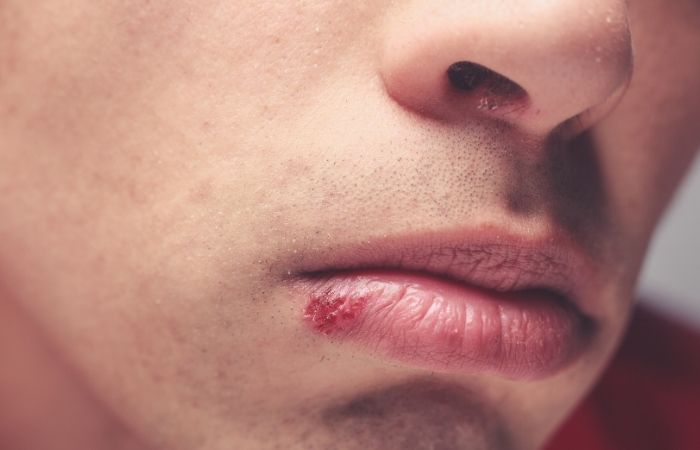
The Timeline Trap: What Herpes Actually Looks Like (And When)
One of the biggest reasons people assume they’ve caught herpes is bad timing. The anxiety kicks in fast, within 48 to 72 hours of sex. But the virus, if transmitted, doesn’t usually work that fast.
According to the CDC, the average incubation period for HSV-2 is 4–7 days, but it can range from 2 to 12. That means a bump that appears one or two days after sex probably isn’t herpes at all. It could be:
| Condition | Typical Timing | Key Clues |
|---|---|---|
| Hormonal Acne | Fluctuates with cycle or stress; not tied to sex | Hard, deep bump with no clear head; may last days |
| Ingrown Hair | Appears 1–3 days after shaving or friction | Red, painful bump; may have visible hair inside |
| Folliculitis | 24–48 hours post-gym, sex, or sweat buildup | Small red pimples with white heads; may be itchy |
| Herpes (HSV-2) | Usually 2–12 days after exposure | Clusters of fluid-filled blisters, painful, may crust over |
Figure 1. Symptom comparison timeline between herpes and common lookalikes. Knowing when something appears can help rule out false assumptions.
So if a bump appears within hours or a day of sex, that’s often too soon for herpes. The virus needs time to replicate and reach the surface. Rapid bumps are more likely your skin reacting to sweat, pressure, or your own grooming habits.
What Herpes Feels Like vs. What Acne Feels Like
When people say “it doesn’t feel like a normal pimple,” they’re often talking about either pain or sensation. Here’s where it gets tricky: many conditions can hurt, itch, or tingle. But the type of discomfort can be telling.
Herpes often starts with a strange sensation, tingling, itching, or burning, before the sores appear. That prodrome phase is a red flag. Then, small fluid-filled blisters form in clusters. They pop, crust, and heal over days to weeks.
Acne, on the other hand, tends to hurt when touched. It’s pressure-based, deep in the skin, and doesn’t come with burning unless infected. And it rarely clusters or weeps fluid.
Quick self-check: If the bump is solitary, hard, and hurts when squeezed but didn’t tingle before showing up, it’s likely not herpes.
But if you’re unsure, testing is the only way to really know. No mirror, Reddit thread, or friend opinion can replace that.
Why Photos Don’t Always Help
One of the first things people do after spotting a suspicious bump? Image search. But herpes photos online are often extreme, showing advanced outbreaks or textbook examples from medical slides. In real life, early or mild herpes can look deceptively subtle, like a mosquito bite, a razor nick, or even dry skin.
Meanwhile, photos of hormonal acne or folliculitis aren’t standardized either. A painful cyst near the groin might look identical to a herpes blister in early stages. The overlap is real, and the risk of misinterpreting what you see is high.
That’s why so many people spiral after googling. Your bump probably doesn’t look exactly like anything online, and that’s normal. Skin reacts differently for everyone, especially in high-friction, high-moisture zones like genitals or inner thighs.
If you're seeing just one or two red bumps, symmetrical or not, and there’s no clear fluid, ulceration, or crusting, it may not be herpes at all. Testing trumps guessing, always.
The Misdiagnosis Spiral
Casey, 24, had just started dating someone new when she noticed two itchy red bumps near her vulva after a weekend trip. She hadn’t shaved, hadn’t worn tight clothing, and had used condoms. Still, her mind went straight to herpes.
“They looked angry, like deep zits. I spent four hours online comparing photos. I was sure it was HSV-2,” she told us.
Casey saw a nurse practitioner who wasn’t sure and offered a swab. The results came back negative. A dermatologist later confirmed it was cystic acne triggered by hormonal stress, not an infection.
She lost a week of sleep and almost ended a new relationship over a skin condition she’d had before, just never in that location.
Her story is why we push for calm, clear timelines and smart testing, not panic-fueled assumptions.
Cluster vs Single: Patterns That Matter
One of the most consistent features of a herpes outbreak is the clustered appearance of blisters. Think: multiple tiny bumps in a tight area, often arranged in a line or group, and filled with clear fluid. They may rupture and become shallow ulcers before crusting over.
By contrast, acne or ingrown hairs typically appear as single, deeper bumps. They might be spread out, asymmetrical, or tied to one side of the body. Here’s how that looks in practice:
| Feature | Herpes | Hormonal Acne / Ingrown |
|---|---|---|
| Number of Lesions | Multiple (clustered blisters) | Single or a few (spaced out) |
| Fluid Inside | Clear fluid, often visible | None or pus-filled like a pimple |
| Pain Type | Burning, tingling, itching | Pressure, tenderness, no prodrome |
| Healing Pattern | Blisters → ulcers → scabs | Swelling → pop or flatten → fade |
| Location | Genitals, anus, thighs, mouth | Anywhere with hair or oil glands |
Figure 2. Key visual and sensory differences between herpes and common non-STD bumps. While not diagnostic, these patterns help guide next steps.
It’s important to remember: herpes doesn’t always follow the rules. Some people have just one sore, or none at all. But when it does show up, its pattern is usually distinct, if you know what to look for.
Don’t Guess, Test From Home
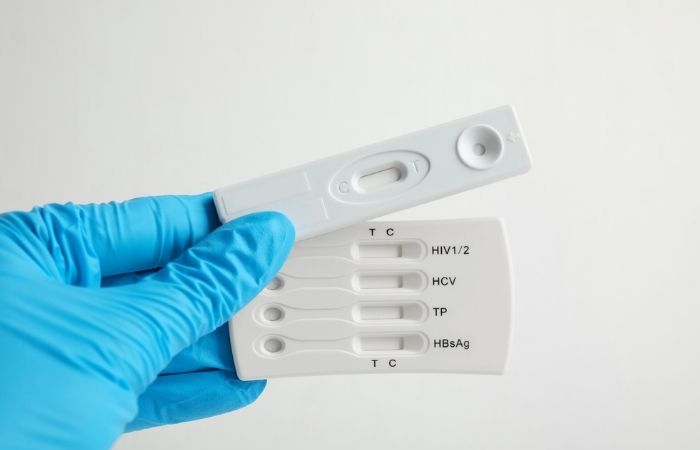
Whether you’ve got one bump or ten, peace of mind is better than spiraling. A rapid test can rule out or confirm herpes discreetly, no waiting room required.
If you’re not ready for a clinic, try an FDA-approved at-home option like the Herpes Test Kit. It takes minutes and gives clarity when your brain won’t stop spinning.
Remember: testing isn’t about shame, it’s about power. You deserve to know what’s happening with your body. No guessing. No doomscrolling. Just real answers.
Friction, Shaving, and Sweat: The Skin Stressors You Forgot About
Here’s the part no one talks about: your skin is doing a lot, especially after sex. Between heat, rubbing, sweat, latex, lube, and post-shave irritation, your genitals go through more than most faces on a bad skincare day. And all of those things can create bumps.
If you recently shaved (even a day or two before sex), friction can push a barely-there ingrown into full inflammation. Tight clothing, thongs, or damp underwear can make it worse. Add hormones, like the cortisol spike from sex or stress, and boom: you’ve got what looks like a herpes outbreak, but isn’t.
According to dermatology experts at the AAD, friction acne and folliculitis are common in the groin, buttocks, and thigh crease, exactly where herpes also appears. That overlap is what causes so many people to spiral.
The takeaway? A bump doesn’t equal an infection. Skin stress is real, and most people underestimate how sensitive their intimate areas can be, especially after a night of sweat and movement.
When to Test: Don’t Jump the Gun
We get it. You want answers now. But herpes tests have a window period just like other STDs. Testing too soon can give you a false sense of relief, or a false positive that sends you into a shame spiral unnecessarily.
Here’s how timing works:
- If you have symptoms: Swab tests (PCR) can detect herpes DNA from a fresh sore, ideally within 48 hours of appearance.
- If you don’t have symptoms: Blood tests (IgG antibodies) can be used, but they’re most accurate 12–16 weeks after exposure.
That’s a long time to wait if you’re anxious. But it doesn’t mean you can’t take steps sooner. Here’s a general testing timeline:
| Days Since Exposure | What’s Possible | Best Option |
|---|---|---|
| 0–3 Days | Too early for symptoms or antibodies | Wait and monitor skin; no test yet |
| 4–10 Days | Symptoms may appear (first outbreak) | Swab test if active sore is present |
| 14+ Days | Serologic (blood) tests possible | Still early; retest at 12+ weeks for certainty |
| 12+ Weeks | Antibodies detectable if infection occurred | Best time for IgG blood test |
Figure 3. Herpes testing window periods. Swabs are time-sensitive; blood tests require waiting for antibody development.
If your bump doesn’t follow the herpes pattern and you have no other symptoms, you might decide to wait and watch. But if it’s painful, clustered, or keeps recurring in the same spot, get it swabbed. Testing that sore is your best shot at clarity.
What You Can Do Right Now (Even If You’re Still Waiting)
If you're not ready to test or are waiting out the window, there are things you can do to ease the worry:
- Don’t pop or squeeze the bump. It’ll only irritate the area and may increase inflammation.
- Apply a warm compress once or twice a day to reduce pressure and redness.
- Switch to loose cotton underwear to minimize friction.
- Track symptoms daily. Did the bump multiply? Hurt more? Start crusting? Keep notes.
- Avoid shaving until the area has calmed down.
It’s okay to give your body a moment. Skin conditions often resolve on their own with basic care. But if things escalate, pain increases, sores spread, fever develops, get seen, even virtually.
And if peace of mind can’t wait, you can start with a Combo STD Test Kit to cover multiple possibilities in one go.
You Deserve Answers, Not Assumptions
We’ve been there, the dread, the doomscrolling, the checking in the mirror 17 times a day. The truth is, your body is sending signals, not accusations. And getting tested doesn’t mean something’s wrong. It means you care about your health and your future partners.
Don’t let one bump dictate your next week. STD Test Kits offers discreet, lab-accurate options you can use at home, on your terms. Whether you’re clearing doubts or confirming something real, you’ve got tools now.
And no matter the result, you’re still worthy, still normal, still in charge.
FAQs
- 1. Can one little bump really be herpes?
- Yeah, it can. But here’s the thing, most of the time, it’s not. Herpes usually comes in clusters of blisters, not solo pimples. If it’s just one bump, deep under the skin, no clear fluid, and it didn’t tingle or itch beforehand? Odds are, it’s something else, like an ingrown, cyst, or rogue hormonal zit.
- 2. How soon after sex do herpes symptoms show up?
- Not immediately. Herpes needs a few days to get going, typically 4 to 7, sometimes up to 12. If you’re seeing a bump the next morning? That’s probably not herpes. Think friction, razor burn, or a pimple getting revenge for last night’s sweaty marathon.
- 3. Could it be acne down there? That’s a thing?
- Oh, absolutely. Hormonal acne doesn't respect geography. You’ve got oil glands and hair follicles in your groin, butt, thighs, everywhere. Add sex, heat, sweat, and stress, and boom: welcome to breakout city, population you. Doesn’t mean it’s herpes.
- 4. I shaved before sex, can that cause herpes-like bumps?
- Big yes. Shaving opens pores and irritates follicles, which makes it easy for hair to get trapped and inflamed. Toss in some friction from sex or tight clothes, and those bumps can look suspicious as hell. They’re annoying, not contagious.
- 5. Does herpes always burn or itch?
- Not always. Some people get major discomfort before anything shows up, called a prodrome. Others? Totally silent. First-time outbreaks usually pack a punch, though, burning, itching, and painful blisters. If it just feels sore when you press on it, that’s more pimple than virus.
- 6. Can I even test for herpes if I don’t have a sore?
- You can, but timing matters. Swab tests need an active sore, fresh, not scabbed. Blood tests work later, like 12+ weeks post-exposure. If you test too early, you might get a false negative and stay stuck in limbo. Better to wait than waste a test.
- 7. Does herpes always come with fluid-filled blisters?
- Usually, yeah. Classic herpes looks like tiny blisters with clear fluid that pop and crust over. If what you’re seeing is dry, crusty, or filled with pus like a zit, it’s likely something else. But again, herpes is a trickster. When in doubt, test.
- 8. Why would herpes show up on my butt cheek or thigh?
- Because herpes follows nerves, not rules. It can show up wherever the virus made contact, genitals, anus, thighs, even lower back. One reader thought they had a spider bite. It was herpes. The body’s weird like that.
- 9. What does herpes actually feel like?
- People say it’s like a sunburn under the skin, tingly, hot, creepy. That feeling can come before any bump appears. If you’ve never felt that sensation, and your bump just… appeared? Might be something else entirely.
- 10. Can I treat it myself at home?
- If it’s mild, sure. Warm compresses, loose undies, and a little grace go a long way. But if it’s painful, spreading, or keeps coming back in the same spot, get it tested. Prescription antivirals can cut the healing time and help you move on with your life.
You’re Not Dirty, You’re Human
One bump can unravel your whole sense of calm. But the truth is, most people experience a post-sex scare at some point. Whether it’s acne, herpes, or something else, clarity beats anxiety every time.
Give your body the benefit of doubt, and yourself the grace to get real answers. You don’t need to spiral. You don’t need to guess. You just need to test when the time is right.
How We Sourced This Article: We combined current guidance from leading medical organizations with peer-reviewed research and lived-experience reporting to make this guide practical, compassionate, and accurate. In total, around fifteen references informed the writing; below, we’ve highlighted some of the most relevant and reader-friendly sources.