Cold Sore or Pimple? How to Tell (Before You Pop It)
Quick Answer: Cold sores can look like acne, especially in the early stages, but key differences include tingling or burning before the bump appears, faster progression to blistering, and clear fluid.
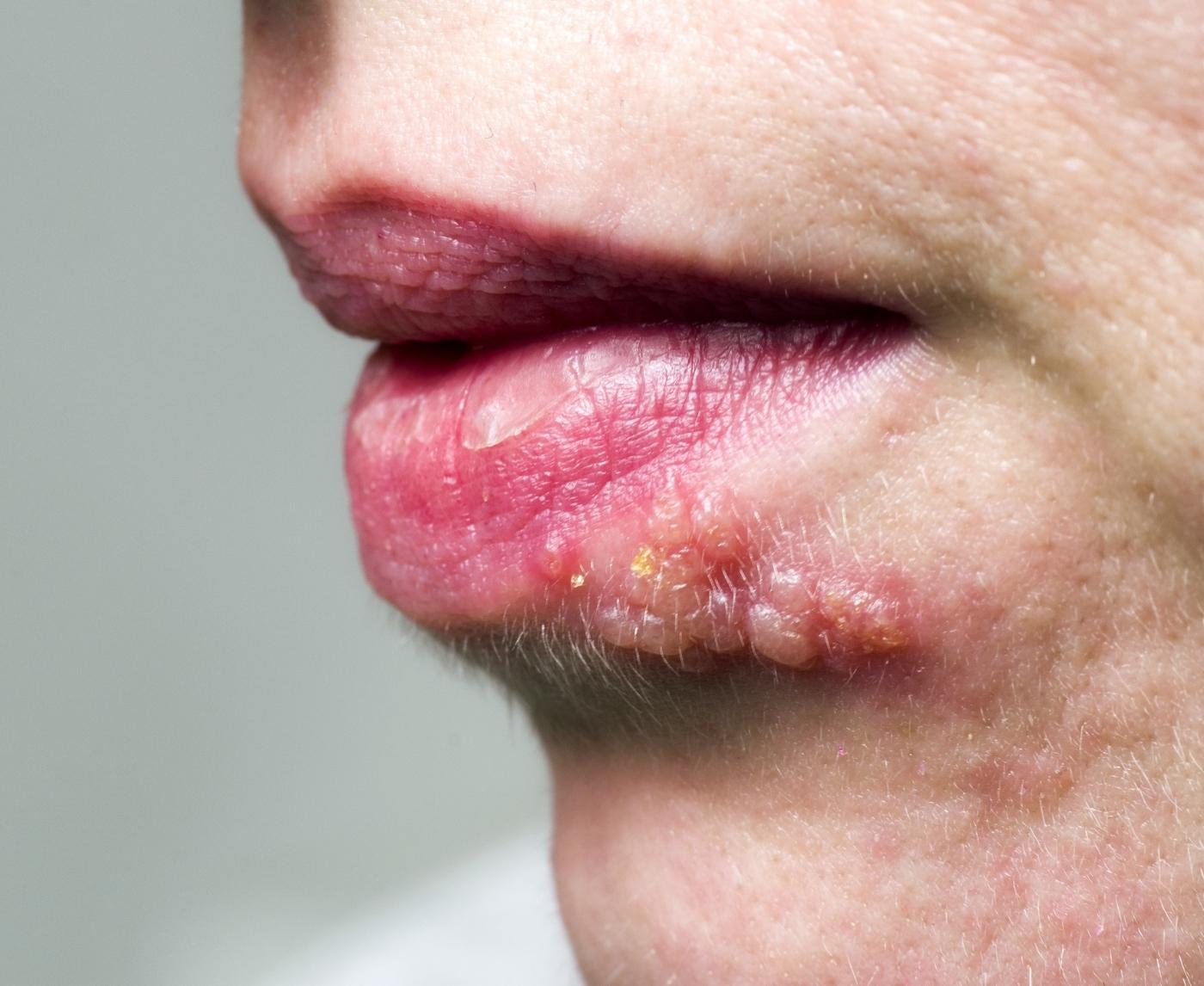
Quick Answer: Cold sores can look like acne, especially in the early stages, but key differences include tingling or burning before the bump appears, faster progression to blistering, and clear fluid. If you’re unsure, testing is the safest next step.
Why This Confusion Happens (And Why It Matters)
This article is for anyone who’s stared at a bump near their lip and wondered if it was more than just a breakout. Maybe you just had oral sex, maybe your partner gets cold sores “sometimes,” or maybe this bump just feels different, more tender, more swollen, or showing up out of nowhere when you haven’t changed your skincare routine.
Misreading a cold sore as a pimple isn’t just a minor cosmetic mistake. It can delay diagnosis, increase the risk of transmission to others, and prolong healing. It also opens the door to self-blame, shame, and a whole lot of “what-if” spiraling. We’re not here for that. We’re here to clarify what’s normal, what’s not, and what to do when your skin starts sending signals you weren’t expecting.
Let’s unpack how herpes can imitate acne, and what symptoms can help you tell the difference before you pop, pick, or panic.
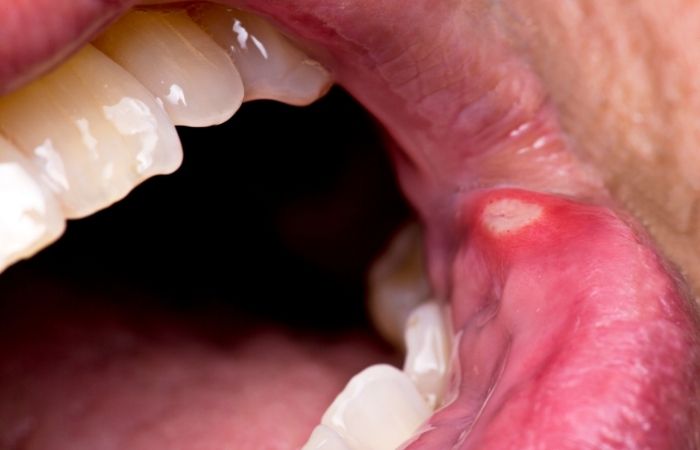
This Isn’t Just a Zit, Here’s Why
The early signs of a cold sore can be sneaky. That’s especially true for people who’ve never had an outbreak before. You might feel a strange tingling in the skin, a subtle itch, or a tightness near the lip or nose. Then a small, raised bump appears, maybe with a whitehead, maybe not. In the mirror, it could pass as a zit. But under the surface, it’s something entirely different: a viral reaction, not a clogged pore.
Compare that to acne. Pimples develop when oil, bacteria, and dead skin cells clog a follicle. They’re often triggered by hormones, stress, or skincare habits. Herpes, on the other hand, is a contagious virus that lives in the nerve endings and reactivates when triggered, by stress, illness, sun exposure, or even a bad night’s sleep.
Visually, both can show up as bumps. But the timeline, sensations, and behavior of the skin usually diverge fast. Here's a side-by-side comparison to make that clearer:
| Symptom | Cold Sore (Herpes) | Acne/Pimple |
|---|---|---|
| Initial Sensation | Tingling, burning, itching | Tightness or swelling |
| Onset | Sudden, often within 24–48 hours | Develops over several days |
| Appearance | Cluster of clear fluid-filled blisters | Single bump, sometimes with whitehead |
| Pain Level | Moderate to painful | Mild tenderness |
| Progression | Blisters → rupture → scab | Inflammation → pus → healing |
| Common Locations | Lips, edge of mouth, nose, chin | Forehead, cheeks, chin, jawline |
Table 1. Visual and symptom-based differences between cold sores and pimples.
When a “Zit” Turned Contagious
Niko, 28, noticed what looked like a small, inflamed bump near his lower lip after a camping trip with friends. He chalked it up to sunscreen or sleeping rough. “I even squeezed it, just a little, to see if it would pop,” he said. Within a day, it became more swollen and painful. Blisters appeared. That night, he kissed someone at a party.
“They texted me three days later asking if I had cold sores. I felt horrible. I honestly didn’t know.”
By the time Niko saw a clinician, it was a confirmed case of HSV-1. He now knows what those first signs feel like, and doesn’t mess around when they show up.
“It wasn’t about shame anymore. It was about responsibility. And not repeating that mistake.”
This is why clarity matters. Not for guilt, but for guidance.
Trigger Warning: Not Everything Causes a Cold Sore
One of the most damaging myths about herpes is that it only shows up after “risky” behavior. The truth? You can get oral herpes from a childhood kiss from a relative. You can carry the virus for years before your first outbreak. And outbreaks are often triggered by everyday stressors, like sunburn, a cold, your period, or even a big work deadline.
Acne also has its triggers: hormone changes, greasy skincare products, poor sleep, or diet shifts. But acne isn’t contagious. Herpes is. That’s a crucial distinction. Even if it looks like a pimple, if it’s caused by HSV-1 or HSV-2, it can be spread through close contact, especially kissing or oral sex. You won’t catch acne from anyone. Herpes? That’s another story.
If a bump keeps coming back in the same place, especially after periods of stress or sun exposure, it’s worth looking into. That recurrence pattern is a telltale sign of HSV.
How Long Do Cold Sores Last Compared to Pimples?
Another clue in the herpes vs acne confusion is timing. Pimples can last anywhere from 3 to 7 days, often drying out or shrinking after a few days, especially if treated. But cold sores follow a more distinct viral timeline:
| Stage | Cold Sore Timeline |
|---|---|
| Stage 1: Tingling & Burning | Day 1–2 |
| Stage 2: Bump & Blister | Day 2–4 |
| Stage 3: Weeping/Ulcer | Day 4–5 |
| Stage 4: Scabbing | Day 5–8 |
| Stage 5: Healing | Day 8–12 |
Table 2. Typical cold sore progression stages. If your bump follows this pattern, it’s less likely to be acne.
Unlike acne, which may fade without much fanfare, a cold sore usually follows a full arc, tingling, swelling, blistering, oozing, crusting, then healing. It’s uncomfortable. It’s visible. And it often comes with emotional stress. Knowing this pattern can help you step out of fear and into action.
Testing: When You’re Not Sure What’s On Your Face
Here’s the hard truth: there’s no way to know for sure if a bump is caused by herpes unless you get it tested. Even experienced dermatologists can’t always tell just by looking, especially if it’s your first outbreak or the bump has been picked at.
If the sore is still active (blistering or weeping), a swab test called PCR can confirm HSV-1 or HSV-2. If the sore is gone, a blood test can detect antibodies, but it may not tell you where the infection is (oral vs genital).
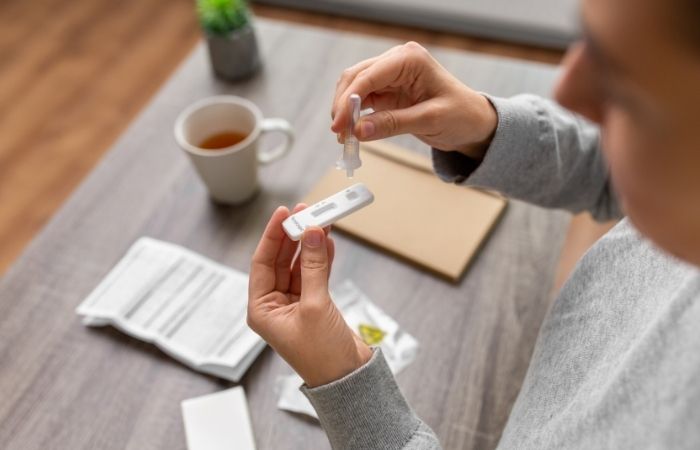
For those who can’t or don’t want to go to a clinic, an at-home herpes test kit offers a private, fast option. These tests are FDA-approved, discreetly shipped, and easy to use, ideal if you're in the confusion zone between “zit” and “something else.”
If you're tired of wondering every time a bump appears, getting tested may be the fastest route to relief.
Shame, Silence, and the Herpes “Zit” Trap
The overlap between herpes and acne isn’t just skin-deep. It hits emotionally, too. Most of us grew up with pimple shame, hiding breakouts with concealer, squeezing at mirrors, blaming junk food or dirty pillowcases. So when a cold sore shows up looking like a pimple, the instinct is the same: hide it, pop it, pretend it’s nothing.
But herpes hits different. It carries stigma, and that stigma thrives on silence. Many people delay testing or treatment because they “don’t want it to be herpes.” They tell themselves it’s just stress acne, just a weird zit, just one bump. That fear can keep people stuck in uncertainty for weeks, or years.
This isn’t about fearmongering. It’s about naming the pattern so you can break it. Every day you live in doubt is a day you’re carrying emotional weight you don’t need. Testing isn't just about diagnosis, it's about relief, closure, and reclaiming your narrative.
Talking to Partners (Without the Panic Spiral)
Imagine this: you kissed someone last week, and now there’s a blister on your lip. You’re spiraling. What if it’s herpes? What if you gave it to them? What if they gave it to you?
Slow down. First, not all cold sores mean you just got herpes. If it’s your first outbreak, it could be from years ago. Most people with HSV-1 were exposed in childhood. If it’s a recurrent outbreak, you’re likely not contagious outside of the blistering stage. And even if transmission did happen, it doesn’t make you reckless or dirty, it makes you human.
When talking to a partner, keep it simple and factual. You can say:
“Hey, I have a cold sore, and I’m checking to see if it’s herpes. Just wanted to keep you in the loop in case you notice anything too.”
How Misreading Symptoms Delays Healing
Let’s say your bump really was herpes. But you thought it was acne. So you popped it. Then you smeared it with benzoyl peroxide, maybe some toothpaste, maybe picked at it again. Not only does this delay healing, it can spread the virus to other areas of your face or hands, especially if you touch the sore and then rub your eye or shave over it.
This isn’t about blame. This is about prevention. The sooner you know it’s herpes, the sooner you can:
- Start antiviral medication (which shortens outbreaks)
- Protect others with barrier precautions (like avoiding oral sex or kissing during outbreaks)
- Reduce recurrence by managing your triggers (stress, sun, etc.)
Knowledge doesn’t just help you cope. It helps you prevent. And that’s a form of care, for you, and for whoever you might be intimate with next.
FAQs
- 1. Can cold sores really look like zits?
- 100%, yes, and that’s exactly why so many people mistake them. In the beginning, a cold sore can just look like a small, inflamed bump. No blister, no crust, no drama. It’s not until a day or two later that it starts to change. If it tingles first and then gets angrier fast, herpes should be on your radar.
- 2. How can I tell the difference without freaking out?
- Deep breath. Look for patterns, not panic. Cold sores usually tingle or burn before showing up, often in the same spot each time. They can feel tighter or itchier than acne, and they move quickly, blistering in a day or two. If you’ve ever said “this pimple feels weird,” that’s your clue.
- 3. I popped it. Now what?
- No shame. Most people try to squeeze first, Google second. If it was a cold sore, popping it won’t cure it, it might spread it, especially if you touch your eyes or shave the area. Clean it gently, wash your hands, and keep an eye out for blistering. If it gets worse or you’re unsure, test. That’s not overreacting, that’s being smart.
- 4. Do cold sores always hurt?
- Not always. Some people get full-on fire blisters, others feel a tiny tingle and that’s it. The first outbreak is usually the worst, but after that, it’s unpredictable. Don’t wait for pain to take it seriously, go by what feels off for your body.
- 5. I’ve never had sex, can I still get oral herpes?
- Absolutely. This one trips people up. HSV-1 is often passed through casual childhood contact, like kissing a relative or sharing a drink. This virus doesn’t need sex to spread. So yes, you can be a virgin and still get a cold sore. Doesn’t mean you did anything wrong.
- 6. Can acne show up on your lips too?
- Technically, yes, but it’s rare. Most pimples stay near the lip line or jaw. If the bump is on the lip, or blisters fast, herpes is more likely. Also, acne doesn’t usually feel like it’s buzzing under your skin. Herpes can.
- 7. How long should I wait before getting tested?
- If the bump is new and hasn’t blistered yet, a swab test is best, ideally within 48 hours of symptoms. If the sore has already healed, wait a couple of weeks and try a blood test for HSV antibodies. Or skip the wait and grab an at-home herpes test. Super discreet, no awkward waiting rooms.
- 8. Is it herpes if it only happened once?
- It could be. Some people only have one noticeable outbreak their whole life. Others have occasional flare-ups when stressed or sunburned. The virus doesn’t need to be loud to exist. If your “zit” came and went in a weird way, testing once is better than wondering forever.
- 9. What if my partner gets cold sores, should I worry?
- Not necessarily, but talk about it. If they get cold sores, that’s HSV-1. It can be passed during kissing or oral sex, especially when there’s an active sore. Using protection, avoiding contact during outbreaks, and honest convos go a long way. No need to avoid intimacy, just approach it with clarity.
- 10. What’s the worst that could happen if I ignore it?
- Besides the mental stress? You could unknowingly pass it to someone else, especially through oral sex. And if it’s not herpes but something else (like impetigo or MRSA), you might miss a chance to treat it early. Either way, avoiding the mirror doesn’t change the bump. Knowing what it is puts the power back in your hands.
You Deserve Answers, Not Assumptions
It’s easy to second-guess yourself when a weird bump shows up. Is it a zit? Razor burn? A reaction? Or something more? Herpes can look like a dozen different things, and that’s exactly why people miss it. But ignoring it doesn’t make it go away.
You don’t need to panic. You just need to know. And we’re here to help you do that, privately, quickly, and without the shame spiral.
Don’t wait and wonder, get the clarity you deserve. This at-home combo test kit checks for the most common STDs discreetly and quickly.
How We Sourced This Article: We combined current guidance from leading medical organizations with peer-reviewed research and lived-experience reporting to make this guide practical, compassionate, and accurate. In total, around fifteen references informed the writing; below, we’ve highlighted six of the most relevant and reader-friendly sources. Every external link in this article was checked to ensure it leads to a reputable destination and opens in a new tab, so you can verify claims without losing your place.