How a Cold Sore Kiss Nearly Blinded a Toddler, and What It Means for Herpes Testing
Quick Answer: The viral herpes infection in this case (HSV-1) was transmitted through a simple kiss, underscoring that cold sores are highly contagious, even outside of sexual contact. But you might be contagious.
Quick Answer: The viral herpes infection in this case (HSV-1) was transmitted through a simple kiss, underscoring that cold sores are highly contagious, even outside of sexual contact. At-home herpes tests are available for adults who may be unknowingly carrying HSV-1 or HSV-2, but they're not designed for detecting active eye infections or diagnosing children. Still, testing can reduce silent transmission risks within families and intimate circles.
Who This Guide Is For (And Why It Matters)
This article is for anyone who thought cold sores were harmless, anyone who’s kissed a baby while nursing a tingling lip, and anyone who’s lived with oral herpes in silence. It’s also for caregivers, new parents, and adults navigating the uncomfortable question: “Could I have herpes and not know it?” If you’ve ever noticed a sore after stress, sun exposure, or illness, and shrugged it off, you’re not alone. But you might be contagious.
We’re here to clear the confusion and strip the shame. Herpes doesn’t only affect people who’ve had sex. It’s a skin-to-skin virus that can cause lifelong symptoms, silent shedding, or in rare cases like the toddler’s, severe complications. This guide will help you understand what herpes testing can (and can’t) detect, when to test, how at-home kits work, and how to protect those you love.
What Actually Counts as a Herpes Test?
Let’s start with what herpes testing actually means. For both HSV-1 (commonly oral herpes) and HSV-2 (more often genital), the main test types are:
A swab of a visible sore (PCR or culture), a blood test looking for HSV antibodies (IgG), or a less common antigen test. The most common testing for herpes in at-home kits is the IgG antibody test, which detects whether your immune system has been exposed to the virus, meaning it can only confirm past infection, not a current outbreak.
According to the CDC’s herpes testing guidelines, routine testing for herpes isn’t recommended unless you have symptoms or a known exposure. But here’s the twist: most people with HSV-1 or HSV-2 have no idea they carry it. So testing may still matter for those who want to avoid unknowingly passing it on, especially in relationships or caregiving roles.
You can explore test options at STD Test Kits, including antibody-based home kits. You can order a discreet kit here if you’re concerned about past exposure or want clarity before a new partner or close contact with vulnerable individuals.
Window Periods: What to Know for Each STD
With herpes, the timing of your test matters. This is called the “window period”, the time between exposure and when the virus is detectable by tests. For HSV-1 and HSV-2 antibody tests, this can be frustratingly long: your body may not produce detectable antibodies for up to 12–16 weeks. That means a negative result before then isn’t a full green light.
And unlike STDs like chlamydia or gonorrhea, herpes can shed asymptomatically. That means you can be contagious even without sores. That’s why it’s important to test not just for peace of mind, but for informed prevention.
| STD | Common Test Type | Sample | Typical Window Period | When Accuracy Peaks |
|---|---|---|---|---|
| HSV-1 / HSV-2 | Antibody (IgG) | Blood | 3–12 weeks | 16+ weeks |
| Chlamydia | NAAT/PCR | Urine or swab | 7–14 days | 14+ days |
| Gonorrhea | NAAT/PCR | Urine or swab | 7–14 days | 14+ days |
| Syphilis | Antibody (treponemal) | Blood | 3–6 weeks | 6–12 weeks |
Figure 1. Approximate window periods by STD type. Always follow up with a second test if symptoms appear or if exposure was recent.
Rapid Test vs Lab Test: Pros, Cons, and Tradeoffs
Imagine this: You just noticed a sore on your lip after a stressful week. You’re about to visit your niece. Should you test? And what kind? Here’s where rapid and lab-based tests differ.
At-home herpes rapid tests (like those from STD Rapid Test Kits) offer quick results in minutes and can detect antibodies to HSV-1 or HSV-2. But if you’re in the early stages of infection, you might get a false negative. That’s where lab-based IgG testing can help, especially 12 weeks or more after suspected exposure.
Meanwhile, if you have a visible sore, getting it swabbed by a healthcare provider during the active phase offers the most accurate diagnosis. Unfortunately, this is rarely available via mail-in kits, making in-clinic care the better fit for current outbreaks.
| Method | Privacy | Speed | Sensitivity/Accuracy | Good Fit When |
|---|---|---|---|---|
| At-Home Rapid | Very high | Minutes | Moderate | Past exposure, routine screening |
| Mail-In Lab | High | 1–5 days | High | Antibody check >12 weeks after risk |
| Clinic Visit | Moderate | Same day to few days | Very high | Active symptoms or immediate care needed |
Figure 2. Comparison of herpes testing options by need and accuracy.
When to Test After Exposure to Herpes
If someone kissed you while they had a cold sore, or if you kissed a child or partner during that familiar tingle, you might be wondering: Should I test now? The urge to check immediately is valid, but herpes doesn’t show up right away. If it’s been less than two weeks since contact, any antibody test may come back negative even if you’re infected.
Let’s break this down. If exposure happened within the last 1–2 days, testing won’t help yet. You’ll want to wait at least three weeks for antibodies to begin forming, with peak accuracy at 12–16 weeks. If you’ve had symptoms like tingling, burning, or a sore in the past few weeks, you may be able to test sooner with better reliability. But retesting is often recommended if your first result was early in the window period.
Consider this: A woman named Luisa, 33, shared her story on a herpes forum. She kissed a friend on the cheek despite a healing cold sore. A week later, she had a red patch and took a rapid test, negative. Three weeks later, her symptoms worsened. A retest came back positive for HSV-1. “I didn’t even think it was possible to pass it that way,” she wrote. But it was, and it changed her approach to testing and contact completely.
Do You Need to Retest? Here’s How to Know
Herpes doesn’t follow a single script. Some people test positive weeks after exposure. Others stay antibody-negative for months, especially if their immune system is slow to respond. And others may test once, see a negative result, and move on, never knowing they were shedding virus days later.
That’s why retesting is often part of the plan. If your first test was within 6 weeks of a possible exposure, experts recommend retesting at 12–16 weeks. If you were treated for something else but symptoms continue, consider rechecking. And if you’ve had unprotected contact with someone who has herpes, even without symptoms, retesting adds a layer of clarity.
One man, Darius, 28, said he tested at 5 weeks after a partner told him she’d had cold sores. “I just wanted to be sure,” he said. His test was negative. Three months later, a second test came back positive. “It was tough, but I felt more in control knowing the truth.”
Privacy, Shipping, and Discreet Support
When you’re anxious about a possible herpes exposure, the idea of walking into a clinic or waiting for lab results can feel unbearable. That’s where at-home testing fills a critical gap, especially when it’s discreet, fast, and private.
STD Test Kits ships in plain packaging with no external markings. You control when and where to take the test, and results come directly to you. There’s no data shared with insurance, no automatic reporting, and no questions asked. This is especially important for people navigating shame, partner trust issues, or caregiving dynamics, like the relatives in the toddler’s story, who may have no idea they were contagious.
If you need more than a result, some telehealth services offer follow-up consultations after a positive herpes test. For urgent symptoms or if the infection affects the eye, like in the toddler’s case, seek immediate medical attention. Herpes keratitis requires prescription antiviral medication and professional care.
What If You Test Positive?
A positive herpes result can feel devastating at first, but it doesn’t have to define you. About 50–80% of U.S. adults have HSV-1, often from childhood. Many never know it until they test. Testing positive simply means you’ve been exposed, it doesn’t predict outbreaks, severity, or transmission risks on its own.
The first step is understanding what kind of herpes you have. HSV-1 usually causes oral sores, while HSV-2 is more commonly genital. But either can affect either area. From there, you can learn your triggers, reduce transmission, and talk to partners with honesty. If needed, daily antiviral medication (like valacyclovir) can reduce outbreaks and shedding.
Sara, 40, said she only learned she had HSV-2 after a routine screening. “It shook me. I felt dirty. But once I read more, I realized it’s common, and manageable. I told my partner. He got tested. We talked, and we’re still together.”
Don’t let a diagnosis stop your life. If you want to test a partner or retest yourself post-treatment, you can use this herpes kit to take back control, quietly, confidently, from home.
Herpes in Children: What the Headlines Don't Always Explain
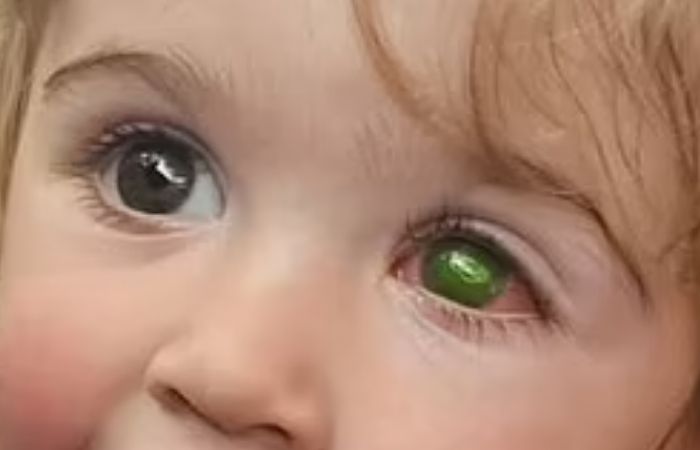
The story of a toddler nearly losing her eye to a cold sore isn't just rare and shocking, it's a chilling reminder that HSV-1 doesn’t care about age. And while most people associate herpes with adult sexual contact, many children contract herpes through innocent, everyday interactions: kisses from relatives, shared utensils, even being held close during an outbreak.
In children, herpes can behave differently. While many will only experience a mild oral sore or fever, some develop more serious complications. Herpes keratitis, like in the Daily Mail case, is a viral infection of the eye that can scar the cornea and threaten vision. In babies and immunocompromised kids, herpes can even cause encephalitis, a dangerous inflammation of the brain.
That’s why adults with cold sores need to treat them seriously, not with shame, but with care. Cover the sore, avoid kissing infants or sharing drinks, and wash your hands often. If you’re not sure whether you carry HSV-1, an at-home antibody test can give you answers. It won’t detect an active outbreak, but it will confirm past exposure, so you can act accordingly.
| Situation | Risk Level | Precaution |
|---|---|---|
| Kissing a baby while having a cold sore | High | Avoid entirely; HSV-1 can transmit through skin contact |
| Touching your own cold sore, then a child’s face | Medium | Wash hands thoroughly; avoid touching mucous membranes |
| Sharing utensils or cups with a child | Medium | Use separate dishes when cold sores are present |
| Holding or cuddling a child without visible sores | Low–Moderate (due to asymptomatic shedding) | Mask symptoms when possible; test if unsure of status |
Figure 3. How HSV-1 may transmit to children, and how to reduce the risk.
Why Most Adults Don’t Know They Have Herpes
It’s possible, likely, even, that someone who gave a child herpes had no idea they were contagious. That’s because most people with HSV-1 or HSV-2 never show symptoms, or mistake them for something else: a pimple, an ingrown hair, a canker sore, dry skin.
The virus hides in nerve cells and can reactivate during times of stress, illness, or sun exposure. That’s when people develop cold sores or genital outbreaks. But even without visible symptoms, the virus can shed through the skin and infect others. This is why knowing your status matters, especially if you’re a caregiver, pregnant, or immunocompromised.
There’s no shame in a herpes diagnosis. But there is risk in silence. At-home testing for herpes gives adults the ability to act, not just guess. It can protect partners, children, and peace of mind.
And in tragic cases like the toddler in the news, a single act, a kiss, might have had a different outcome if more adults understood that cold sores are herpes, and herpes can harm.
FAQs
- 1. Can you really get herpes from a kiss?
- Yes. That “just a cold sore” on someone’s lip? It’s herpes, HSV-1. If they kiss you (or your baby), that virus can hitch a ride. It doesn’t need to be sexual. It doesn’t even need to be visible sometimes. Skin-to-skin is enough.
- 2. Wait, so cold sores are herpes?
- Yep. That recurring little blister on your lip that shows up during stress, colds, or too much sun? That’s herpes. Most often HSV-1. It’s not a life sentence, but it is contagious. And yeah, it's the same virus that can be transmitted genitally too.
- 3. How do kids end up with herpes if it’s an STI?
- Because herpes doesn’t care about context. A grandma with a cold sore kisses her grandson. A cousin shares a popsicle. A parent wipes their mouth then touches the baby’s face. Boom, transmission. It’s not about shame, it’s about skin contact.
- 4. How dangerous is herpes for babies?
- For healthy adults, herpes is annoying. For babies? It can be dangerous. Some develop fevers or mouth sores. But in rare cases, it can infect the eyes or even the brain. That’s why cold sores and kids are a bad combo, especially infants under six months.
- 5. I’ve never had a cold sore. Could I still carry HSV-1?
- Definitely. Lots of people with HSV-1 never get visible outbreaks. You might’ve picked it up as a kid and never knew. The virus just chills in your nervous system and can still shed. That’s where testing comes in, it’s the only way to be sure.
- 6. What’s the difference between HSV-1 and HSV-2?
- HSV-1 is usually oral (cold sores), and HSV-2 is usually genital. But those lines blur fast. Oral sex can transfer either type to either location. That’s how someone ends up with “genital HSV-1” or “oral HSV-2.” Fun, right? The virus doesn’t care about categories.
- 7. Can I pass herpes even if I feel totally fine?
- Absolutely. That’s the kicker. It’s called asymptomatic shedding, and it’s sneakier than it sounds. You could have no sores, no symptoms, and still be contagious. This is why people who think they’re “clean” sometimes still pass herpes.
- 8. How accurate are those at-home herpes tests?
- Pretty solid, if you time them right. They look for antibodies, which your body makes after infection. But it takes time. Testing within a few weeks of exposure might miss it. Wait 12–16 weeks post-exposure for the clearest result. And don’t swab an active sore at home, see a doctor for that.
- 9. Should I tell someone if I have HSV-1?
- Yes, especially if you’re planning to kiss them or go down on them. A surprising number of people will say, “Oh yeah, me too.” Honesty makes space for real conversations. Plus, if they test positive later, they'll know it wasn't a mystery.
- 10. My kid has a sore near their eye. Could it be herpes?
- Possibly, and that’s not something to guess on. Eye herpes (herpes keratitis) can be serious. Call a doctor, fast. The earlier they treat it, the better the chances of protecting your child’s vision.
The Bottom Line: Cold Sores Aren’t Harmless
Most people grew up hearing the phrase “just a cold sore.” But “just” doesn’t apply when a child’s eye is at risk, or when an adult unknowingly passes HSV-1 to a partner. Cold sores are herpes. And herpes is common, complicated, and often undiagnosed.
You don’t need to panic. You don’t need to disappear into shame. But you do deserve clarity. A discreet at-home test for HSV-1 and HSV-2 could give you that clarity, whether you’ve had symptoms or not. Knowing your status is about more than you. It’s about protecting the people you care for.
How We Sourced This Article: We combined current guidance from leading medical organizations with peer-reviewed research and lived-experience reporting to make this guide practical, compassionate, and accurate. In total, around fifteen references informed the writing; below, we’ve highlighted some of the most relevant and reader-friendly sources.