Is Herpes the Worst STD to Have?
Quick Answer: Herpes is not the worst STD to have medically. While it can cause recurring sores and emotional stress, it rarely causes serious long-term health damage for most people. out of pure curiosity.
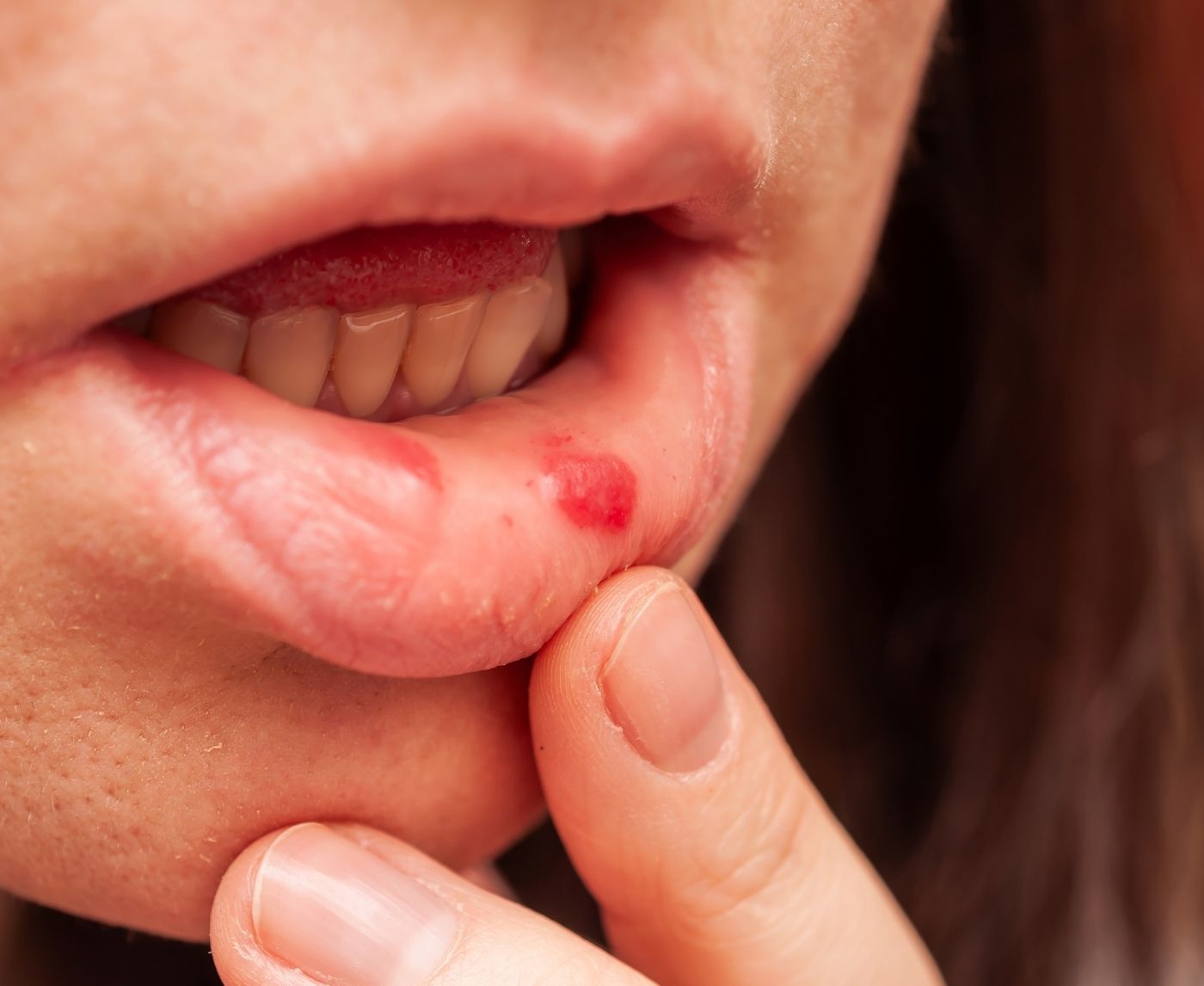
Quick Answer: Herpes is not the worst STD to have medically. While it can cause recurring sores and emotional stress, it rarely causes serious long-term health damage for most people. In fact, several other STDs, like untreated syphilis, HPV-related cancers, and HIV without treatment, can lead to far more serious complications.
The Question Everyone Googles at 2AM
People rarely search “Is herpes the worst STD to have?” out of pure curiosity. That question almost always comes from a moment of fear, after a new bump appears, after a risky hookup, or after a doctor says the word “HSV.”
The panic usually comes from what herpes represents culturally rather than what it does medically. Unlike infections like chlamydia or gonorrhea, herpes sticks around in the body. Once someone has it, the virus remains dormant in nerve cells and can reactivate later.
That permanence gives herpes a reputation that feels heavy. But permanence alone doesn’t make a disease the most dangerous one a person can get.
In reality, millions of people live completely normal lives with herpes. Relationships continue, sex continues, and outbreaks often become less frequent over time. Many people eventually forget about it most of the year.

How Common Herpes Actually Is
One of the biggest surprises for people newly diagnosed with herpes is learning how widespread it already is. Herpes isn’t rare. It’s quietly one of the most common viral infections in the world.
Two main types exist: HSV-1 and HSV-2. HSV-1 is commonly associated with oral herpes (cold sores), though it can also infect the genitals through oral sex. HSV-2 more commonly causes genital herpes.
But both viruses are incredibly widespread.
| Virus Type | Common Location | Estimated Global Prevalence |
|---|---|---|
| HSV-1 | Oral (cold sores), sometimes genital | ~67% of people under age 50 worldwide |
| HSV-2 | Primarily genital | ~13% of adults worldwide |
That means a huge portion of the global population already carries some form of herpes virus. Most people never realize it because they never develop noticeable symptoms.
Many infections are asymptomatic. Someone might carry HSV-1 for decades without ever noticing a cold sore, or they might mistake mild symptoms for irritation or ingrown hairs.
This is why herpes often spreads unknowingly. A partner can transmit the virus even if they feel completely fine.
Why Herpes Feels Worse Than It Is
From a medical point of view, herpes is under control. From an emotional point of view, it is a daunting diagnosis.
What’s creating that emotional response? It’s not the physical symptoms. It’s the stigma.
Herpes has long been portrayed as a “dirty” or “life-ruining” disease. In movies, comedies, and even some health campaigns, it has been depicted as a shameful disease.
However, being stigmatized is very different from being a medical risk.
Let’s think about what an actual herpes outbreak means for most people. The initial outbreak can mean painful blisters, flu-like symptoms, and fatigue. But subsequent outbreaks tend to be less severe and occur less frequently.
“People think it’s a lot worse than it is,” Alex explained. “I was diagnosed with HSV-2 when I was in my mid-twenties. I thought it was the end of my dating life. But honestly, it was the anxiety before I knew what it really meant.”
What Alex found out was that most people are already familiar with herpes. In fact, some people already have it.
Medical Reality: Comparing Herpes to Other STDs
When doctors talk about the “most dangerous” sexually transmitted infections, herpes usually isn’t at the top of the list. The infections that concern doctors the most are the ones that can cause organ damage, infertility, or life-threatening complications if untreated.
Herpes does not typically cause these outcomes in healthy adults.
| STD | Main Health Risks | Treatable or Curable? |
|---|---|---|
| Herpes (HSV-1 / HSV-2) | Recurring sores, viral persistence | Manageable but not curable |
| Chlamydia | Infertility if untreated | Curable with antibiotics |
| Syphilis | Organ damage, neurological disease | Curable if treated early |
| HPV | Genital warts, cervical and other cancers | No cure for virus, but vaccines exist |
| HIV | Immune system damage | Lifelong treatment required |
Notice something interesting here. Several infections that are medically more dangerous than herpes are also curable when caught early.
Untreated syphilis, for example, can eventually damage the brain, nerves, and heart. Untreated chlamydia can lead to infertility. Certain strains of HPV can cause cervical, anal, and throat cancers.
Herpes rarely causes those types of severe complications in otherwise healthy adults.
What Herpes Actually Does to the Body
Herpes is part of a group of viruses that will be in our bodies for the rest of our lives. After the initial infection, the virus travels to nerve cells and becomes dormant.
The virus is usually quiet, but sometimes it reactivates and travels back to the skin, causing an outbreak.
The symptoms of herpes are usually:
- Small fluid-filled blisters that will eventually open up
- Painful or itchy sensations in the genital or oral area
- Tingling sensations that occur just before the sores develop
- Flu-like symptoms during the initial outbreak
The symptoms of herpes will usually clear up in a week or two, and antiviral drugs like acyclovir, valacyclovir, and famciclovir can make the symptoms of an outbreak shorter and less frequent.
In some people, the symptoms of herpes will eventually disappear altogether.
When Herpes Can Be More Serious
Although herpes is generally under control, there are some circumstances under which herpes can be serious. For infants, herpes can be serious if passed during birth. This is called neonatal herpes and is rare but requires immediate medical attention.
For those with weakened immune systems, herpes can be more serious. For the average healthy adult, however, herpes is simply a skin infection with periodic outbreaks. Instead of debating about which STD is “worst,” experts tend to concentrate on something a bit more useful: how to identify and treat them. Many STDs don’t display any signs or symptoms during initial infection.
For example, a person can be infected with diseases such as chlamydia or gonorrhea without any idea that anything is wrong.
This is one of the reasons that regular testing is one of the biggest factors in sexual health.
For those who are confused about symptoms or risk factors, or simply want to know whether or not everything is okay, discreet testing is available to answer all your questions quickly.
With reliable STD Test Kits available to consumers, you can quickly determine whether your symptoms are from herpes or something less serious such as irritation or ingrown hairs.
For those who are particularly worried about herpes infection, discreet testing can help you identify whether or not your symptoms are from herpes or something less serious. Having accurate information is far less stressful than trying to research everything on the Internet.

Living With Herpes: What Life Actually Looks Like
One of the biggest fears people have after a herpes diagnosis is that their life will somehow shrink. They imagine future relationships becoming impossible, intimacy disappearing, or constant painful outbreaks.
But the long-term reality is usually far more ordinary than people expect.
Many people with herpes have normal dating lives, long-term partners, and healthy sex lives. Disclosure can feel intimidating at first, but studies show that honest conversations often lead to understanding rather than rejection.
“I thought no one would want to date me again,” said Sam, who learned they had genital herpes at age 27. “But when I started being open about it, most people were way more informed than I expected.”
In fact, because herpes is so common, there’s a good chance that future partners already have some form of HSV themselves, even if they’ve never been tested.
Over time, people usually learn their triggers, understand their body’s patterns, and realize that herpes is just one small piece of their overall health.
Why Herpes Carries So Much Stigma
In order to grasp the reason behind herpes being “the worst STD,” we must delve deeper than just medicine into the realm of culture.
The stigma attached to herpes began in the late twentieth century, particularly in the 1970s and 1980s. This was a period when STDs were heavily addressed by fear-based advertising campaigns intended to prevent people from engaging in risky sex.
These campaigns were successful in that people learned about herpes. Unfortunately, they also instilled a stigma that continues to affect the way people think about herpes today.
Unlike other STDs that are easily cured by antibiotics, herpes stays in your body for the rest of your life. This fact has contributed greatly to the ease by which herpes has become a target for jokes and fears.
The end result is that a relatively minor and extremely common virus has one of the most frightening reputations going. Many in the field of sexual health believe that herpes causes far less emotional pain than the stigma attached to it.
How Herpes Compares to the STDs Doctors Worry About Most
When physicians talk privately about which sexually transmitted infections they worry about most, herpes usually doesn’t top the list.
Instead, doctors often focus on infections that can cause silent damage if left untreated. Some STDs can affect fertility, organ function, or long-term health without obvious symptoms.
| Infection | Why Doctors Monitor It Closely | Possible Long-Term Effects |
|---|---|---|
| Chlamydia | Often silent for months | Pelvic inflammatory disease and infertility |
| HPV (high-risk strains) | Associated with several cancers | Cervical, throat, and anal cancers |
| Syphilis | Progresses through multiple stages | Neurological and cardiovascular damage |
| HIV | Attacks immune system | Chronic immune suppression without treatment |
These infections can cause significant medical complications if they go undiagnosed for long periods.
Herpes, on the other hand, typically causes localized symptoms, mainly skin lesions that heal on their own. While outbreaks can be uncomfortable, they rarely cause permanent damage.
That difference is why many doctors view herpes as more of a quality-of-life issue rather than a serious systemic disease.
The Role of Antiviral Medication
Antiviral medicines used today have greatly influenced the management of herpes.
Antiviral medicines like acyclovir and valacyclovir do not kill the herpes virus completely. Nevertheless, they greatly reduce the effects of herpes. Some individuals only take these drugs during herpes outbreaks, while others prefer daily antiviral therapy.
Daily antiviral therapy helps reduce the chances of infecting a partner by half. When used in conjunction with condoms, the chances reduce even further.
These methods have greatly influenced couples whose partners have herpes and whose partners do not have herpes. They have a healthy relationship without constant fear.
“When we learned the facts, our fear level went down a lot. We learned that herpes was something we could deal with, not something catastrophic.” This was said by Luis, whose partner has HSV-2.
How Herpes Spreads (And Why Many People Don’t Know They Have It)
Herpes is transmitted by skin-to-skin contact instead of by bodily fluids like other STDs. This means that it is possible for it to be transmitted by oral sex, genital sex, or even kissing for oral herpes.
The easiest time for herpes to be transmitted is during an active outbreak when a person has obvious signs of herpes. However, it is also possible for it to be transmitted during a time called asymptomatic shedding.
Asymptomatic shedding is when the virus is activated enough to be transmissible from the skin's surface but is not causing obvious symptoms. This is why a person can transmit herpes to a partner even if they are feeling perfectly healthy.
Because symptoms are not obvious or are absent altogether, it is possible for a person to have herpes for years without ever realizing it.
Testing and Getting Clear Answers
For people worried about herpes exposure, testing can bring clarity that endless internet searches never will.
Doctors usually diagnose herpes through two main methods. If sores are present, a swab test can detect the virus directly from the lesion. Blood tests can also detect antibodies that indicate past exposure to HSV.
Testing can sometimes feel intimidating, but knowing your status removes the uncertainty that fuels most of the fear surrounding STDs.
For people who want privacy, discreet testing options exist outside traditional clinics. At-home screening tools like the Genital & Oral Herpes At‑Home STD Test Kit allow individuals to check for multiple infections confidentially.
That kind of access can make a huge difference for people who might otherwise delay testing because of embarrassment or scheduling barriers.
When People Realize the Fear Was Bigger Than the Virus
People who have had herpes for a long time will tell you that the emotional shock at first was often worse than the physical symptoms.
People may feel overwhelmed at first because of everything they heard about herpes when they were younger. People's fear usually goes away once they learn how common and easy to control the virus is.
Many people find that herpes is not a big part of their life but a small, manageable one.
And that realization often brings us back to the first question: if herpes is so common and usually easy to deal with, why does it still have such a bad reputation?
The answer is more about social history and wrong information than medicine.
Can Herpes Ever Be Dangerous?
While herpes is not a serious medical problem for healthy adults, it is nonetheless important to understand that it is not entirely harmless.
In some circumstances, herpes may cause problems that need medical attention. These are rare, but they are why medical professionals take herpes infections seriously.
The most significant circumstance is during pregnancy and delivery. If a pregnant individual is having a herpes outbreak during delivery, the virus may be passed to the newborn. This is called neonatal herpes.
While it is rare, it is a significant concern for medical professionals. Pregnant women with herpes are monitored, and antiviral medication may be prescribed as a precautionary measure.
Another group of people who may experience a more severe case of herpes is those with a weakened immune system. People who are undergoing chemotherapy, are HIV-positive and untreated, and are on immunosuppressants may experience a greater number of herpes outbreaks.
While it is true that antiviral medication is prescribed for them, it is nonetheless worth noting that it is still a manageable case of herpes.
How Often Do Herpes Outbreaks Actually Happen?
One of the biggest misconceptions about herpes is that outbreaks happen constantly. In reality, the frequency of outbreaks varies widely between individuals.
The first outbreak is typically the most intense. After the body develops antibodies against the virus, symptoms usually become milder and less frequent.
| Stage of Infection | Typical Experience | Average Duration |
|---|---|---|
| First outbreak | Most noticeable symptoms, multiple sores, possible flu-like feelings | 10–21 days |
| Early years after infection | Occasional outbreaks triggered by stress, illness, or fatigue | 7–10 days |
| Later years | Outbreaks often become rare or mild | 3–7 days |
Some people experience only one outbreak in their lifetime. Others might have several outbreaks during the first year after infection before things stabilize.
Triggers can include illness, lack of sleep, stress, hormonal changes, or skin irritation. Once someone recognizes their personal triggers, they can often reduce the chances of future flare-ups.
Daily antiviral medication can also dramatically reduce how often outbreaks occur.
How People Manage Herpes Long-Term
The reality of living with herpes is all about learning a few practical strategies.
Some people have found that herpes outbreaks can become predictable. This is because, in some cases, there is an itching or tingling sensation that can occur before an outbreak. This is referred to as the prodrome phase.
The knowledge that an outbreak is about to happen can, therefore, enable an individual to begin antiviral drugs, thus reducing the severity and duration of an outbreak.
Some of the ways in which an individual can manage herpes in the long term include improving immune function, reducing stress, and avoiding triggers, such as friction during sex.
Communication is very important in cases where one partner in a couple has herpes and the other does not. This can be managed in that abstaining from sex during an outbreak and even when on antiviral drugs can prevent transmission.
There are couples who have been living with herpes for years without transmission.

Why the Internet Makes Herpes Sound Catastrophic
If you’ve ever searched herpes symptoms online, you’ve probably noticed that the results can feel terrifying. Images of severe outbreaks and dramatic warnings often dominate search results.
But those extreme cases are not typical experiences.
Medical websites tend to show the most visually obvious examples of herpes lesions because they are easier to photograph and diagnose. Mild outbreaks, like a single small sore, rarely appear in those galleries.
This creates a distorted perception of the virus.
Someone seeing their first mild outbreak might compare it to the most dramatic examples online and assume the worst.
In reality, many outbreaks are small, short-lived, and easily treated.
The Emotional Impact of a Herpes Diagnosis
However, even when the physical aspects are not a problem, the emotional impact of being told that they have herpes can be strong.
Shock, embarrassment, anger, and fear about how it might impact relationships are common emotions. These are all reasonable feelings. Sexual health is closely tied to identity, intimacy, and trust. Receiving news about a lifelong infection can be overwhelming.
“I remember thinking my life was over,” said Daniel, who contracted HSV-1 genitally in college. “But within a year, it honestly stopped being a big part of my life.”
There are many people who find that herpes is no longer a main issue in their lives. Education is a key factor in this. Once a person learns about how common the virus is and how easily outbreaks are controlled, the fear seems to go away.
What Doctors Usually Tell Newly Diagnosed Patients
When doctors discuss herpes with their patients, the discussion seems to center on three main realities.
- First, herpes is a common virus. There are a great number of people out there who don’t even realize they are infected. This means that even the best of relationships are not immune to the transmission of the virus.
- Second, the virus is not impossible to deal with. With the right medication and knowledge of what sets off the symptoms, the risk of transmission is significantly reduced.
- Third, the virus does not define a person’s health and value. Sexual health experts have said that the biggest problem for those suffering from the virus is not the virus itself, but the psychological impact.
This is why education and testing are so important. It helps to eliminate the fear that seems to develop when people are not educated on the virus.
So… Is Herpes the Worst STD to Have?
People usually want to know two things when they ask if herpes is the worst STD: how bad it is medically and how it makes them feel.
From a purely medical standpoint, herpes is not the most perilous sexually transmitted infection. It doesn't often cause permanent organ damage, infertility, or life-threatening illness in otherwise healthy adults.
But because it lasts a lifetime and has a social stigma, it feels much worse than infections that are actually more dangerous to your health.
The big difference between what people think and what really happens is what makes herpes so famous.
In other words, herpes can be the "worst STD" emotionally, even though it isn't the most serious one medically.
FAQs
- 1. Is herpes the worst STD to have medically?
- No, herpes is not usually considered the worst STD to have medically. Although it causes recurring infections that remain in your system for life, it rarely causes long-term damage to your health if you are a healthy adult. Other STDs that could cause more damage include untreated syphilis, untreated HIV, or HPV that is caused by cancer.
- 2. Can herpes kill you?
- Herpes rarely ever kills healthy adults. Although it has a chance to cause severe damage if you are a newborn or if your immune system is severely damaged, it is simply a skin disease for most people.
- 3. Is herpes worse than HIV?
- Yes, herpes is medically worse than HIV. HIV is a more serious medical problem because it damages your immune system and requires lifelong treatment. Herpes is simply a skin disease that doesn’t harm your immune system. However, if you are HIV-positive but receive proper treatment, you can live a long and healthy life despite having HIV.
- 4. Does herpes ruin your dating life?
- No, it doesn’t ruin your dating life if you are a healthy adult. Although it is a problem if you are a teenager, most adults who have herpes have normal relationships and dating lives.
- 5. How common is herpes?
- Herpes is extremely common worldwide. In fact, most adults are infected with HSV-1, which is the cause of cold sores.
- 6. How often do herpes outbreaks happen?
- The frequency of herpes outbreaks varies from person to person. Some people may experience several herpes outbreaks during the initial year of infection, while others may experience only one or two during their lifetime. In addition, herpes outbreaks may become less frequent and less severe over time.
- 7. Can you live a normal life with herpes?
- Yes, it is possible for a person with herpes to live a completely normal life. People with herpes are able to work, date, and have healthy relationships.
- 8. How do you know if you have herpes?
- Herpes sometimes causes groups of small blisters or sores, typically around the mouth or genital area. However, many people with herpes do not show any signs of the virus. A swab test of a sore and a blood test that determines whether a person has herpes antibodies are methods that a doctor may use to determine whether a person is infected with herpes.
- 9. Should you get tested if you think you were exposed?
- Yes, it is a good idea to get tested if you think you have been exposed to herpes. Many people are using discreet methods of testing for STDs, such as at-home STD testing kits.
- 10. Can I use at-home STD test kits to check if I’m infected by herpes?
- Yes, it is possible for you to use at-home STD test kits to determine whether you are infected by herpes. These kits will enable you to determine whether you are infected by herpes by doing a blood test.
You Deserve Facts, Not Fear
When people ask sexual health questions on the internet, they often get the worst possible answers. But the truth about herpes is much more balanced than the fear that many people feel when they first get the virus.
A lot of people have herpes. It's possible to handle. And for most people, it turns into a small health problem instead of a major life event.
That doesn't mean it's not important, but it does mean that a diagnosis doesn't usually change someone's ability to have relationships, be intimate, or have a healthy future.
If you're worried about symptoms or possible exposure, the best thing to do next is to get reliable information and think about getting tested. Knowing your status lets you move forward with confidence instead of doubt.
This article was made using peer-reviewed research, global health statistics, and clinical advice from well-known public health groups. Sources include epidemiological data from the Centers for Disease Control and Prevention, the World Health Organization, and medical advice from places like the Mayo Clinic and the NHS.