Still Positive for HPV After 2 Years? You’re Not Alone
Quick Answer: HPV can stay in the body for years, especially high-risk strains. While most clear within 2 years, some linger. You’re not contagious forever, and you’re not alone. You might have a cervix. You might not.
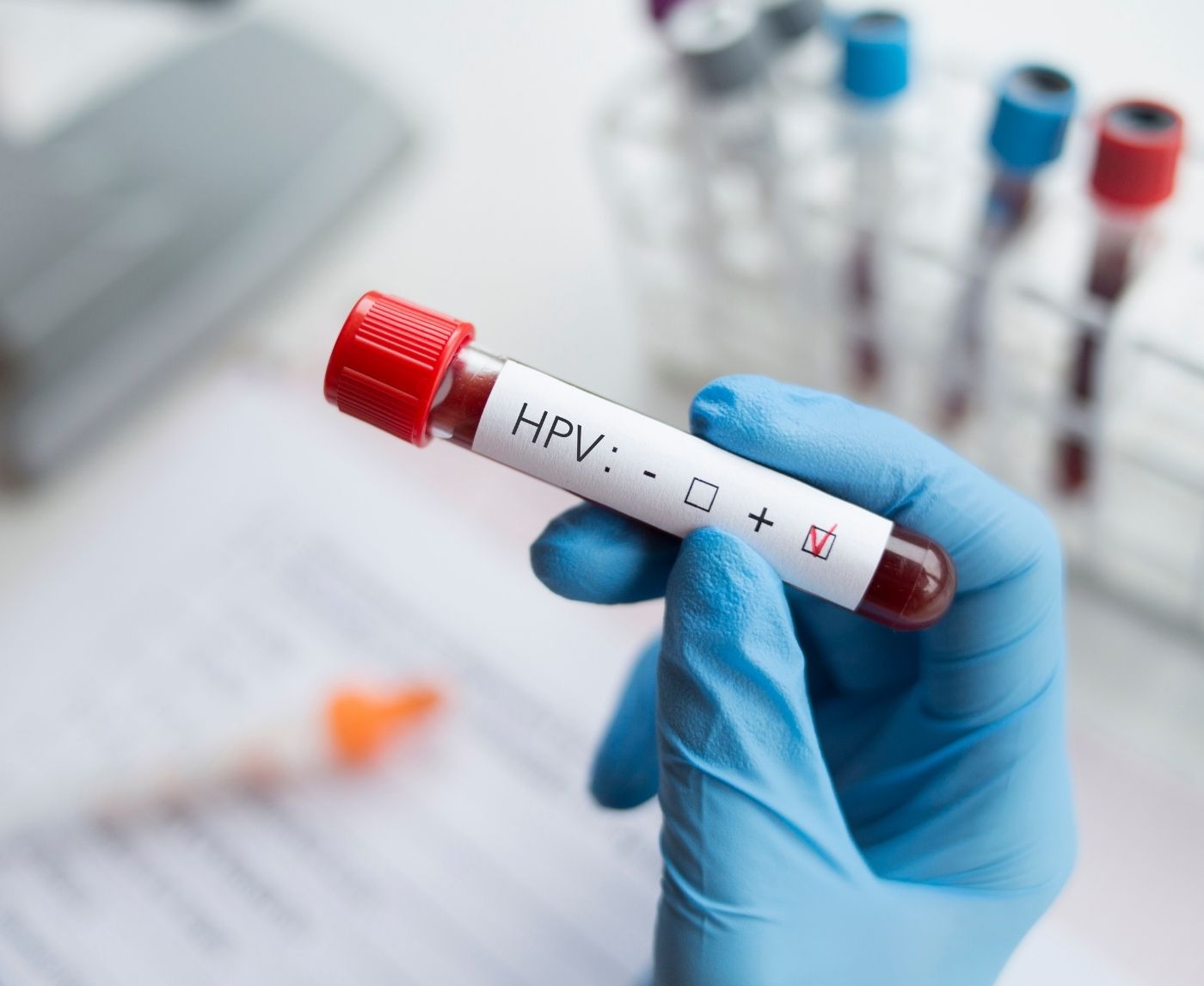
Quick Answer: HPV can stay in the body for years, especially high-risk strains. While most clear within 2 years, some linger. Follow-up testing, colposcopy, and self-sampling can help track persistent infections and rule out changes. You’re not contagious forever, and you’re not alone.
Who This Article Is For (And Why It Matters)
This is for the people who’ve been told “just wait.” For the ones who’ve had repeat tests come back positive with no follow-up plan. It’s for the person who saw “high-risk HPV” on a lab report and googled in silence for three hours. And it’s especially for those without symptoms, without answers, and without clear next steps.
You might have a cervix. You might not. You might be in a new relationship or navigating one that’s lasted a decade. What matters is that you deserve clarity without shame. That’s what this guide gives you: the facts, the timelines, and the truth about what persistence means, and what to do about it.
HPV: The Virus That Doesn’t Always Play Fair
Human papillomavirus (HPV) is the most common sexually transmitted infection on the planet. Most people get it. Most don’t know they have it. And most clear it within 6 to 24 months, especially if they’re under 30 and otherwise healthy. But around 10% of infections, particularly the high-risk strains like HPV 16 and 18, can hang around longer.
Unlike STDs with clear “start” and “stop” points, HPV behaves more like a slow burn. It can hide for years. It can reappear even after testing negative. And it doesn’t always cause warts or abnormal Pap smears. That’s part of what makes it so confusing, and so scary.
HPV isn’t one virus. It’s more than 100 types. Around 14 are considered high-risk for cervical, anal, or throat cancers. But even those don’t guarantee a cancer outcome. They just need closer watching.
Common Symptoms (And Why You Might Not Have Any)
Here’s the kicker: most people with HPV never develop symptoms. You can have it for years without knowing. That’s why regular screening matters, and why testing positive doesn’t mean you did anything wrong.
When symptoms do appear, they can vary depending on the strain:
| HPV Type | Possible Symptoms | Where They Show Up |
|---|---|---|
| Low-Risk (e.g., HPV 6 & 11) | Genital warts (flat, raised, cauliflower-shaped) | Vulva, penis, anus, cervix, or throat |
| High-Risk (e.g., HPV 16 & 18) | Usually asymptomatic; may lead to abnormal Pap | Cervix, anus, mouth/throat |
| Persistent HPV | Often no visible symptoms; risk comes from cellular changes | Cervical cells, anal canal, or oropharynx |
Figure 1: Types of HPV and where symptoms may appear (if at all).
So if you’ve had no warts, no discomfort, and a normal Pap test, that doesn’t mean you don’t have HPV. And if you do have symptoms like itching, discharge, or irregular bleeding, those could point to other infections, not necessarily HPV.
Why You’re Still Testing Positive After 2 Years
The short answer? Well, complicated. The long answer? HPV can hide out. It can hide out undetected by even the most subtle tests. And it can rear its ugly head under stress or illness or hormonal swing.
In fact, according to the Centers for Disease Control and Prevention, 90 percent of all cases of HPV go away on their own within two years. But not all of them do. And that's not necessarily because your immune system can't fight it off. It's just biology, messy as ever.
Well, here’s what could be happening:
- Persistent High-Risk Strains: Especially those of the human papillomavirus type 16 or 18, which are known to induce
- Reinfection from a Partner: Re-exposure to the virus is a possibility if both partners are infected, even if they are in a monogamous relationship
- Immunosuppression: Diabetes, HIV, or taking immunosuppressive drugs can affect the ability to clear the human papillomavirus
- False Negatives Earlier: You may have had it longer than you think, it just wasn’t detected
What to Ask Your Provider (And Yourself)
If you’ve had a persistent positive HPV test, it’s time to move beyond just retesting. These are the questions that matter now:
- Have I been tested for the exact HPV type? (Some labs test for 16/18 specifically)
- Do I need a colposcopy or just more frequent Pap tests?
- Could self-sampling be an option between clinic visits?
- Has my immune health changed in the last 2 years?
Remember: The goal isn’t just to “clear” HPV. It’s to make sure it isn’t causing precancerous changes, and if it is, to treat them early. Most changes resolve without ever turning into cancer.
If your provider isn't giving you clear answers, consider switching clinics, or advocate for a gynecologist familiar with HPV monitoring. You have the right to push for colposcopy, repeat testing, or referrals. Don’t wait in confusion.
STD Test Kits also offers discreet home testing for multiple STDs, and while HPV home testing is more limited, combining a self-test with routine care can offer peace of mind.
When to Retest for HPV (And Why Timing Matters)
If you’re still testing positive for HPV after 2 years, you’re likely already doing what most people are told: wait and watch. But that doesn’t mean doing nothing. The key is timing your follow-ups around your body's biology, not just a calendar date.
Here’s what most experts recommend, depending on your test history:
| Last Test Result | Next Step | When to Retest |
|---|---|---|
| HPV positive + normal Pap | Repeat HPV + Pap co-test | In 12 months |
| HPV positive + abnormal Pap | Colposcopy (biopsy of cervical cells) | Immediately or within 6 months |
| HPV 16 or 18 detected | Colposcopy regardless of Pap result | As soon as possible |
| 2+ years positive, no progression | Colposcopy or extended follow-up | Ask provider about long-term plan |
Figure 2. HPV follow-up based on co-testing results and time elapsed.
HPV doesn’t always progress to anything dangerous. But persistent high-risk types can lead to precancerous cell changes. That’s why retesting isn’t just about detection, it’s about protection.
Still confused? Use our Window Period Calculator to check when your next test makes the most sense based on exposure, age, and results.
Can You Test for HPV at Home?
Short answer: sometimes. Long answer: not all tests are created equal.
There are now FDA-approved self-collection options for cervical HPV testing. These allow you to collect a vaginal swab at home and mail it to a lab. They’re not the same as rapid tests that give results instantly, but they offer a discreet way to stay on top of your status without waiting for a clinic appointment.
Currently, most self-collection kits test only for high-risk types. They won’t tell you if you have low-risk strains that cause warts. But for long-term monitoring, they’re a game-changer, especially if you live in a rural area or have trouble accessing gynecological care.
Important: Not all at-home kits are approved in every state or country. Check with the testing company, or visit our recommended resource here: Combo STD Home Test Kit.
If your head is spinning, peace of mind is one test away. You don’t have to wait for symptoms, or a crisis, to take control.
What to Do About Your Partner (Or Future Ones)
HPV complicates conversations. It’s not “curable” in the traditional sense, and it’s hard to pinpoint exactly when someone got it. That can make disclosure feel murky. But honesty, grounded in facts, not fear, is powerful.
Here’s what to keep in mind:
- You don’t need to tell every past partner. HPV is so common it’s often not traced to any one person.
- You may want to tell current or new partners, especially if you’re dealing with high-risk HPV, or if you're managing visible symptoms like warts.
- HPV can pass through any kind of sex, vaginal, oral, anal, even skin-to-skin contact.
- Condoms reduce risk, but they don’t eliminate it entirely. HPV lives on skin outside condom coverage.
Not sure how to bring it up? Try this script:
“Hey, I found out I still have HPV. It’s super common and usually clears on its own, but I wanted you to know. I’m staying on top of my health, and I’d rather be open than leave you wondering.”
If that conversation feels impossible, you're not alone. Consider texting a version of it, or even sharing a link like this one. Knowledge really is power, and you deserve to have it on your side.
Should You Get the HPV Vaccine If You’re Already Positive?
Surprisingly, yes, in many cases, it’s still worth considering.
The HPV vaccine doesn’t treat existing infections, but it can protect you from other high-risk types that your body hasn’t encountered yet. Think of it like putting up extra firewalls. Most vaccines cover nine HPV types (Gardasil 9), including the ones most likely to cause cancer or warts.
The CDC recommends vaccination up to age 26, but adults between 27 and 45 can still get it based on risk factors and clinical judgment. If you have a cervix and persistent HPV, or if you have sex with partners of multiple genders, it's worth asking your provider.
There’s no shame in getting vaccinated later. You’re protecting your future self, and your partners. That’s always worth it.
What If HPV Sticks Around for 5+ Years?
If you’re still testing positive after five years, it’s natural to start spiraling. Am I contagious forever? Did I miss my “window” to clear it? Am I one of the unlucky few who just… never gets rid of it?
Breathe. Because here’s what the data shows:
Some high-risk HPV infections do persist for 5, 10, even 15 years, but persistence doesn’t always mean progression. According to long-term studies published in the Journal of the American Medical Association, most persistent infections never cause cancer. Instead, they stay dormant, watched by the immune system like a flickering pilot light.
But your risk for cellular changes does increase the longer the virus is active. That’s why colposcopies and biopsies matter, especially if your Pap results change, even slightly. You don’t need to panic. You do need to monitor.
Reminder: Even people with CIN-1 (mild cell changes) often revert to normal without treatment. And if treatment is needed, it’s highly effective. The goal is always early detection, not punishment.
The Emotional Toll of Persistent HPV
No one talks enough about this. What it feels like to still test positive after everyone said “it clears on its own.” To carry a virus you can’t see, can’t feel, but can’t seem to shake. To wonder if every hookup was a mistake, every missed vaccine an omen. This isn’t just a medical issue, it’s a mental health one.
You’re not being dramatic. Studies show that persistent HPV infections correlate with increased anxiety, shame, and relationship stress. That’s not because HPV is dangerous, it’s because we don’t talk about it honestly enough.
If you’ve found yourself withdrawing from partners, skipping tests, or obsessively googling HPV forums at 3 a.m., you’re not alone. And you’re not weak. You’re human. Shame thrives in silence. The more you name it, the less power it has.
Consider journaling your test history. Join an online support group. Ask your provider directly: “What’s the plan if I’m still positive in another year?” That question alone can shift everything.
Can You Get Reinfected With HPV?
Short answer: yes. Long answer: it’s complicated (again).
HPV reinfection can happen, but it’s often difficult to tell if it’s a brand new strain, a suppressed infection reactivating, or a result of partner exposure. Your immune system doesn’t always build lifelong immunity against every strain, especially with high-risk types.
That’s why testing, even years later, can still turn up “positive” after previous negatives. It might not be new. It might not be a partner’s fault. It might just be your body doing its best with a very common virus.
Key Point: If you’re in a monogamous relationship and both partners have HPV, you can still “ping-pong” certain strains. That’s not proof of cheating, it’s just biology.
Using protection consistently, keeping your immune system strong, and spacing out testing based on provider advice are your best tools for clarity, not blame.
Does HPV Ever Truly Go Away?
This is the question that haunts everyone. Here’s the truth:
Most of the time, yes, HPV clears. Your immune system suppresses it to undetectable levels. Some providers call this “clearance.” Others call it “latency.” Either way, the virus is inactive. You’re not contagious. You’re safe to move forward.
But for a small percentage, especially with high-risk types, it may remain dormant and reappear under certain conditions. That’s why long-term follow-up matters. But again: dormant ≠ dangerous. Most people never develop complications. And if they do, early detection prevents progression.
If you're still positive after years, you're not dirty. You're not broken. You're living with a virus that most people will get and clear without ever knowing. You're just one of the few who knows, and that knowledge is power, not punishment.
Feeling stuck? Return to STD Test Kits for discreet testing options, updated info, and judgment-free care.
FAQs
- 1. Does this mean I’ll always have HPV?
- Not necessarily. Think of HPV like a guest your immune system usually kicks out quietly. Most people clear it within 1 to 2 years, but sometimes it overstays. Even then, it might not be active. Your body can keep it suppressed, undetectable, and harmless for life. That’s not “forever infected.” That’s “forever protected” by your immune system doing its job.
- 2. Why is my HPV test still positive after all this time?
- There are a few reasons. Maybe your body hasn’t fully cleared it yet. Maybe the virus went dormant and flared up again. Maybe you were exposed to a new strain without knowing. The key takeaway? A persistent result doesn’t mean your body failed. It means your immune system is still in a long-term chess match with the virus, and that’s normal.
- 3. I have HPV but no symptoms, how is that possible?
- Totally possible. In fact, most people with HPV don’t have symptoms at all. No warts. No discomfort. Nothing. You could be carrying it right now and never know unless you were tested. That’s why regular screenings matter: because silence isn’t the same as safety.
- 4. Should I tell my partner?
- Here’s the truth: there’s no legal or moral mandate to tell every partner, but honesty builds trust. You could say: “HPV is super common. I tested positive, so I’m keeping an eye on it. Just wanted you to know.” That one sentence can turn fear into connection. Most people respond with a shrug, and a story of their own.
- 5. Can I give HPV to someone even if I’ve had it for years?
- It depends. If the virus is still active (meaning your test comes back positive), yes, there’s a chance. But if your immune system has cleared it or suppressed it fully, transmission risk drops significantly. This isn’t like chlamydia where antibiotics slam the door shut. It’s more nuanced. Skin-to-skin contact can still carry some risk, even years later.
- 6. Is there a treatment to make it go away faster?
- There’s no magic pill, sadly. But your body is the treatment. Most people clear HPV without ever needing intervention. That said, you can support your immune system: quit smoking, reduce stress, sleep better, get vaccinated (yep, even post-infection), and follow up on your Paps. It’s not sexy advice, but it’s what works.
- 7. Can I still get the HPV vaccine if I already tested positive?
- Yes, and you probably should. The vaccine doesn’t erase what’s already in your system, but it can protect you from other high-risk strains. It’s like locking the other doors in your house even if one window’s cracked. Most people under 26 are automatically eligible. Over 27? Ask your provider. It’s often still worth it.
- 8. Do men get tested for HPV?
- Usually, no. There’s no approved HPV screening test for men unless they have symptoms like warts or are in a high-risk group (like men who have sex with men or those with HIV). That doesn’t mean men can’t carry or spread HPV, they absolutely can. It just means we’re still catching up on testing equity.
- 9. Can I test for HPV at home?
- Kind of! Self-collection kits exist (you swab at home and send it to a lab), and they’re a great option if you can’t or don’t want to go to a clinic. These kits usually test for high-risk strains in people with cervixes. They don’t give instant results like a pregnancy test, but they do give peace of mind without the stirrups and awkward gowns.
- 10. Can stress make my HPV worse?
- Stress won’t create new viruses, but it absolutely affects your immune system. And since your immune system is what keeps HPV in check, yes, stress can give the virus a little more room to breathe. That doesn’t mean one bad week reactivates it. But chronic burnout, poor sleep, or illness? Those can shift things. Be gentle with your body. It’s working hard for you.
Before You Panic, Here’s What to Do Next
Being HPV positive for more than two years isn’t a life sentence. It’s an invitation, to monitor your health more closely, to advocate for yourself, and to stop blaming your body for being human.
If your provider doesn’t take your concerns seriously, find one who will. If you haven’t tested in a while, consider doing it from the privacy of home. If you’ve been holding your breath in shame, you can exhale now.
Don’t wait and wonder, get the clarity you deserve. This at-home combo test kit checks for the most common STDs discreetly and quickly.
How We Sourced This Article: We pulled from guidance by the Centers for Disease Control and Prevention, the World Health Organization, peer-reviewed journals like JAMA and The Lancet, and lived-experience stories shared on forums, sex-ed blogs, and support communities. This blend of clinical and emotional sourcing ensures the guide is accurate, relatable, and stigma-free. Every external link has been verified to open in a new tab and lead to a reputable resource.
- Planned Parenthood: What You Should Know About HPV
- Human Papillomavirus (HPV) Infection - STI Treatment Guidelines (CDC)
- Chapter 5: Human Papillomavirus (CDC Surveillance Manual)
- Updated Guidelines for Management of Cervical Cancer Screening Abnormalities (ACOG)
- Updated Cervical Cancer Screening Guidelines (ACOG)