STD Testing Costs in the US: What Every Option Actually Costs and How to Choose the Right One
STD testing in the US costs anywhere from $0 at a federally funded clinic to $600 or more at an urgent care center; once all the bills land, the price difference has almost nothing to do with the quality of the test.
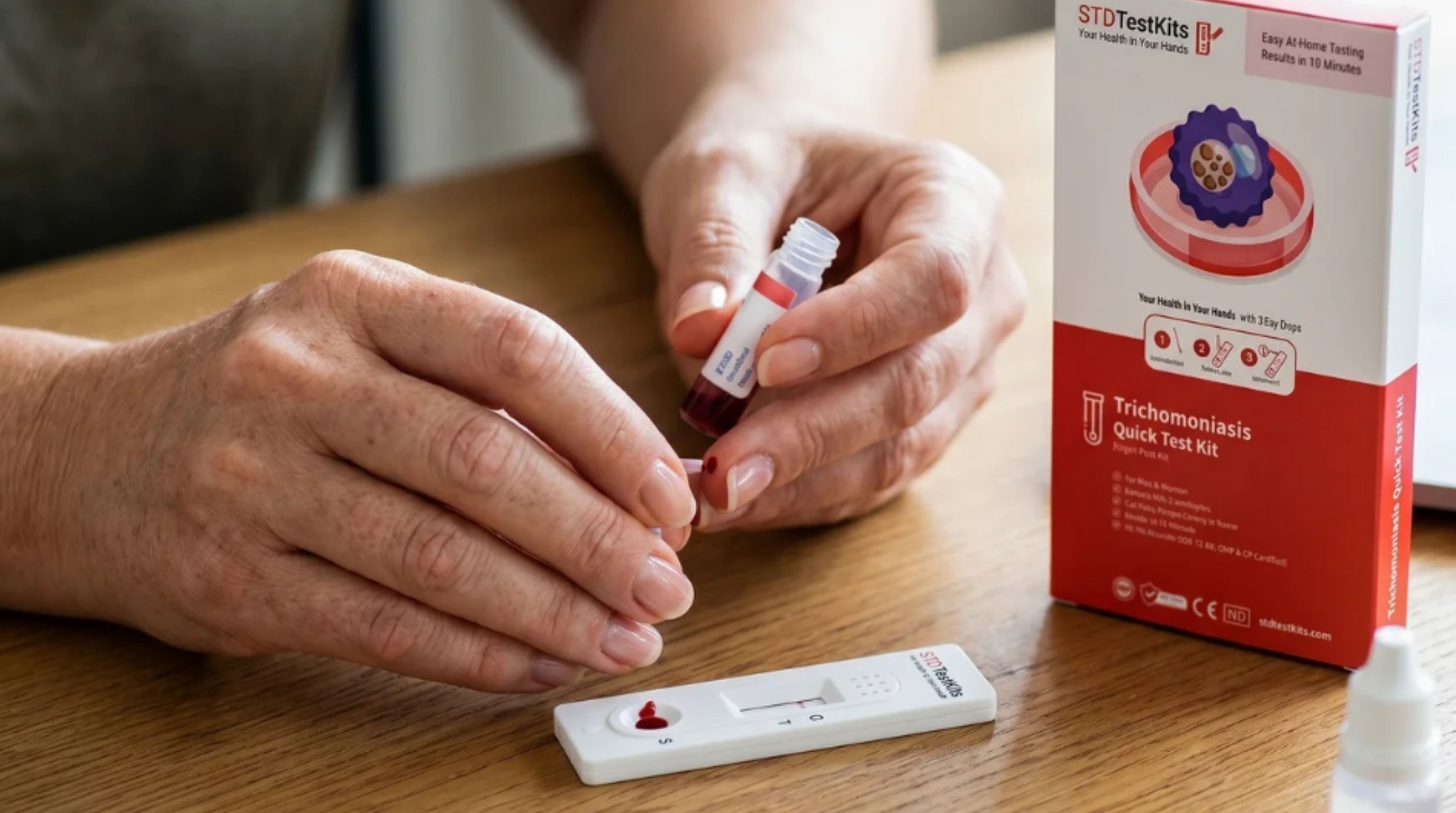
STD testing in the US costs anywhere from $0 at a federally funded clinic to $600 or more at an urgent care center; once all the bills land, the price difference has almost nothing to do with the quality of the test. According to the CDC's 2024 STI Surveillance data, more than 2.2 million cases of chlamydia, gonorrhea, and syphilis were reported in the US that year, a figure representing only diagnosed cases. The people who didn't test, often because of cost confusion or access barriers, aren't in that count. Understanding the actual cost landscape before you choose where to go can save you real money and, in many cases, spare you a surprise bill you never expected.

What's in This Guide
This pillar covers the full cost and access picture for STD testing in the US. Each section stands on its own, but the cluster articles linked throughout go deeper on every angle. Use the index below to jump to the section most relevant to your situation, or read straight through for the complete picture.
How much STD testing costs: the full landscape
Why you get a surprise bill, and how to avoid it
Does insurance cover STD testing?
Where to get tested for free or very low cost
Getting tested without insurance
At-home rapid test kits: cost, accuracy, and when they make sense
Using HSA and FSA accounts to reduce your cost
Which option is right for your situation: the decision framework
What it costs if you don't test
How Much Does STD Testing Cost in the US?
The honest answer is that STD testing in the US doesn't have a single price. It has a range, and that range is wide enough to be genuinely confusing. A chlamydia test that costs nothing at a county health department can run $150 at an urgent care center across town. A full eight-infection panel that runs $90 through an at-home rapid kit can push past $500 at a private clinic once the lab bill arrives. The price you're quoted at check-in and the total you actually pay are often two different numbers, and understanding why that gap exists is the first step to navigating it.
The US doesn't have one STD testing system. It has several, operating in parallel at completely different price points, funded differently, serving different populations, and delivering different experiences in terms of speed, privacy, and comprehensiveness. Most people only know about one or two of them. The table below maps the full landscape.
| Testing Route | Typical Out-of-Pocket Cost | Panel Scope | Privacy | Best For |
|---|---|---|---|---|
| County / Public Health Clinic | $0 – $40 (sliding scale) | Core 4: chlamydia, gonorrhea, syphilis, HIV | Confidential, no insurance record | Uninsured, income-limited, urban/suburban |
| FQHC / Community Health Center | $0 – $100 (income-based) | Core 4 + additional on request | Confidential, sliding-scale basis | Uninsured or underinsured anywhere in the US |
| Planned Parenthood | $0 – $150 (sliding scale)* | Broad; varies by location | Medical record; insurance optional | Insured and uninsured; sliding-scale income |
| Primary Care / OB-GYN (insured) | $0 – $30 copay (preventive) | Varies by provider order | Goes on insurance record / EOB | Insured patients with established provider |
| Urgent Care (uninsured, cash-pay) | $150 – $500+ once all bills land | Basic 4; comprehensive on request | Goes on record; insurance not required | Symptomatic patients needing same-day evaluation |
| Direct-to-Consumer Lab (Quest, STDcheck) | $30 – $200 | Flexible; single to full panel | No insurance involvement; discreet billing | Privacy-conscious; uninsured; near a lab draw site |
| At-Home Rapid Test Kit | $19 – $90 per kit | Single infection or combo panels | Full privacy; no insurance record; no billing | Rural, privacy-sensitive, urgent answer, repeat testers |
Three things stand out when you look at this table as a whole. The cost difference between the cheapest and most expensive route for the same test can be 10x or more. The most expensive options aren't necessarily the most comprehensive, a $400 urgent care visit often covers fewer infections than a $90 at-home combo kit. And privacy and cost frequently move together: the routes that protect your information most aggressively tend to also be among the cheapest. That's not a coincidence. It reflects how the US sexual health system is funded and structured.
*Note on Planned Parenthood: Federal Medicaid reimbursement to Planned Parenthood affiliates has been blocked under the 2025 Federal Budget Reconciliation Law in states where the provision is enforced. Some states have committed funding to fill this gap; others have not. Cash-pay and sliding-scale options at Planned Parenthood remain available regardless of insurance status, but Medicaid patients in affected states should call ahead to confirm coverage arrangements before visiting.
Why Do You Get a Surprise Bill After STD Testing?
You walk into an urgent care center, pay a self-pay rate at the counter, and leave feeling like you've handled it. Three weeks later, a bill arrives from a laboratory company you've never heard of. The amount is often larger than what you paid at the clinic. Welcome to the most common financial shock in US healthcare, and it's not exclusive to STD testing.
The surprise exists because clinic-based STD testing almost never involves a single charge. It typically involves three: the office visit fee, the laboratory processing fee, and occasionally a follow-up fee if your results require interpretation. Each of these can be billed separately by different entities. Your office visit is billed by the clinic. Your specimen is sent to an external laboratory for processing. That lab bills you directly, and it may not be in-network with your insurance, or if you're self-paying, the lab's rate may be entirely separate from the rate you were quoted at the counter.
Under the No Surprises Act, facilities are legally required to provide a Good Faith Estimate to self-pay patients before services are rendered. Most people don't know how to ask for one. If you're paying cash at any clinic, the single most effective thing you can do before samples are collected is ask: "Is this lab in-network? Will I receive a separate bill from a laboratory? Can I have a Good Faith Estimate in writing?" That 60-second conversation eliminates most surprise bills before they happen.
The billing code problem operates invisibly and catches insured patients off guard in a different way. When a doctor orders STD testing as part of a routine annual preventive exam, it's billed under a preventive care code, which means the ACA requires your insurance to cover it with no copay and no deductible. But if your conversation in the exam room drifts toward a specific concern, or if the visit is coded as a diagnostic evaluation rather than routine screening, the billing flips. Same office, same provider, same test, completely different financial outcome. Knowing this in advance lets you frame the appointment correctly: "I'd like my annual STD screening" rather than describing a symptom you're worried about.
Does Insurance Cover STD Testing?
The short answer is yes, with conditions that matter enormously. Under the Affordable Care Act, most private health insurance plans are required to cover STD screening as preventive care at no cost, no copay, no deductible application. This applies to chlamydia and gonorrhea screening for sexually active women under 25, syphilis screening for people at increased risk, and HIV screening for adults aged 15 to 65. On paper, that's substantial coverage. In practice, the "preventive" label is doing a lot of work, and there are three real-world complications that catch people by surprise.
The first is the diagnostic vs. preventive coding problem described above. The second is the Explanation of Benefits. Every time your insurance processes a claim, it sends an EOB to the primary policyholder, the person in whose name the plan is held. That document doesn't include your results, but it does include billing codes that are identifiable enough to reveal what you were tested for. If you're on a parent's, spouse's, or partner's plan and privacy matters, using that insurance is a real exposure risk. The EOB arrives regardless of how the conversation goes in the exam room. For anyone in this situation, the three privacy-preserving options are: pay entirely out of pocket, use a direct-to-consumer lab with discreet billing, or use an at-home rapid kit that generates no insurance record at all.
The third complication is Medicaid, which varies significantly by state. In the 40 states that have expanded Medicaid under the ACA, low-income adults generally have comprehensive coverage that includes STD screening. In the 10 non-expansion states, a significant population falls into a coverage gap, earning too much to qualify for restricted Medicaid eligibility, not enough to afford marketplace insurance. For people in that gap, the free clinic and sliding-scale options in the next section are the primary access point. Medicare Part B covers annual STD testing for eligible adults at increased risk, and HIV screening once a year for adults aged 15 to 65, though coverage conditions apply.
| Coverage Type | What's Covered | Key Condition | Privacy Implication |
|---|---|---|---|
| Private insurance (ACA-compliant) | Chlamydia, gonorrhea (women under 25), syphilis (at-risk), HIV (ages 15–65) | Must be billed as preventive, not diagnostic | EOB sent to primary policyholder |
| Medicaid (expansion states) | Broad STI screening; family planning services | Varies by state; Planned Parenthood access affected in some states | Medical record created; no EOB to a third party |
| Medicaid (non-expansion states) | Limited; coverage gaps exist for many low-income adults | Eligibility thresholds restrict access for many | Same as above, where eligible |
| Medicare Part B | Annual STI screening for at-risk adults; HIV screening ages 15–65 | At-risk designation required for full STI panel | Medical record created |
| No insurance | N/A, self-pay routes apply | Free clinic, FQHC, at-home kit, direct-to-consumer lab | No EOB; privacy depends on route chosen |
Where Can You Get Tested for Free or at Very Low Cost?
Free and sliding-scale STD testing exists in most parts of the US, and the network is more extensive than most people realize. The problem isn't that it doesn't exist; it's that the geography is uneven, and finding the right entry point isn't always obvious. Here's the full map of what's available and how each option actually works.
County and city public health departments are the most consistent source of free STD testing in the US. Nearly every county operates some form of sexual health clinic, often with walk-in hours and no appointment required. Testing for core infections, chlamydia, gonorrhea, syphilis, and HIV, is typically free or very low cost, funded by a combination of federal and local public health dollars. Results timelines vary from same-day for rapid HIV tests to several days for bacterial cultures. The CDC's GetTested locator finds the nearest public testing site by zip code in under a minute.
Federally Qualified Health Centers (FQHCs) are community health centers that receive federal funding specifically to provide care on a sliding-scale basis tied to income. There are over 1,400 FQHC organizations in the US operating roughly 15,000 service delivery sites, a footprint that reaches many rural and underserved areas that county health departments don't. By law, FQHCs cannot turn away patients based on ability to pay, and sliding-scale fees mean that many uninsured patients pay little or nothing. The Health Resources and Services Administration's online locator at findahealthcenter.hrsa.gov identifies the nearest FQHC by address.
AIDS Healthcare Foundation (AHF) clinics offer free HIV testing at numerous locations nationally, with some sites expanding to broader STI panels. These are particularly useful for anyone who wants rapid HIV results without an appointment or a fee.
The geographic reality of all these options is worth naming directly: this infrastructure is concentrated in cities and suburbs. If the nearest free clinic is an hour away, the transportation cost, time off work, and logistical barrier make "free" functionally expensive. For anyone in a rural area, or anyone for whom the clinic option isn't practical, an at-home rapid kit is often the most accessible and cost-effective route by a significant margin, and that gap is real and worth acknowledging.
For anyone for whom the clinic route isn't accessible, whether that's geography, hours, or simply not wanting a medical record, at-home rapid kits from STD Test Kits are a legitimate low-cost alternative in their own right, with transparent flat pricing and no surprise bills. A single-infection kit, for chlamydia, gonorrhea, syphilis, or HIV, starts at $18.99. For broader coverage, the 7-in-1 Complete STD Test Kit covers seven infections for $94.99, the 8-in-1 Complete STD Test Kit adds full herpes coverage for $109.99, and the Women's 10-in-1 STD Test Kit covers all ten infections for $124.99. One price, no lab bill, results in 20 minutes. If you have an HSA or FSA account, all kits are eligible expenses, and your real cost drops by your tax rate at checkout.
Getting Tested Without Insurance
Not having insurance doesn't mean putting your sexual health on pause. The assumption that STD testing requires a doctor's referral, a health insurance card, and a co-pay is one of the most persistent myths in American sexual health, and it keeps people from testing who genuinely have affordable options available to them. You're already reading the right article, so let's cover the actual landscape for uninsured adults.
The first question is cost tolerance and geographic access. If you're within a reasonable distance of a county health department or FQHC, and cost is the primary constraint, that's almost always the right first call. Testing is free or very low cost, results are confidential, and no insurance is required or involved. Call ahead to confirm what infections the clinic tests for, most cover chlamydia, gonorrhea, syphilis, and HIV, but may not include herpes or hepatitis without a specific request.
If you're in a rural area, if clinic hours don't work with your schedule, or if you want results faster than a clinic can provide, an at-home rapid kit is the most practical alternative. The cost is fixed and transparent, with no office visit fee, no lab processing bill, no follow-up charge. Results are in 20 minutes. For anyone who needs to test regularly, the annual economics of at-home kits versus cash-pay clinic visits favor the kits significantly.
Direct-to-consumer telehealth platforms, like STDcheck or similar services that use Quest Diagnostics or LabCorp draw sites, offer a middle path: lab-grade results, no doctor's visit required, transparent pricing, and no insurance involvement. You order online, visit a local draw site, and receive results digitally. Pricing for a comprehensive panel typically runs $100 to $200, more than at-home kits, but useful for anyone who specifically wants lab-certified results or needs to test for infections not yet covered by rapid kit formats.
According to the CDC's 2024 provisional surveillance data, cost and access barriers are among the leading reasons why STIs go undetected. The 2.2 million reported cases of chlamydia, gonorrhea, and syphilis that year represent diagnosed infections; the real burden is higher, because people who don't test don't show up in the data. That gap between reported and actual infection burden is, in part, a cost-of-access problem. Every realistic testing route is covered in depth in the companion article on affordable STD testing without insurance in the US.
At-Home Rapid Test Kits: Cost, Accuracy, and When They Make Sense
At-home rapid STD test kits have moved from niche to mainstream over the past several years, and for good reason. They solve four problems simultaneously: cost, privacy, speed, and access. Understanding what they actually offer, and where their limits are, lets you use them correctly rather than relying on them in situations where another option would serve you better.
A single-infection rapid kit for chlamydia, gonorrhea, syphilis, or HIV typically runs $19 to $35. A combo kit covering four to eight infections runs $40 to $90. Results arrive in about 20 minutes from a finger-prick blood sample or urine collection, depending on the kit. No appointment, no waiting room, no insurance involvement, no billing, no record. For anyone who tests regularly, after a new partner, quarterly, or as part of a consistent sexual health routine, the annual economics are compelling. Four at-home combo kit purchases covering seven infections cost roughly $160 to $360. Four equivalent urgent care cash-pay visits for a similar panel can run $600 to $1,200. That's before adding the time cost of clinic visits.
The accuracy question deserves a straight answer. Quality rapid immunoassay kits from established manufacturers run 97% to 99.7% accuracy, depending on the infection, figures comparable to many CLIA-certified lab tests. The critical variable isn't the test method; it's timing. Testing before the infection has produced enough detectable antibodies or antigens will produce a false negative, regardless of whether you're at home or in a clinic. The minimum windows below apply to both settings equally.
| Infection | Test From | Notes |
|---|---|---|
| Chlamydia | 14 days after exposure | Most commonly reported STI in the US; most infections have no symptoms |
| Gonorrhea | 3 weeks after exposure | Frequently co-occurs with chlamydia; rates declining but still high |
| Syphilis | 6 weeks after exposure | Congenital syphilis rose for the 12th consecutive year in 2024 |
| HIV | 6 weeks (first indicator); retest at 12 weeks for certainty | Two-stage timing matters, don't treat 6 weeks as a final answer |
| Herpes HSV-1 and HSV-2 | 6 weeks after exposure | Routinely excluded from standard clinic panels, request it specifically |
| Hepatitis B | 6 weeks after exposure | Vaccine-preventable; test if unvaccinated and exposed |
| Hepatitis C | 8–11 weeks after exposure | Longest window of any common STI; patience required before testing |
At-home kits are the right call in a clear set of situations: you're in a rural area without nearby clinic access, you need results faster than a lab can provide, you're on a shared insurance plan and privacy matters, you test regularly and want to manage cost, or you simply want to remove every logistical barrier between you and an answer. They're less ideal if you have active symptoms that may require clinical evaluation, or if you need documentation of results for a medical or legal purpose that requires lab certification.
Using HSA and FSA Accounts to Reduce Your Cost
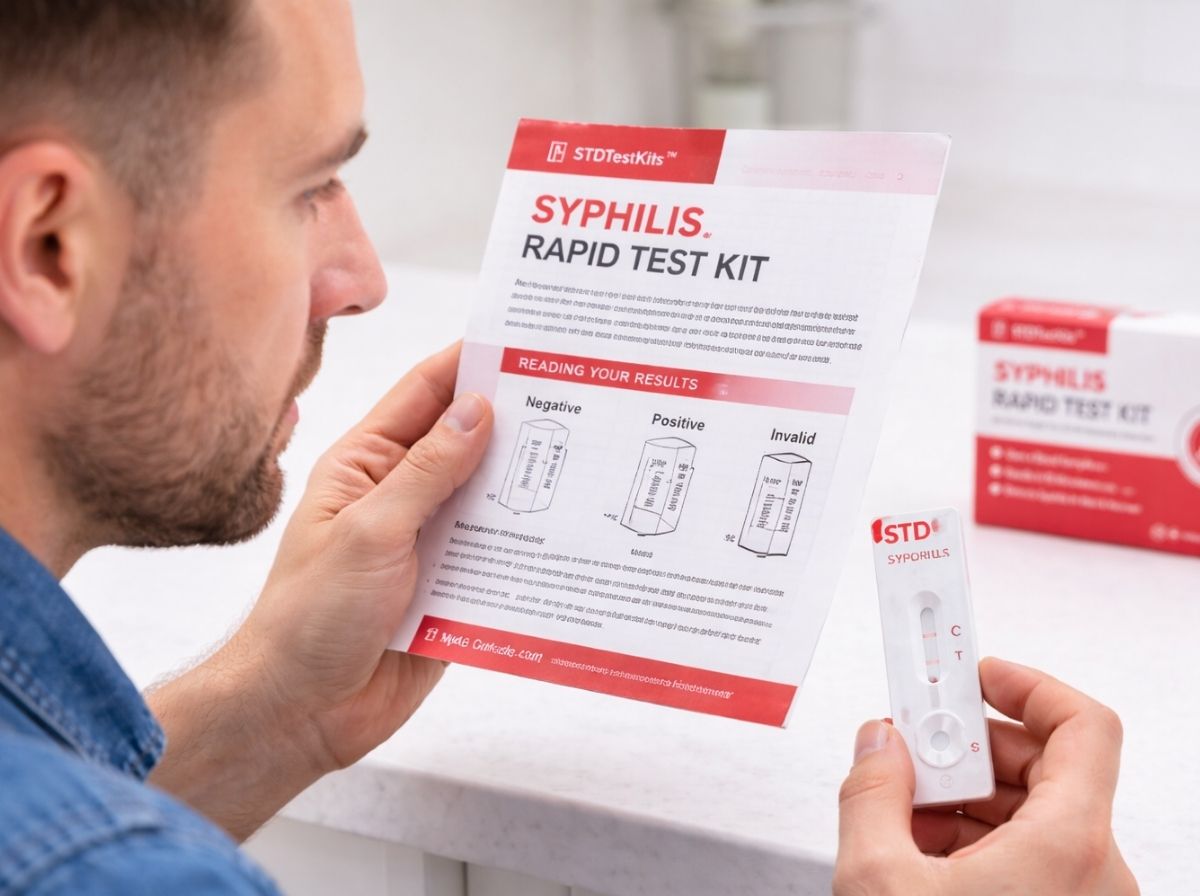
This is one of the most consistently underused cost tools available to employed Americans who have workplace health accounts, and it applies directly to at-home STD test kits. Health Savings Accounts (HSAs) and Flexible Spending Accounts (FSAs) allow you to pay for eligible medical expenses with pre-tax dollars, and according to IRS Publication 969, at-home STD tests qualify as eligible medical expenses under Section 213(d).
What this means in practice: if you're in the 22% federal tax bracket and you buy a $60 combo kit using HSA funds, your real out-of-pocket cost is closer to $47. At the 24% bracket, it drops to about $46. If your state also has income tax, the pre-tax benefit compounds. For someone testing quarterly over a year, the difference between paying retail and paying through an HSA adds up to meaningful savings, not transformative, but real money that most people leave on the table because they don't know the option exists.
HSA accounts require enrollment in a qualifying high-deductible health plan. FSA accounts are employer-offered and don't carry that requirement, but they have an annual use-it-or-lose-it expiration. If you have FSA funds approaching their deadline at year-end, at-home STD test kits are a completely legitimate and practical use of those funds. Most at-home kit providers, including the kits on this site, accept HSA and FSA cards directly at checkout; the transaction is identical to any other purchase.
Which STD Testing Option Is Right for Your Situation?
With seven distinct testing routes available, the right choice isn't a matter of preference, it narrows quickly once you know four things about your situation: your insurance status, your privacy requirements, your geographic access, and your timeline. The most common mistake people make is defaulting to urgent care because it feels official and immediate. It is almost always the most expensive option, frequently not the most comprehensive, and the one most likely to produce a surprise bill.
Here's how to map your situation to the right choice.
- You have insurance, and privacy isn't a concern. A primary care or OB-GYN visit billed as preventive care is likely your lowest or zero-cost option. Confirm in advance that your provider will code the visit as preventive rather than diagnostic, that phone call takes 60 seconds, and can be the difference between a $0 visit and a $200+ bill. Ask specifically: "If I come in for routine STD screening, will it be billed as preventive care?" If yes, go. If the answer is uncertain, reconsider.
- You have insurance, but you're on a shared plan and privacy matters. Avoid using that insurance entirely. The EOB goes to the primary policyholder regardless of the conversation in the exam room. Your options: a direct-to-consumer lab platform with discreet billing, cash-pay at a clinic that accepts uninsured patients, or an at-home rapid kit, the option with the most complete privacy, since it generates no billing, no record, and no document of any kind.
- You have no insurance, and cost is the primary constraint. A county health department or FQHC is the right first call. Free or sliding-scale, no appointment required at most locations, and no insurance involvement. Call ahead to confirm which infections are on the standard panel, and ask specifically for herpes testing if you want it, it's routinely excluded unless requested. The full directory of free and low-cost testing options by location is in the companion article on getting tested without insurance in the US.
- You have no insurance, and you're in a rural area or the nearest clinic isn't practical. An at-home rapid kit is both the most accessible and most cost-effective option. Fixed transparent pricing, results in 20 minutes, and the full range of infections covered in a single kit. No travel, no wait, no surprise bill.
- You're self-paying and want lab-certified results. A direct-to-consumer telehealth platform (using Quest or LabCorp draw sites) gives you lab-grade results at competitive pricing, typically $100 to $200 for a comprehensive panel, with no doctor's visit required and no insurance involvement. The detailed side-by-side comparison of what self-pay patients experience at each type of facility is in the article on self-pay STD testing and deciding what to test for.
| Your Situation | Best Route | Why |
|---|---|---|
| Insured, privacy not a concern | Primary care (preventive billing confirmed) | Free under ACA preventive rules; most thorough clinical option |
| Insured, on shared plan, privacy matters | At-home rapid kit or direct-to-consumer lab | No EOB generated; full privacy; no insurance trail |
| Uninsured, urban/suburban, cost is primary | County clinic or FQHC | Free or sliding-scale; core infections covered; no insurance required |
| Uninsured, rural, or clinic is not accessible | At-home rapid kit | Most accessible option; fixed cost; full-panel combos available |
| Self-pay, need lab-certified results | Direct-to-consumer telehealth lab | Lab-grade results; no doctor visit; transparent pricing |
| No doctor guiding panel selection | 7-in-1 or 8-in-1 combo kit | Covers the 7 infections most likely to be missed; one flat price |
| Testing regularly (quarterly or more) | At-home rapid kit subscription or bulk purchase | Annual cost significantly lower than equivalent clinic visits |
You're deciding what to include on your panel and have no doctor guiding you. For most situations involving a new partner or unprotected sex, the right panel covers seven infections: chlamydia, gonorrhea, syphilis, HIV, herpes HSV-2, hepatitis B, and hepatitis C. These are the infections most likely to be present, most likely to cause no symptoms, and most consequential if missed. The full decision framework for building the right panel for your specific exposure history is in the article on self-pay STD testing: how to decide what to test for.
What Does It Actually Cost If You Don't Test?
Almost every conversation about STD testing frames cost as a barrier. Fewer frame it as the cheaper side of a comparison. That's worth correcting, because the downstream economics of an untreated infection are substantially worse than the cost of any test on this list, by orders of magnitude.
Untreated chlamydia in women can progress to pelvic inflammatory disease. A single course of antibiotics for early-stage PID costs $30 to $50. Hospitalization for complicated PID involving abscess drainage runs into thousands. Downstream fertility treatment for PID-related tubal damage, infertility treatment, IVF, costs tens of thousands. Untreated syphilis progresses through stages over years, with tertiary-stage cardiovascular and neurological complications requiring specialist care that is vastly more expensive and difficult than a $19 syphilis test. Hepatitis C left undetected for years is a leading driver of liver disease in the US, and liver transplantation, when it comes to that, costs hundreds of thousands of dollars, with years of follow-up required.
The CDC notes that the majority of chlamydia infections, the most commonly reported notifiable disease in the US, produce no symptoms. People carry and transmit it without any indication that something is wrong. The infections most worth catching are precisely the ones that give you no reason to look. A $40 combo kit versus years of treatment for a condition that could have been cleared in a single antibiotic course is not a close call economically. The question isn't whether you can afford to test. It's whether you can afford not to.
FAQs
- 1. How much does a full STD panel cost without insurance?
- Expect $125 to $400 at an urgent care or private clinic for a panel covering five to eight infections, and that figure can climb once the lab bill arrives separately. A direct-to-consumer telehealth lab platform typically runs $100 to $200 for a comparable panel. An at-home combo kit covering seven to eight infections runs $60 to $90. Free options exist at county health departments and FQHCs for most uninsured people on a sliding scale. For many, the cost is genuinely $0.
- 2. Does insurance cover STD testing?
- Most private insurance plans cover preventive STD screening at 100% under the ACA, but only when billed as preventive rather than diagnostic. If your visit is coded as a symptom investigation, cost-sharing applies and your deductible kicks in. Medicaid covers STD testing in the 40 ACA expansion states; in the remaining 10, coverage gaps leave many low-income adults between eligibility thresholds. The full breakdown of how ACA preventive coding works and how to ensure your visit is billed correctly is in the article on the real cost of STD testing.
- 3. Can I use my HSA or FSA card for at-home STD test kits?
- Yes. At-home STD kits are explicitly eligible under IRS Section 213(d) as qualifying medical expenses, reimbursable through HSA, FSA, and HRA accounts. Most at-home kit providers accept HSA and FSA cards directly at checkout, and the pre-tax benefit reduces your real cost by your marginal tax rate, typically 22% to 24% for most employed adults, with state tax compounding that further.
- 4. What's the cheapest way to get tested for STDs in the US?
- A county public health clinic or FQHC is free or near-free for most uninsured people based on a sliding income scale. For private testing with no clinic visit, a combo rapid kit covering four to eight infections costs $40 to $90 with no lab fees, no visit fees, and results in 20 minutes. The full price comparison across every option is in the companion article on the cheapest ways to get tested for STDs in the US.
- 5. How do I get tested without it showing up on my insurance?
- Pay entirely out of pocket. Options that generate no EOB and no insurance record: direct-to-consumer telehealth labs, cash-pay visits at a clinic that doesn't require insurance, county health departments (which are confidential and don't involve insurance), and at-home rapid kits, which leave no insurance trail of any kind. The privacy implications of each option are covered in detail in the insurance section above.
- 6. What does a standard STD panel actually include?
- There is no universal standard, which is exactly the problem. Most clinic panels cover chlamydia, gonorrhea, syphilis, and HIV. Some include hepatitis B and C. Herpes (HSV-1 and HSV-2) is routinely excluded unless you request it by name, which surprises most people who assumed it was standard. If there is a specific infection you're concerned about, ask for it explicitly. The article on self-pay STD testing explains exactly how to build the right panel for your situation when no doctor is guiding you.
- 7. Why does STD testing cost so much at some places and nothing at others?
- The price difference reflects funding model, not test quality. County clinics and FQHCs receive federal subsidies specifically to provide low-cost sexual health services. Urgent care centers and private practices are for-profit operations passing overhead, labor, and lab contracting costs to the patient. The actual test, often from the same manufacturer, is frequently identical in both settings. You're paying for the billing infrastructure around it, not the test itself.
- 8. Can I walk into a clinic and pay cash for an STD test?
- Yes, at most urgent care centers, some primary care offices, and direct-to-consumer lab draw sites. Ask for self-pay pricing upfront, request a Good Faith Estimate before samples are collected, and ask specifically whether the processing lab is contracted separately. Out-of-network lab bills are the most common cash-pay surprise. The Good Faith Estimate request, in writing, is your best protection against it.
- 9. How accurate are at-home rapid STD tests compared to clinic lab tests?
- Quality rapid immunoassay kits run 97% to 99.7% accuracy, depending on the infection, comparable to many CLIA-certified lab tests. The critical variable is timing, not method. Testing before the minimum window after exposure will produce a false negative whether you're at home or in a clinic. Retesting at the correct window resolves that uncertainty. At-home kits carry a slightly higher user-error rate because sample collection is self-administered, but following the instructions carefully brings accuracy into line with the published figures.
- 10. What do I do if my at-home STD test comes back positive?
- A positive rapid test result should be confirmed with a follow-up lab test, standard practice for any screening positive, whether the initial test was at home or in a clinic. From there, effective treatment exists for all common bacterial STIs, and highly effective management options exist for viral infections, including HIV, herpes, and hepatitis C. Don't panic, and don't delay: earlier treatment is easier, cheaper, and more effective across the board.
Take Control of Your Sexual Health Today
Every option in this guide exists because access to testing matters. Cost is real, and the right route genuinely varies by situation, but the economics are clear regardless of which path you choose. Testing costs less than not testing, and the gap between those two numbers grows with every month an undetected infection sits untreated.
- CDC, Sexually Transmitted Infections Surveillance, 2024 (Provisional)
- CDC, GetTested, Find Testing Near You
- HealthCare.gov, Preventive Care Benefits for Adults (ACA)
- IRS, Publication 969: Health Savings Accounts and Other Tax-Favored Health Plans
- HRSA, Find a Health Center, FQHC Locator
- CMS, Your Right to a Good Faith Estimate (No Surprises Act)